
Installing a soaking tub in a standard bathroom is common, but it requires more than picking a pretty tub and lifting it into place. As a contractor with 20+ years renovating American bathrooms, I’ll walk you through what’s realistic in a typical 5' x 8' or 6' x 9' footprint, what to measure, the code and safety checks you can't skip, and the real-world traps that blow budgets and schedules.
Quick Answer (Featured Snippet)
Yes, you can install a soaking tub in a standard bathroom in most cases. The direct limits are clear: tub length, drain rough-in position, floor load capacity, door swing and minimum clearances. For a typical 60" tub you need at least a 60" clear wall, a floor able to support the concentrated load, and access panels for the drain and faucet valves. If walls are out-of-plumb or floor joists are undersized, plan for framing or leveling work.
Typical requirements at a glance:
| Item | Minimum/Typical | Why It Matters |
|---|---|---|
| Tub Length | 54"–72" (60" most common) | Determines fit; 60" fits most standard alcoves |
| Floor Support | 40–60 psf local live load + concentrated load | Soaking tubs filled with water concentrate weight on joists |
| Drain Location (Rough-in) | Standard 60" is 12" from wall centerline (varies) | Mismatch can require new rough-in or offset kit |
| Glass/Enclosure | Tempered glass per ANSI Z97.1, 1/4"–3/8" typical | Safety and code for tub/shower combos |
Measurements, Rough-ins, and Codes You Must Check
Never assume existing rough-ins or dimensions are correct. Measure everything yourself. Key checks:
- Finish wall-to-wall length at the floor, 36", 48", and at 72" high — walls can taper (out-of-plumb).
- Rough-in drain location under the floor. If the drain offsets more than a couple inches, you may need a plumbing re-route or an offset tub drain kit.
- Faucet and valve rough-in height. Standard tub spout is often at 6–8" above tub rim, but deep soaking tubs may require different valve placement.
- Floor joist direction and spacing. Joists running parallel to the tub’s long side often need blocking or sistering for the concentrated load.
- Clearances for door swing and toilet. IRC and local code set minimum clearances around fixtures; check local enforcement for specifics.
Relevant standards: I follow ANSI Z97.1 for tempered glass and the IPC/UPC for plumbing methods. For layout recommendations and ergonomic guidance, the NKBA publishes practical clearances — useful for design decisions (NKBA).
Layout Options for Standard Bathrooms
There are three common ways to get a soaking tub into a standard bathroom:
- Install a standard alcove soaking tub (usually 60" long) in the existing tub alcove with minimal framing changes.
- Replace a shower with a freestanding soaking tub — needs more floor footprint and potential rework of plumbing.
- Convert a linen closet or adjacent closet into space for a longer or deeper tub (remodeling walls).
Which to choose depends on existing plumbing, available square footage, and the homeowner’s priorities (depth versus length). A popular 2026 design trend is narrower but deeper tubs—people want more immersion without increasing footprint. That often means choosing a freestanding or drop-in deep tub rather than the traditional low-profile alcove tub.
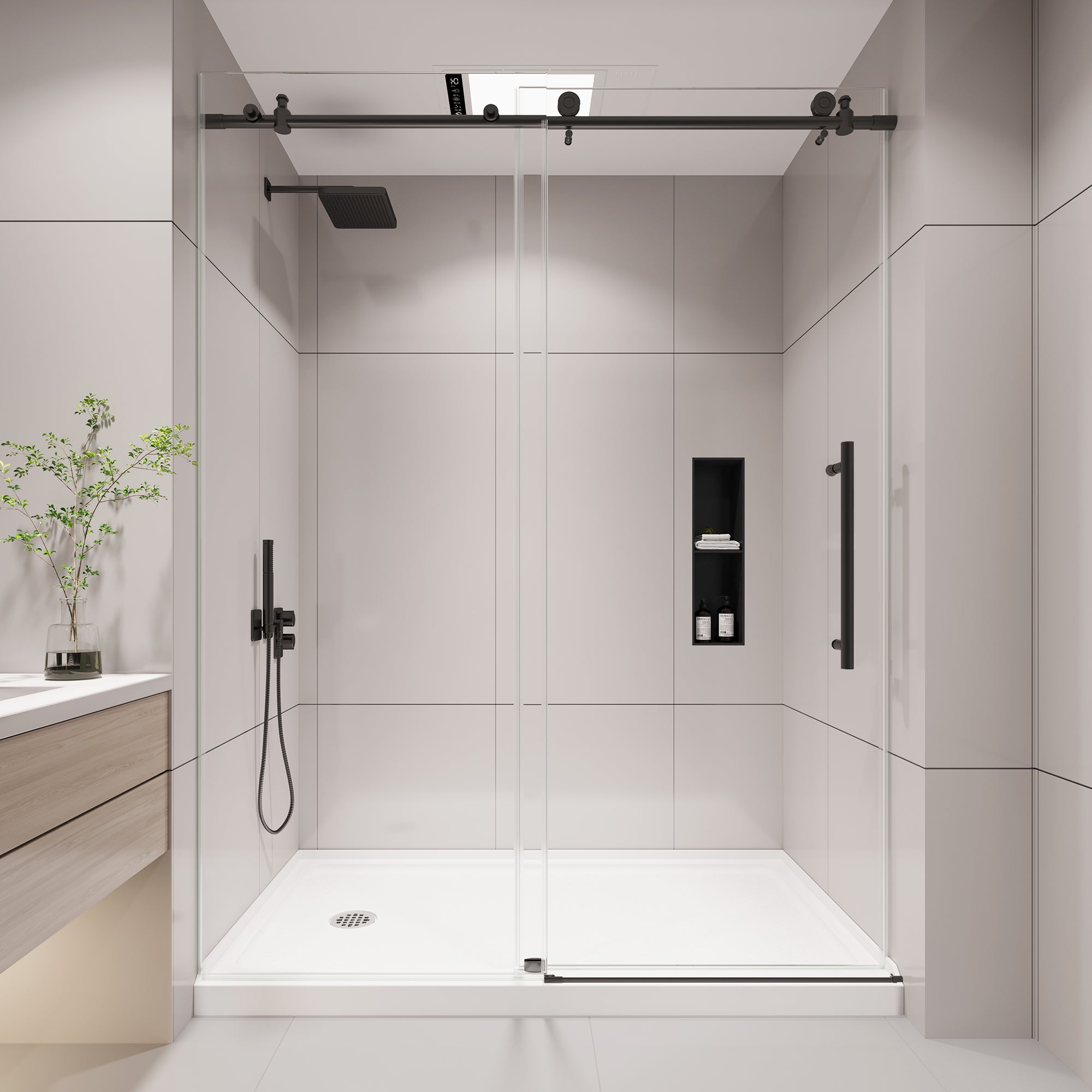
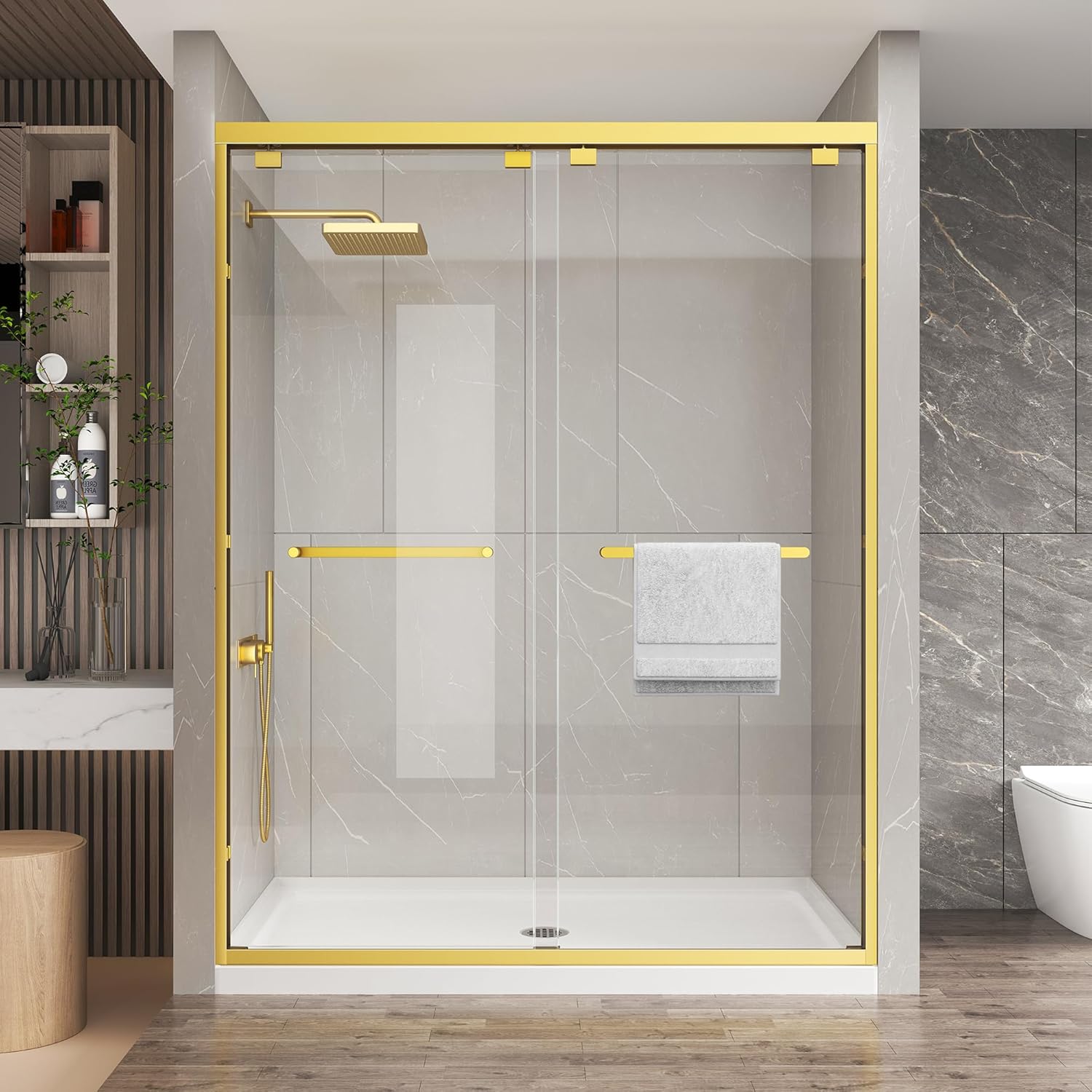
Note: if you plan a tub/shower combo, choose tempered glass that meets ANSI Z97.1. Most tub enclosures use 1/4" (6mm) to 3/8" (10mm) tempered glass; thicker glass reduces flex and improves longevity around a deep tub where splashing is heavier.
For tub-shower glass details and sliding doors, I recommend selecting options rated for tub installations—see manufacturers like KPUY Shower Doors for styles and sizes that match common alcove tubs.

Installation Tolerances, Materials, and Practical Details
Here are the technical items that determine whether the tub install is straightforward or becomes a demo project:
- Out-of-plumb walls: When side walls lean even 1/4" over 60", the tub can gap at one end or bind against the wall. Expect to shim and fur out the wall or trim the tub flange when necessary.
- Rough-in tolerance: Most tubs accept +/- 1" skew on drain location without re-piping; more than that needs a new P-trap location or an extension kit.
- Curb slope and threshold: If replacing a shower pan with a tub, check the curb height and slope. A 1/4" per foot slope away from tub is standard for wet areas; incorrect slope leads to water pooling.
- Tempered glass thickness: For tub enclosures, 6mm tempered is minimum for framed units; 8–10mm is common for frameless doors. Confirm with the glass manufacturer and ANSI Z97.1 compliance.
- Access and service clearances: Provide a removable access panel to valves and the trap. Tunneling under tub or cutting finished wall after installation increases cost drastically.
Quick material checklist:
| Material/Part | Typical Size/Spec | Installation Note |
|---|---|---|
| Tub Type | Alcove soaking 60" or freestanding 60–72" | Alcove needs three finished walls; freestanding needs finished wall or toe kick access |
| Drain Kit | 1.5" trap with overflow assembly | Match tub’s waste location; test with full water for leaks |
| Glass | ANSI Z97.1 tempered, 6–10mm | Use clips and clearance per manufacturer |
Real Jobsite Experience — What Comes Up on Older Homes
I’ve pulled dozens of tubs out of older homes. Here are real problems I see and how I handle them:
- Walls not square or out-of-plumb: On a 1920s bungalow I remodeled, one wall bowed 3/4". The tub flange wouldn't sit flush. Solution: sister studs, re-plate, and add 1/2" backer board to get a true plane before tile. It added a day of work but saved the tile finish.
- Floor joists undersized or rot: A soaking tub full of water can easily add 800–1,000 lbs. I check joist span tables and sister joists or add blocking. Don't guess here—inspecting from the basement often reveals the truth.
- Drain in wrong spot: I’ve had drains off by 3–4". For small offsets I use an offset trap adapter; larger offsets require re-routing the waste line from the crawlspace. Budget for this possibility.
- Hidden tile substrate issues: Older plaster walls and mixed substrates under tile can require full demo. Expect surprises and keep 10–20% contingency in the budget.
From the field: always measure twice, cut once — and bring a small plumbing tool kit and a level. You’ll inevitably need to shim the tub or cut backer board to fit irregularities.

Cost, Timeline, and Practical Tips to Avoid Delays
Typical timeline for swapping a tub in a standard bathroom:
- Site inspection and measurements — 1–2 hours.
- Plumbing modifications and floor reinforcement (if needed) — 1–2 days.
- Install tub, valves, and drain — 1 day.
- Tiling, glass, and finishing — 2–4 days depending on tile set time.
Ballpark costs (national averages, vary by market):
| Work | Range | Notes |
|---|---|---|
| Basic tub install (like-for-like) | $800–$2,000 | Includes hookup and finish work |
| Floor reinforcement / joist work | $300–$1,500 | Depends on access and extent of sistering |
| Plumbing reroute | $400–$1,800 | Minor offsets versus full re-run |
| Glass enclosure | $600–$2,000+ | Framed vs frameless, tempered per ANSI Z97.1 |
Practical tips to keep the job tight:
- Pre-fit the tub in the alcove before finishing tile or surround.
- Dry fit drain and overflow and pressure test before closing walls or tiling.
- Order glass or enclosure after tub selection — glass must match finished rim height and tile reveal.
- Have an access plan for future valve repairs; removable access panels are cheaper than demo later.
For local code specifics on plumbing, the International Code Council is a reliable resource (ICC / International Code Council).
FAQs
Can I put a deeper soaking tub in a 5' x 8' bathroom?
Often yes — a shorter but deeper tub is a common solution. You need to confirm the tub width and rim height relative to surrounding fixtures, door swing, and the drain rough-in. If the tub is deeper, confirm the faucet and valve positions and that the floor can bear the extra concentrated weight.
Do I need tempered glass if I add a tub/shower combo?
Yes. Any glass used in a tub/shower environment must meet safety standards such as ANSI Z97.1 and be tempered. For frameless doors you’re generally looking at 3/8"–1/2" tempered glass; framed systems can use 1/4" tempered glass depending on manufacturer. Always follow manufacturer specs and local code.
How do I know if the drain is in the right place?
Open the access under the subfloor or remove the old drain to inspect the distance from the wall. Measure from the finished wall to the centerline of the waste. If it’s within the tub manufacturer’s tolerance (often +/- 1"), you’re fine. If not, plan for a reroute or an offset drain adapter.
Final Notes & Where to Look Next
Installing a soaking tub in a standard bathroom is practical and popular in 2026 design trends focused on compact deep soaking solutions. The project hinges on careful measurement, confirming drain rough-ins, checking floor framing, and planning for access. If you're adding a tub/shower, get your glass spec’d to ANSI Z97.1 and order after the tub is set to avoid rework with incorrect heights.
If you’re considering an alcove tub with a glass enclosure, check compatible options for tub-friendly doors and hardware at KPUY Shower Doors. For specific bathroom lighting and ambiance choices that complement a soaking tub installation, consider task and dimmable lighting plans to create a relaxing soak.

Questions about your layout? Provide rough measurements (length x width x door location and drain rough-in) and I can point out the likely obstacles and the simplest path forward.

Leave a comment
All comments are moderated before being published.
This site is protected by hCaptcha and the hCaptcha Privacy Policy and Terms of Service apply.