
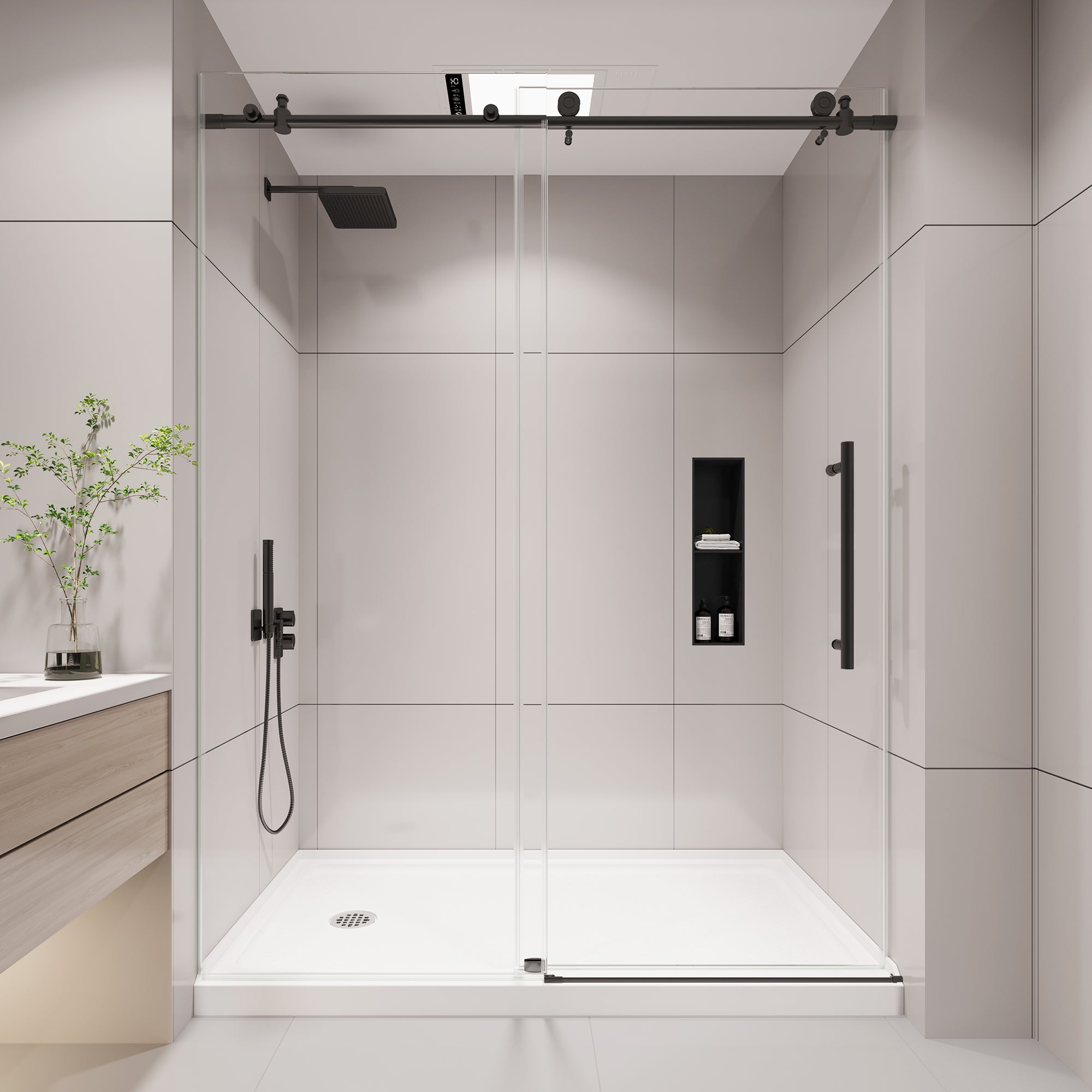
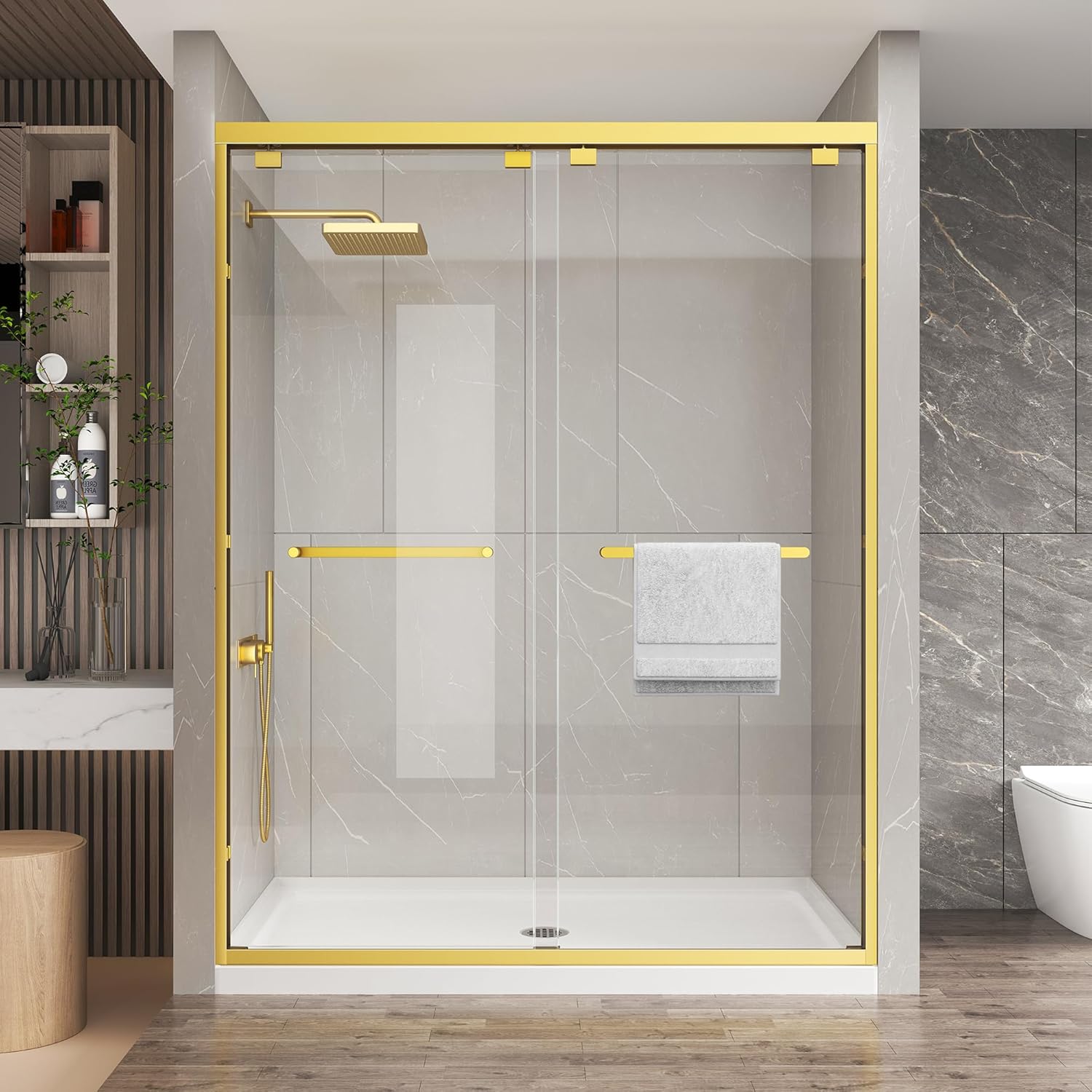
Measuring a shower opening wrong is one of the fastest ways to add days — or weeks — to a bathroom remodel and to turn a clean installation into a field-fit headache. As a contractor with 20+ years installing showers in everything from new builds to 100‑year‑old houses, I’ll tell you what to measure, the tolerances to leave, and the installation realities that sales reps don’t always mention. With frameless glass and curbless showers trending for 2026, precise measurements and a clear plan are more important than ever.
Quick Answer
If you need the one-paragraph answer for a featured snippet: Measure the finished opening width at three heights (bottom, mid, top), measure the finished opening height at both jambs, confirm the floor level and curb height, measure diagonal distances for squareness, and note wall plumb at both sides. Record drain location to the nearest 1/8" and the rough-in slope of the curb. Allow for at least 1/8"–1/4" installation tolerance for framed doors and 1/8"–3/8" for frameless panels depending on hardware type.

Tools You'll Need
- 3-meter / 10-foot tape measure (steel tape preferred)
- Laser distance measurer (for quick height checks)
- Carpenter's level (48" or longer) to check plumb and floor level
- Combination square or straight edge
- Notepad or phone with photos — document everything
- Caliper or feeler gauges for gap checks (handy for thresholds)
Step-by-step Measuring for Common Shower Types
Below are the standard measurements I take on every job. Follow the sequence — it saves remeasuring.
- Confirm finished surfaces: Measure after tile or wall panel installation, not on the studs. We need finished dimensions.
- Width — three places: Measure width at the bottom (near curb), mid-height, and top. Record the smallest of the three.
- Height — both jambs: Measure from the finished curb or finished floor to the top of the opening at both sides.
- Diagonal measurements: Measure corner-to-corner both ways to check for square. A 1/8" diagonal difference is normal; more means out of square.
- Plumb the walls: Use a long level to measure how out‑of‑plumb each wall is. Record inches out over the height of the panel. This affects glass sizing and hinges.
- Drain location and floor slope: Measure from fixed walls to the center of the drain. Note curb slope (should slope toward drain) and whether the floor is level outside the shower.
- Obstructions & clearances: Note showerheads, valves, tile returns, niche locations, and door swing clearance to toilet or vanity.
When measuring for a sliding or bypass door, also measure the wall length that will support the header and the distance between studs or blocking behind the tile.
Special Situations (Old Houses, Out‑of‑Plumb Walls)
Older homes teach patience. Here’s what I see on older jobs and how I handle it:
- Out‑of‑plumb walls: It’s common to find walls that lean 1/2"–3/4" over 7'–8'. I measure that offset and plan for shims and either a filler profile or custom glass cut to follow the plumb. For frameless installations, call out the worst plumb condition so the fabricator can plan the proper edge clearances.
- Uneven curb or floor: If the curb has a slope greater than 1/4" over its length, I either rebuild it or note the slope so the installer can grind or shim the threshold and set the sill correctly.
- Tile returns and bullnose: Measure to the face of the finished tile, not the wallboard. Bullnose tile adds thickness that affects glass jamb closures.

Glass and Hardware Specs You Must Record
Before you place an order, specify these items so the fabricator and installer know exactly what you need:
- Glass type & thickness: Most frameless doors use 3/8" (10mm) or 1/2" (12mm) tempered glass. For heavy doors or larger panels I recommend 1/2" tempered glass for rigidity and less deflection.
- Safety standard: Insist on tempered safety glass meeting ANSI Z97.1 — note this on the order.
- Hardware finish and hinge type: Record whether you want recessed hinges, continuous hinges, or clamp-style fittings, and the finish (brushed nickel, chrome, oil-rubbed bronze).
- Clearance gaps: Specify required door gaps at top, sides, and threshold. Typical gap for frameless doors is 1/8"–3/8".
For more design guidance and recommended practices, professional resources like the NKBA are useful references for layouts and code compliance.
Tolerances & What to Order
Fabricators and hardware manufacturers work to tolerances; you must specify them and account for field adjustments.
| Item | Measure To | Typical Tolerance |
|---|---|---|
| Opening width | Finished tile face to tile face | -1/8" to -3/8" (order glass smaller) |
| Opening height | Finished floor/curb to top of glass | -1/8" to -1/4" |
| Glass thickness | Specified in order | +/- negligible (material spec) |
| Diagonal | Corner-to-corner | Within 1/8" recommended |
Rule of thumb: For framed systems you can allow less gap; for frameless, give the fabricator the worst-case smallest width so they can cut the glass to fit and provide field-cut allowances for shims and-channel cover strips.
Note: Compliance information about tempered glass standards can be confirmed on the ANSI site: ANSI Standards.
Real Onsite Tips From 20+ Years Installing Showers
Here are the practical building-site lessons I use on every job:
- Take photos from multiple angles. A picture of the curb, tile edge, and valve helps the fabricator understand returns and bullnose details.
- Measure twice, order once. If you’re unsure about the finished floor height (tile not installed yet), delay ordering glass until finish is complete — it’s worth a week’s wait.
- Label your measurements. I write "bottom," "mid," "top," and date them. Installers see jobs with multiple trades; labeled measurements reduce mistakes.
- Expect trades to move. Plumbing and tile trades can shift drain location a few millimeters. Confirm final drain center before the final glass cut if drain placement is critical for threshold design.
- Allow for field trimming. Good installers will leave 1/8"–3/8" for adjustments. If the job has big out-of-plumb conditions, plan for more aggressive sills or returns.
On a recent remodel I measured a 1920s bungalow with an out‑of‑plumb wall that leaned almost 5/8" over 7'. Rather than force the glass, we rebuilt the curb, set a fixed return, and specified a 1/2" glass with wider hinge pads. The result: cleaner sightlines and no unexpected glazing returns at install.
Measurement Checklist
Use this quick checklist before placing the order:
| Task | Confirm |
|---|---|
| Width at 3 heights | Recorded smallest value |
| Height at both jambs | Recorded per jamb |
| Floor/curb levelness | Note slope and drain location |
| Tile finish & bullnose | Measured to finished face |
| Plumb of walls | Marked offset and location |
| Hinge/header blocking | Confirm blocking location |
| Hardware finish & toughened glass spec | Included on order |
When you’re ready to shop for hardware or glass, a reliable place to start is a dedicated shower door collection like KPUY Shower Doors, which lists typical specs you'll need to match to your measurements.
Frequently Asked Questions
How do I measure for a frameless shower door?
Measure width at three heights, record the smallest. Measure height at both jambs. Check diagonals for squareness and record plumb offsets. Specify glass thickness (3/8" or 1/2"), and leave a field allowance of at least 1/8" for glass-to-tile clearance.
Can I measure before tile is installed?
Short answer: you can, but don’t order final glass until tile is done. If you must pre-order, order with a contingency — fabricators offer field cutting or adjustable clamps. Best practice is to measure off finished surfaces.
What gap should I leave between glass and tile?
Typical gaps: 1/8" between glass and tile for framed doors, up to 3/8" for frameless panels where leveling and caulking are part of the finish. The exact gap depends on hinge geometry and whether a sweep is installed at the door bottom.
Short Wrap-up and Where to Shop
Accurate measuring eliminates most installation surprises. Focus on finished surfaces, record multiple width and height points, and note plumb and diagonal variance. Use the checklist in this article on every job and communicate the exact specs to your fabricator, including tempered glass requirements and hardware preferences. For vetted product options that match industry specs, see KPUY Shower Doors and consult local professionals if your walls are significantly out of plumb.
Need code or best-practice references? Start with NKBA and ANSI linked above; they provide guidance on layout and glazing standards for safety and performance.

Leave a comment
All comments are moderated before being published.
This site is protected by hCaptcha and the hCaptcha Privacy Policy and Terms of Service apply.