
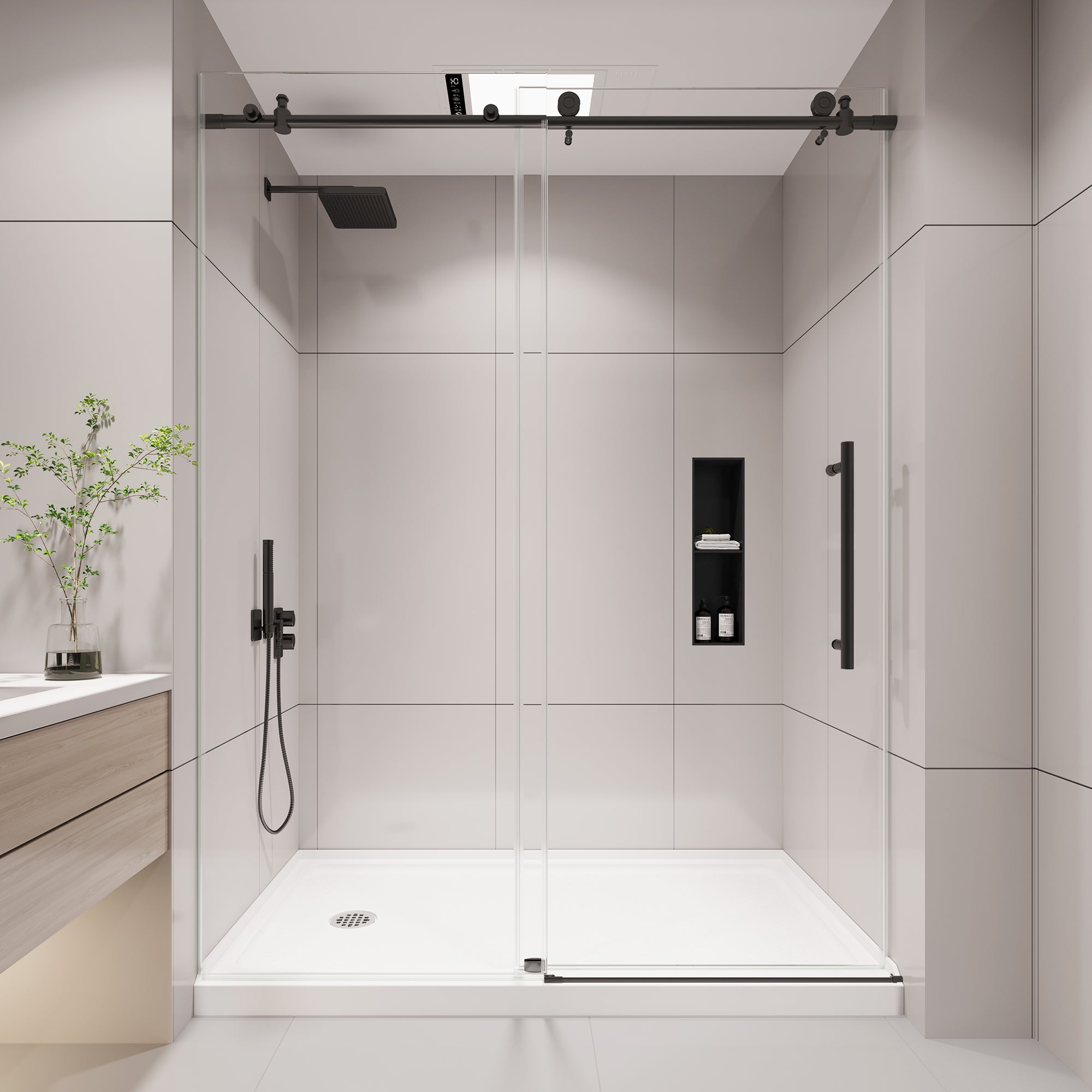
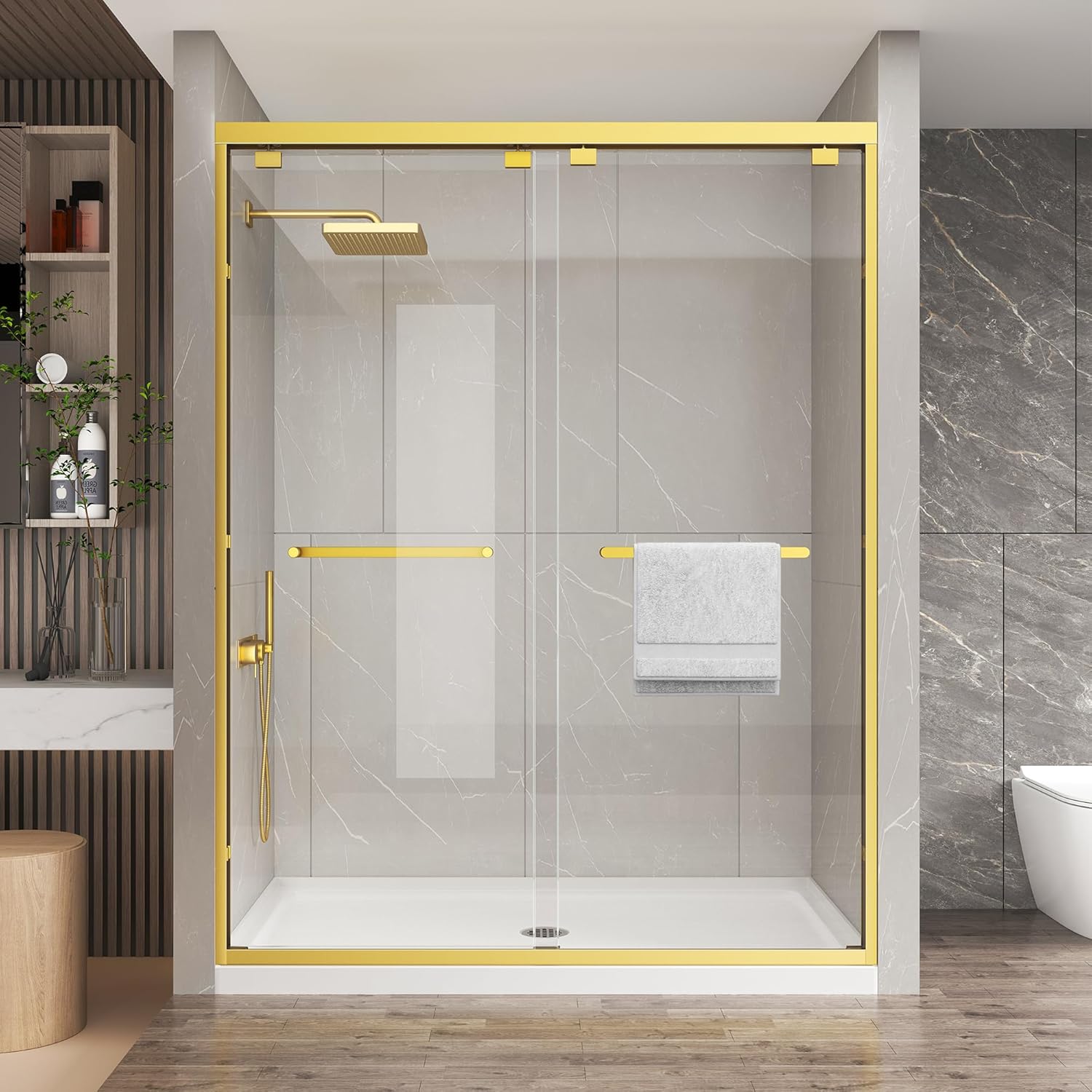
Bathroom layouts are tighter than they were ten years ago, homeowners want cleaner lines, and 2026 trends favor minimal metal and large glass panels. That means your shower door and base choice has to balance water control, long-term maintenance, and real-world site tolerances — not just how the photo looks on Pinterest. Below I’ll give you contractor-grade guidance on the best shower door and base combinations for remodels in 2026, including installation tolerances, safety references, and field tips that save time and money on the job.
Overview: What matters most
When pairing a shower door with a shower base, three technical priorities beat aesthetics every time: water management, structural tolerance, and safety compliance. Water management includes curb height, pan slope, drain location, and door sweep details. Structural tolerance is about how much out-of-plumb your opening can be while still allowing a tight, leak-free installation. And safety compliance covers tempered glass standards, hardware load ratings, and local code for thresholds and accessible routes.
Two authoritative resources I reference on every remodel are the National Kitchen & Bath Association for best practices and layout guidance and the International Code Council for local code direction: NKBA and ICC. When in doubt, check the local jurisdiction for permit-level requirements — they vary.
Top Shower Door & Base Combinations
Below are the combinations that deliver the best balance of performance, serviceability, and long-term value in typical American remodels.
- Frameless glass door + tile-ready pre-sloped base — Clean look, works well with linear drains and large-format tile. Requires the best subfloor prep and plumber coordination.
- Semi-frameless hinged door + acrylic one-piece base — Durable, minimal maintenance, lower cost to install. Tolerant of slightly out-of-plumb walls if you use adjustable jambs.
- Sliding barn/rail system + fiberglass alcove base — Good for tight bathrooms where swing clearance is limited. Make sure the top track is perfectly level over the curb to avoid binding.
- Neo-angle door + corner prefabricated base — Space-saving and often used in smaller master baths or upstairs additions. Watch for exact angle tolerances; custom glass is frequently required.
- Curbless entry + fixed glass panel (wet-room style) — High-end, accessible, and in-line with 2026 trends. Requires precise waterproofing, proper floor pitch (1/4" per foot minimum to drain), and often a linear drain.
For glass options and modern finishes, I often source doors from trusted suppliers — choose a vendor with clear spec sheets and tempered glass certification like KPUY Shower Doors to avoid surprises on delivery day.
How to choose for your bathroom
Choosing the right pairing starts with three measurements and one decision:
- Measure finished opening width and height — take measurements at top, middle, and bottom; record the smallest number for width, and smallest for height.
- Confirm rough-in drain location — center vs offset drain affects base model choice and tile pattern.
- Check wall plumb — measure gap at top and bottom; if the door opening is out-of-plumb more than 1/4" over 36" you’ll need shim packs or a custom channel.
- Decide curb or curbless — curbless is premium and requires floor pitch and sub-slab slope attention; curb-based systems are more forgiving in older houses.
Concrete advice: if your walls are out-of-plumb, favor a base-first approach — set the base, build the curb, then let glass fabricators measure for the opening. That sequence saves cutting and avoids glass returns.
Here are the door-glass thickness recommendations I use on jobs:
- Frameless panels: 3/8" (10mm) minimum; 1/2" (12mm) where large panels or heavy hardware are used.
- Semi-frameless or sliding: 1/4" (6mm) or 3/8" depending on track/hardware.
- Safety standard: All shower glass should be tempered per ANSI Z97.1 and local code; laminated glass is an option where safety or privacy is required.
Real-site experience and common fixes
Speaking as someone who’s spent 20+ years on remodel sites, I’ll be blunt: nothing comes out of demo perfect. Expect walls to be up to 5/8" out-of-plumb over a 6' height in older homes. Tile substrate often isn’t level either. Those variances drive most job delays and cost overruns.
Field-tested fixes I rely on:
- Shim and pack the base to create a stable, level platform before setting wall tile. A base not fully supported will crack tile grout and flex the glass jamb.
- Use a 1/8" to 3/16" clearance per side for glass-to-jamb in out-of-plumb openings; specify adjustable jambs when ordering glass to keep tolerances tight.
- When converting to curbless, re-check finished floor slope: you need at least 1/4" per foot slope toward the drain across the shower field. If the slab won't allow it, opt for a low-threshold preformed base instead.
- Allow glass fabricators to measure after tile and curb are finished — I won't order cut-glass until that final measurement is taken on-site.
Example from a job: a 1920s house we renovated had a cast-iron tub replaced with a walk-in shower. Side walls were 3/4" out-of-plumb and the original waste dropped center was 6" off where a tile-ready base’s drain boss expected it. We re-centered the drain in the subfloor and used a semi-custom acrylic base set on a dry-pack mortar bed. A frameless panel was measured after tile went in and required a 5/16" taper on one jamb — standard issue, handled with an adjustable channel and a silicone bead.
Those real-world details are why you should hire a contractor who understands plumbing rough-ins and glass tolerances — it saves you change orders.
Installation Checklist & Quick Specs
Use this checklist during planning and on install day. Items in bold are critical for performance and warranty compliance.
| Item | Minimum Spec / Note | Why it matters |
|---|---|---|
| Base slope | 1/4" per foot minimum | Prevents ponding and directs water to drain |
| Glass type | Tempered per ANSI Z97.1 | Required for safety and code compliance |
| Glass thickness | 1/4"–1/2" depending on system | Controls flex and hardware load |
| Wall plumb tolerance | <1/4" variance per 36" ideal | Limits need for custom glass or excess shimming |
| Threshold height | Varies — curbless flush to 2"+ for deep pans | Impacts accessibility and water control |
On install day follow these steps:
- Confirm finished floor level and drain location.
- Set base on full mortar bed if required; verify slope to drain.
- Tile up to the curb or panel and let mortar/grout cure per manufacturer specs.
- Have glass fabricator measure final opening; order glass with documented field measurements.
- Install door hardware with proper fasteners into studs or blocking; never anchor heavy glass to tile only.
And a practical tip: always keep a 1/8" to 3/16" gasket/silicone allowance around frameless glass edges unless the manufacturer specifies otherwise. That absorbs minor movement without leaking.
Quick Answer (Featured Snippet)
Best overall choice: For most American remodels, a 3/8" tempered frameless glass door paired with a pre-sloped tile-ready base (or a factory acrylic low-threshold base where slab slope is an issue) gives the best balance of looks, durability, and water control. Choose curbless only if the subfloor and drain location allow the required slope and waterproofing.
FAQ
What glass thickness is best for a frameless shower door?
Use 3/8" (10mm) tempered glass as the baseline for frameless doors. Go to 1/2" (12mm) for large panels or when the door has heavy hardware. Always confirm with the fabricator and the door manufacturer's hardware load limits.
Can I install a frameless door on an older house with out-of-plumb walls?
Yes, but you'll need adjustable channels or shims and you should expect to have the glass measured after tile and curb are finished. If walls are severely out-of-plumb (more than 1/4" over 36"), consider a semi-frameless system that tolerates more variance or plan for custom glass.
How do I choose between a curbless and a curbed base?
Pick curbless when accessibility and a flush, modern look are the priority and when you can achieve at least 1/4" per foot floor slope toward a linear or center drain. If the existing slab or joist layout won’t permit that slope without major work, a low-threshold preformed base or a tiled pan over a mud bed is the safer, more cost-effective option.
Wrap-up
My practical rule: match the door system to what the base and subfloor can reliably deliver. Frameless glass is the trend for 2026, but it demands tight tolerances, proper support, and tempered glass per ANSI standards. For predictable, budget-friendly results choose a quality acrylic or prefabricated base with a semi-frameless or sliding door; for high-end, durable results pair a tile-ready pre-sloped base with 3/8"–1/2" frameless glass and a linear drain. If you’re shopping for glass doors, start with reputable suppliers and specification sheets like KPUY Shower Doors and coordinate on-site measurements to avoid delays.

Leave a comment
All comments are moderated before being published.
This site is protected by hCaptcha and the hCaptcha Privacy Policy and Terms of Service apply.