
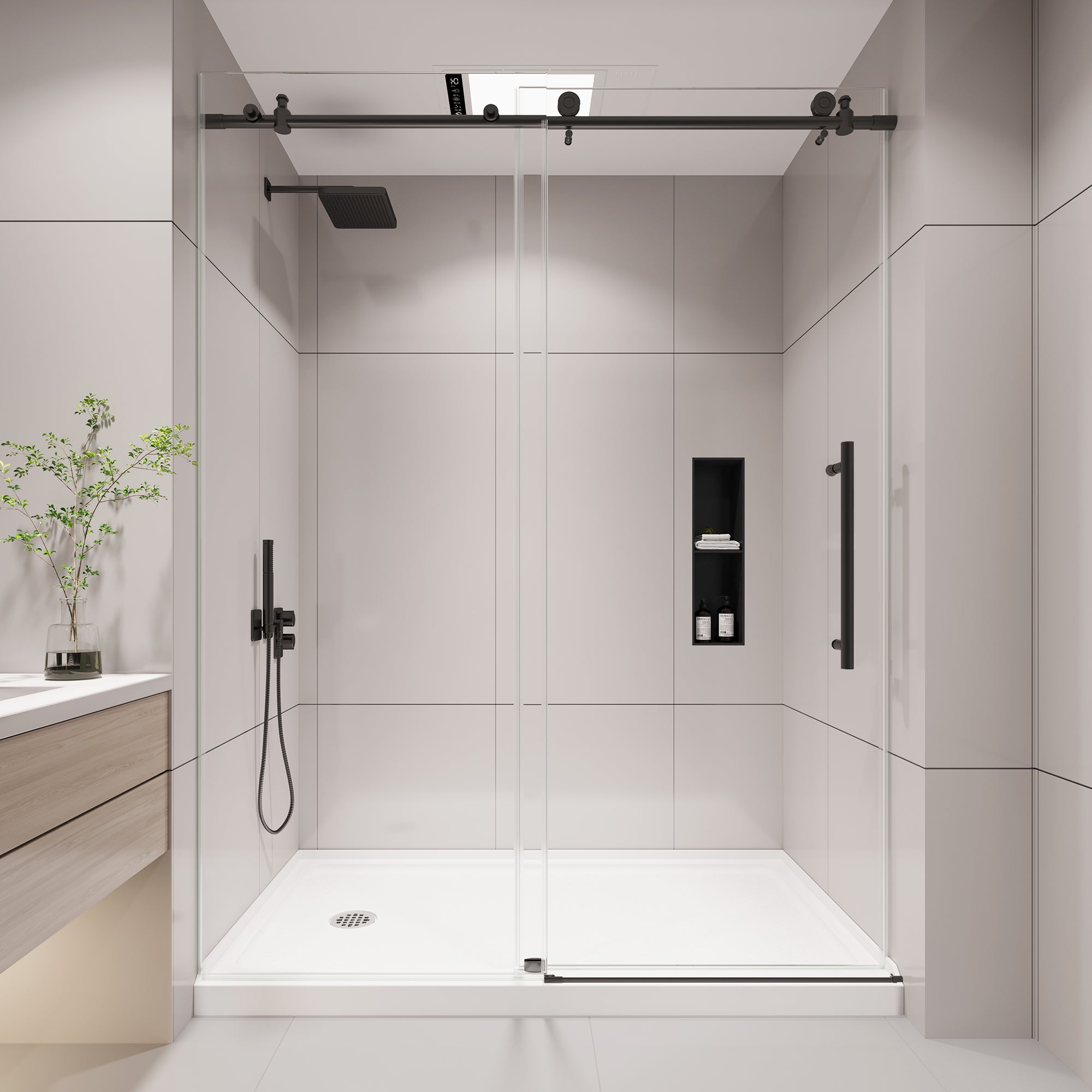
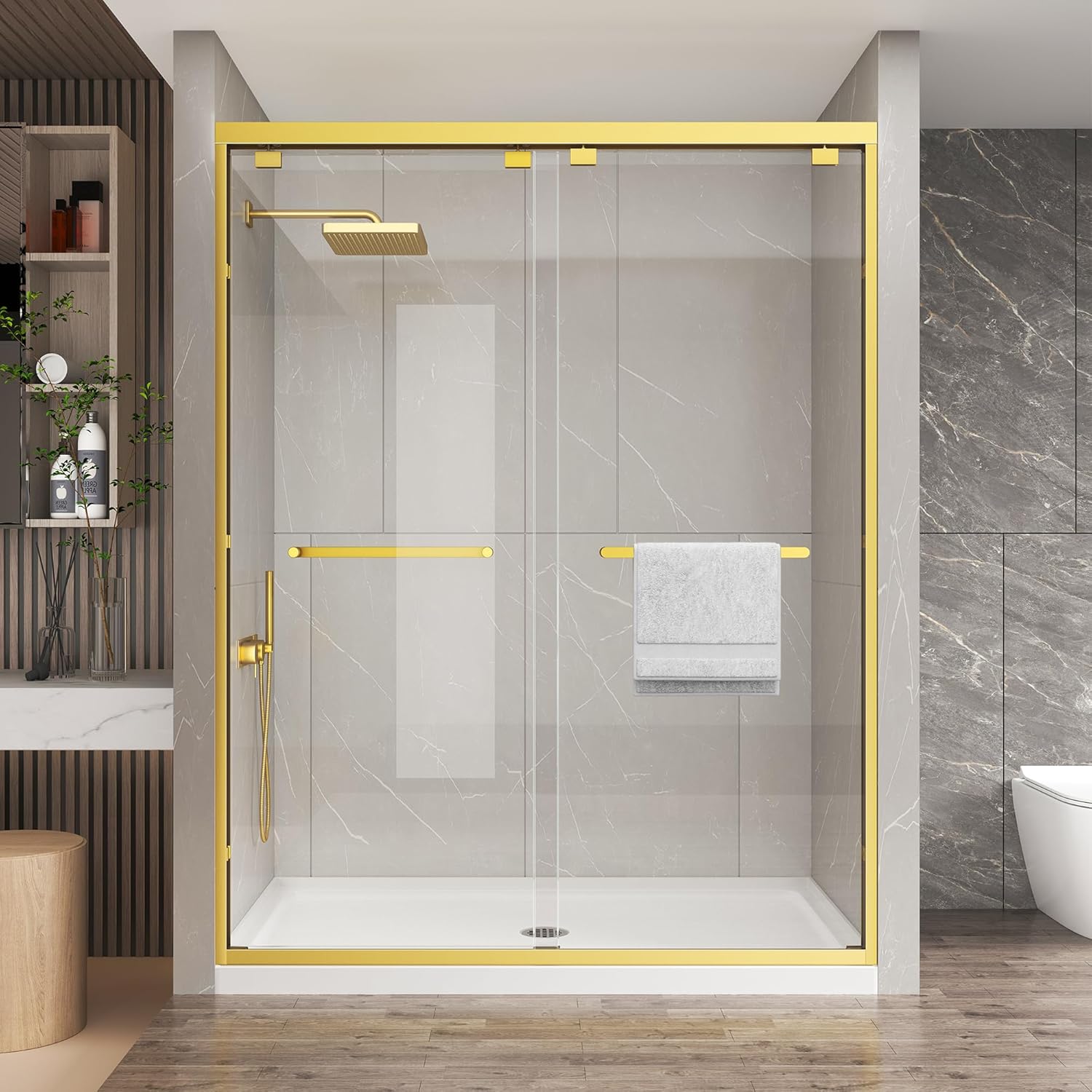
Bathtub curtain splash is one of the most common complaints in family bathrooms, especially when the room is tight, the tub wall is short, or the shower rod never really keeps the liner in place. A bathtub shower door can solve that problem, but only when the tub, wall conditions, and opening size make sense for glass. In 2026 remodel planning, more homeowners are also replacing dated curtains for a cleaner look and better water control without changing the whole bath footprint.
The Short Answer
A bathtub shower door works better than a shower curtain when you need stronger water containment, a more finished look, and a cleaner threshold at the tub edge. It is usually the better choice for steady daily use, especially in tubs with flat walls, enough deck space, and accurate finished measurements. Curtains still win when swing clearance, budget, or irregular walls make glass a poor fit.
When a Bathtub Shower Door Works Better
The biggest reason to choose a bathtub shower door is simple: it controls splash better than a curtain. If the shower head tends to spray toward the room, if kids pull the curtain open, or if the liner sticks to your arm, glass usually performs better. A door also helps when the tub is part of a remodel where the goal is to make the space look more finished without changing the plumbing layout.
Bathtub shower doors make the most sense in three common situations:
- Daily-use family bathrooms where water on the floor is a recurring problem.
- Guest bathrooms where a cleaner, more permanent look matters.
- Remodels with a stable tub deck and straight wall surfaces that can support hardware and sealing.
They work especially well when the tub sits in an alcove with finished tile or another hard wall surface. That gives the door a stable mounting surface and helps with sealing. If the wall is already finished and the tub edge is level, you can usually plan a much cleaner installation than with a curtain rod and liner.
That said, a bathtub shower door is not the right answer for every room. Older homes often have walls that are not perfectly plumb, and a tub deck can slope slightly for drainage or simply because the framing settled over time. Those conditions do not always prevent a door, but they do affect the type of door and the amount of adjustment available.
For homeowners comparing tub-friendly glass options, the Bathtub Shower Doors collection is the most relevant place to look after you understand the measurements and layout limits.
Jobsite-style observation: a tub opening can look square from across the room and still vary enough at the top edge to affect glass alignment. Measure the actual finished opening, not just the tub size on paper.
External reference: for planning around home safety and bathroom use, the CPSC is a useful source for general consumer safety context, especially where glass, slips, and water control are involved.
Measurements That Decide the Fit
Bathtub shower doors are not bought by tub size alone. The finished opening matters more than the nominal tub dimension. If tile is going in, replace the old wall surface, or add a trim board, those layers change the true width and height that the door must fit.
Start with three width checks across the opening:
- Measure the width near the top of the tub surround.
- Measure at the middle of the intended glass height.
- Measure near the top of the tub deck or threshold line, depending on the door style.
If the numbers vary, use the smallest finished measurement as the practical guide. Glass and hardware may allow some adjustment, but they do not forgive a lot of error. Out-of-plumb walls can narrow the usable range at one side and create a gap at the other side that needs a filler or adjustment strip.
Height is just as important. The door must clear the tub rim and still contain spray. If the shower head is high and aimed out, a short panel may let water escape. If the glass is too tall for the room, it can interfere with lighting, tile transitions, or nearby window trim.
Here is a simple way to think about the planning factors:
| Planning Item | Why It Matters | What to Check |
|---|---|---|
| Finished opening width | Determines whether the door fits and how much adjustment is available | Measure top, middle, and bottom after wall finishes are in place |
| Wall plumb | Out-of-plumb walls can throw off glass alignment | Check both side walls with a level |
| Tub deck and rim level | Uneven surfaces change seal quality and door alignment | Check the tub edge where hardware or seals will land |
| Clearance to nearby fixtures | Impacts opening, cleaning access, and daily use | Look for towel bars, toilets, vanities, and trim |
| Glass and hardware depth | Hardware can project farther than expected | Confirm stud location and wall anchor support |
Tile thickness can change the final opening width more than many homeowners expect. If you are still in the demo or rough-in stage, measure again after wall board and tile are installed. A door that fits the framing opening may not fit the finished opening.
Material note: the bathroom surround, trim, and tile all affect the final fit. That is why one of the safest planning habits is to measure after the wall surfaces are finalized, not before.
For shower opening planning beyond tubs, KPUY also carries KPUY Shower Doors, which is useful when you are comparing tub enclosures with other glass shower layouts.

Curtain vs. Door: Practical Tradeoffs
A curtain is flexible and cheap to replace. A bathtub shower door is more rigid, more precise, and better at containing water when the room supports it. The right choice depends on how the bathroom is used and how much tolerance you have for splash, cleaning, and clearance issues.
Use the following comparison as a practical decision guide:
| Factor | Shower Curtain | Bathtub Shower Door |
|---|---|---|
| Water containment | Depends on liner position and user habits | Usually better, especially with proper sealing |
| Space needed | Very little swing or track clearance | Needs adequate opening and hardware space |
| Maintenance | Frequent liner replacement and washing | Glass cleaning, seal checks, and hardware care |
| Appearance | Simple, but often temporary-looking | More finished and built-in |
| Fit tolerance | Very forgiving | Requires accurate finished measurements |
| Best in older homes | Yes, when walls and tubs are irregular | Yes, but only after careful measurement |
Doors usually win when the tub is used every day and splash control matters. Curtains can still be the smarter move when the walls are crooked, the tub deck is damaged, or there is not enough room for glass hardware. A shower door is less forgiving during installation, but it is often easier to live with afterward.
Another real-world issue is cleaning. Curtains can trap moisture and need regular washing. Glass needs squeegeeing and occasional seal checks, but it does not hold mildew the same way a liner does. That matters in a bathroom with limited airflow.
For a tub opening with a more finished glass look, the right hardware layout matters as much as the glass itself. A fixed panel may keep splash down better than a full swinging door in a tight room, while a sliding or hinged section may offer better entry. The point is to match the movement to the room, not just the look.
Installation Planning and Common Misses
Bathtub shower door installation looks straightforward until the wall surfaces, anchors, and tub dimensions are checked in the field. The most common misses happen before the first screw goes in.
Watch for these issues before ordering:
- Out-of-plumb walls that force the glass out of line.
- Uneven tub rims that affect the bottom seal or panel level.
- Missing studs where anchors need real support.
- Tile thickness changes that shrink the finished opening.
- Door swing interference with the toilet, vanity, or nearby trim.
- Shower head placement that sprays past the glass edge.
Wall anchors and stud locations matter because glass hardware is not something to guess at. If the mounting points do not land where expected, the installer may need a different fastening plan or reinforcement behind the wall. That is especially important in remodels where old tile, moisture damage, or patch work has changed the wall structure.
Drain location does not usually control a tub door the way it controls a shower pan, but it still matters if the surrounding remodel includes plumbing work. A tub surround that shifts, a new fixture location, or a changed wall depth can affect the final position of the door relative to the shower head and tile line.
For code-aware planning, it helps to stay within local requirements and general plumbing guidance. The IAPMO and ICC sites are useful references when you want to understand the code environment without treating a product guide like a permit set.
Practical tip: if the bathroom is getting new lighting or a smart toilet nearby, confirm outlet placement early. A glass door can change how far cabinets, switches, and fixtures can project into the room.
- Measure the finished tub opening at the top, middle, and bottom.
- Check wall plumb and confirm the tub rim is level enough for the door style.
- Identify stud locations and any blocked areas behind the wall surface.
- Confirm shower head direction and splash pattern.
- Review hardware clearance for towel bars, trim, and nearby fixtures.
- Plan silicone sealing at all required contact points after dry fitting.

Cleaning, Sealing, and Daily Use
Once installed, a bathtub shower door needs simple but regular care. The glass should be wiped down to reduce mineral spotting, and the silicone lines should be checked periodically for gaps, peeling, or mildew buildup. This is not high-maintenance work, but it is more deliberate than shaking water off a curtain.
Daily use is usually easier when the door opens without hitting the toilet, vanity, or towel ring. That is one reason a tub door should be planned with the entire bathroom layout, not just the tub opening. A door that clears the opening on paper can still feel cramped in the room.
If the door has tracks, keep the track clean so soap residue and debris do not bind the rollers or sliding path. If it is a hinged or pivot style, check fasteners and hinges for movement over time. Any glass enclosure depends on consistent alignment. Small shifts can lead to rubbing, leaks, or a latch that no longer lands cleanly.
Keep in mind: sealing is about water containment, not total isolation. Good installation reduces splash and keeps the tub area manageable, but it still relies on proper slope, fit, and regular upkeep.
For homeowners who want a tub enclosure that feels more integrated with the room, bathtub glass is often part of a broader bath update that also includes lighting, storage, and wall finishes. If that is your plan, it helps to think through the full layout before any final order.
Frequently Asked Questions
Do bathtub shower doors leak more than curtains?
Not usually, but they can if the fit is off or the shower head sprays directly toward the opening. A properly measured and sealed door generally contains water better than a curtain. The key is matching the door style to the tub layout and keeping the installation accurate at the wall and tub edge.
Can a bathtub shower door be installed on old tile?
Yes, if the tile is sound, the wall is stable, and the mounting points can be secured correctly. Cracked, loose, or water-damaged tile is a problem and should be addressed before glass goes up. Older bathrooms often need extra measuring because the walls may not be perfectly plumb.
What is the most common mistake when replacing a curtain with a door?
Measuring the old curtain opening instead of the finished glass opening. Tile thickness, trim, and wall irregularities all change the real dimensions. Another common mistake is ignoring nearby fixtures, which can make the door awkward to use even if it technically fits.
Final Takeaway
A bathtub shower door works better than a shower curtain when the bathroom can support accurate measurements, stable wall surfaces, and enough clearance for the selected door style. It is usually the better choice for daily splash control and a more finished tub surround, while a curtain remains useful in older or tighter rooms where flexibility matters more than permanence.
Start with the finished opening, check the wall conditions, and plan for hardware and sealing before ordering. If your remodel is centered on a tub enclosure, the most relevant place to begin is the Bathtub Shower Doors collection, then verify the actual room measurements before you commit.

Leave a comment
All comments are moderated before being published.
This site is protected by hCaptcha and the hCaptcha Privacy Policy and Terms of Service apply.