
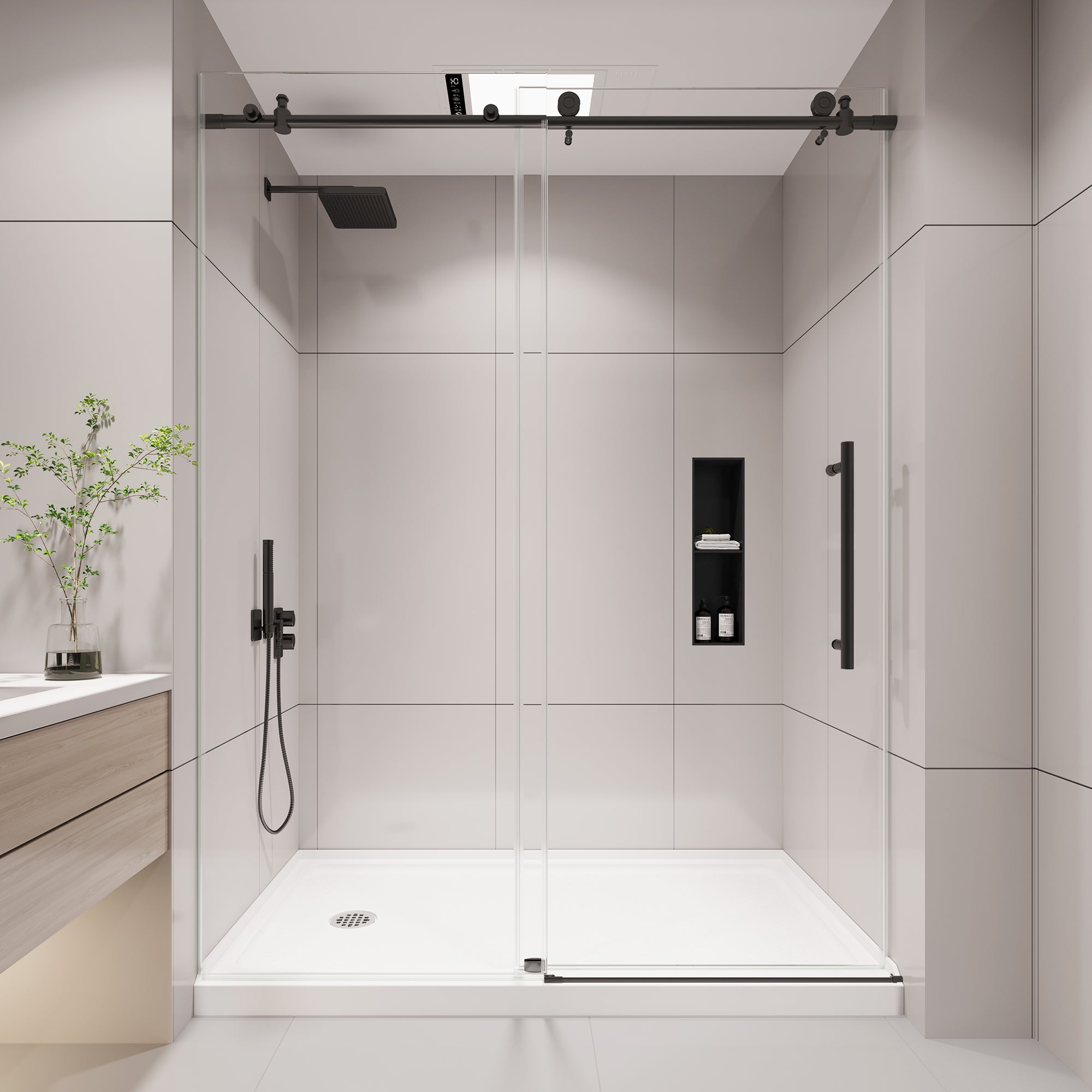
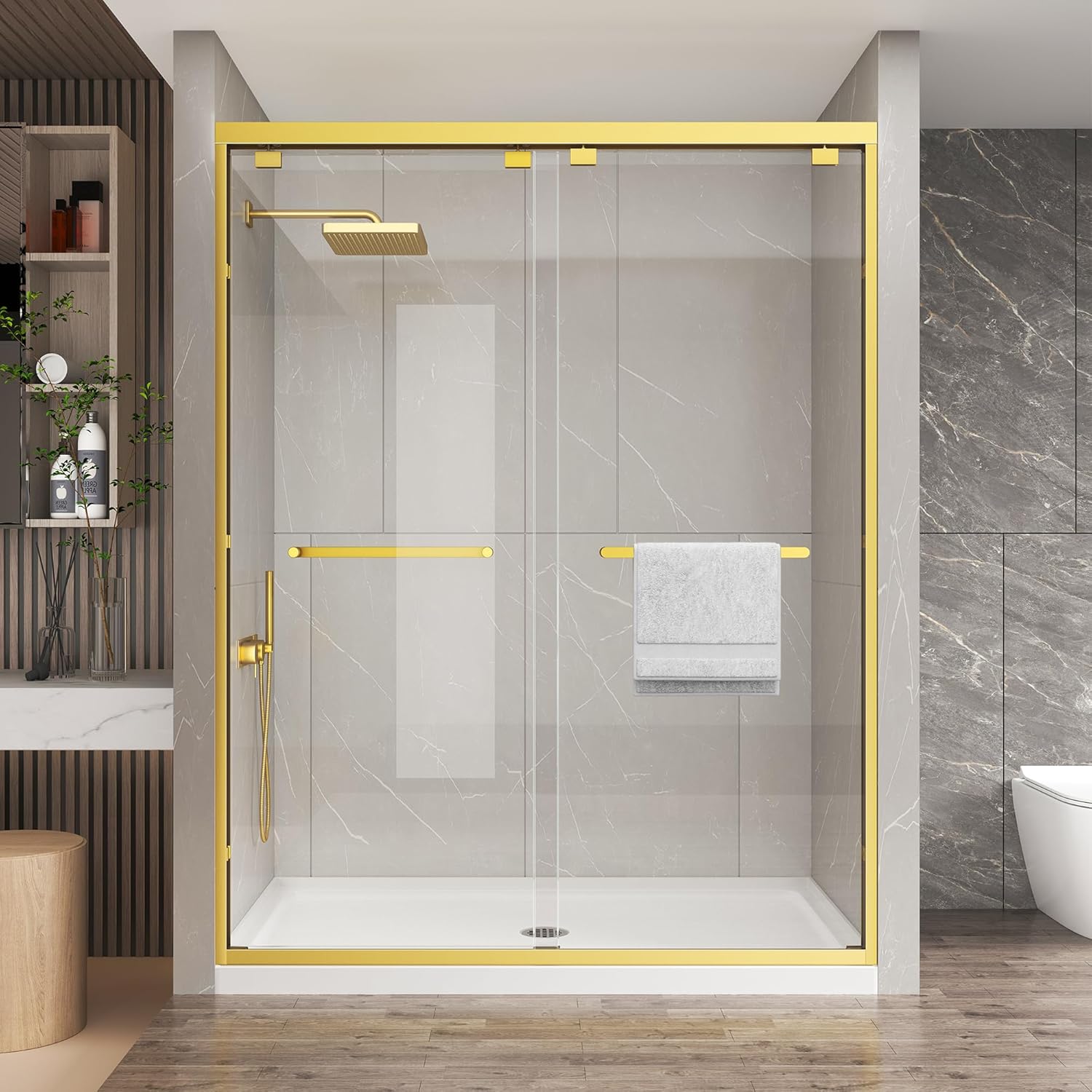
Ordering a bathtub shower door sounds simple until the opening is a little out of square, the tile adds thickness, or the tub apron is not perfectly level. A measurement that looked fine before demolition can change once the walls are finished and the new surround is installed. The safest approach is to measure the finished opening and confirm the tub, wall surface, and hardware clearances before you place an order.
The Short Answer
Measure the finished tub opening, not the old curtain rod or an old door. Check the width at the top, middle, and bottom, measure the tub ledge depth and wall height, and confirm that the walls are plumb and the tub rim is level enough for the door system you want. Also account for tile thickness, door swing or track clearance, and any fixtures that may block operation.
What to Measure Before You Order
The right bathtub shower door starts with the finished opening. If you are remodeling, that means the wall finish, tile thickness, trim, and tub surround all matter. A door that fit the rough framing may be wrong once the tile is on the wall. That is why field measurements are taken after the surfaces are complete or at least after the substrate and finish build-up are known.
For a tub enclosure, you are usually measuring three zones: the wall-to-wall opening width, the tub rim and ledge condition, and the height available above the tub. The tub deck or ledge gives the door its base reference, while the walls and ceiling determine whether a fixed panel, sliding door, or pivoting door will work without interference.
Older homes often have walls that are not perfectly plumb. A shower opening may measure one dimension at the top, a slightly different one in the middle, and another at the bottom. That difference can be enough to affect glass fit, track alignment, or the way a hinged panel closes against the wall.
| Measurement | Why It Matters | What to Look For |
|---|---|---|
| Opening width at top, middle, bottom | Confirms the true finished span | Look for out-of-plumb walls or tapered openings |
| Tub rim and ledge depth | Sets the mounting and splash-control reference | Confirm the rim is solid, level enough, and wide enough for hardware |
| Wall height above the tub | Determines panel height and water containment | Check tile height, trim, and any soffit or window interference |
| Swing or track clearance | Prevents the door from hitting nearby fixtures | Watch for toilets, vanities, towel bars, and toilet paper holders |
| Wall structure behind the finish | Supports anchors and hardware | Locate studs or blocking before drilling |
For planning help on enclosure styles and layout considerations, review the KPUY Bathtub Shower Doors collection alongside your measurements. Use it as a layout reference, not as a substitute for field measuring.
In a bath remodel, these details are easy to miss:
- Tile thickness changes the finished width. Even a small build-up can move the wall surface enough to affect a tight-fitting panel.
- The tub may not sit perfectly level. If the rim slopes, the door or seal line may need careful adjustment.
- The opening can be wider at one end. That matters for framed tracks, fixed panels, and glass that depends on consistent wall conditions.
- Hardware needs backing. Tile alone is not a structural anchor point. Confirm stud locations or solid blocking.
- Nearby fixtures can block operation. A door may fit the opening but still strike a vanity edge or toilet tank.
Choose the Right Door Style for the Tub
Bathtub shower doors are not one-size-fits-all. The style you choose should match the space, how the tub is used, and how much clearance is available in the room. In 2026 remodels, homeowners are still favoring cleaner glass lines and better water containment, but the right style depends more on the room than on design trends.
Here is a practical way to compare common bathtub door setups:
| Door Style | Best For | Main Measurement Concern | Watch-Out |
|---|---|---|---|
| Sliding door | Tight bathrooms with limited swing space | Wall-to-wall width and track alignment | Out-of-level tracks can make panels bind |
| Pivot or hinged door | Rooms with enough clearance for the panel to open | Swing clearance in front of the tub | Can hit nearby fixtures if the room is tight |
| Fixed panel with return | Cleaner look and simple splash control | Panel width and wall support | Open entry may allow more splash if sized too short |
| Framed enclosure | Projects that need a little more tolerance | Opening consistency and hardware fit | Heavier visual profile |
| Frameless glass | Modern tub surrounds with accurate finished dimensions | Plumb walls and precise finished opening | Less forgiving of measurement errors |
Sliding layouts usually work better where swing clearance is tight. Pivot or hinged doors need room in front of the tub, which is often limited in a standard hall bath. Fixed glass can work well for tub-to-shower conversions if the goal is splash control without a full enclosure, but the panel width must be chosen carefully so water does not escape around the opening.
Glass thickness and hardware clearance also matter. Thicker glass typically needs solid wall support and enough room for brackets, rollers, or hinges. If you are comparing a cleaner frameless look with a more forgiving framed setup, the deciding factor is often not style alone, but how true the finished opening is from top to bottom.
Common Measurement Mistakes
A lot of installation problems start with a measurement taken too early or from the wrong reference point. The most common mistake is measuring the old door opening before tile, wallboard, or waterproofing layers are complete. Another common issue is assuming the tub is level just because it looks level.
Real jobsite observation: a tub can look centered and square, but the new surround may shift the final opening enough that the glass lands tight on one side and loose on the other. That is why installers measure finished conditions and then re-check before drilling.
Keep these problem points in mind:
- Measure after the wall finish is known. Tile thickness, trim, and wallboard all affect the finished dimension.
- Take width at three points. Top, middle, and bottom readings reveal whether the opening is out of square.
- Check for plumb. A wall that leans inward or outward can change panel alignment.
- Confirm the tub rim is suitable for hardware. Some systems need a flat, stable ledge.
- Plan for movement. Sliding panels need track space; hinged panels need swing room.
- Find studs or solid blocking. Anchors alone are not enough for many glass systems.
For contractors and careful DIY planners, this is the stage where rough-in assumptions get replaced by finished dimensions. If the project also includes new lighting, cabinetry, or a smart toilet upgrade nearby, check outlet and fixture placement now so a door does not interfere with those items later. Plumbing code context can also vary by project, so consult local requirements or a qualified professional when needed and reference organizations such as IAPMO for plumbing-related code guidance.
Remodels can uncover surprises after demolition: soft subfloor edges, a wall that needs blocking, or an old tub that was not set quite right. Those issues do not always stop the project, but they can change which door style is practical. That is one reason many homeowners work from the finished opening and the actual wall conditions, not from the old curtain setup.
For a visual reference on styles that are often used over a tub, see the KPUY Bathtub Shower Doors collection while you compare dimensions and layout constraints.

Pre-Order Measurement Checklist
Use this sequence before you place an order. It helps prevent the most common sizing errors and keeps the project grounded in the actual finished conditions.
- Confirm the tub type and size. Measure the tub rim, deck, and surrounding wall area that the door will reference.
- Measure the opening width at three points. Record top, middle, and bottom dimensions.
- Measure the height available above the tub. Include tile, trim, and any ceiling or soffit restrictions.
- Check wall plumb and corner square. A level and square help reveal whether the opening tapers.
- Locate studs or backing. Mark where hardware can be fastened securely.
- Check fixture clearance. Make sure the door will not strike faucets, shelves, towel bars, or adjacent cabinetry.
- Verify slope and containment details. The tub and adjacent wall surfaces should support water control.
- Review the door movement path. Confirm that sliders, pivots, or fixed panels suit the room layout.
- Recheck before ordering. Measure again after the wall finish is complete and before final purchase.
That last step matters. A measurement taken before tile can be off by enough to change the product choice. If you are planning multiple upgrades in the room, such as lighting or storage, it helps to map those clearances at the same time so the bathroom works as a whole. NKBA provides useful planning context for bathroom layout and clearance thinking through its design resources at NKBA.
Visualize the Layout
Good measurement is easier when you can picture the finished room. A tub door that fits the opening still needs to feel right in the space: enough room to enter, enough room to clean, and enough clearance for everyday use. This is especially true in compact baths where the vanity, toilet, and tub all compete for the same few inches.
Think about how the room is used most days. If a parent is stepping in and out of a tub with a child, a wide swing might be inconvenient. If the bath is narrow, a sliding configuration may be easier to live with. If the design goal is a lighter visual feel, a fixed glass panel may be better than a more enclosed look, provided the panel size gives adequate splash control.

Frequently Asked Questions
How do I measure a bathtub shower opening correctly?
Measure the finished wall-to-wall opening at the top, middle, and bottom. Then measure the tub rim or ledge depth and confirm the wall height above the tub. If the readings are different, use the smallest safe dimension as your reference and account for tile thickness, trim, and hardware clearance.
Should I measure before or after tile?
Measure after the wall finish is in place, or after the finished wall thickness is known. Tile can change the opening enough to affect fit. If you measure too early, the door may be too wide, too narrow, or difficult to align once the room is completed.
What if my tub wall is not level or plumb?
That is common in older homes. A small deviation may be manageable with the right door style, but larger issues can affect sliding tracks, hinges, and seals. Measure carefully, note the difference, and choose a system that matches the actual conditions instead of the idealized opening.
What to Do Before You Order
Start with the finished opening, not the old curtain rod or the rough framing. Confirm width at three points, check the tub rim and wall height, and make sure the door style matches the room’s clearance and wall conditions. If you are comparing layouts for a tub conversion or replacement project, use practical dimensions first and design second.
For homeowners narrowing down bathtub enclosure options, the KPUY Bathtub Shower Doors collection is a useful place to review layout types after you have your measurements in hand. That keeps the focus where it belongs: on fit, clearance, and water containment in the finished bathroom.

Leave a comment
All comments are moderated before being published.
This site is protected by hCaptcha and the hCaptcha Privacy Policy and Terms of Service apply.