
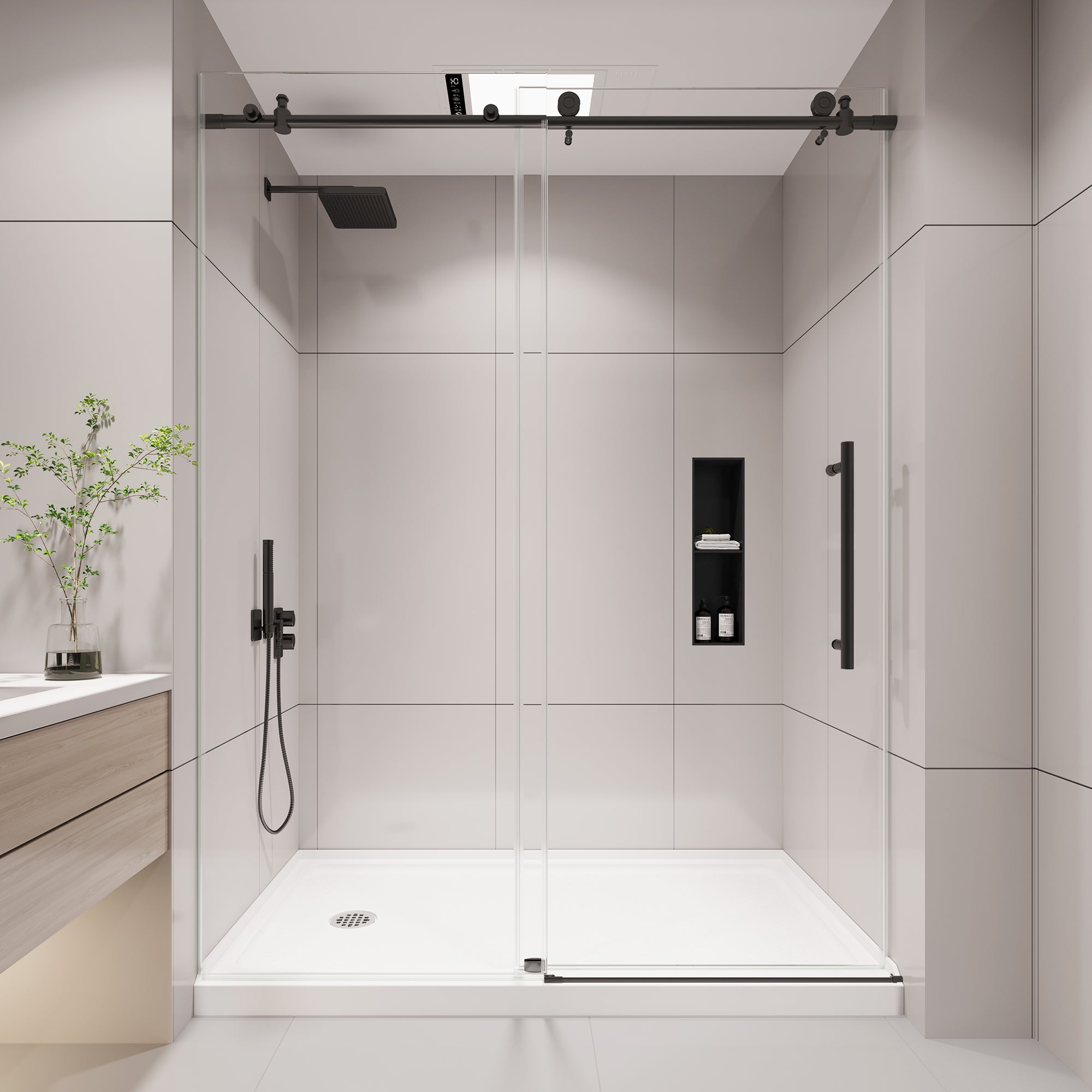
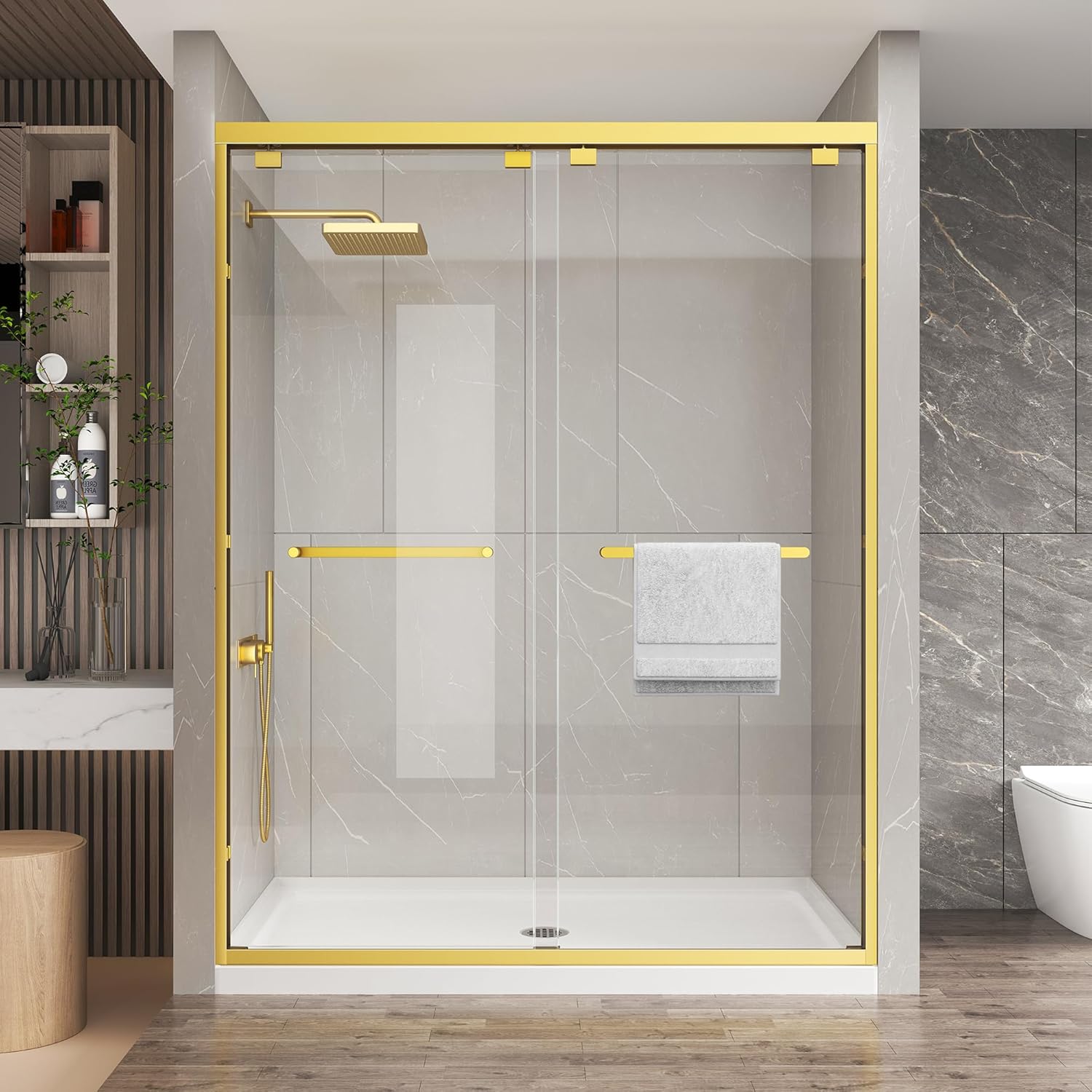
Frameless bathtub doors look simple on paper, but the real question is whether they solve the problems in your bathroom: splash control, access, cleaning, and fit around an older tub surround. In a 2026 remodel, homeowners are also paying closer attention to visual openness and easier upkeep, especially in smaller baths where a bulky curtain rod or framed enclosure can feel dated fast.
The Short Answer
Yes, frameless bathtub doors can be worth it if you want a cleaner look, better splash control than a curtain, and a more open feel around the tub. They are most worthwhile when the tub ledge is level, the walls are close to plumb, and you are willing to measure carefully. If the opening is odd-shaped or the walls are out of square, the added fit work can outweigh the benefit.
Why Homeowners Consider Frameless Tub Doors
A tub shower is one of the hardest-working fixtures in a bathroom. It has to handle daily use, contain water, and still fit a room that often has limited clearance around the vanity, toilet, and doorway. Frameless bathtub doors solve part of that problem by replacing the curtain with glass, which usually makes the room feel more open and easier to clean around the tub edge.
For homeowners comparing options, the appeal is practical as much as visual. A curtain can cling, drip, and collect mildew. A framed door can work well, but the heavier frame and visible tracks can feel busier. A frameless setup usually relies on thicker glass and simpler hardware, which creates a lighter look and fewer places for buildup.
That said, “worth it” depends on the bathroom, not just the style preference. A frameless door makes the most sense when the tub area is already being remodeled, the wall finishes are changing, or the opening needs a custom-fit solution. If the surrounding tile is uneven or the tub rim slopes away from the wall, the install becomes more demanding.
Good candidates for frameless tub doors: standard tub surrounds with accurate finished measurements, updated baths where a cleaner look matters, and households that want better splash control without a full shower enclosure.
Poor candidates: tubs with severely out-of-plumb walls, very narrow ledges, loose tile, or openings that change a lot from top to bottom.
Fit and Measurement Checks Before You Buy
Start with the finished opening, not the old curtain rod or the rough framing. A tub door is judged by the actual tile-to-tile space, the tub deck level, and the wall condition after all finish materials are in place. Older homes often have walls that are not perfectly plumb, and that matters more with frameless glass than with a soft curtain.
Measure the opening at three points: top, middle, and bottom. If the numbers differ, use the smallest finished width as your control dimension and compare it to the product’s adjustment range. Also check the height from the tub rim to the top of the intended glass line, since some tubs sit higher or lower than expected once the surround is finished.
| Planning Check | Why It Matters | What to Look For |
|---|---|---|
| Finished opening width | Determines whether the door lands in its adjustment range | Measure top, middle, and bottom after tile is installed |
| Wall plumb | Frameless glass is less forgiving than a curtain or heavy frame | Check for leaning walls with a level or straightedge |
| Tub rim and deck level | A crooked tub edge can create gaps and sealing issues | Verify that the ledge does not drop noticeably from end to end |
| Hardware clearance | Handles, clips, and hinges need room to operate | Confirm there is space for swing and service access |
| Splash path | Controls whether water stays in the tub zone | Consider showerhead placement and spray angle |
Tile thickness can also change the finished opening. A tub wall that looked generous during demolition may shrink once cement board, waterproofing, tile, and trim are installed. That is one reason remodel measurements should be taken late in the process, after wall build-out is known.
Field note: a tub opening may measure one dimension at the tile edge and a slightly different one at the glass line because the wall finish is not perfectly straight. Frameless systems can still work, but only when the installer has the right adjustment range.
Installation Factors That Matter
Frameless tub doors depend on cleaner geometry than a standard curtain setup. That means wall anchors, solid backing where needed, and a tub rim that can accept sealing without fighting a wavy surface. You do not need a perfect bathroom, but you do need a controlled one.
The biggest installation issue is usually water containment. A bathtub door has to stop spray without trapping water in the wrong place. If the showerhead points directly at the open side, or if the tub filler and shower arm are positioned awkwardly, water can escape past the glass edge. In that case, door style and panel width matter more than the finish.
Another common issue is clearance around nearby fixtures. Even though a tub door does not swing like a full swing shower door, clips, hinges, and handles still need room. A towel bar or nearby vanity side can interfere more than people expect. On tighter layouts, a KPUY Shower Doors style that is sized for tub use is a more practical starting point than trying to adapt a standard shower enclosure idea to a bathtub.
Before installation, confirm these basics:
- Solid wall support where anchors or mounting hardware will fasten.
- Level reference points at the tub rim and top of tile.
- Enough sealed contact at the glass-to-wall and glass-to-tub interface.
- Access for silicone work so the bead can be applied cleanly.
- Room for cleaning along the inner edge without scraping tile or hardware.
For code and safety context, tempered glass and proper mounting matter. Glass used in bath applications should be treated as safety glass appropriate to the installation, and homeowners should verify product details before ordering. For broader bathroom planning and safety principles, the NKBA and CPSC are useful references.
Silicone is not a substitute for good fit. It should finish a well-sized installation, not rescue a door that was ordered to the wrong opening.

Pros and Limitations
Frameless bathtub doors are worth it for many bathrooms, but they are not automatically the right choice. The value comes from the balance between appearance, cleaning, splash control, and how much work the opening needs before installation.
Main advantages:
- Cleaner visual line than a curtain or heavy frame
- Less fabric maintenance and fewer mildew-prone surfaces
- More daylight passes through the bath area
- Often easier to wipe down around the tub edge
- Works well in remodels where the bathroom design is moving toward lighter, more open materials
Main limitations:
- Less forgiving of out-of-plumb walls and uneven tile lines
- Usually requires more exact measurement than a curtain or basic framed setup
- Can still leave splash gaps if the showerhead spray is wide
- Needs regular cleaning to keep glass and hardware clear
- May cost more in labor or custom fitting if the opening is irregular
From a remodeling standpoint, the decision often comes down to whether you are trying to solve a visual problem, a cleaning problem, or a splash problem. If you only want the least expensive way to keep water in the tub, a curtain still works. If you want a tighter, more finished tub surround and you are already improving the tile and fixtures, frameless glass usually makes more sense.
A good rule is this: if the opening needs a lot of correction, spend money on measurement and prep first. If the opening is already close to true, the glass door pays off faster in day-to-day use.
Planning Checklist Before Order Day
Do not order until the room is measured as it will exist after remodeling, not as it looked during demolition. A tub door that fits an unfinished space can end up wrong once tile, cement board, trim, and caulk are added.
- Confirm the tub type and the exact finished surround material.
- Measure width at the top, middle, and bottom of the opening.
- Check whether the walls lean in or out and note the direction.
- Verify the tub rim is level enough for proper sealing.
- Review the showerhead direction and likely spray path.
- Check nearby obstructions such as towel bars, windows, trim, and vanity clearance.
- Confirm the hardware has solid backing or a suitable anchor point.
- Plan silicone joints and cure time before first use.
One jobsite-style issue that comes up often: a bathtub opening can look symmetrical, but the floor may slope slightly, which changes how the bottom edge of the glass meets the tub. That small slope is enough to affect sealing if it is ignored.
Another practical detail is drain and plumbing access below the tub area. Even though the door itself does not connect to the plumbing, remodels often expose other maintenance items at the same time. If the tub is being replaced, it is smart to check supply lines, drain alignment, and wall backing before the finish work closes everything up.
For homeowners coordinating a broader bath remodel, this is also the time to think about adjacent features like lighting, outlets, and storage. A tub area can be sized correctly while the vanity drawer or door clearance is still a problem. In small rooms, those small overlaps matter.

Frequently Asked Questions
Do frameless bathtub doors leak more than curtains?
They can leak if the opening is measured poorly or the showerhead sprays directly at the gap. A properly sized and sealed frameless door usually contains water better than a curtain, but it is still a glass assembly, not a full sealed enclosure. Good placement and careful silicone work matter more than the style alone.
Are frameless tub doors hard to clean?
They are usually easier to wipe than fabric curtains, but glass does show soap film and water spots. A quick squeegee after use helps a lot. The cleaner benefit is that you do not have fabric collecting moisture, so the routine is simpler even if the glass needs regular attention.
Can I install one if my tub walls are not perfectly straight?
Sometimes, yes, but the opening has to stay within the product’s adjustment range. Slight out-of-plumb conditions are common in older homes. If the wall leans too much or the tub rim is uneven, the installation may need extra correction before the glass can be fitted safely and cleanly.
Final Takeaway
Frameless bathtub doors are worth it when you want a cleaner look, better splash control than a curtain, and a more open feel in the room, and your tub opening is measured carefully after finishes are in place. They are less forgiving than framed options, so the real value depends on prep, wall condition, and hardware clearance.
If your tub remodel is moving in that direction, start by reviewing the opening, the wall plumb, and the tub rim, then compare the fit requirements against the right category of bathtub shower doors. That step usually tells you more than any style preference alone.

Leave a comment
All comments are moderated before being published.
This site is protected by hCaptcha and the hCaptcha Privacy Policy and Terms of Service apply.