
Identify the best shower door for your remodel by comparing performance, code compliance, and long-term serviceability. Rely on field-tested rules of thumb from a licensed contractor with 20+ years installing in the US. Expect clear guidance on ANSI Z97.1 safety glass, rough-in dimensions, out-of-plumb wall remedies, and realistic cost ranges for 2026 budgets.


Why Choose One Over the Other
Identify primary objectives: maximize perceived value, minimize long-term maintenance, or hit a strict budget. Prioritize water containment if you have a curb slope less than 1/4" per foot. Prioritize low-visibility hardware if the visual finish is the selling point. Favor replaceability when planning phased remodels.
Design & Construction Differences
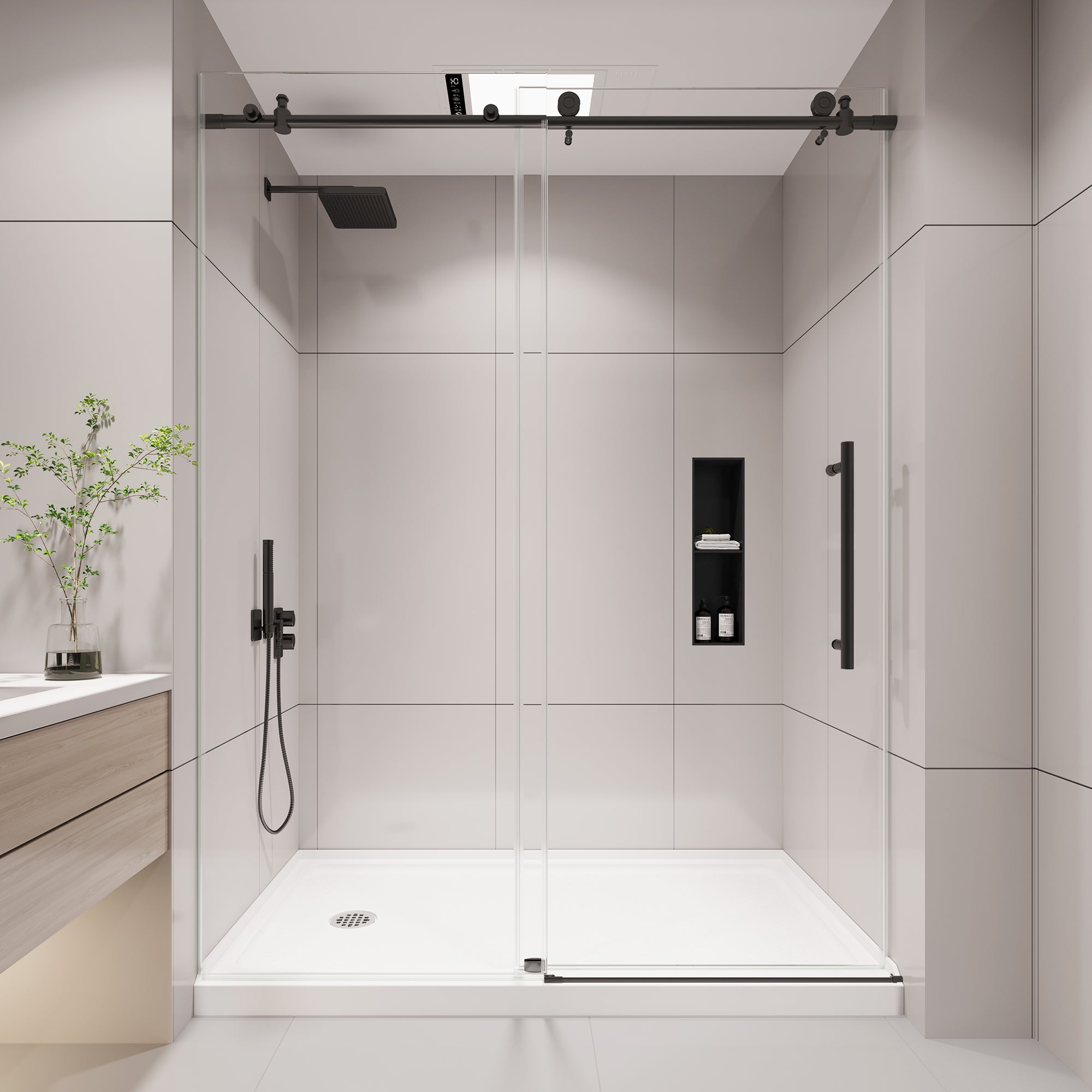
Frameless Shower Doors
- Use full-thickness tempered glass (typically 3/8" or 1/2").
- Rely on minimal metal — hinges and clips only — for a seamless aesthetic.
- Require precise glass fabrication and tighter rough-in dimensions.
- Expose silicone joints and require thicker top/bottom seal strategies.
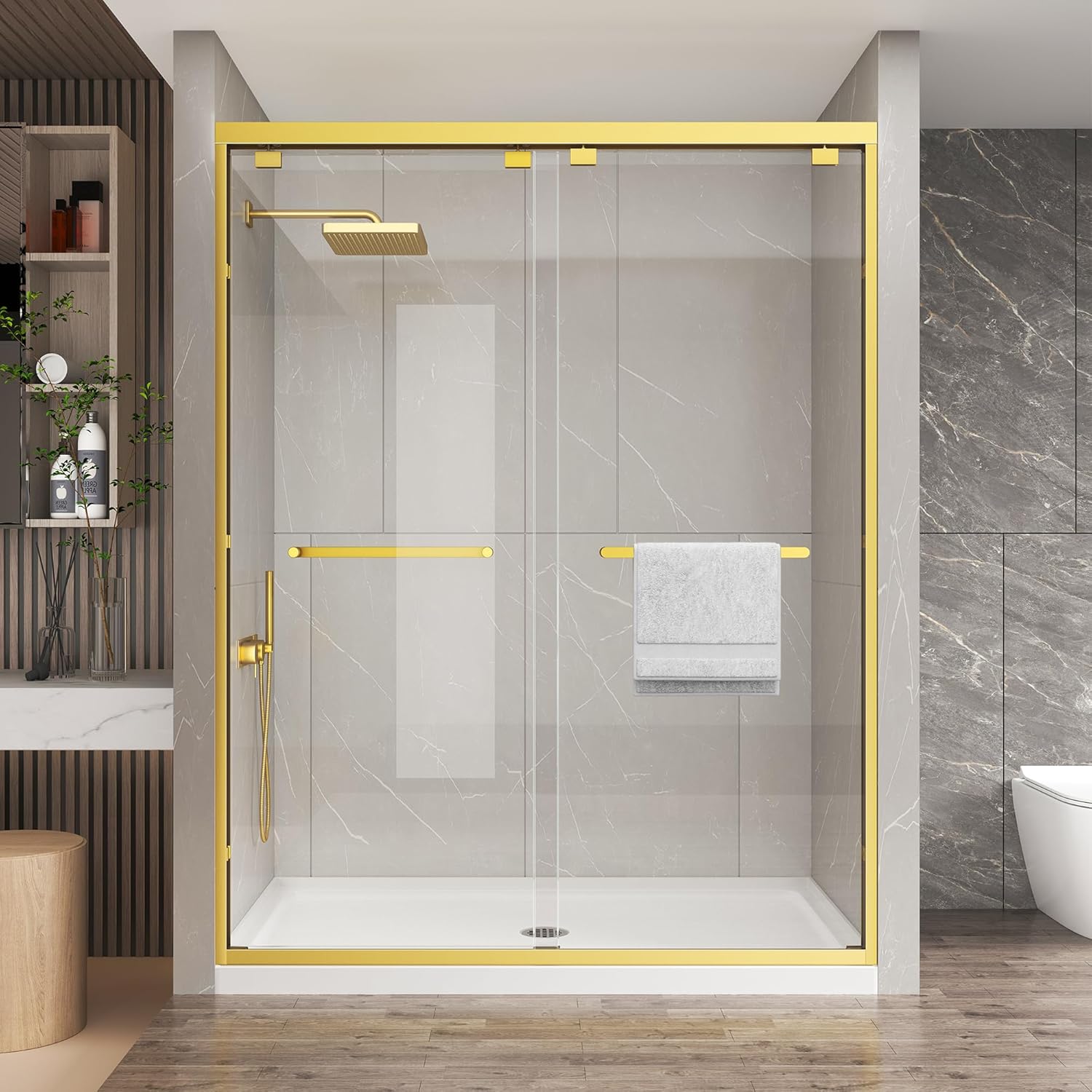
Semi-Frameless Shower Doors
- Use thinner glass panels (often 3/8") with a slim metal frame around fixed panels or doors.
- Provide additional rigidity from channel rails and header extrusions.
- Allow more tolerance for out-of-plumb walls and imperfect tile work.
- Offer easier retrofit options for standard alcoves and tub-shower combinations.

Codes, Safety & Glass Standards
Follow ANSI Z97.1 and local amendments. Verify that all glass is tempered and labeled per the standard; expect inspectors to look for permanent etch or applied label. Verify IPC/UPC plumbing clearances where door swing intersects fixture rough-ins. Use the following checklist before ordering glass:
- Confirm glass thickness and type (tempered laminated if required near wet areas).
- Record rough-in dimensions at three heights—top, mid, bottom—to catch out-of-plumb conditions.
- Measure curb height and slope; ensure door hardware clearances meet manufacturer specs.
- Check that door swing does not violate fixture clearances or egress paths.
Installation Considerations
Tolerances & Out-of-Plumb Walls
Expect up to 3/8" of variation across the jamb in older homes. Shim studs, use packers under channel rails, and call out out-of-plumb conditions in the job packet. Adjust hinge mounting plates to compensate for up to 1/4" misalignment on frameless units; beyond that, choose semi-frameless or custom mullions.
Waterproofing & Seal Strategy
Install continuous backer above curb for silicone adhesion. Use drip rails and magnetic seals where water containment is critical. For frameless doors, specify full-length bottom sweep and high-quality neutral-cure silicone—avoid acetoxy in contact with metal finishes. For semi-frameless doors, rely on channel gaskets plus secondary silicone fillets.
Hardware Finishes & Corrosion
Specify 316 stainless or corrosion-tested finishes in coastal or high-humidity installs. Expect PVD finishes to hold up better on high-touch surfaces; request finish warranties. For existing tile, choose mounting methods that avoid drilling into waterproof membranes; use surface-mount track systems when necessary.
Cost, Maintenance & Longevity
Compare lifecycle costs, not just upfront price. Factor in serviceability for hinge replacement, glass replacement, and seal rework.
- Upfront cost: Frameless > Semi-Frameless in most cases due to thicker glass and custom fittings.
- Maintenance: Semi-frameless often easier—channels hide hard-water deposits and less silicone exposure.
- Longevity: Both types last 10–20 years when installed correctly; glass is inert, but sealants and hardware dictate service cycles.
Best Use Cases & Recommendations
Choose based on site conditions and project goals.
- Frameless: Use in primary bathrooms with true out-of-plumb under 1/4" and high-end aesthetic goals. Pair with custom tile and integrated niches.
- Semi-frameless: Use in secondary baths, rentals, or retrofit projects where wall plumbness varies and budget is constrained.
- For coastal or high-humidity homes: Specify corrosion-resistant hardware and replaceable gaskets.
Consider the product range when specifying. Browse quality options like KPUY Shower Doors for vetted finishes and documented installation guides; use those manufacturer specs to create the job packet and ordering sheets.

Quick Comparison Table
| Feature | Frameless | Semi-Frameless | Recommendation |
|---|---|---|---|
| Glass Thickness | 1/2" or 3/8" (pref 1/2" for heavy doors) | 3/8" common | Use 1/2" where hinge stress is high |
| Visual Minimalism | High | Medium | Choose frameless for high-end look |
| Tolerance for Out-of-Plumb | Low (tight tolerances) | High (channels compensate) | Use semi-frameless for older homes |
| Water Containment | Depends on sweep & seals | Better with channel and header | Use semi-frameless for heavy-splash showers |
| Cost (Materials + Install) | Higher | Lower | Budget dictates choice |
| Serviceability | Moderate (hardware swaps possible) | High (channels and gaskets easier) | Use semi-frameless for rentals |
People Also Ask (FAQ)
How much does it cost to install frameless vs semi-frameless shower doors?
Expect material + labor ranges: frameless installs typically run 25–45% higher than semi-frameless for comparable openings. Price up custom glass, heavy hinges, and on-site templating. Request fixed bids that list glass thickness, hardware SKU, and finish to avoid change orders.
Are frameless shower doors safer than semi-frameless?
Specify ANSI Z97.1 tempered glass for both types. Expect similar impact resistance when glass thickness matches. Prioritize correct hinge torque settings, certified tempered labeling, and proper sweep seals to reduce slip and water hazards. Document inspection steps and include them with the homeowner manual.
Can I install a frameless door on out-of-plumb walls?
Permit up to 1/8" deviation without specialty hardware. Use packers or reveal trims for larger deviations. Recommend semi-frameless or custom channel systems when deviation exceeds 3/8". Perform a three-height measure before ordering glass; note measurements on the purchase order.
Wrap-up & Where to Buy
Decide by prioritizing three variables: aesthetic priority, site tolerance, and lifecycle cost. Specify ANSI Z97.1 tempered glass and document rough-in dimensions before ordering. Protect your install with neutral-cure silicones, replaceable gaskets, and corrosion-rated hardware.
Shop one vetted collection for detailed specs and hardware options: KPUY Shower Doors. Use manufacturer installation guides as part of your job packet and confirm finish warranties when scheduling installation.
Final Contractor Notes
- Record site conditions with photos and three-height measurements before ordering glass.
- File manufacturer cut sheets, SKU numbers, and finish codes in the project folder.
- Plan for a 24–48 hour cure window for silicone and a final inspection checklist for the homeowner.
Contact a licensed installer if scope exceeds your skill set; replace seals every 7–10 years or sooner in hard-water climates.

Leave a comment
All comments are moderated before being published.
This site is protected by hCaptcha and the hCaptcha Privacy Policy and Terms of Service apply.