
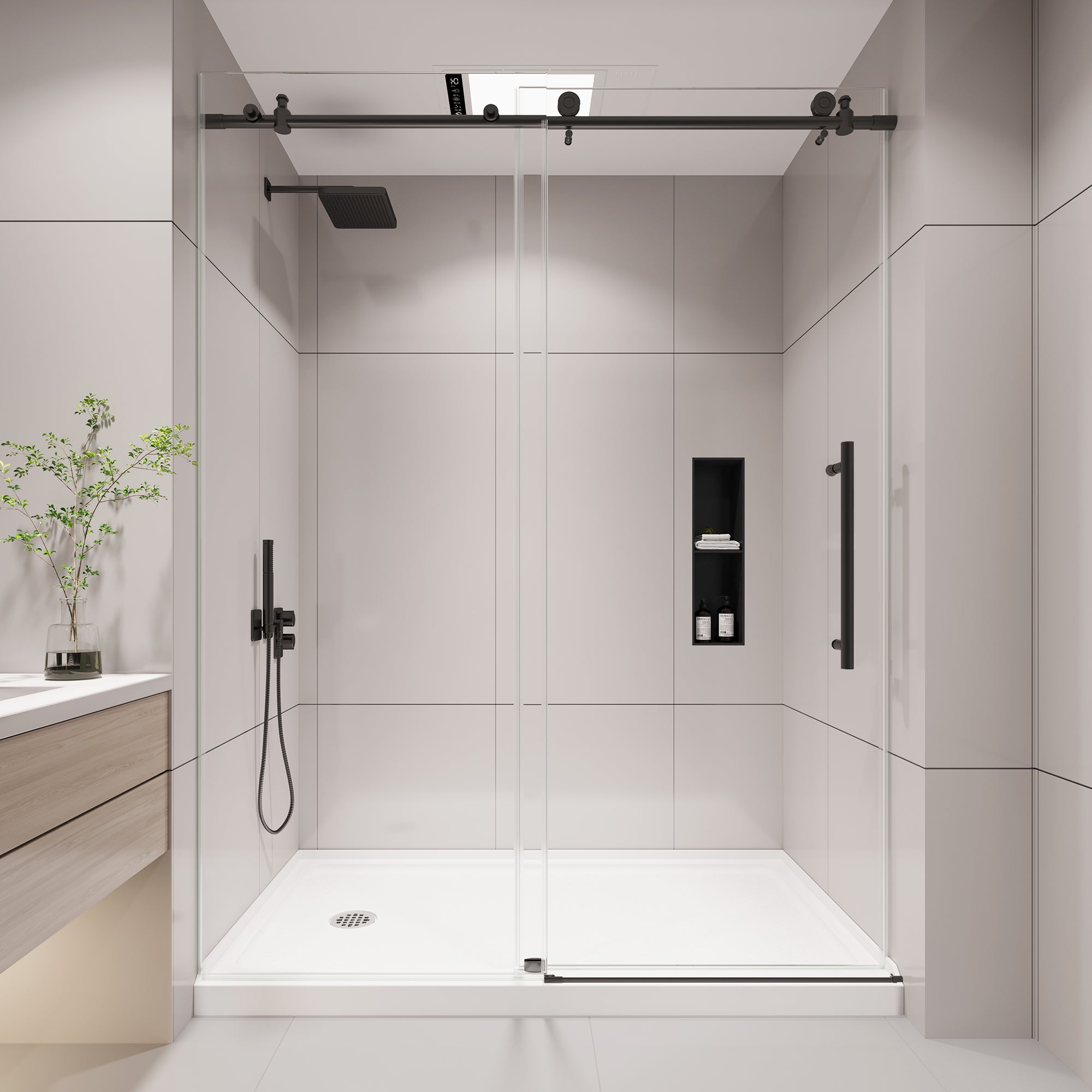
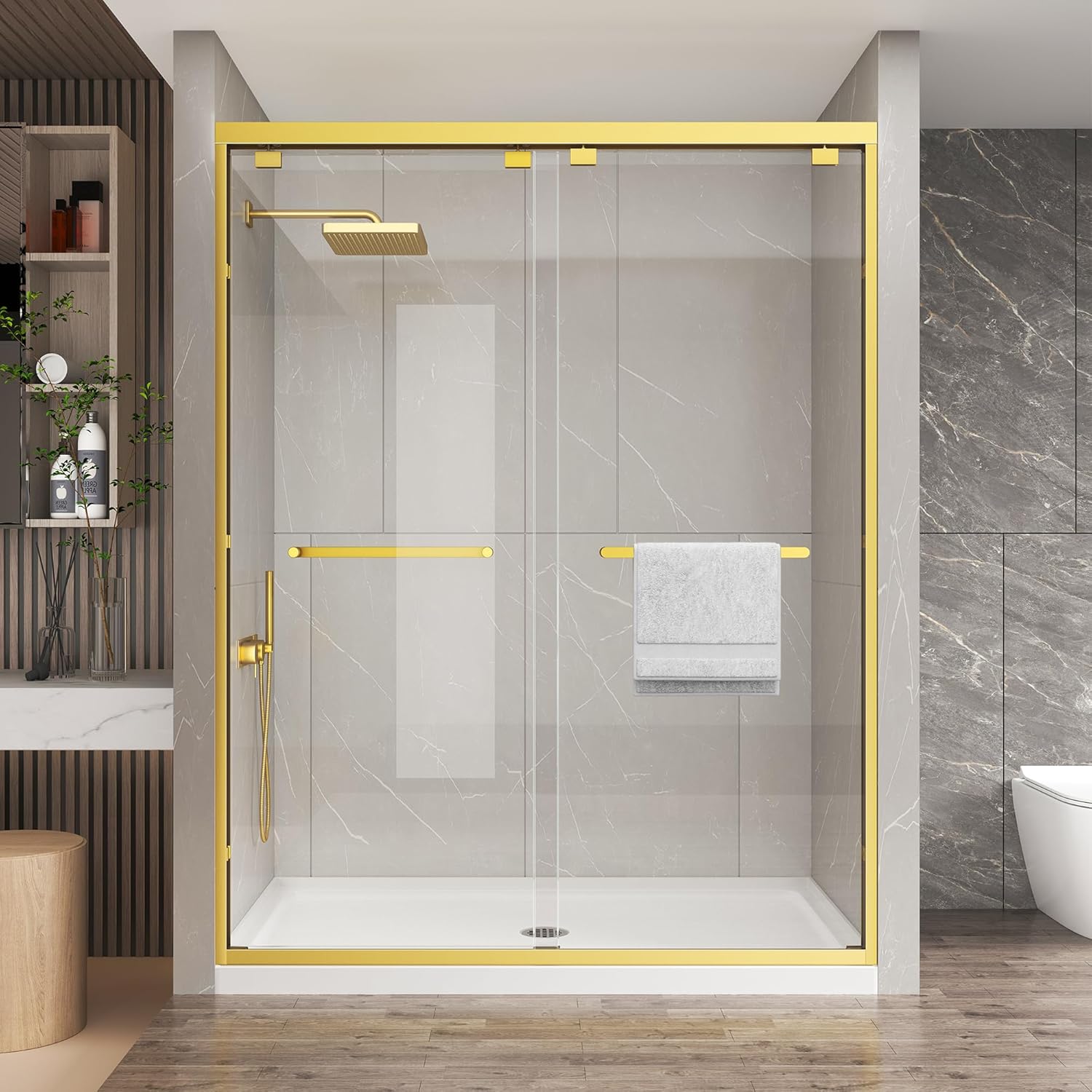
When a shower is dripping onto the bathroom floor, it’s not just messy—it's a long-term risk to your finishes and subfloor. As a contractor with 20+ years remodeling and hands-on shower installs, I see the same homeowner problem: the layout is chosen for looks or budget, not splash control. In 2026 the trend is toward clean, full-height glazing and minimal thresholds, but if your number-one goal is keeping water inside the shower, layout and details matter more than whether the glass is frameless or framed.
Quick Answer (Featured Snippet)
The best shower door layout for superior splash control is a full-height fixed glass panel paired with a door that either overlaps the panel (inward or outward swing) or slides past it, combined with a properly sloped curb and a drip/sweep at the bottom. For most typical alcove or quadrant showers, a fixed return panel plus a hinged door that closes against a vertical gasket gives the best balance between splash control and access.
Key Factors That Affect Splash Control
Before picking a layout, understand these on-site realities that determine how well any door contains water:
- Water direction and spray pattern: High-pressure handhelds and body sprays create wide spray angles that expose weak spots in a shower opening.
- Curb slope and height: A curb that’s too low or flat will let flow run out. Aim for a minimum slope of 1/8" per foot toward the drain and a curb height that matches your local code and user needs.
- Out-of-plumb walls: Old homes often have walls out-of-plumb by 1/2" to 3/4" over 6 feet—this affects door alignment and gasket compression.
- Rough-in dimensions: Clearances around the jamb and finished tile depth control where the door sits and whether seals can compress correctly.
- Installation tolerances: Expect a glass-to-frame tolerance of about 1/8"–1/4" for frameless installations; pre-measure and order glass with site allowances.
Shower Door Layout Options
Fixed Panel + Hinged Door (Best Overall for Splash Control)
This is my go-to when splash control is the priority. A full-height fixed panel creates a solid barrier; the hinged door closes against that return. Key benefits:
- Minimal gaps when installed with a vertical seal and bottom sweep.
- Works well with modern curbless entries if the curb and floor slope are correct.
- Easy to refurbish seals without changing glass.
Sliding Doors (Good for Tight Bathrooms)
Sliding doors keep water contained when tracks are properly sealed and the meeting stiles overlap. Their downside: tracks can collect water and grout, and high spray that hits the top can pass through if you have low headroom.
Neo-Angle or Corner Doors (Space-Saving but Watch Splash)
Corner layouts are great for small baths, but the angled seams and multiple glass joins create more places for water to escape unless you use overlapping stiles and quality seals.
Frameless vs Semi-Framed Considerations
Frameless glass looks clean and is common in 2026 projects. For splash control, the glass thickness and door hardware matter more than frame style. I typically use 3/8" tempered for hinged doors and 1/2" where I can afford it on heavy fixed panels.
For product choices, I often recommend checking out quality suppliers like KPUY Shower Doors for a range of overlap and sweep options that suit tight or sprawling shower footprints.

Real Job-site Takeaway: Old House with Out-of-Plumb Walls
Last year I replaced a shower in a 1930s bungalow. The tile walls were out-of-plumb almost 3/4" over 6 feet. The homeowner wanted frameless glass. We measured the final tile face, then ordered glass with a 1/4" field adjustment per side. Rather than force a tight framed jamb that would bind, I installed a full-height fixed return and a hinge that allows 3/16" lateral tolerance. That extra planning stopped leaks at the base and avoided a failed seal within two seasons. Real jobs need allowances like that—rigid shop measurements rarely match site reality.
Installation Tolerances & Practical Tips
- Measure twice, measure after tile: Final glass measurements should be taken after all tile and grout are complete. Allow at least 1/8" per side for out-of-plumb adjustments.
- Set the curb right: Slope the curb to the drain. For curbless entries, install a recessed drain or linear trench and slope the substrate carefully to avoid sheet flow out of the shower.
- Use drip rails and bottom sweeps: A small drip groove or drip rail on the outside edge of the threshold can divert water back into the shower.
- Seal vertically: Install vertical magnetic or compression seals on the door meeting stile when possible; they outperform plain vinyl edge sweeps on heavy spray.
- Plan for movement: Wood framing moves, tile can settle. Use flexible gaskets where glass meets the wall and avoid hard-point screwing that transfers load to glass.
Materials, Glass & Threshold Specs
Here are practical specs I use and why:
- Tempered glass thickness: 3/8" (10 mm) is a good baseline for hinged doors; 1/2" (12 mm) is better for large fixed panels and higher-end installs.
- Seals and sweeps: Vinyl bottom sweeps and magnetic seals should be replaced every 3–5 years in high-use homes.
- Threshold height: A 2" curb is common, but for accessibility consider a ramped curb or linear drain with a tiled slope—this requires precise waterproofing.
- Hardware tolerance: Hinges often have +/- 3/16" lateral adjustment. Make sure the hinge spec matches the glass thickness and door weight.
When using tempered glass, confirm it meets safety requirements and local codes. For more on kitchen and bath design standards, the National Kitchen & Bath Association provides solid guidelines: NKBA. For building code and structural guidance reference the International Code Council: ICC.

Quick Comparison Table
| Layout | Splash Control | Ease of Access | Common Issues |
|---|---|---|---|
| Fixed Panel + Hinged Door | High | Good | Needs good hinge alignment; tolerances matter |
| Sliding Doors | Medium to High | Good (narrow swing impact) | Track maintenance; top splash with low headroom |
| Neo-angle Corner | Medium | Space saving | Multiple seals; higher risk of leaks if not detailed |
| Curbless Open Wet Room | Low to Medium | Excellent | Requires perfect slope; more risk for splash without glass |
Decision Checklist (Step-by-step)
- Survey the spray source and user behavior (handheld, rainhead, kids).
- Measure the final tile face and note out-of-plumb amount.
- Decide on threshold—curb or curbless—and verify drain slope capability.
- Choose a layout that gives a return panel or overlap at the shower opening.
- Select glass thickness and hardware with the proper adjustment range.
- Plan for seals, bottom sweep and a drip detail; order parts that can be swapped easily later.
Frequently Asked Questions
What shower layout prevents the most water from escaping?
Answer: A full-height fixed return panel with a hinged door that closes against a vertical gasket and bottom sweep usually prevents the most water from escaping. That layout creates continuous vertical coverage at the opening and lets you add seals and drip details to the threshold.
Can a sliding door keep water out as well as a hinged door?
Yes, if the sliding system has overlapping stiles and the track is properly flashed and sloped to the interior. Sliding doors are excellent for small bathrooms, but expect the track to need occasional cleaning and sealing to perform like a hinged door.
Is frameless glass a poor choice for splash control?
No—frameless can be excellent for splash control when glass is sized correctly, hardware allows for adjustment, and vertical seals/bottom sweeps are included. The difference is in the detailing, not the style.
Closing & Next Steps
If your priority is splash containment, pick a layout that gives you a return panel or overlapping meeting stile, specify proper glass thickness and seals, and pay attention to curb slope and out-of-plumb conditions on site. For product options and hardware that fit these practical needs, browse trusted suppliers like KPUY Shower Doors to compare hinge types, sweeps, and return panels designed for tight tolerances.
Final contractor note: Don’t let a showroom spec dictate your layout—measure the finished tile, plan for adjustment, and prioritize details that move water back toward the drain.

Dejar un comentario
Todos los comentarios se revisan antes de su publicación.
Este sitio está protegido por hCaptcha y se aplican la Política de privacidad de hCaptcha y los Términos del servicio.