
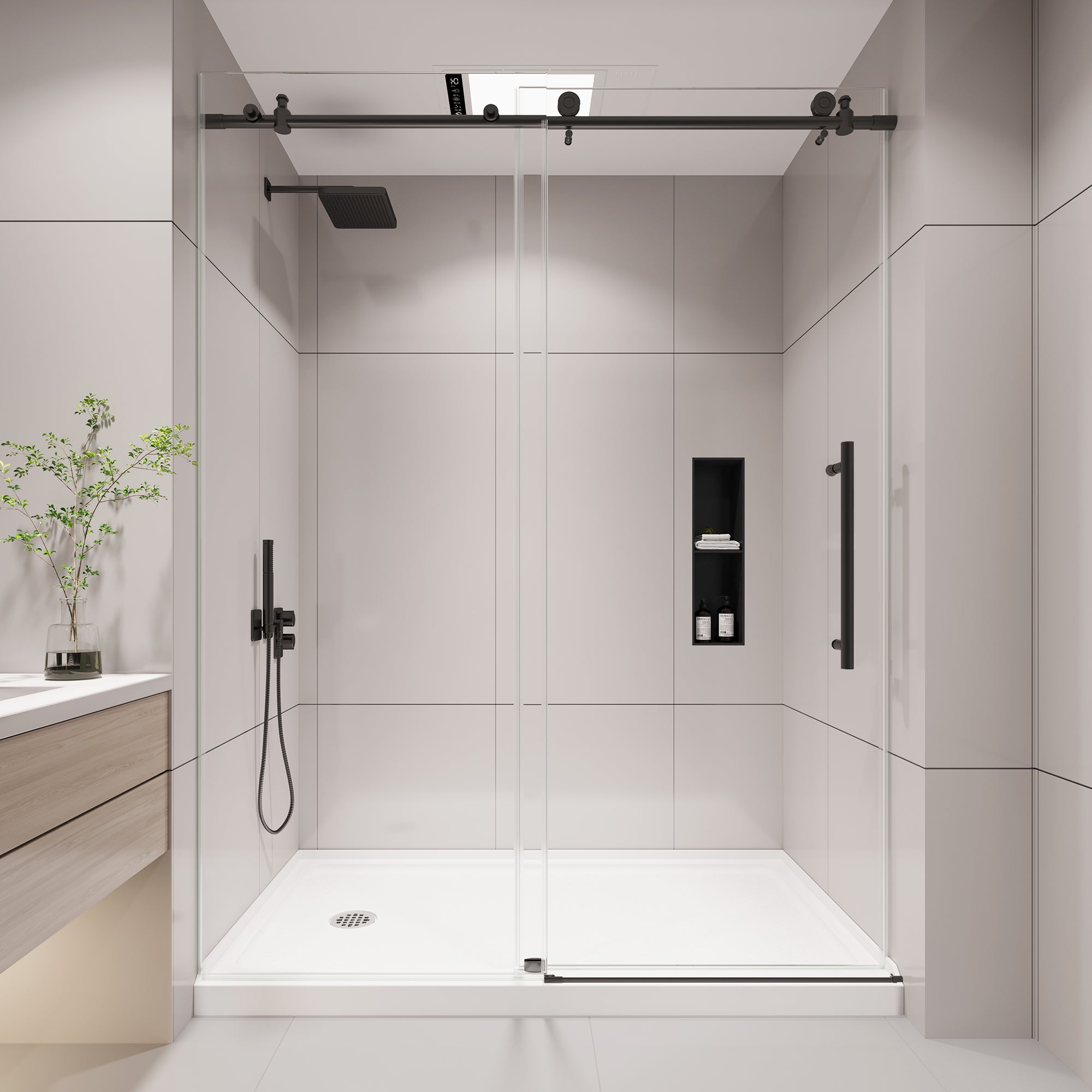
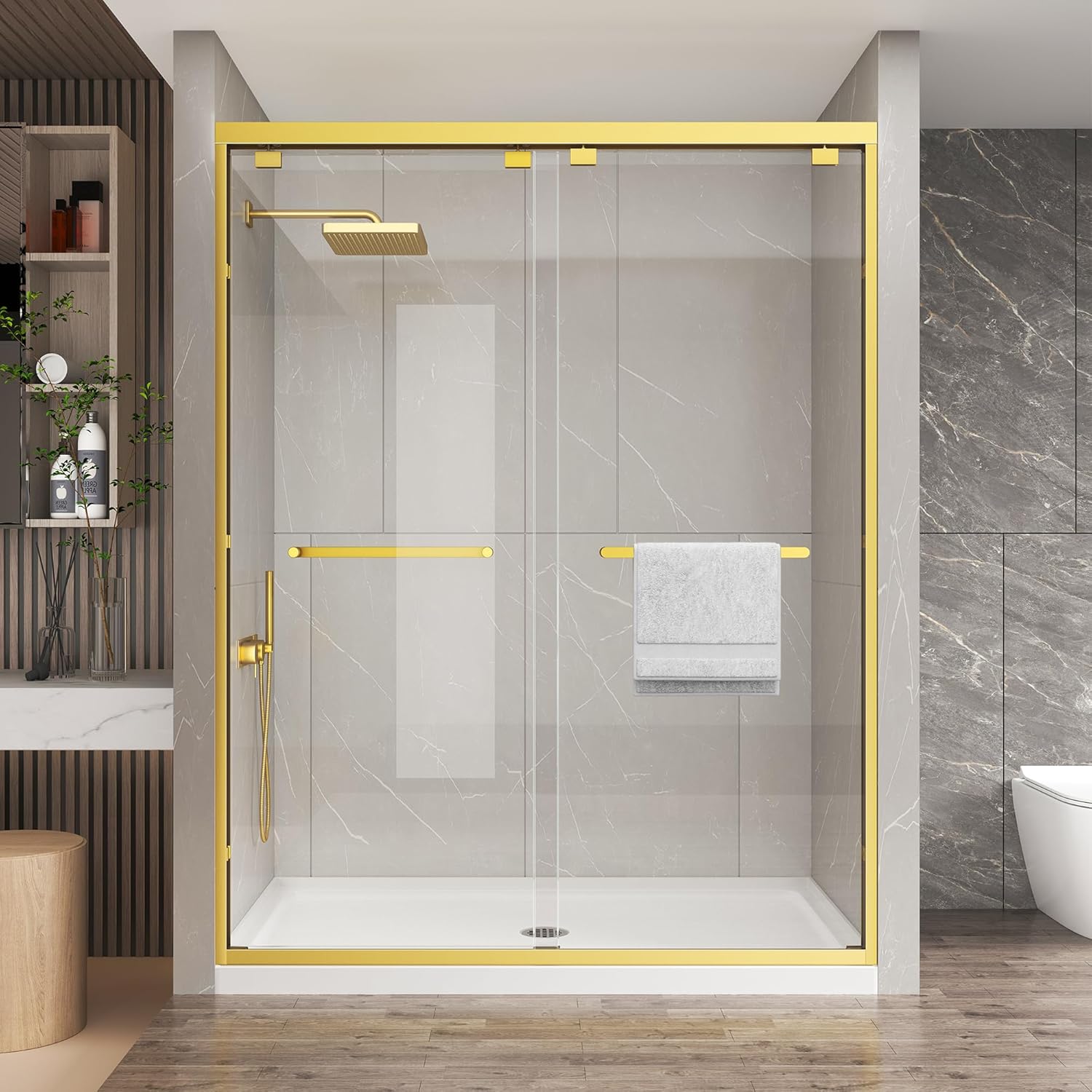
If you're planning a bathroom remodel that keeps a shower over the tub, the biggest decisions you make up front will determine how well the space functions and how long the finished job stays leak-free. In 2026 I still see the same recurring problems on job sites: homeowners want a clean, modern look and tighter shower glass, but existing layouts—out-of-plumb walls, limited rough-in clearances, and older tub flanges—often force compromises. My advice comes from 20+ years installing tubs, shower doors, and tempered glass systems across a wide range of homes. I'll walk you through the bathtub layouts that work best when a shower sits above the tub, the installation tolerances you need to plan for, and the practical trade-offs that matter on real jobs.
Quick Answer: Which bathtub layout works best?
For most remodels where a shower sits above the tub, a 3-wall alcove tub with either a sliding or partial frameless glass door is the best balance of water containment, cost, and ease of installation. It fits standard rough-ins, keeps the shower head within a predictable spray pattern, and minimizes custom glass work. If space or style requires, a corner alcove with curved or folding glass can work, but expect higher glass costs and more site-templating.
Why the short answer? Because it addresses the primary homeowner concerns: effective water containment, manageable installation tolerances for out-of-plumb conditions, and compliance with tempered glass safety rules such as ANSI Z97.1.

Layout Options and When to Use Them
Below are the layouts I install most often when a shower is over the tub. I’ll note the practical pros and cons, typical glass choices, and when I recommend each layout based on site conditions.
- 3-wall alcove tub (straight) — Most common. Tub sits between three walls; shower head on one end. Best for standard 60" x 30" tubs. Glass options: sliding doors, single fixed panel + curtain, or partial frameless panel.
- Corner alcove / triangular tub — Good for odd-shaped rooms or to save floor space. Requires curved glass or multi-panel folding doors; more templating and higher glass cost.
- Freestanding tub with shower above — Rare and complicated. Needs a full surround or custom ceiling-mounted shower fixtures; not recommended unless you plan major structural changes and waterproofing.
- Drop-in tub in a framed surround — Offers a clean deck but often forces a taller curb and custom surround panels. Works with sliding or hinged glass if you build a backer for the glass tracks.
When to choose the alcove tub
Choose a 3-wall alcove when you have a standard rough-in and want straightforward waterproofing. It keeps the water inside the cavity, and sliding doors or a fixed partial panel are the easiest glass installs when walls are out-of-plumb by up to 1/2".
When to choose corner layouts
Corner tubs look great in larger baths or when the room footprint prevents a straight alcove. Expect to pay more for curved tempered glass and allow for 1/4"–3/8" of templating clearance for out-of-plumb walls.

Construction & Code Details Contractors Watch
Here are the technical points that actually determine success on the jobsite.
- Rough-in dimensions: Verify tub apron to finished wall distance, shower arm location, and valve rough-in height. Many tubs require the shower valve at 38"–48" above the tub deck. Measure before ordering glass.
- Out-of-plumb walls: On older homes I regularly see walls out-of-plumb 1/2"–1". That affects glass panel gaps and hinge clearances. Leave a minimum 1/8"–3/16" allowance per side when templating; for extreme cases plan for adjustable hardware.
- Curb slope and threshold: A properly sloped curb (1/8" per inch recommended toward the pan) reduces drip and splash but must align with glass door bottoms—allow 1/4" for seal compression.
- Tempered glass thickness: For tub-shower glass installed as a frame-less or semi-frameless panel, I recommend a minimum of 3/8" (10 mm) tempered glass for durability and lower flex. 1/4" (6 mm) is acceptable for framed sliding doors, but check hardware spec sheets and ANSI Z97.1 compliance.
- Drain and overflow alignment: When swapping tubs, confirm that the new tub's drain matches the existing rough-in or be prepared to relocate the trap—this is often an unseen cost.
- Codes and valves: Anti-scald pressure-balanced or thermostatic mixing valves are often required by local code; consult your local authority. Refer to the NKBA for design best practices and to IAPMO/UPC for plumbing code details.
Useful references: NKBA design guidance and IAPMO/UPC plumbing standards.
Field-Proven Installation Tips
These are practical items I use on every tub-shower job to reduce callbacks.
- Template late: Always template for glass after tile is set but before final grout. Tile thickness and movement can change the fit by 1/8" to 3/16".
- Shim for plumb: If walls are out-of-plumb more than 1/2", install blocking and use shims behind glass channels or hinges to maintain even gaps and prevent binding.
- Use block backups: Back up fasteners for bench seats, grab bars, and heavy glass hardware with 3/4" plywood or blocking to avoid drywall pull-through.
- Seal at the flange: When a tub flange is under the wall tile, use 100% silicone to seal the tub-to-tile joint and install a continuous water-resistive barrier behind the tile—don’t rely solely on the tub flange.
- Glass gap strategy: For frameless panels, plan a 3/8"–1/2" gap at the bottom for water and tile tolerances, and 1/8" on the sides for out-of-plumb walls. Hardware that allows ±3/16" adjustment will save you time.
On one recent remodel in a 1920s bungalow, the walls were 7/8" out-of-plumb across the long run. We templated the fixed glass after two mock tiles were set and used a continuous hinge with adjustable anchors. If we’d ordered standard-sized glass, it would have leaked and rubbed on the tile edge. These are the real-world surprises you only find after demolition.
Layout Comparison Table
| Layout | Space Needed | Glass Options | Best For | Common Jobsite Issues |
|---|---|---|---|---|
| 3-wall alcove | Standard 60" x 30" | Sliding door, fixed panel, curtain | Most remodels; straightforward waterproofing | Out-of-plumb walls, track alignment, tub flange seal |
| Corner tub | Smaller footprint; more depth | Curved glass, folding panels | Space-saving or design feature | Complex templating, higher glass cost |
| Freestanding tub + shower | Large area, custom surround | Full-height panels, ceiling-mounted fixtures | High-end custom bathrooms | Waterproofing complexity, structural changes |
Frequently Asked Questions
Can I install a frameless glass door over a tub safely?
Yes—provided you use the right glass thickness (I prefer 3/8"), anchor into blocking, and allow proper clearances for out-of-plumb walls. Check hardware specs and ANSI Z97.1 tempered glass requirements. If walls are badly out of true, a framed slider may be a better option to control water.
What's the best way to handle out-of-plumb walls when installing shower glass?
Plan for adjustable hardware and leave templating until after tile. Use shims and solid blocking behind channels or hinges. Typical allowance is 1/8"–3/16" per side; if you exceed 1/2" of deviation, consider rebuilding the return wall or switch to a framed system.
Do I need a shower pan if I keep a tub?
No. If you're keeping the tub, the tub itself serves as the shower pan. If you're replacing the tub with a shower base, use a prefabricated shower pan sized to your rough-in or a custom mortar bed and waterproofing system. For replacement pans see Shower Bases for common prebuilt options.
Wrap-up & Next Steps
To summarize: for a shower over the tub, a standard 3-wall alcove with a sliding door or a partial frameless panel gives the best mix of performance, cost, and tolerance for out-of-plumb conditions. When you plan the job, verify rough-in dimensions, allow for glass templating after tile, and specify tempered glass thickness and adjustable hardware to handle site variation.
If you're considering a frameless or semi-frameless solution, take measurements after tile, insist on blocking, and ask your glass templater about the clearance they require. For product options I commonly use on jobs like these, check out the KPUY Shower Doors collection to see the hardware and glass profiles I recommend.

Questions about a specific layout or your rough-in? Provide your tub dimensions and a photo of the alcove and I’ll give targeted guidance based on what I would do on-site.

Dejar un comentario
Todos los comentarios se revisan antes de su publicación.
Este sitio está protegido por hCaptcha y se aplican la Política de privacidad de hCaptcha y los Términos del servicio.