
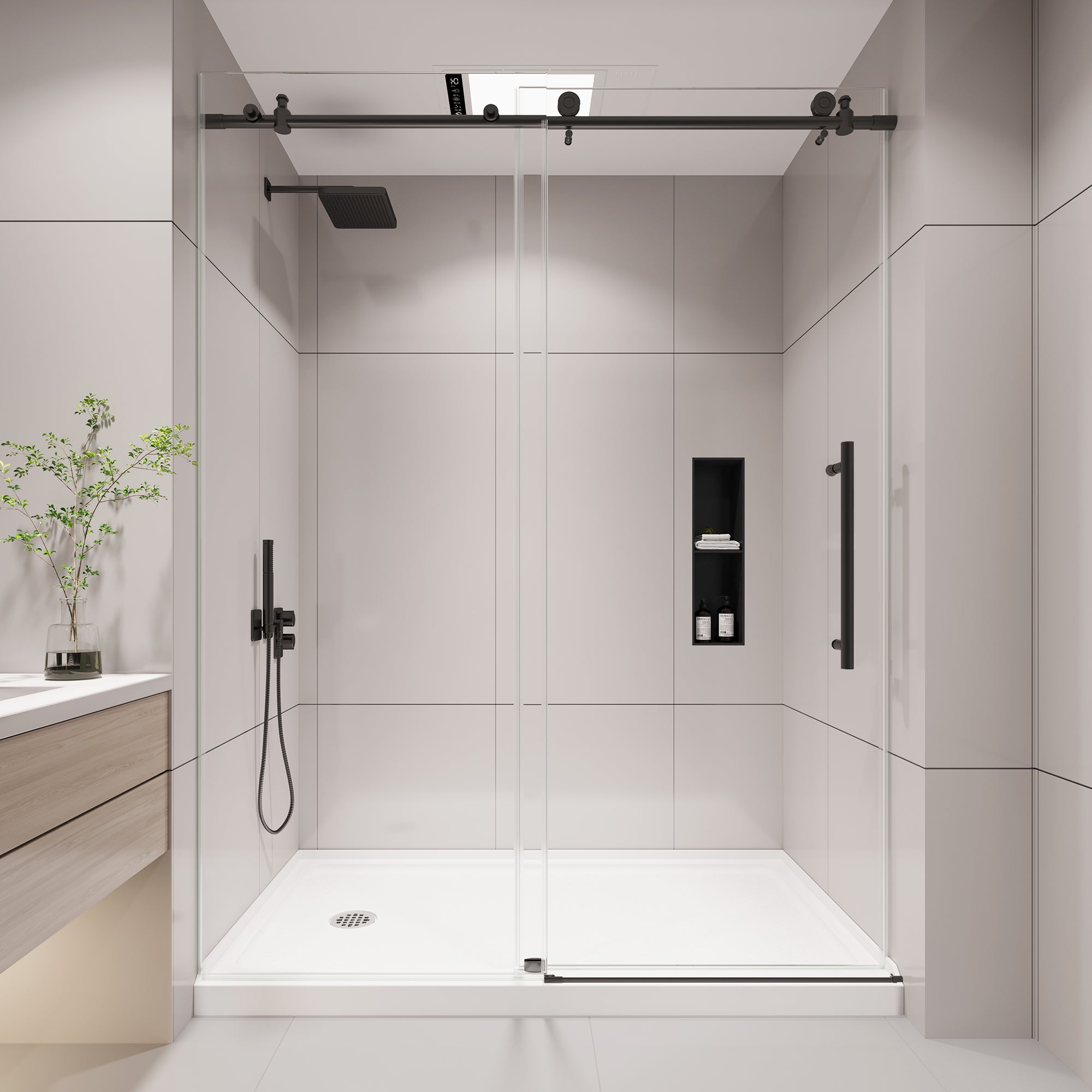
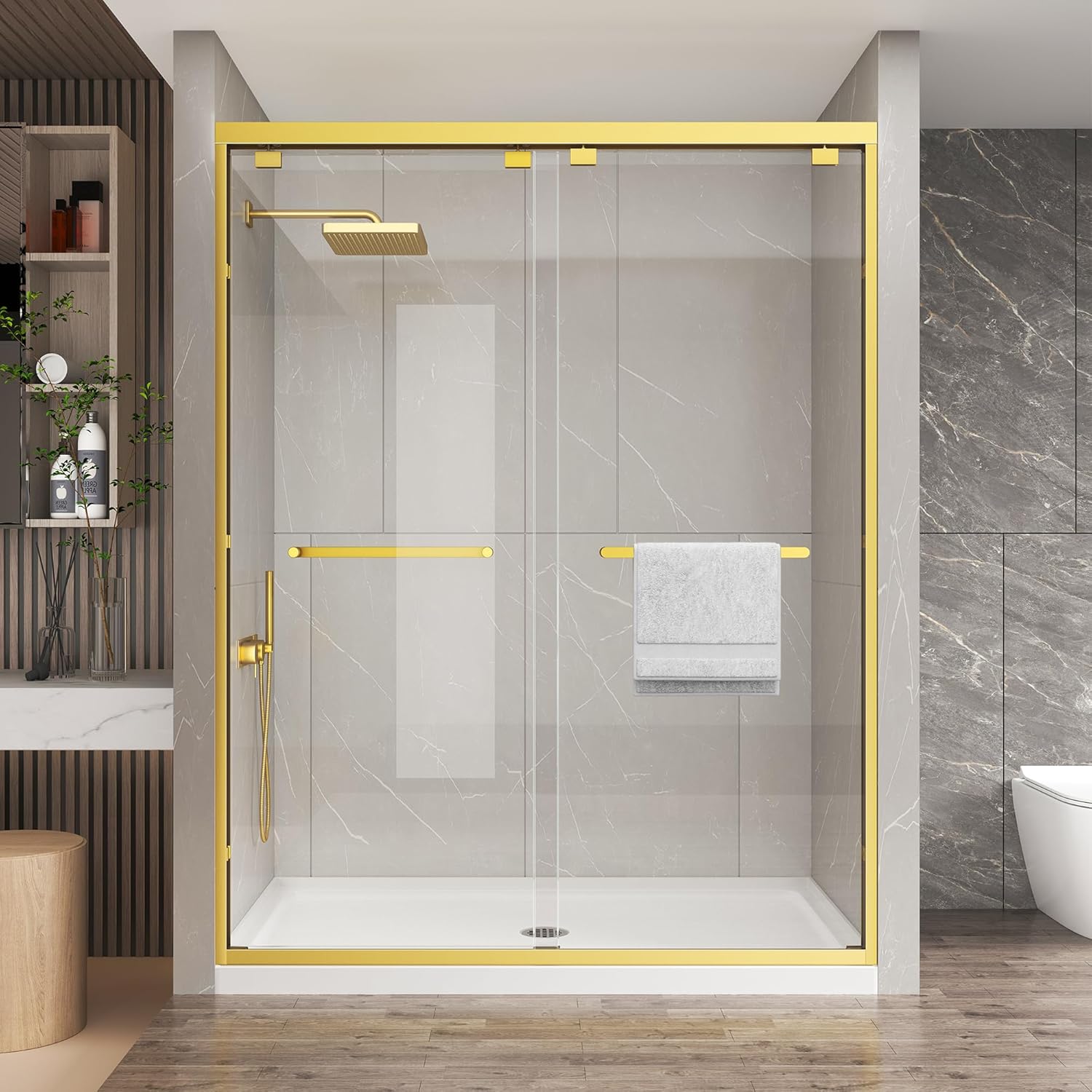
When a bathroom leaves you little room to pivot, the shower base layout becomes the limiting factor for a functional remodel. After 20+ years on remodel sites—from subway-tile walk-ins to tight upstairs baths—I’ve learned the layouts that preserve usable space, meet code, and avoid arguments about door swings. This article walks through the practical choices for bathrooms with limited turning space, explains what works in real jobs, and gives a quick, direct answer you can act on during planning or when talking to your contractor.
Quick answer
If you have limited turning space, a neo-angle or quadrant corner shower base with a sliding or bi-fold door is usually the best option. These layouts reduce door swing, expose enough entry area for comfortable access, and work well with off-center plumbing. For totally flat-floor curbless options consider a linear drain and a corner entry wet-room layout—but expect higher finish and waterproofing precision.
Why turning space matters
Homeowners often focus on the shower itself and forget the approach and door swing. A shower door needs clearance in front of the opening: a typical hinged glass door requires roughly 26"–30" of unobstructed space to swing without hitting cabinetry or a toilet. Sliding doors remove swing but require wall space for the track and more careful waterproofing at the jambs.
Local code and common-sense ergonomics drive these clearances. ADA and NKBA guidelines can inform accessible layouts if you’re targeting broad usability—see the NKBA for planning guidance and recommended clearances (NKBA).
Best shower base layouts
Below I break down the practical layouts I pick when square footage is tight. Each has trade-offs in footprint, plumbing placement, glass type, and installation tolerance.
Neo-angle (corner) shower base
Why I use it: The neo-angle cuts the required turning radius by tucking the door into the corner at an angle. It’s a contractor favorite when the bath is narrow but corner plumbing allows a compact footprint.
- Door types: Pivot or sliding. Sliding is best when the toilet or vanity sits close to the opening.
- Tempered glass: Use 3/8" (10mm) or 1/2" (12mm) tempered glass that meets ANSI Z97.1 for safety. Thicker glass increases cost and hinge hardware loads.
- Plumbing: Works with center or offset drains; check trap arm slope when installing off-center drains.

Quadrant (curved front) shower base
Quadrant bases offer the same corner benefit with a curved front that softens the visual bulk. They’re great in condos and small primary baths where a full rectangular base would dominate the floor.
- Advantage: Reduced footprint, softer profile, easier to access than small rectangular stalls.
- Consideration: Curved thresholds can complicate curb construction and tile returns; prefabricated pans simplify installs.
Alcove rectangular base (narrow depth)
If your space is a long narrow room, a shallower rectangular base (30"–32" depth by 48" length or similar) can work. To keep turning clearance, pair it with a sliding door or a short glass return and a pocket door to the bathroom if plumbing allows.
Corner entry wet-room / curbless corner
When homeowners want a modern look and the site allows, a corner entry curbless wet-room with a linear drain is an excellent option. Expect a higher price and tighter tolerances: the floor slope must be correct (standard is 1/4" per foot toward the drain), the waterproofing has to be flawless, and exit flooring must be non-slip.

Layout comparison table
| Layout | Typical Footprint | Door Type | Turning Space Needed | Best When |
|---|---|---|---|---|
| Neo-angle corner | 34"–36" each side | Pivot or sliding | ~24"–28" | Small corner baths, limited swing room |
| Quadrant | 32"–36" radius | Sliding | ~22"–26" | Condominiums, softened profile |
| Narrow alcove | 30"–32" depth x 48"+ length | Sliding / Pocket | ~28"–32" | Long thin bathrooms |
| Corner curbless | Variable | Open / short glass return | Minimal if designed well | High-end remodels, barrier-free access |
Jobsite realities and why plans change
On paper everything can fit. On the jobsite, walls are out-of-plumb, old studs have sags, and the drain stub often sits a couple of inches out from the planned spot. Here are the practical things I always check:
- Measure the finished wall plane and check for out-of-plumb conditions. On older homes I regularly see 1/2"–3/4" out-of-plumb across a 7' wall—this affects glass jambs and base fit.
- Confirm the rough-in drain location. If the drain is off by more than 2" you either reconfigure the subfloor or use a prefabricated base with an offset drain. Don’t assume center drain without measuring.
- Verify floor framing and deflection. Tight neo-angle and quadrant installations don’t tolerate bounce; reinforcing the subfloor may be necessary.
- Account for tile or pan thickness. A tile-thin-set system vs. a preformed pan changes the curb and door threshold height.
Real example from a 1930s remodel: we planned a 36" neo-angle, measured twice, and found the shower wall was 5/8" out-of-plumb over 6'. We shimmed the backer and adjusted the glass jamb by trimming 3/8" off the stud face, then used a 3/8" tempered glass panel to keep the hinge loads predictable. It added a day of work but avoided a glass re-order and kept the project on budget.
Design & installation checklist (practical)
Follow this checklist during planning and contractor conversations. It’s the sequence I use to avoid surprises.
- Measure finished clearances with drywall or finished substrate in place, not just framing.
- Decide door type first: sliding/bi-pass, pivot, or bi-fold—door choice determines clearance needs.
- Choose the base: prefabricated pans simplify offset drain issues; custom curbless requires a qualified tiler and waterproofing.
- Confirm glass specs—tempered, ANSI Z97.1 compliant, typically 3/8" or 1/2" thickness for frameless installations.
- Set drain and floor slope to 1/4" per foot to drain unless the manufacturer calls for something different.
- Account for installation tolerances: plan for +/- 1/8" when cutting glass and 1/4" on substrate for shimming.
- Mock up the door swing with cardboard and tape to verify clearance before ordering glass.
For prefabricated options and pans that simplify tight installs, check the available sizes and offset drains at Shower Bases.
Frequently asked questions
How much clearance does a shower door need?
A typical hinged door needs roughly 26"–30" of clear space in front of the opening. Sliding doors remove swing clearance but require track wall space and careful jamb waterproofing. Mock up the swing line in the finished room before finalizing the door.
Can I install a curbless shower in a small bathroom?
Yes, if the floor can be regraded to slope properly toward a linear drain and you accept the precise waterproofing work required. Curbless works best when the entry is at a corner or when adjacent finishes can tolerate occasional splash; it’s not ideal if the bathroom door opens directly into the shower approach unless you plan a partition.
What tempered glass thickness should I choose for tight installations?
For frameless applications in small bathrooms 3/8" (10mm) tempered glass is commonly used; 1/2" (12mm) is stiffer but heavier and needs beefier fittings. Make sure glazing complies with ANSI Z97.1 safety glazing standards.
Wrap-up
When turning space is limited, focus first on reducing door swing: neo-angle and quadrant bases with sliding or folding doors save the most space. If you want a seamless modern look and can budget the extra waterproofing precision, a corner curbless layout with a linear drain gives the smallest approach footprint. Always verify finished wall planes, rough-in locations, and mock up door swing before ordering glass or pans—those simple steps avoid tile returns, glass reorders, and schedule delays.
If you’re comparing prefabricated pan sizes or want to see standard offsets that speed installations in tight bathrooms, review the Shower Bases collection to match a base to your room dimensions and drain location: Shower Bases.
For planning clearances and general kitchen & bath planning standards refer to the National Kitchen & Bath Association for layout guidance and to the code resource at the ICC for plumbing and fixture clearances (NKBA, ICC Codes).

Dejar un comentario
Todos los comentarios se revisan antes de su publicación.
Este sitio está protegido por hCaptcha y se aplican la Política de privacidad de hCaptcha y los Términos del servicio.