
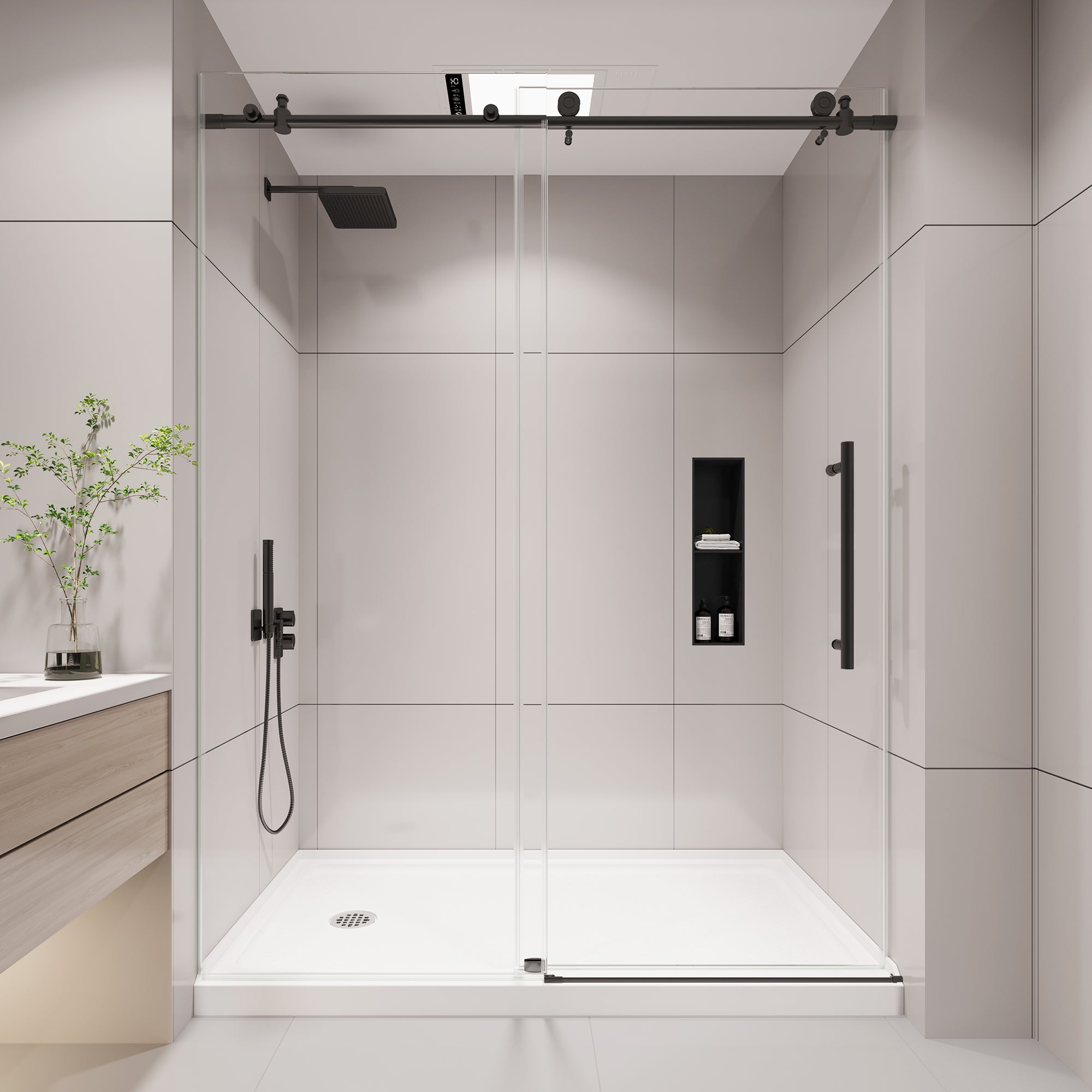
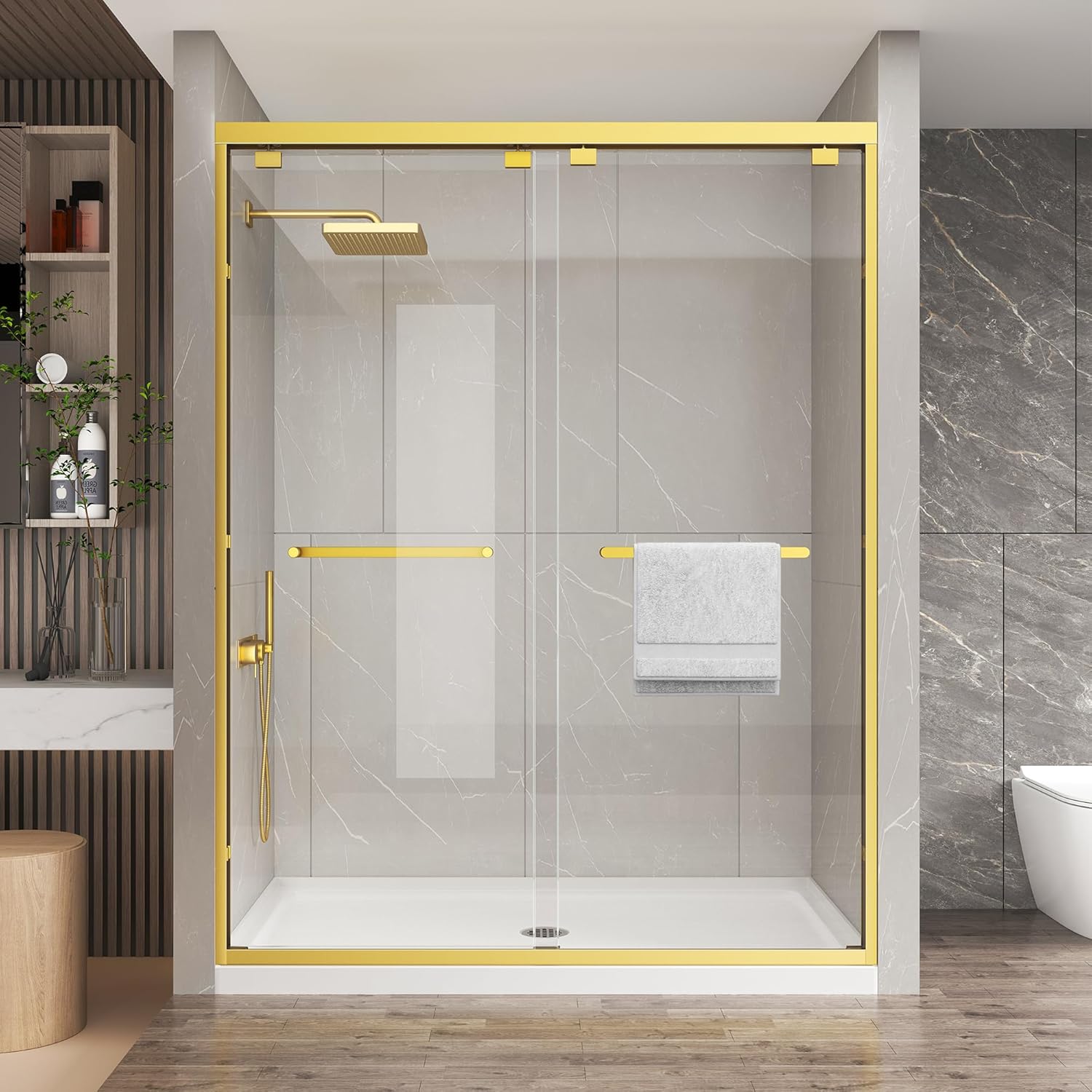
Adding a bench to a shower changes everything: space planning, drainage, waterproofing details, and the type of shower base you pick. As a contractor with 20+ years renovating American bathrooms, I’ve built benches into walk-in showers, retrofit them in 1950s houses with out-of-plumb walls, and worked with prefab and custom bases. This article cuts straight to what layout works best for a bathroom with a bench, why, and what to watch for on the job—plumbing rough-ins, curb slope, tempered glass clearances, and real-world tolerance issues.
Quick answer
Short take: For most American bathrooms a rectangular or neo-angle shower base with an integrated bench along the long wall gives the best balance of usability, drainage control, and glass door compatibility. Place the bench opposite the door or in the corner with a sloped seat toward the drain to keep water moving and make installation straightforward.
That one-sentence answer helps homeowners decide quickly. Below is the trade-off analysis and field-tested guidance so you can pick a layout that fits your space and stays waterproof for years.
Shower base layout options
When you add a bench, layout choice depends on the existing footprint, door swing, and whether you use a prefab shower base or build a mortar bed. Common layouts I install:
- Rectangular base with long-wall bench — bench runs the length of one side; easiest to waterproof and frame for glass.
- Corner bench on a rectangular base — saves aisle space; good for smaller showers but needs careful slope detail.
- Neo-angle base with corner bench — common in small master baths to maximize usable floor while keeping a bench tucked away.
- Curbless/wet-room style — bench can be freestanding or integrated; requires precise floor slope and waterproofing beyond the shower footprint.
My rule of thumb: pick the layout that minimizes plumbing reroute and keeps the bench within the shower footprint—don’t extend the bench into the room unless you want a wider waterproofing area and a more complex floor transition.

Best bench locations and why
There are three practical bench placements. I’ll describe pros, cons, and what I watch for during installation.
- Long wall bench — Best for benches 18–24" deep. Pros: easy waterproofing, straightforward bench framing, good for fixed glass doors. Cons: reduces wall tile run; you must check clearances for the door swing.
- Corner bench — Best when you need to preserve floor space. Pros: compact, visually unobtrusive. Cons: water pooling can be a problem if seat slope isn’t precise; drain may need to be closer.
- End/short wall bench — Often installed opposite the shower entry. Pros: creates a private seat, sometimes better for aging-in-place layouts. Cons: can complicate curb design and door clearances.
From a build perspective, long-wall benches are easiest. They leave more room for a consistent curb slope and direct water flow to the drain when graded correctly.
Drain placement, slope, and a layout table
Drain location drives the mortar slope and how you detail the bench. Standard practice: slope the shower floor at 1/4" per foot to the drain. For benches, slope the seat toward the drain at roughly 1–2 degrees so water doesn’t puddle.
| Layout type | Typical drain location | Recommended base size | Key notes |
|---|---|---|---|
| Rectangular with long-wall bench | Center or offset to entry side | 36"x60" or larger | Best for linear drains; bench can be 18–24" deep with seat slope to drain |
| Corner bench on rectangular base | Corner or adjacent offset | 36"x36" up to 48"x36" | Watch local code for trap placement; pack slope carefully to avoid low spots |
| Neo-angle with corner bench | Center or front edge | 36"x48" neo-angle | Compact; use factory base designed for bench if possible |
| Curbless/wet-room | Linear or center | Variable | Requires floor waterproofing beyond shower; coordinate subfloor and drain height |
When retrofitting, check the rough-in dimensions for your drain and verify the finished floor elevations. If the existing drain is too close to a new bench, the trap may need relocation—expect 2–3 hours of plumbing work for a small move, more if the subfloor is opened.
Materials and base types that work with benches
You can build a bench on several base systems. Each has trade-offs:
- Prefabricated acrylic or textured shower bases — Quick install, consistent slopes. Some models offer integrated bench areas or add-on bench modules. Watch for manufacturer seat load ratings.
- Tile-ready shower pans with pre-slope waterproof liners — Best for custom tile and fixed benches; needs experienced mud work for consistent slope.
- Full mortar bed (traditional mud deck) — Most flexible for built-in benches and curbless entries; requires time and skill to get slope right.
- Linear drain systems — Great with long benches and curbless thresholds; set the drain high enough to allow the mortar slope to tie in at the correct pitch.
Tip: If you plan a glass door, check the bench height against the bottom of the fixed panel and door swing. Leave a 3/8"–1/2" tolerance for glass installation, and verify tempered glass thickness—ANSI Z97.1 requires safety glazing in wet locations; most shower panels are 3/8"–1/2" tempered glass for stability.
For prefabricated options, consider shopping purpose-built bases that already allow for a bench footprint to reduce field mud work. See KPUY Shower Bases for examples of bases that simplify bench integration.

Real jobsite experience — common surprises
I’ve remodeled baths where drawings looked perfect until demo. Here are real situations you’ll hit and how I handle them:
- Out-of-plumb walls: Old homes often have walls out of plumb by 1/2"–1". That affects glass fit and bench tile. I shim walls, order custom glass with allowances, and use adjustable channel systems to hide small discrepancies.
- Subfloor height limits: Moving drains or switching to curbless often bumps into HVAC ducts or joist depth constraints. Plan for a raised floor or alternate drain type early.
- Inaccurate rough-ins: Plumbers sometimes locate the drain based on old drawings. Always measure actual pipe location before ordering a prefab base or cutting tile.
- Bench waterproofing mistakes: I've seen benches tiled over without a full waterproof liner—this fails in 5–10 years. Use a continuous waterproof membrane across the bench and floor; tape every seam per manufacturer instructions.
On a late-1940s remodel last winter I ordered a factory shower base for a long-wall bench. After demo, the wall was out-of-plumb by 3/4". The base manufacturer required a 1/4" max variance. We re-framed and added blocking, and left a 1/2" glass clearance for the door. Those hours upfront saved a custom glass re-order and weeks of delay. That’s exactly the kind of on-site trade-off I plan for before tile goes down.
Installation tolerances, codes, and glass
Practical tolerances to plan around:
- Wall plumb tolerance: Expect up to 1/2" out-of-plumb in older homes—plan shims and blocking.
- Seat slope: Aim for 1–2 degrees toward the drain; anything flatter tends to puddle.
- Finish height: Bench seat height typically 17"–19" finished; ADA or aging-in-place benches may be 17"–19" with grab bar locations coordinated.
- Glass clearance: Leave 3/8"–1/2" between bench top and fixed glass to avoid hitting tile or grout lines.
Codes and standards I verify on every job:
- Plumbing: IPC or UPC per local jurisdiction—check trap weir height and access to the trap.
- Glass safety: ANSI Z97.1 and local building code for tempered glass in wet areas.
For technical guidance on kitchen & bath planning—bench dimensions, clearance and door swing—refer to the National Kitchen & Bath Association guidelines: NKBA. For building code specifics about glazing and wet area safety standards, the International Code Council site is useful: ICC.
FAQ
How big should a shower with a bench be?
Practical minimum: 36"x60" for a long-wall bench that is 18" deep; 48"x36" gives a more comfortable entry and seating area. For ADA-style seating plan at least 36" depth and coordinate door swing—measure twice.
Can I add a bench to a prefab shower base?
Some prefab bases are designed with bench areas or raised seat modules. If your base is not designed for a bench, adding a bench involves careful waterproofing and may void the manufacturer warranty. If you want a prefab solution, choose a model that lists bench compatibility, or go tile-ready with a waterproof liner for custom benches.
Should the bench slope to the drain?
Yes. Slope the bench seat slightly (about 1–2 degrees) toward the shower drain so water doesn’t puddle. Ensure the bench slope ties into the floor slope without creating a low point at the seat edge.
Wrap-up and product link
Choosing the best shower base layout for a bathroom with a bench comes down to footprint, plumbing rough-in, and how you plan to use the bench. For most projects, a rectangular or neo-angle base with a long-wall bench is the most practical: easier waterproofing, predictable slope control, and better compatibility with glass doors. If you’re shopping for bases, check products that accommodate bench footprints or spec a tile-ready base so you can custom-build the seat.
See options that simplify bench integration at KPUY Shower Bases.

If you want a quick on-site checklist before demo, here are the steps I follow:
- Verify existing drain location and finished floor elevations.
- Measure wall plumb and note out-of-plumb areas for glass and bench framing.
- Select base system (prefab vs. tile-ready vs. mud bed).
- Confirm bench location, seat height, and slope to drain.
- Waterproof continuously across bench, seat, and floor per manufacturer.
- Coordinate glass measurements after tile or finished blocking—leave installation tolerances.
Final contractor note: A bench makes a shower more useful but adds detail work. Plan the drain and waterproofing first, allow for wall variance, and choose a base system that matches your skill level and warranty needs. If you want help choosing a base that supports a bench without guessing the slope, product lines like those at KPUY offer models designed to simplify the install.

Dejar un comentario
Todos los comentarios se revisan antes de su publicación.
Este sitio está protegido por hCaptcha y se aplican la Política de privacidad de hCaptcha y los Términos del servicio.