
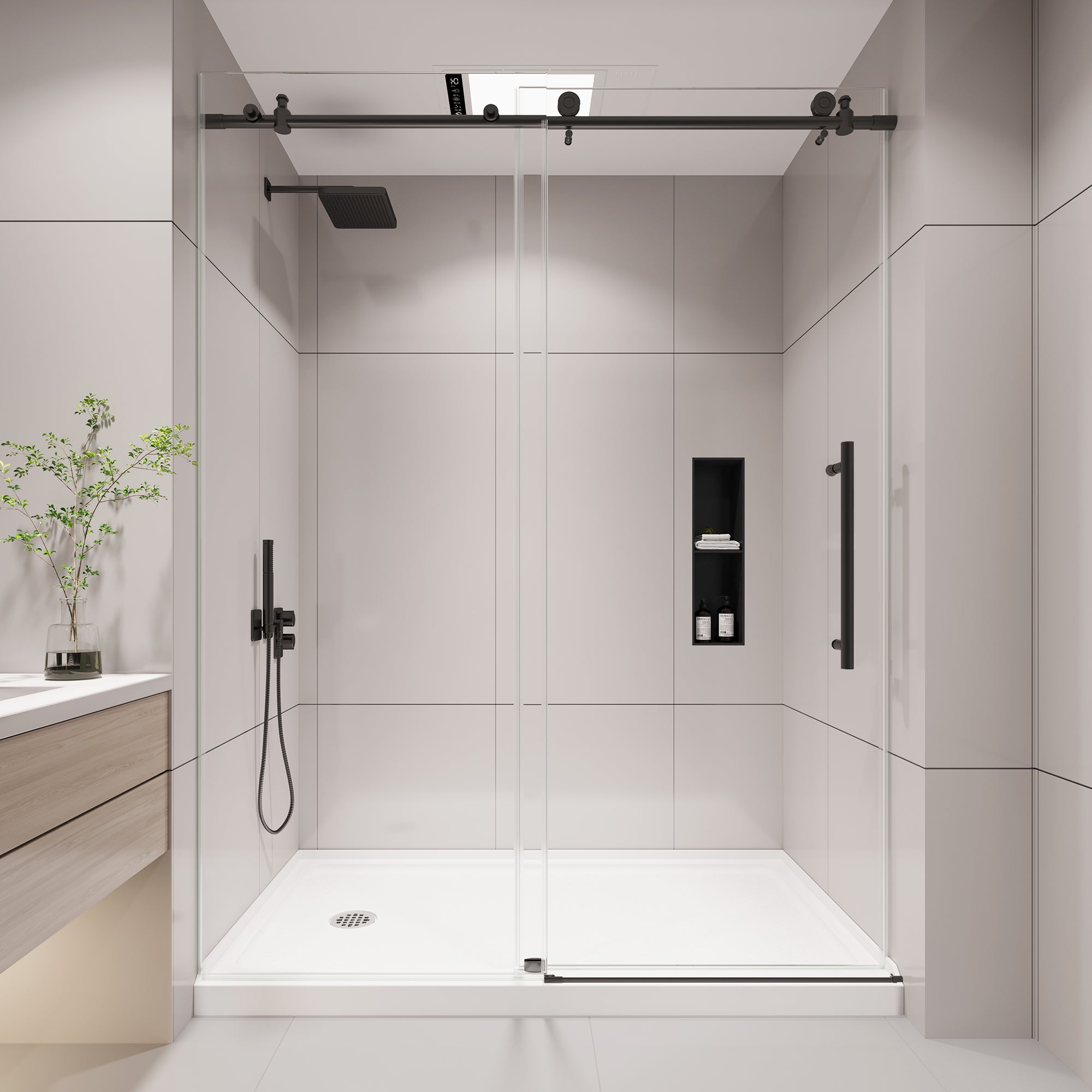
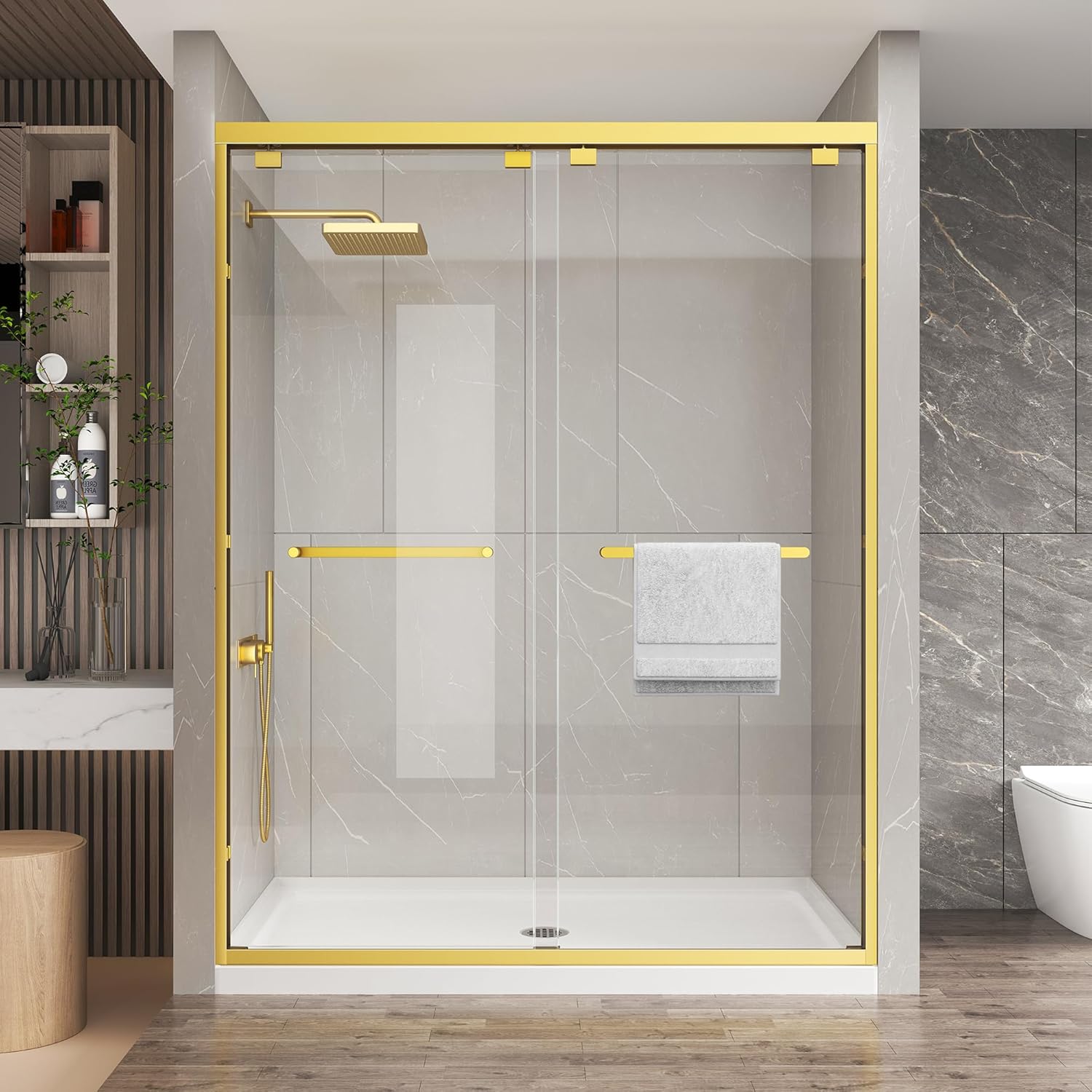
Homeowners often fall in love with a bathroom render before they understand the reality of living in it. You flip through a 2026 design magazine or scroll through social media, and there it is: the striking, matte black framed shower enclosure. It commands attention. It anchors a space, pulling together organic modern textures, fluted tiles, and warm wood vanities. But as a licensed contractor who has spent over two decades pulling permits, sweating copper, and wrestling 200-pound panels of tempered glass into out-of-plumb alcoves, I approach bathroom design differently. I look at that beautiful black hardware and immediately think about calcium carbonate, silica scale, and daily maintenance.
Matte black finishes are not a passing fad. They have firmly established themselves as a foundational element in modern plumbing and sanitary ware. However, ignoring the maintenance realities of dark finishes will turn a centerpiece bathroom into a daily chore. Hard water, aggressive cleaning chemicals, and poor installation practices destroy black finishes faster than any other hardware type in your home. Knowing exactly how these finishes are applied, how they interact with municipal water supplies, and how to maintain them is the difference between an enclosure that lasts a lifetime and one that looks heavily aged within two years.

The Chemistry of Hard Water on Dark Finishes
Municipal water supplies carry dissolved minerals. Calcium and magnesium are the primary culprits in what we call "hard water." When you shower, water droplets cling to the glass, the aluminum tracks, the brass hinges, and the silicone seals. As the water evaporates, it leaves those dissolved minerals behind. On polished chrome or brushed nickel, a fine layer of white calcium scale blends in reasonably well with the metallic sheen. On a matte black surface, it screams for attention.
The contrast is brutal. White, chalky mineral deposits against a light-absorbing black background create an immediate visual mess. If left untreated, calcium carbonate chemically bonds to the surface. Over time, particularly in homes with well water or municipal supplies exceeding 120 parts per million (ppm) of hardness, this scale builds up and calcifies. Removing heavily calcified scale from standard finishes often requires acidic cleaners. But acidic cleaners—like CLR or heavy concentrations of industrial descalers—can permanently strip or pit the black coating. This creates a destructive cycle: you scrub harder to remove the scale, and in doing so, you degrade the protective finish, making the metal even more susceptible to future staining and oxidation.
2026 Hardware Finish Technologies Explained
Not all black shower hardware is created equal. The longevity of your enclosure depends entirely on the manufacturing process used to apply the color. When evaluating premium enclosures, contractors look specifically at the metal finishing data. Here is how the industry achieves that dark aesthetic and what it means for durability.
| Finish Technology | Application Process | Durability & Wear Resistance | Best Use Case |
|---|---|---|---|
| Powder Coating | Dry powder is electrostatically applied and cured under heat to form a skin. | Moderate. Can chip if struck by hard objects (like rings or handheld shower wands). Susceptible to chemical etching. | Standard residential applications; cost-effective framing and U-channels. |
| Anodized Aluminum | Electrochemical process converts the metal surface into a durable, corrosion-resistant anodic oxide finish. | High. The color is integrated into the metal, not just painted on. Won't chip or peel easily. | Premium wall profiles, tracks, and structural headers. |
| PVD (Physical Vapor Deposition) | Vaporized solid metal is deposited onto the hardware in a vacuum environment. | Extremely High. Highly resistant to tarnishing, corrosion, and scratching. Withstands harsher cleaning. | High-end hinges, handles, and moving structural components. |
| Electrophoretic Deposition (EPD) | Parts are submerged in a paint emulsion and electrified, bonding the paint to the metal at a molecular level. | High. Provides an incredibly uniform coating, excellent for complex shapes. | Grid patterns (mullions) applied directly to glass panels. |
Upgrading to PVD or high-grade anodized finishes drastically reduces the risk of chipping or peeling. When installing KPUY black shower doors, for instance, we ensure that the structural integrity of the hardware matches the aesthetic demand. Lower-tier, painted hardware will fail within years under the abuse of daily heat, humidity, and cleaning friction.
Installation Realities: Curb Slopes and Tolerances
Maintenance begins before the glass is even ordered. It starts at the rough-in stage. The International Plumbing Code (IPC) and standard trade practices dictate specific tolerances for shower pans and curbs. If your installer fails to pitch the shower curb correctly, no amount of cleaning will save your black hardware from premature failure.
A shower curb must have a minimum slope of 1/4 inch per foot directed inward toward the drain. If the curb is dead level, or worse, pitched slightly outward, water pools against the bottom sweep of the glass and sits inside the bottom track or U-channel. Sitting water means concentrated mineral deposits. If your black bottom track is constantly submerged in standing water, the continuous evaporation cycle will leave a thick layer of rigid silica and calcium that is nearly impossible to remove without damaging the track.
Out-of-plumb walls present another major hurdle. Houses settle. Framing warps. When we drop a 6-foot level against a shower wall, it is rarely perfectly plumb. If a wall leans by 3/8 of an inch over 72 inches, the glass enclosure must compensate. For frameless units, we order custom-cut glass. For framed or semi-frameless black grid units, the wall profiles allow for adjustment. Pushing the limits of these adjustments can expose the raw, un-coated edges of the metal profiles, creating entry points for corrosion. A precise, by-the-book installation minimizes water trapping and reduces the required maintenance burden.
Glass Specifications and ANSI Standards
The glass itself is just as critical as the hardware holding it. By law, any glass used in a shower enclosure must meet rigorous safety standards. The Safety Glazing Certification Council (SGCC) and the ANSI Z97.1 standard require shower doors to be made of tempered safety glass or laminated glass. If broken, tempered glass shatters into small, relatively harmless pebble-like pieces rather than deadly, jagged shards.
For large enclosures, contractors strongly recommend 3/8-inch (10mm) or 1/2-inch (12mm) thick glass. Thicker glass requires heavier, more robust black hinges to support the weight, preventing door sag over time. Door sag leads to the bottom sweep dragging across the curb, which tears the sweep and damages the bottom track finish.
In 2026, factory-applied hydrophobic coatings are standard on premium glass. These treatments bond with the silica in the glass at a molecular level, filling in the microscopic pores and creating an ultra-smooth surface. Water beads up and rolls off rather than clinging to the glass. This technology significantly reduces the volume of hard water spots that migrate down onto your black bottom tracks and hinges. While aftermarket spray-on coatings exist, they wash away after a few months. Factory-baked ion treatments last for years with proper care.
The Definitive Maintenance Protocol
Contractors get callback requests all the time for "defective" hardware finishes. Nine times out of ten, the hardware isn't defective; the cleaning regimen is destructive. Throw away your abrasive sponges, your bleach, and your ammonia-based glass cleaners. Here is the exact protocol required to maintain black shower enclosures.
The Daily Requirement: Squeegee Everything
If you commit to a black shower door, you commit to the squeegee. It is non-negotiable. Leaving water droplets to air dry is the root cause of all hard water damage. Keep a high-quality silicone squeegee inside the shower. After turning off the water, wipe down the glass panels from top to bottom. Crucially, wipe the black aluminum tracks, hinges, and the top of the curb with a dry microfiber cloth. Removing the water removes the minerals. It takes thirty seconds and extends the life of your hardware by years.
The Weekly Cleaning Regimen:
- Prepare a Mild Solution: Mix a 50/50 solution of distilled white vinegar and warm water in a spray bottle. For a better smell, add a drop of mild dish soap (like Dawn). The mild acidity of the vinegar breaks down light calcium deposits without etching the black finish.
- Apply and Dwell: Spray the solution onto the glass and the hardware. Let it sit for 3 to 5 minutes. Do not let it dry on the surface.
- Wipe with Microfiber: Use a clean, damp microfiber cloth to wipe away the solution and the dissolved grime. Microfiber traps dirt without scratching the delicate powder-coated or anodized surfaces.
- Target Corners: Use a soft-bristled toothbrush to gently agitate the areas around the hinges and the intersection of the glass and bottom track where soap scum collects.
- Rinse and Dry: Rinse the entire enclosure with clean, warm water from a handheld wand or cup. Immediately dry all surfaces completely with a fresh, dry microfiber towel.
Strictly Prohibited Items:
- Abrasive Pads: Scouring pads, steel wool, or stiff nylon brushes will permanently scratch black finishes and strip hydrophobic glass coatings.
- Harsh Chemicals: Bleach, ammonia (found in many standard blue glass cleaners), and heavy-duty bathroom foams will oxidize black metal, turning it a cloudy, chalky gray over time.
- Abrasive Pastes: Baking soda pastes or commercial abrasive powders will leave micro-scratches that dull the finish and trap more dirt in the future.
Frequently Asked Questions (FAQ)
Do matte black shower doors peel or chip over time?
It depends entirely on the manufacturing quality. Cheap, mass-produced enclosures use standard wet paint or low-grade powder coating that will absolutely chip if struck by a wedding ring, a dropped shampoo bottle, or an aggressive cleaning brush. Premium enclosures utilizing Anodized Aluminum or PVD (Physical Vapor Deposition) chemically bond the color to the metal. These high-end finishes will not peel and are highly resistant to chipping under normal daily use.
How do you remove stubborn hard water stains from black shower tracks?
If daily maintenance was neglected and severe scale has formed, do not reach for a wire brush. Create a paste using equal parts distilled white vinegar and a mild dish soap (skip the baking soda, as it's too abrasive for the black finish). Apply the mixture to the heavily scaled track and let it sit for 15-20 minutes. Keep it wet by spritzing with water if it starts to dry. Gently agitate the scale with a soft toothbrush or an auto-detailing brush. Rinse thoroughly and dry completely. Prevention is far easier than removal.
Are black grid shower doors harder to clean than standard frameless doors?
Yes. True divided-light shower doors (where the metal grid actually separates individual panes of glass) create dozens of 90-degree corners where water, soap scum, and minerals pool. To mitigate this, most 2026 designs utilize a "simulated divided light" approach. The black grid pattern is either silkscreened directly onto the exterior side of a single pane of glass, or an aluminum grid is adhered only to the outside. This leaves the interior facing the shower completely smooth and flush, allowing a squeegee to glide over it effortlessly just like a standard frameless door.
The Verdict for Homeowners
Matte black shower enclosures deliver an undeniable architectural edge to a bathroom remodel. They frame the space, draw the eye, and elevate the aesthetic of surrounding tilework. However, treating a black enclosure the same way you treat standard chrome hardware guarantees premature failure. The finish demands respect, proper ventilation, correct curb sloping during installation, and an unwavering commitment to a daily squeegee routine. By understanding the chemistry of hard water, selecting superior PVD or anodized finishes, and strictly avoiding harsh chemicals, you ensure your investment remains a focal point for the lifetime of your bathroom.

Dejar un comentario
Todos los comentarios se revisan antes de su publicación.
Este sitio está protegido por hCaptcha y se aplican la Política de privacidad de hCaptcha y los Términos del servicio.