
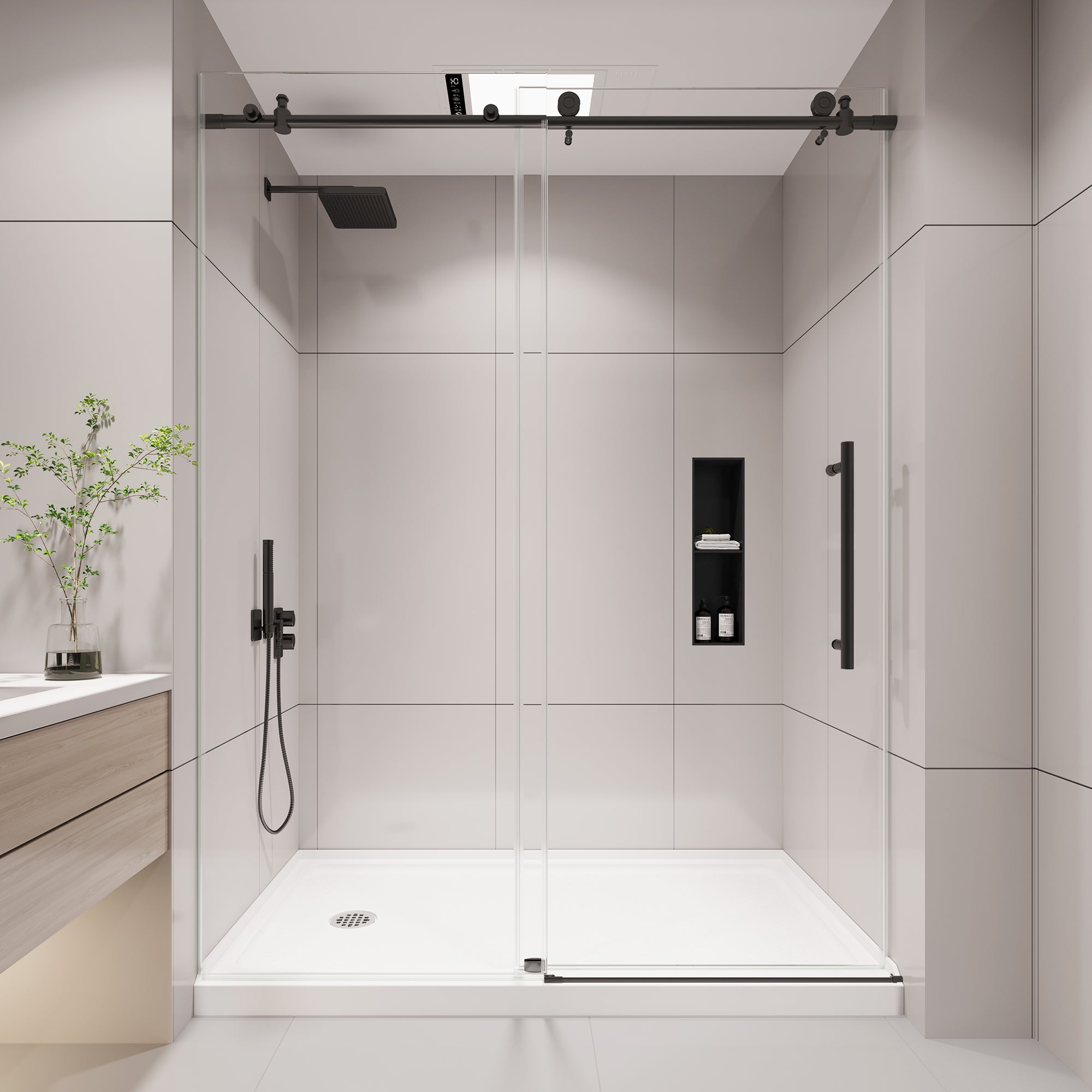
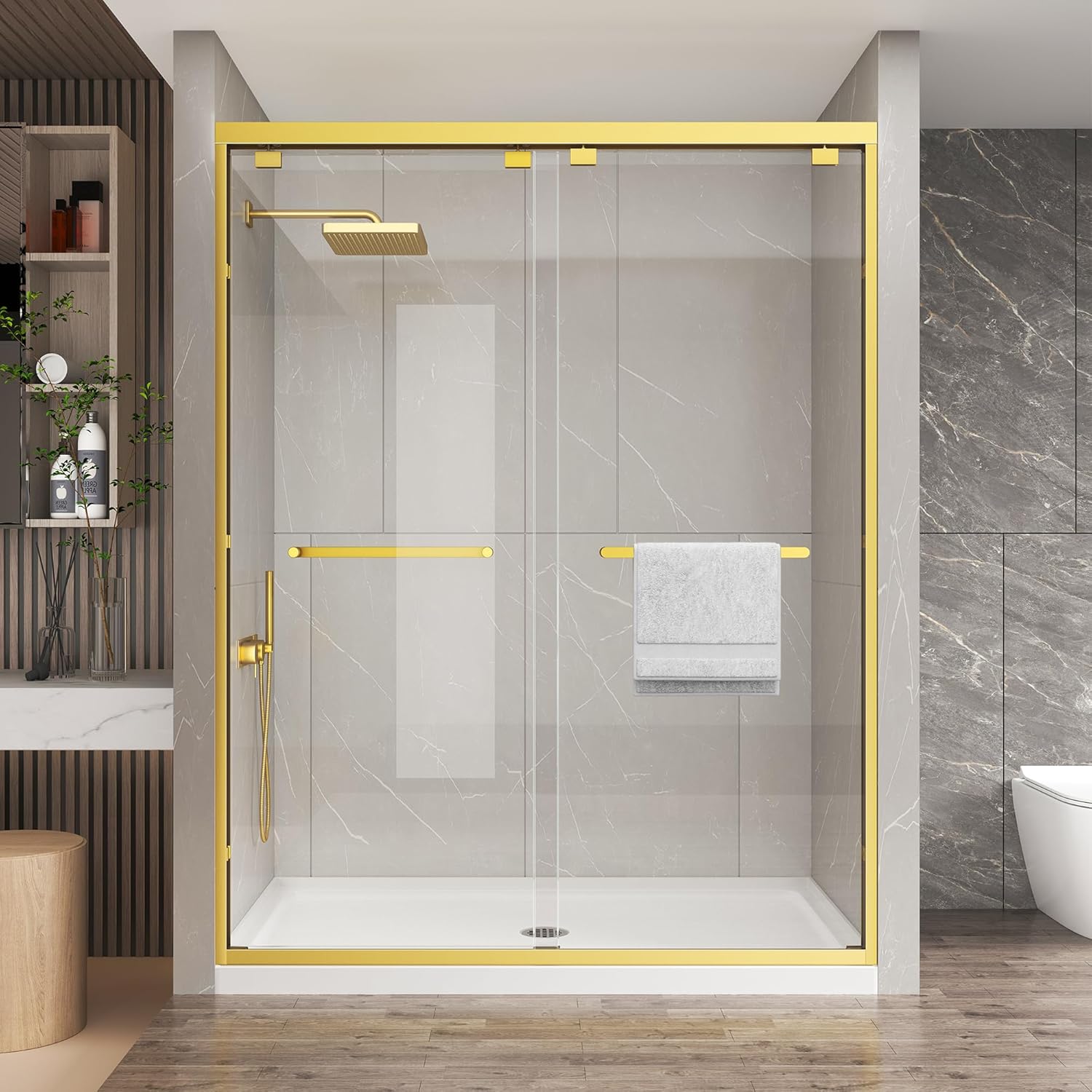
When a shower door starts sticking, rattling, leaking, or simply looks tired, the homeowner question is always the same: should I repair it or replace it? As a contractor with 20+ years on remodeling crews—doing dozens of bathroom renovations every year—I evaluate shower doors the same way I evaluate a window or a cabinet: I look for structural problems, code or safety triggers, and the math. The 2026 trend toward frameless glass and flush, low-curb entries means homeowners are expecting tighter tolerances and higher performance from their shower doors. That raises the bar for repair decisions: some fixes are simple, others are masking symptoms of a failing installation.
Quick Answer
Short answer: Repair the shower door when the problem is limited to hardware, seals, or minor alignment and the glass is intact and meets safety standards. Replace the door when the glass is delaminating, the frame is corroded beyond repair, the installation is out of tolerance, or ongoing water intrusion has damaged the substrate. This is the decision rule I use on every first walkthrough.
Signs a Shower Door Is Worth Repairing
Start with visible, fixable items. If you see any of the following, a repair is often the best, most economical choice:
- Loose or worn rollers and hinges—these are replaceable parts and commonly fail well before the glass or glass anchors.
- Worn seals and sweeps—silicone or vinyl sweeps can be replaced, stopping many leaks.
- Small gap at the bottom caused by adjustment issues—often corrected by re-shimming or adjusting hinges.
- Minor cosmetic damage like pitting on chrome or surface scratches on tempered glass that don't affect integrity.
- Glass intact and properly tempered—if the glass carries the necessary marking and thickness (commonly 3/8" or 1/2" for frameless), you can usually keep it.
Signs You Should Replace the Door
Replacement is justified or required when safety, performance, or code compliance is compromised:
- Hairline or edge chips that compromise tempering—edge damage can propagate in tempered glass and lead to failure.
- Tempered glass not labeled or wrong thickness—ANSI Z97.1 compliance matters. If the glass fails to meet standards, replace it.
- Persistent leaks despite seal replacement—this often indicates out-of-plumb walls, improper curb slope, or a wrong threshold detail.
- Corroded frame or buried aluminum anchors—when anchorage is failing, replacement is safer and more cost-effective long term.
- Repeated repairs within a year—multiple service calls usually signal systemic problems better solved by replacement.
For homeowners, the safety item to watch for is the tempered glass label. If you can’t find the temper mark or the glass is tiny-edge damaged, plan to replace it.

On-site Checks Every Contractor Does
When I walk a job I do a focused checklist. These are practical, measurable checks you can ask your installer or use for a DIY inspection.
- Verify glass tempering and thickness: look for the manufacturer’s mark, measure thickness (3/8" common for frameless, 1/4" used on some framed units), and note any edge damage.
- Check wall plumb: use a 4' level—out-of-plumb walls are the root cause of many leaks and misalignments. Anything over 1/4" out of plumb across the door height raises concern.
- Measure curb slope and height: the curb should slope to the drain; flat or high thresholds can drive leaks. Low-profile curbs must have continuous seals.
- Inspect anchors and substrate: remove a channel screw cap and look for backed anchors or evidence of water behind the tile. Rotten backerboard needs repair before reinstalling any glass.
- Test the door swing and seal compression: doors should close with uniform contact to sweeps and gaskets. Check for binding or dragging.
Featured snippet-style direct checklist
If you want a fast decision on-site: confirm the glass is labeled tempered, verify the frame and anchors are sound, check for out-of-plumb walls (>1/4"), and replace seals/rollers first. Replace the door if the glass is damaged, anchors are corroded, or water has damaged the substrate.
Costs, Timeline and Tolerances
Homeowners want numbers. Below is a general guide based on typical U.S. residential jobs; local labor rates vary.
| Issue | Repair Viable? | Typical Cost Range (parts + labor) | Time |
|---|---|---|---|
| Replace rollers/hinges | Yes | $120–$350 | 1–3 hours |
| Replace seals/sweeps | Yes | $50–$200 | 30–90 minutes |
| Adjust door/realign | Yes | $80–$250 | 1–2 hours |
| Glass replacement only (same frame) | Sometimes | $400–$900 | 2–7 days (fabrication) |
| Full replacement (new frame/door) | No | $800–$3,000+ | 1–3 days install |
Installation tolerances matter. Frameless assemblies have very tight fit tolerances—usually within 1/8" to 3/16" per side. If the rough-in or tilework is off by more than that, the door will look bad or leak.

Step-by-Step Repair Checklist
These are the practical steps I follow or ask technicians to perform when repairing a shower door.
- Document the problem and take photos.
- Confirm glass marking and measure thickness.
- Remove adjustable hardware and inspect rollers, pivot pins, and fasteners.
- Assess sealing surfaces: clean, replace vinyl seals and sweeps as needed.
- Check and correct door alignment—shim or re-drill anchors if safe to do so.
- Pressure-test with a hose or run water while checking for leaks behind the curb or through grout lines.
- If substrate or anchors are compromised, remove the frame and repair substrate before replacing door or re-installing.
Tip: When replacing seals, use UV-stable silicone only at corners and avoid overcaulking the hinges. Excess silicone can bind moving parts and void hardware warranties.
Real-World Renovation Note
On older homes I renovate, I frequently encounter out-of-plumb studs, uneven tile, and curb heights that vary 1/2" across the opening. I once removed an "easy" leaking shower door and found a rotten 2x4 under the curb and tile set over a non-slope mortar bed. In that case, repairing the door would have been a band-aid over structural rot. I informed the homeowner: we could fix seals and call it done, but the leak would return and cost more long term. We rebuilt the curb, corrected slope to the drain, and installed a new frameless door with correct anchorage. It cost more up front but saved repeated service calls and water damage.
That kind of practical decision—repair when fixes address the root cause, replace where the installation or substrate is failing—is the same logic I use on every job.
FAQ
How can I tell if my glass is tempered and safe?
Tempered safety glass is required for shower enclosures. Look for a small etched stamp in a corner of the glass with the manufacturer's mark and a symbol or wording indicating it is tempered. If you can’t find a mark, or the glass is edge-chipped, have a pro inspect it. For standards reference, see ANSI for glazing specifications.
Can I replace just the seals and keep the glass?
Yes—if the glass and anchors are sound. Replacing sweeps and gaskets is often a fast, low-cost repair that stops leaks and improves operation. Make sure the door sits plumb after seal replacement; otherwise the new seals will wear prematurely.
Does replacing a shower door require a building permit?
Most straight swaps of like-for-like shower doors don't require a permit, but if you modify the enclosure, change the drain location, or perform structural repairs, check local code or consult the NKBA guidelines or your local building department.
Wrap-up & Next Steps
The bottom line: start with a short inspection—check the glass marking, anchors, wall plumb, and curb slope. Address hardware and seal issues first; replace the door when the glass or substrate is compromised or when tolerances are outside acceptable range. If you decide replacement is the right move, browse quality options that match modern frameless tolerances and finishes—I recommend comparing tempered glass models and hardware warranty terms. For frameless or semi-frameless options, see KPUY Shower Doors to get a sense of current styles and hardware choices.
If you want a contractor’s walkthrough checklist or a second opinion, take photos of the glass edge, hinge area, and curb, and ask for a written assessment that lists the root cause, not just the symptom. A solid repair plan should protect the wall and substrate as well as the door itself.
Next step: if your door leaks or sticks, get the quick checks done in this article and then decide whether a repair or a replacement is the most economical, long-term solution.

Dejar un comentario
Todos los comentarios se revisan antes de su publicación.
Este sitio está protegido por hCaptcha y se aplican la Política de privacidad de hCaptcha y los Términos del servicio.