
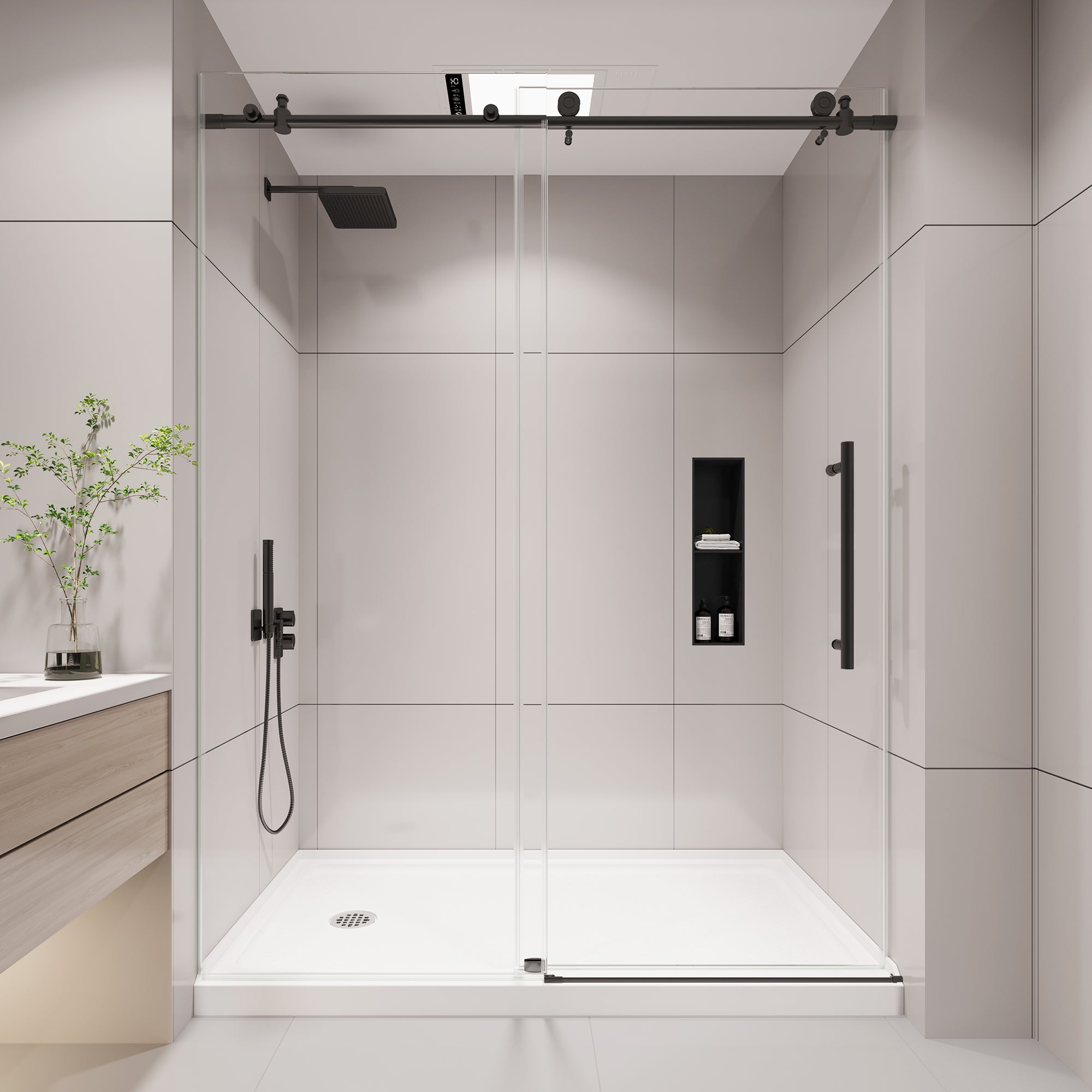
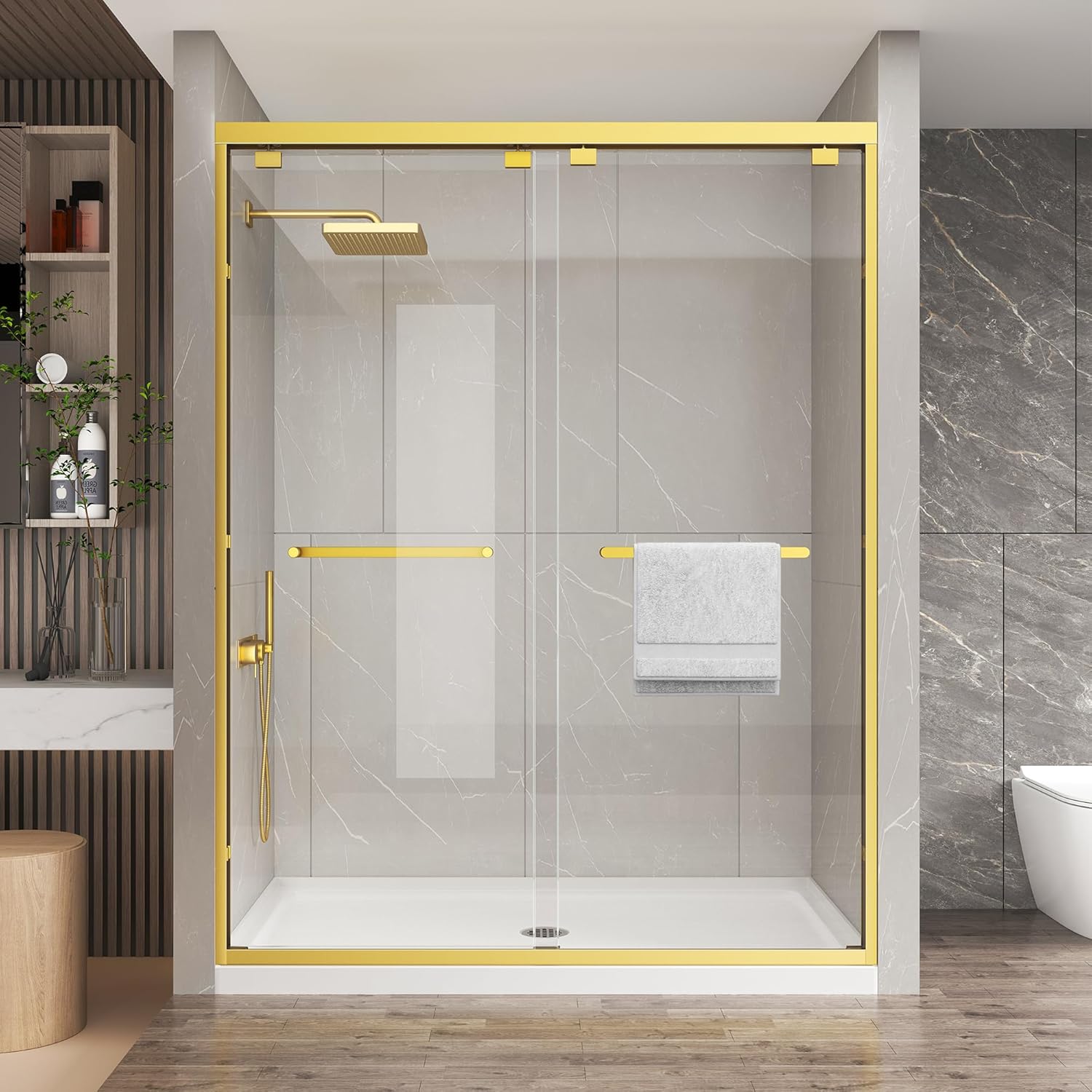
Homeowners ask me this question on nearly every estimate: “Is 8mm shower glass thick enough?” I’ve been installing and troubleshooting showers for 20+ years, and the short answer depends on design, panel width, hardware, and site conditions. With 2026 design trends pushing for larger frameless openings and cleaner lines, understanding where 8mm glass works — and where it doesn’t — will save you money and headaches during a remodel.
Quick Answer (Featured Snippet)
Short, practical answer: Yes — 8mm (about 5/16") tempered glass is sufficient for many shower doors and small panels when the opening width and glass height are within conservative limits and you use the right hardware. It is not ideal for wide, unsupported panels or heavy frameless doors where 10mm (3/8") or 12mm (1/2") is preferred.
How Glass Thickness Affects Performance
Glass thickness matters for three main reasons: stiffness (deflection), weight, and perceived quality. Thicker glass resists flexing and offers a more rigid door swing; thinner glass saves cost and is lighter but can feel flimsy or create alignment issues over time.
- Deflection and wobble: A long, unsupported panel of 8mm glass will deflect more than 10mm glass under load (wind, bump, or door swing). That shows up as movement in the seals and can lead to leaks.
- Hardware load: Hinge and clamp systems are rated for certain glass thicknesses and weights. Using 8mm glass with hardware rated for 10mm is a mismatch.
- Durability: All shower glass must be tempered; thickness affects how the glass breaks (tempered glass shatters safely regardless of thickness) but also how easily chips develop at edges if not handled properly.
When 8mm Is Enough
Use 8mm glass when the design and site conditions keep stress low. Typical situations where 8mm performs well:
- Framed or semi-frameless doors with top and side support (limited unsupported span).
- Small door widths (generally under 30–32 inches) and heights under 78 inches.
- Showers with a continuous header, top rail, or supported clamps that reduce flex.
- Projects prioritizing budget without demanding large, uninterrupted glass fields.
Note: For modern frameless trends — floor-to-ceiling panels, oversized pivot doors, or wet-room layouts with minimal hardware — I recommend 10mm or 12mm glass for rigidity and longevity.

Installation Realities & Jobsite Experience
Let me be blunt: the jobsite rarely matches the drawings. Old houses have out-of-plumb walls, floors that slope, and tile faces that vary. That’s where 8mm can become problematic if you don’t plan for it.
Real-world notes from dozens of renovations:
- Walls commonly are 1/4" to 3/4" out of plumb over 8 feet. You’ll need shims or jambs to make a glass panel fit squarely.
- Curbs and thresholds often have inconsistent slope; if the curb slopes toward the panel you’ll see water pooling and pushing against the glass edge, increasing stress.
- Typical installation tolerance is about 1/8" per side for glass fitting; leave room for silicone, shims, and thermal expansion.
When I retrofit an old tub-to-shower conversion, I always measure the rough-in and mark the maximum unsupported span. If a panel ends up needing more support than the plan allowed, I either add a header, a metal channel, or upsize to 10mm glass.
Standards and Safety
All shower glass must be safety glazing that meets tempered glass standards. In the U.S., look for compliance with ANSI Z97.1 and industry installation guidance. For broader safety and consumer guidance, refer to sources like the National Kitchen & Bath Association and the U.S. Consumer Product Safety Commission.
Helpful references:
- National Kitchen & Bath Association (NKBA) — design and best-practice guidance for bathroom layouts and safety.
- U.S. Consumer Product Safety Commission (CPSC) — safety standards and glass-related consumer alerts.
Code tip: Tempered glass is required where the glass is within a certain distance of doors or in hazardous locations — your local code official or inspector will verify during plan review.
Thickness Comparison Table
| Thickness | Approx. Inch | Typical Use | Max Practical Unframed Span | Perceived Stiffness |
|---|---|---|---|---|
| 6mm | 1/4" | Framed showers, small fixed panels | Under 20" | Low |
| 8mm | ~5/16" | Semi-frameless doors, small frameless doors | Up to ~30–32" | Medium |
| 10mm | 3/8" | Common frameless doors, larger panels | Up to ~48" | High |
| 12mm | 1/2" | Heavy frameless, pivot doors, large panels | Over 48" | Very High |

Selection Checklist (What to Ask Your Contractor)
- Panel width and height: What are the maximum unsupported spans? Ask for exact measurements.
- Hardware rating: Are the hinges, clamps, and channels rated for 8mm? Get manufacturer specs.
- Threshold and curb conditions: Is the curb slope toward the glass? Will water contact the edge?
- Out-of-plumb adjustments: How will the installer handle wall variation — shims, filler strips, or a header?
- Warranty and insurance: Does the installer warranty against wind-load failure and breakage?
If you plan to keep a clean frameless look and have a wider opening, insist the contractor show calculations or hardware charts that support using 8mm. If they can’t, that’s a red flag.
Common Mistakes I See
- Specifying 8mm for a wide, unsupported panel because it’s cheaper — leads to flexing and leaks.
- Using clamps or hinges rated for thicker glass on 8mm without proper liners or pads — causes stress points and edge chips.
- Ignoring wall plumbness and not allowing tolerance in glass fabrication — forces rework or creates gap issues at install.
- Assuming all tempered glass is the same; edge finish, drilling, and cut quality matter.
FAQs
Is 8mm tempered glass safe for shower doors?
Yes. All shower glass should be tempered safety glass. Tempered 8mm complies with safety glazing standards when manufactured and installed correctly. Still, safety is only part of the decision; consider stiffness and hardware compatibility.
Can I use 8mm glass for a pivot shower door?
Maybe. Pivot doors put higher loads at the hinge point. For narrow pivot doors under ~30" it can work with correct hardware. For wider pivot or floor-to-ceiling doors, I usually recommend 10mm or thicker.
Do I save much choosing 8mm instead of 10mm?
There’s a cost saving, but it’s not huge compared to potential callbacks, extra sealing, or early replacement. If aesthetics and long-term performance matter, the marginal cost for 10mm may be worth it.
Wrap-up & Next Steps
To sum up: 8mm shower glass is perfectly acceptable for many residential shower doors and small panels, provided the spans, hardware, and site conditions match the glass capabilities. For larger frameless designs or pivot doors, step up to 10mm or 12mm.
If you’re planning a remodel, bring your contractor measurements and ask for hardware load charts and the glass manufacturer’s recommendations. If you want to see options that work well with 8mm and thicker glass, check out KPUY Shower Doors for hardware and panel configurations suited to different thicknesses.
Want personalized advice? Share the exact panel widths, door type, and photos of your walls and curb, and a good contractor can tell you whether 8mm will last or cost you more in the long run.

Dejar un comentario
Todos los comentarios se revisan antes de su publicación.
Este sitio está protegido por hCaptcha y se aplican la Política de privacidad de hCaptcha y los Términos del servicio.