
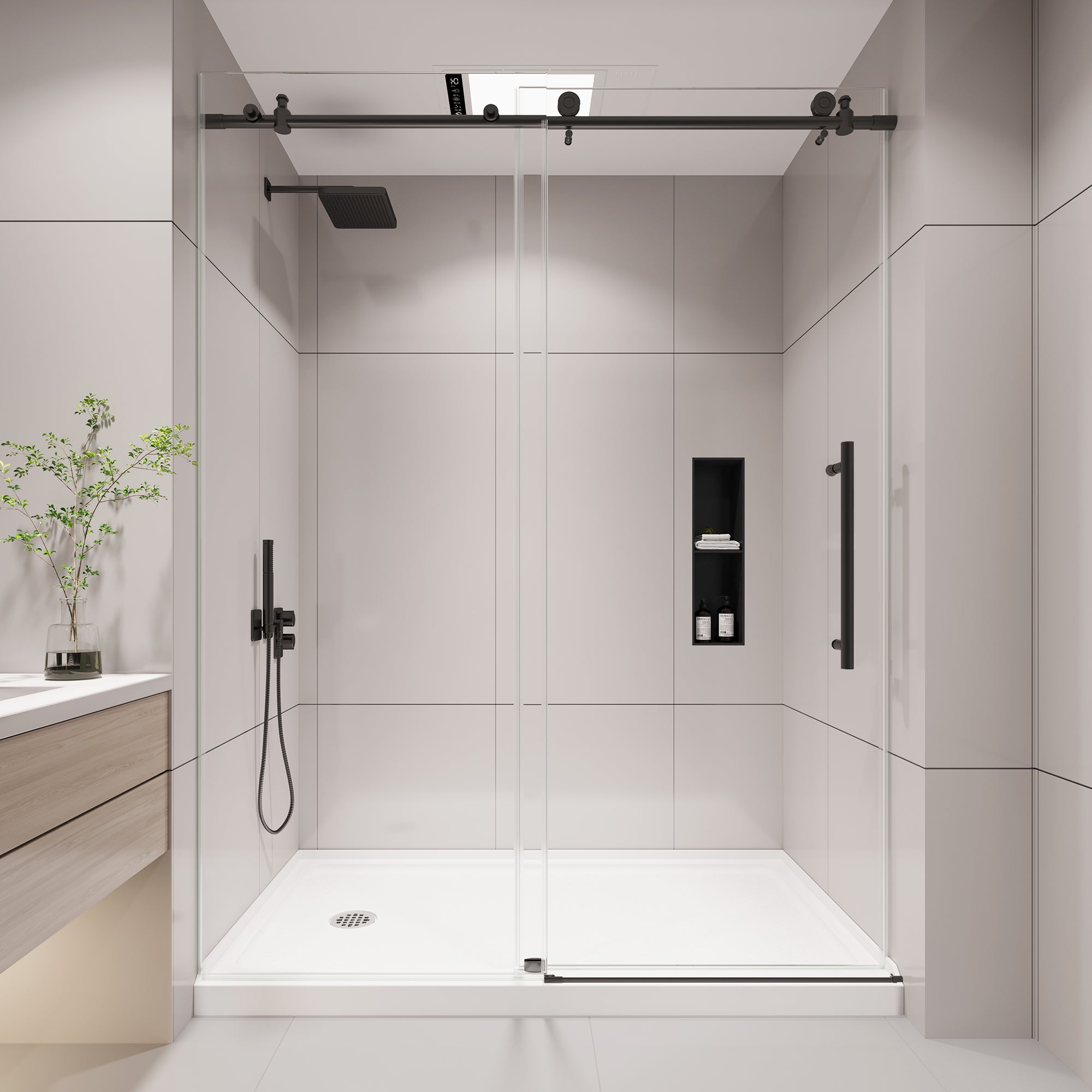
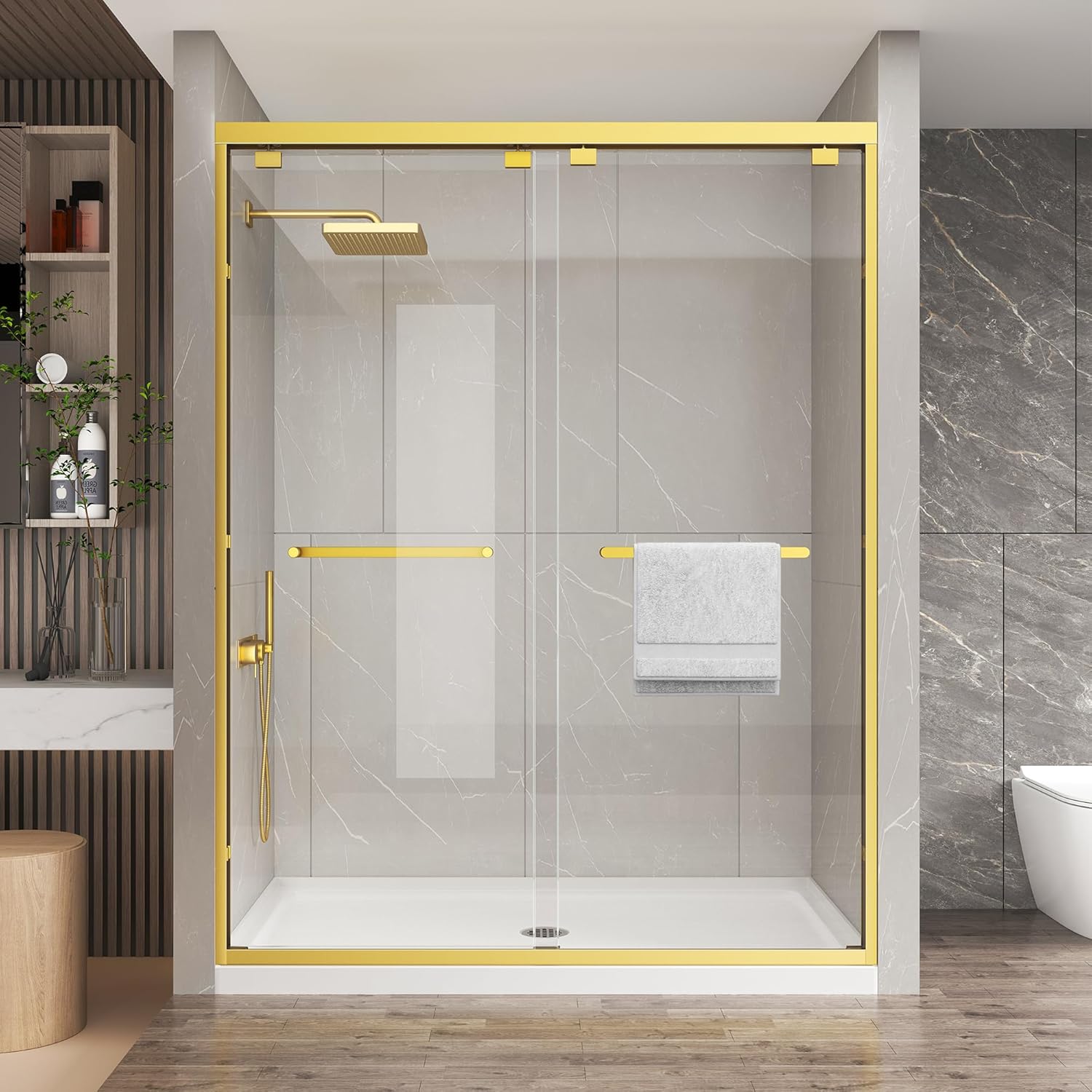
If you're replacing a tub or installing a new one and want to keep the existing wall tile, the first question I get on every job is: "Will this tub work with what's already on the wall?" After 20+ years remodeling bathrooms across older homes and new builds, I can tell you there are three things that make or break this decision: the tile's edge/detail, the wall plane (plumb and flat), and the tub's flange or apron dimensions. This guide walks you through practical checks, exact measurements to take on the job, and realistic red flags that mean you'll need to remove or modify tile.
Quick Answer (Featured Snippet)
Short answer: Measure the tile thickness, the depth of the tile edge to the stud face, the wall plane (is it plumb?), and the tub flange width. If the existing tile edge sits within the tub's flange overlap (usually 3/8"–1"), and the wall is within 1/4" plumb over the tub run, most replacement tubs will work without removing tile. If the tile edge stands proud more than the flange overlap or the wall is severely out-of-plumb, expect to remove or at least strip the bottom course of tile.
What to Measure First
Start with tools: I carry a 6' level, a long straightedge, a tape measure, and a feeler gauge on every job. These quick measurements tell you whether you can drop a new tub in or need demo.
- Tile thickness — measure tile plus mortar from finished face to backerboard or drywall.
- Face of stud to finished tile face — you'll need to know where the stud plane is relative to the finished surface.
- Wall plumb — check at top, mid, and bottom; note any out-of-plumb amounts in inches.
- Rough-in drain and overflow — confirm the drain location and rim height compared to the new tub spec.
Keep a field notebook. Write down exact numbers; contractors who guess end up with gaps, leaks, or tile rip-outs.

Wall Conditions That Matter
Tile on the wall is only part of the story. The substrate and the wall's true condition determine how a tub will sit.
| Condition | Why It Matters | Typical Action |
|---|---|---|
| Wall plumb within 1/4" | Allows flange to compress against backerboard and tile for a good seal | Install tub with standard caulk and backerboard shims |
| Wall out-of-plumb 1/4"–1/2" | May leave gaps behind flange; tile edge may not meet flange evenly | Use tapered shims, thicker liner, or remove bottom tile course |
| Tile with bullnose/trim overlapping | Bullnose can prevent flange from sitting tight to substrate | Remove bottom bullnose or undercut tile edge |
Substrate check: If the tile is on cement backerboard or original plaster, find out how it's attached. Thinset over backerboard behaves differently than mastic over drywall. Cement board typically lets you flash the flange against a firm substrate; plaster may need a strip of backer removed to seat a flange.
Tile Edges and Tub Flanges
Understanding the tub's flange detail is critical. Flanges vary by manufacturer; common flange widths are 1/4", 3/8", 1/2" and wider for drop-in/alcove models. Read the tub spec or measure the existing tub before buying replacement.
- Measure the depth from finished tile face to the backer or stud face.
- Measure the tub flange width and the required overlap specified by the tub manufacturer.
- Confirm where the tub apron or skirt will sit relative to the tile — some aprons overlap and conceal a small tile reveal.
If the tile edge is thicker than the flange overlap, you have two choices: remove the bottom tile course, or install a custom trim (metal L-profile) and regrout. On historic homes I often find ceramic bullnose that sits proud more than 1/2 inch. That usually means removing at least the bottom tile row.

Installation Tolerances & Field Fixes
Manufacturers often state installation tolerances—how much out-of-plumb or unevenness the product can handle. In my experience many manufacturers assume a reasonably flat stud plane and 1/4" maximum out-of-plumb for a clean installation. If your wall is worse, plan for field fixes.
Common field fixes I use on-site:
- Under-cutting tile — use an angle grinder to remove the bottom tile edge cleanly so the flange can sit flush.
- Shim pack — stack stainless-steel or composite shims between tub flange and framing to correct minor plumb issues.
- Thinset leveling — a layer of thinset can fill small gaps behind flange if you have backerboard access.
- Replace the bottom course — sometimes the fastest, least risky fix is to remove the bottom row of tile and reinstall matching tile or trim.
Note: When you undercut tile or add shims, leave a small gap for caulk. Never rely on caulk to make up for structural gaps larger than 1/4".
Step-by-step Checklist to Tell If the Tub Will Fit
- Confirm tub model and get the manufacturer's dimensional drawing.
- Remove the tub surround trim or skirt and expose the tile bottom if possible.
- Measure tile thickness, mortar bed, and distance to stud face.
- Check wall plumb at top, middle, bottom — record deviations.
- Measure drain rough-in and compare to new tub drain location.
- Mock-fit the tub (dry set) to see how the flange meets tile and backerboard.
- Decide: proceed, adjust with shims/undercut, or remove tile bottom course.
Tools you'll need on the job:
- 6' level and 24" torpedo level
- Straightedge and feeler gauges
- Tile grinder or wet saw (for controlled removal)
- Caulk gun and marine-grade 100% silicone
Real Jobsite Notes — What I See Most Often
On older houses there's almost always something: walls out-of-plumb, plaster that's bowed, or tile installed over multiple layers. On a 1930s bungalow I remodeled last year, the back wall bowed out almost 3/8" at the center line and the original tile used a thick mortar bed. The replacement tub flange was only 5/16" wide — it wouldn't have seated properly. My crew removed the bottom tile course, installed new backerboard, and reseated the flange. It added a day of work but saved a leaky joint later.
Practical things I want homeowners to understand:
- Tolerances matter: manufacturers assume a reasonably square opening. Don't assume your walls meet that without measuring.
- Tile removal is not always a disaster: removing the bottom course for a proper seat is faster than fighting leaks later.
- Tempered glass and tile alignments: if you're adding a shower door or glass panel over an existing tiled return, tempered glass thickness and hardware locations must account for any tile reveal; consult door specs before finalizing tile removals.
For homeowners considering a tub-to-shower conversion, the bottom line: check the curb slope and drain position early. If you do switch to a shower base, consider a quality pre-formed unit—see Shower Bases for examples that can simplify the job.
Frequently Asked Questions
Can I install a new tub without removing any wall tile?
Sometimes. If the tile edge is thin and the flange overlap is equal to or greater than the tile thickness, and the wall is within 1/4" plumb, you can often install without tile removal. Do a dry-fit and inspect behind the flange for voids. If you see gaps more than 1/4" or tile lip interfering with the flange, remove the bottom course.
How much out-of-plumb is acceptable when fitting a tub?
Most installers accept up to 1/4" out-of-plumb across the height of the tub for a straightforward install. Between 1/4" and 1/2" is workable with shims and undercuts. Beyond 1/2" you should expect tile removal or framing correction.
Do I need to worry about glass standards or tempered glass thickness where tile meets tub?
Yes. If you're installing glass enclosures that attach to tiled returns, ensure tempered glass meets ANSI/PG standards and the hardware tolerances account for tile thickness. For more on professional standards and best practices, see the National Kitchen & Bath Association guidance at NKBA and ANSI information at ANSI.
Wrap-up & Next Steps
To summarize: measure first, dry-fit, and don't be shy about removing the bottom course of tile if the flange won't seat properly. On older homes expect surprises like non-plumb walls and thick mortar beds — plan for them in both budget and timeline. If you need a simpler route to a reliable wet area, look at pre-formed shower pans and bases that can reduce site tolerance issues — check product options like Shower Bases when planning the next step.
If you want, I can walk you through the specific steps for your room size and tile type — measurements you should take and what to expect before you buy a tub.

Dejar un comentario
Todos los comentarios se revisan antes de su publicación.
Este sitio está protegido por hCaptcha y se aplican la Política de privacidad de hCaptcha y los Términos del servicio.