
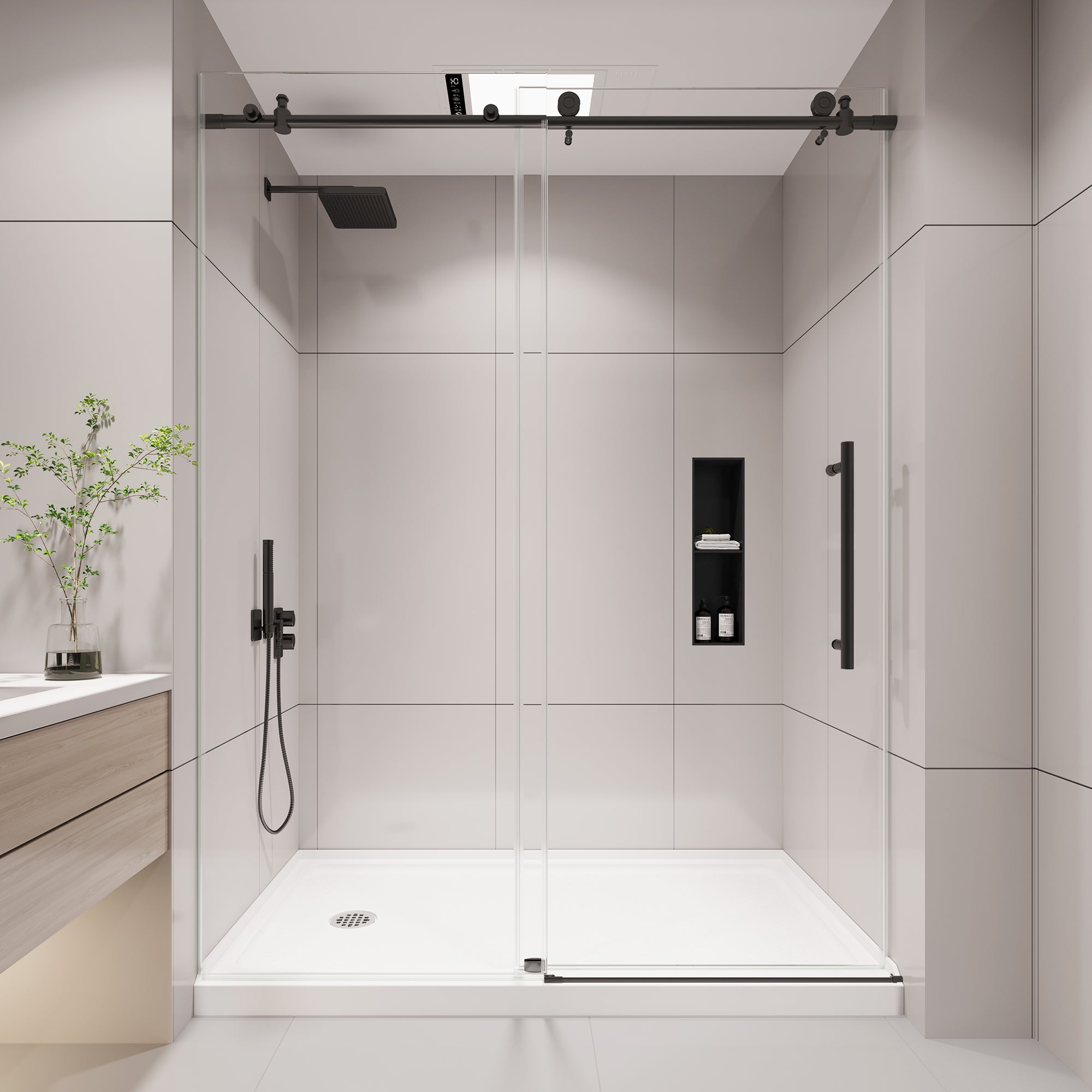
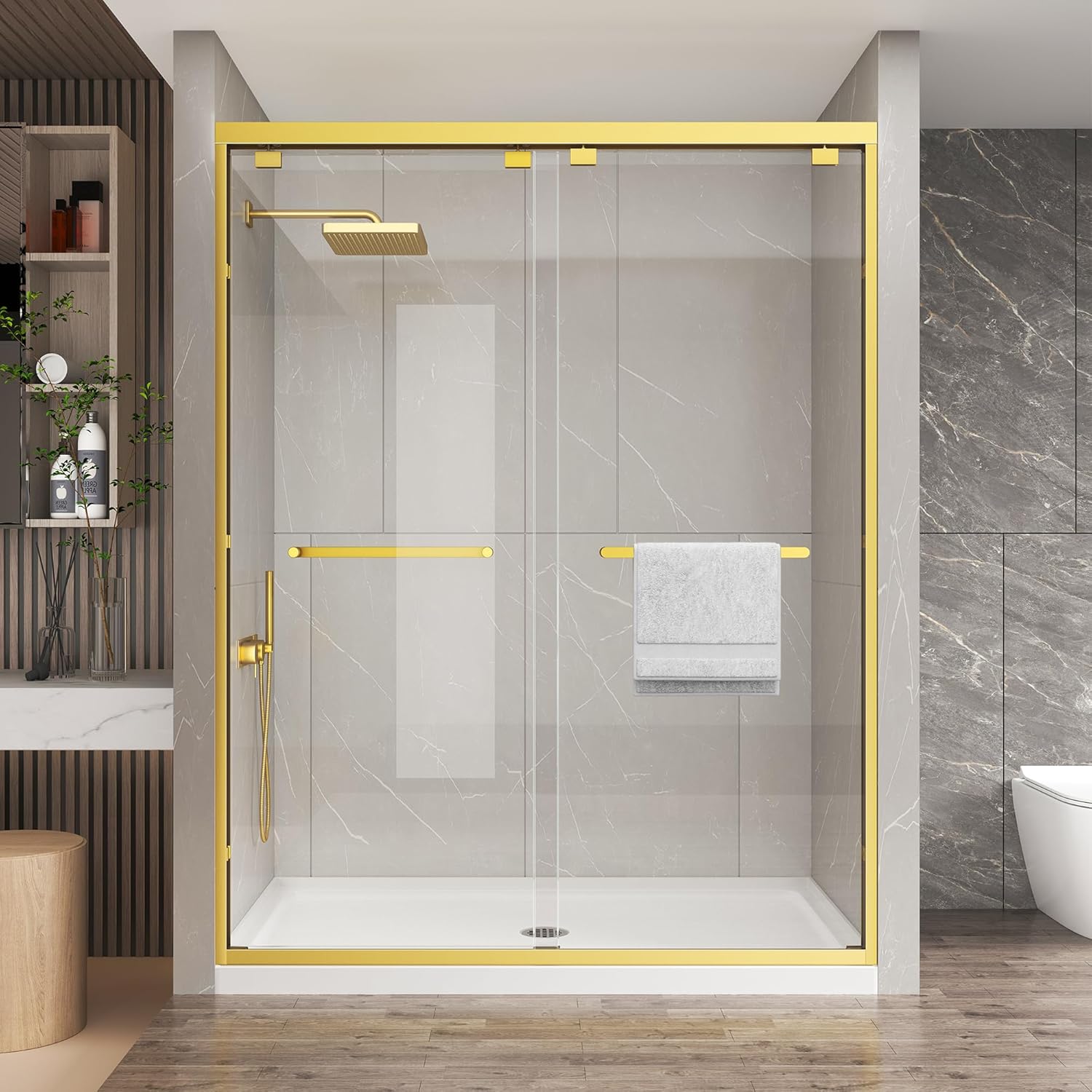
Small bathroom layouts in the United States present a constant battle against tight dimensions. The standard 5x8 foot residential bathroom footprint leaves contractors and homeowners fighting for every inch of clearance. Packing a toilet, a 30-inch vanity, and a standard 60-inch tub or shower alcove into this space usually results in a cramped, compartmentalized room. Installing traditional framed shower enclosures or utilizing opaque shower curtains builds visual walls. These barriers chop the limited square footage into divided, claustrophobic zones. Swinging hinged doors make the problem worse, requiring a 28-inch outward swing that often collides with toilets or vanity cabinets.
In 2026, remodeling professionals prioritize spatial continuity. Frameless sliding shower systems solve the footprint problem by eliminating swing arcs and stripping away bulky aluminum headers, heavy side jambs, and visual barricades. Utilizing heavy tempered architectural glass, these systems open sightlines across the entire room. Light travels unimpeded, revealing the shower's back wall and floor tile. This optical continuity deceives the human eye into registering the complete architectural footprint of the bathroom rather than just the dry area. This guide details the structural mechanics, stringent plumbing codes, and spatial advantages of utilizing heavy glass frameless sliding mechanisms to maximize small bathroom spaces.
Optical Physics: Light Transmission in Tight Spaces
Human perception of room size relies entirely on lighting and uninterrupted sightlines. Opaque barriers absorb ambient light and block task lighting, creating heavy shadows that truncate the room's visible depth. Frameless clear glass operates differently, allowing maximum light transmittance. When you stand at the bathroom threshold, a frameless enclosure allows your line of sight to travel straight to the back wall of the shower wet zone, instantly adding up to 36 inches of perceived depth to a standard layout.

Contractors often recommend upgrading to low-iron glass for the ultimate space-expanding effect. Standard clear tempered glass contains iron particles that produce a distinct green tint, which becomes highly visible on the polished edges of the door. Low-iron glass (often referred to by commercial names like Starphire) removes this green hue, resulting in ultra-clear, edge-to-edge transparency. Pair ultra-clear glass with a 4000K LED wet-rated recessed light positioned directly above the shower pan. Flooding the shower enclosure with bright, neutral light effectively turns the glass invisible and highlights the tile work, drawing the eye outward and expanding the room's spatial reality.
Framed vs. Frameless: A Structural Comparison
Understanding the fundamental engineering differences between framed and frameless units highlights why frameless systems dominate modern compact bathroom designs. Framed units depend on an external aluminum skeleton for structural integrity. Because the metal frame carries the load, manufacturers use thinner, cheaper glass (typically 1/8-inch or 3/16-inch thick). Frameless systems eliminate the skeletal framing entirely. They rely on the structural rigidity of thicker, heavier glass and minimalist, heavy-duty stainless steel mounting hardware.
| Structural Component | Frameless Sliding Systems | Traditional Framed Systems | Impact on Small Bathrooms |
|---|---|---|---|
| Visual Footprint | Zero vertical framing. Exposed, flat-polished glass edges. | Thick vertical side jambs, heavy top headers, wide bottom tracks. | Frameless systems eliminate the "box" effect, making tight spaces feel open and connected. |
| Glass Specifications | 3/8" (10mm) or 1/2" (12mm) heavy tempered safety glass. | 1/8" to 1/4" standard tempered glass. | Thicker glass provides necessary structural rigidity without needing intrusive metal wall supports. |
| Clearance & Operation | Parallel sliding operation. Zero outward clearance needed. | Hinged doors require a 28"+ outward swing arc. | Sliding tracks prevent the glass door from hitting the toilet bowl or vanity in cramped layouts. |
| Maintenance & Hygiene | Minimalist bottom guide block. No continuous track to collect water. | Deep U-channels and continuous bottom tracks trap soap scum and promote mold. | Easier cleaning; maintains a pristine, reflective surface that enhances ambient room lighting. |
Mechanical Advantages of Bypass and Barn-Door Sliders
Hinged shower doors demand empty floor space. A standard swinging door requires a massive clearance radius that simply does not exist in a 5x8 footprint. If your vanity sits 18 inches from the shower curb, a swinging door is physically impossible to operate safely. Sliding mechanisms neutralize this spatial conflict entirely by operating on a parallel horizontal axis.
Modern bypass and barn-door style sliding systems utilize heavy-duty top support bars and oversized, exposed roller bearings. These engineered systems suspend the massive glass panels from above. The bottom of the door relies only on a discrete center guide block rather than a full-length, scum-catching track. This floating aesthetic contributes heavily to the minimalist, space-saving design trend. Dual-bypass systems allow both glass panels to slide independently. This provides flexible, reversible access to plumbing mixing valves from either side of the enclosure—a mandatory feature when the shower head is located on the same wall as the toilet.
Integrating high-quality hardware is critical for longevity. Sourcing precision-engineered enclosures like KPUY Shower Doors ensures the heavy glass panels glide smoothly over thousands of cycles without compromising the watertight seal. High-end roller hardware utilizes 304 or 316-grade stainless steel and includes anti-jump pins that prevent the door from derailing, a common and dangerous failure point in cheaper, zinc-alloy assemblies.
Rough-in Specifications: Blocking, Plumb, and Substrates
Achieving the seamless, expansive look of a frameless slider requires rigorous, zero-tolerance adherence to construction standards during the rough framing phase. Frameless heavy glass exposes every flaw in the wall substrate. Standard framed enclosures utilize deep metal U-channels that can hide up to 1/2-inch of out-of-plumb walls. Frameless systems do not offer this luxury.
Wall Plumb Tolerances: Walls must be perfectly plumb. If a wall leans more than 1/4-inch to 3/8-inch from bottom to top over a 72-inch vertical span, the heavy glass panels will not align correctly with the wall or with each other. Water will escape through the resulting uneven gaps. Contractors must verify plumb lines with a 6-foot level during the rough framing stage. If sistering studs is required to achieve a perfectly vertical plane, do it before hanging the cement board and applying waterproofing.
Structural Wood Backing: A single 3/8-inch thick glass panel weighs approximately 4.64 pounds per square foot. A standard 30x72 inch sliding panel weighs roughly 70 pounds, placing immense dynamic stress on the top mounting track. The structural header bar for a sliding system must anchor directly into solid wood. Installing 2x6 horizontal wood blocking between the wall studs behind the cement board—at the exact specified height of the header bar—is mandatory. Attempting to mount a heavy frameless sliding track into hollow drywall or cement board using plastic wall anchors will result in catastrophic failure under load.
Curb Slopes, Pans, and IPC Code Compliance
Because frameless sliding systems lack a high-profile, watertight bottom metal track to dam escaping water, the shower curb itself must do the heavy lifting for water containment. The physical pitch of the threshold is the only thing keeping water inside the wet zone.
The shower curb must pitch toward the internal shower drain at a precise slope of 1/4-inch per foot. If the curb is laid perfectly level, or worse, pitched slightly outward toward the bathroom floor, water will inevitably pool under the sliding glass and leak into the dry area. Furthermore, when mounting the bottom center guide block, contractors must drill directly into the curb. Inject 100% silicone sealant into these drill holes before setting the masonry anchors. This prevents capillary action from drawing moisture down through the screw threads and compromising the shower pan's waterproofing membrane. Strict adherence to the International Plumbing Code (IPC) regarding shower pan dimensions, structural waterproofing, and slope tolerances is non-negotiable for a leak-free installation.
ANSI Z97.1 Standards and Heavy Glass Safety
Safety dictates design when suspending massive panes of architectural glass in wet, slip-prone environments. All shower glass manufactured and installed in the United States must comply with strict federal safety codes.
- Tempering Requirements: Glass must be fully tempered to meet ANSI Z97.1 and CPSC 16 CFR 1201 standards. The tempering process involves heating the glass to over 1,100 degrees Fahrenheit and rapidly cooling it. This makes the panel four to five times stronger than standard annealed glass. If impacted severely enough to break, tempered glass shatters into small, blunt, pebble-like pieces rather than dangerous, jagged shards.
- Permanent Identifying Marks: Building inspectors look for the permanent safety "bug" or stamp. This must be etched or fired into one of the corners of every glass panel. This mark verifies the manufacturer, the safety standard, and the glass type. You can verify certification standards through the Safety Glazing Certification Council (SGCC). For a detailed breakdown of these safety ratings and how to verify your glass before installation, read our extended guide: Why SGCC Certification Matters: The Truth About Shower Glass Safety.
- Hardware Torque Ratings: The stainless steel top track and roller assemblies clamp directly through precision-cut holes in the glass. Over-torquing the mounting hardware creates invisible stress risers around the cutouts, leading to spontaneous breakage weeks or months after installation. Torque settings must follow the manufacturer's exact specifications using a calibrated torque wrench.
Tile Integration and Visual Expansions
A frameless sliding door is the physical anchor of the room, but supporting design choices amplify the spatial illusion. Treating the entire bathroom as a cohesive, continuous zone prevents the eye from stopping abruptly at the shower threshold.
- Continuous Flooring Material: Run the exact same floor tile from the main bathroom area directly over the shower curb and into the shower pan. Breaking the flooring material with a solid white marble curb or mismatched tile creates a hard visual stop. Continuous material tricks the brain into registering a larger, unbroken floor area.
- Large-Format Wall Tile: Use large-format porcelain tiles (such as 12x24, 24x48, or even slab panels) inside the shower enclosure. Fewer grout lines mean less visual clutter and less geometric distraction. Install rectangular tiles horizontally to stretch the perceived width of the back wall.
- Eliminate Contrasting Grout: Match the grout color as closely as possible to the tile color. High-contrast grout (like dark gray grout on white subway tile) creates a busy grid pattern that visually shrinks the space. Monochromatic walls fade into the background, emphasizing the depth provided by the clear glass.
Frequently Asked Questions (FAQ)
Do frameless sliding shower doors leak water?
Properly installed frameless sliding doors do not leak under normal ambient shower conditions. However, they rely on tightly engineered structural gaps (usually 1/16 to 1/8 inch), clear polycarbonate sweep seals along the vertical edges, and a correctly pitched shower curb. If a high-pressure handheld shower wand is sprayed directly at the overlap gaps, minor weeping will occur. Standard water deflection off the body is handled easily by the architectural layout.
What is the standard glass thickness for sliding enclosures?
For most residential bypass and sliding barn-door configurations spanning up to 60 inches wide, 3/8-inch (10mm) tempered glass is the industry standard. It provides excellent structural rigidity, safety, and a premium, substantial feel. 1/2-inch (12mm) glass is exceptionally heavy and is typically reserved for massive, custom fixed panels or extra-tall installations exceeding 80 inches in height, requiring significantly beefier, commercial-grade support tracks.
Can I install a heavy glass frameless sliding door myself?
While possible for highly experienced DIYers, professional installation is strongly recommended. Handling 3/8-inch heavy glass requires two capable adults and heavy-duty industrial suction cups. The panels are heavy, awkward to maneuver in tight spaces, and extremely fragile on the corners. Furthermore, drilling into porcelain tile to mount the heavy-duty header track requires specialized diamond drill bits and precise measurements to ensure the track is perfectly level.
Final Project Execution
Removing visual barricades transforms cramped 5x8 bathroom layouts into open, functional environments. Frameless sliding shower systems execute this transformation by eliminating swing arcs, maximizing ambient light transmission, and stripping away visually heavy metal framing. Success relies heavily on meticulous rough framing, perfectly plumb tile work, and precise hardware installation. Address the wood structural backing before the cement board goes up, verify the curb pitch before the tile sets, and select high-quality stainless steel rolling hardware. Executing these technical details ensures the shower enclosure operates safely while dramatically expanding the spatial reality of the room.

Dejar un comentario
Todos los comentarios se revisan antes de su publicación.
Este sitio está protegido por hCaptcha y se aplican la Política de privacidad de hCaptcha y los Términos del servicio.