
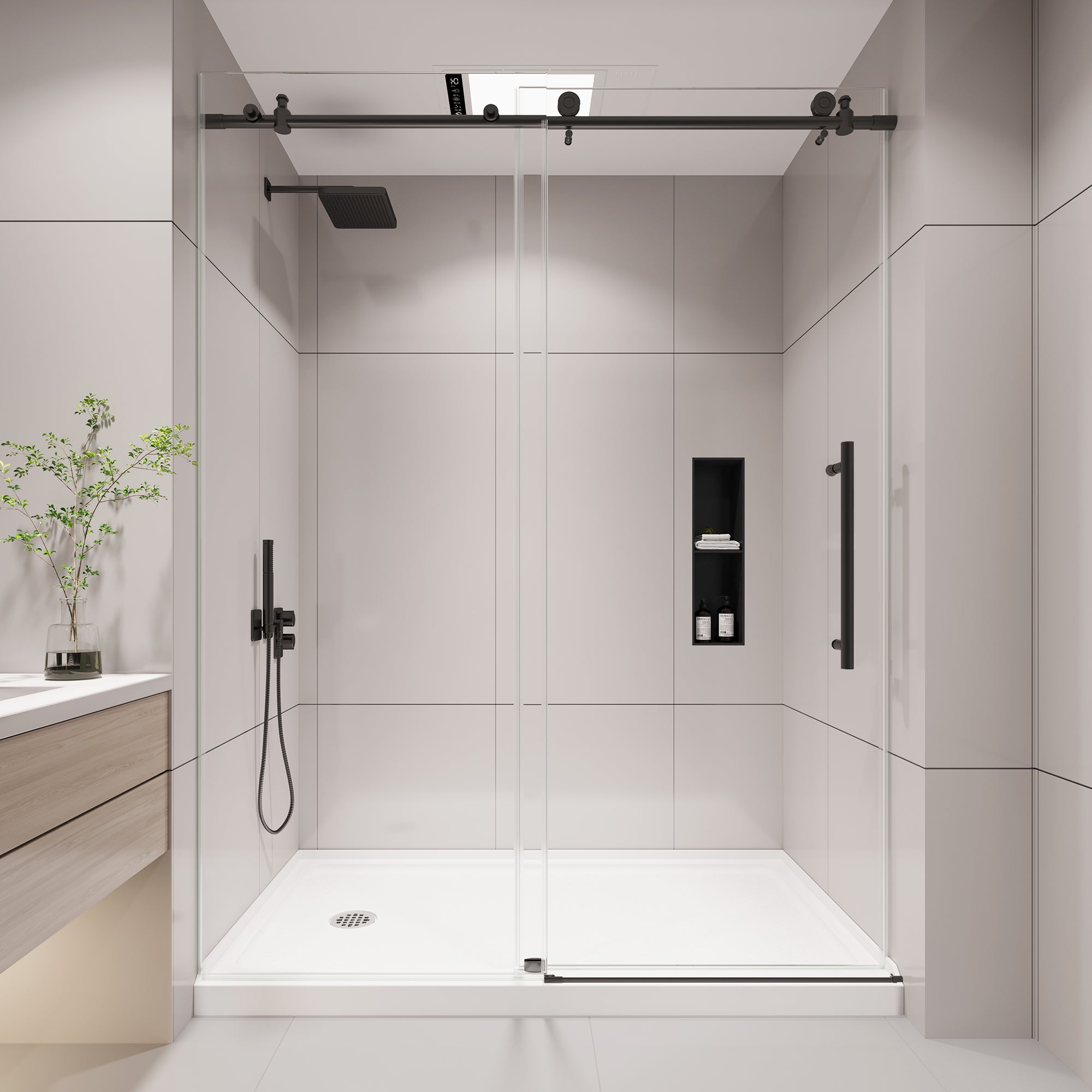
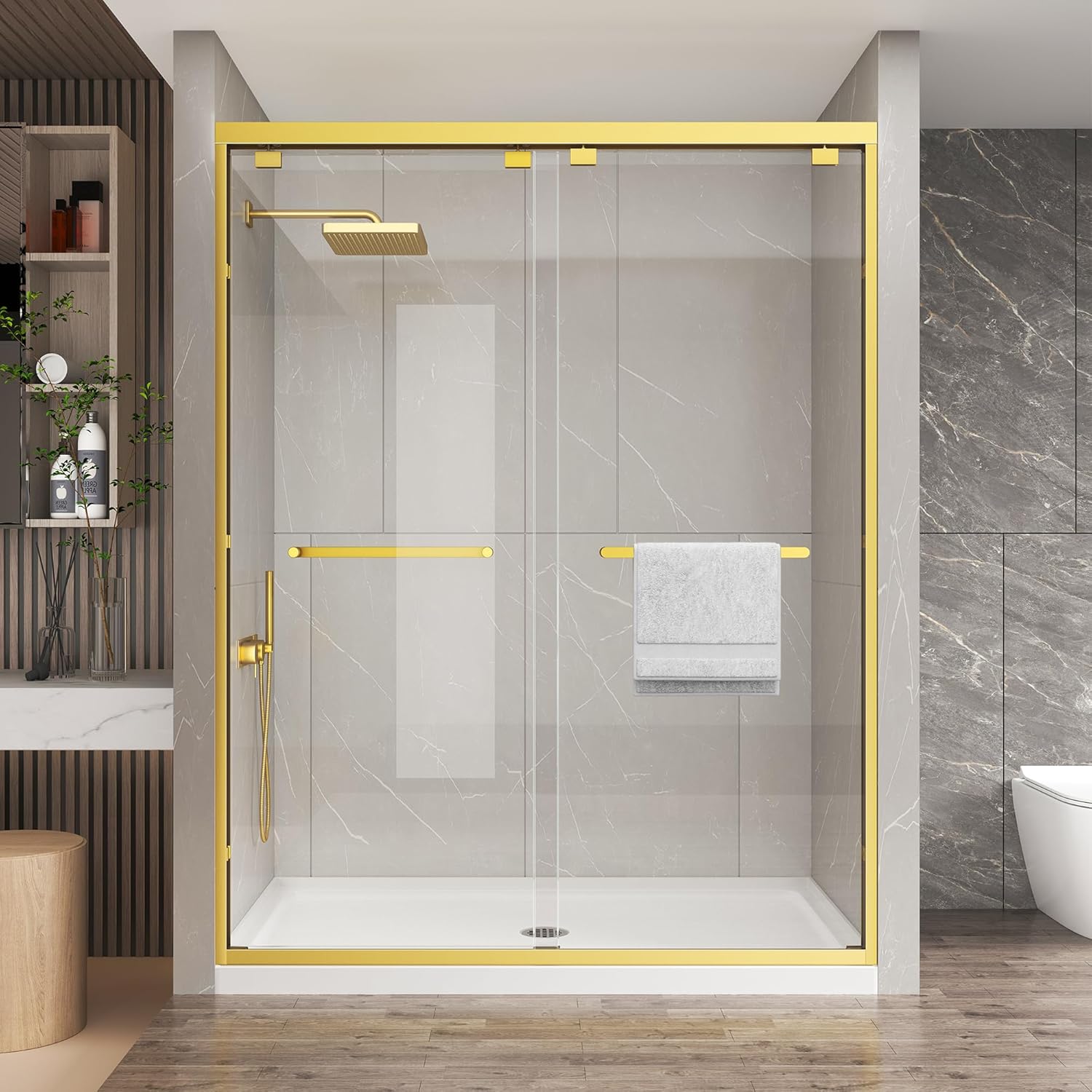
Sliding shower doors are a common choice in American bathrooms because they save space and look clean. But homeowners often ask the same practical question: do sliding shower doors leak? From my 20+ years installing and remodeling bathrooms across different house vintages, the short answer depends on design, installation tolerances, and site conditions. A correctly specified and well-installed sliding door should not leak into the surrounding floor or wall; leaks I see on jobs are usually due to predictable installation or site problems—not a fundamental flaw of sliding doors.
Quick answer
Short, direct answer: Properly installed sliding shower doors that use tempered glass meeting ANSI Z97.1, sit on a correctly built pan with an adequate curb slope, and have properly sealed tracks and door sweeps should not leak. Most leaks are caused by installation errors, site irregularities (out-of-plumb walls, uneven curb), or worn seals and hardware, not by the sliding door design itself.
Why sliding shower doors leak
Understand the typical leak pathways before blaming the door. Sliding doors create several potential routes for water:
- Between the door and bottom track where water pools and escapes through the ends or worn seals.
- Gaps caused by out-of-plumb walls or uneven curb that prevent proper seal compression.
- Poorly sloped shower pans that allow water to reach the outer track instead of draining.
- Failed silicone joints or missing backer rod at the curb-to-tile or jamb-to-wall interfaces.
- Damaged rollers or misaligned panels that create unexpected gaps during operation.
Each route points to a specific corrective action. Sliding doors are forgiving on space and traffic flow, but they need the right substrate and tolerances.
Common leak issues and signs
Here are the symptoms I see in the field and what they usually mean:
| Symptom | Likely cause | Quick fix | Typical time/cost |
|---|---|---|---|
| Water on bathroom floor after shower | Track overflow or bottom sweep failure | Replace sweep, re-seal track ends | 1–2 hours, $30–$120 |
| Weeping through wall or base of curb | Bad curb slope or failed waterproofing | Open and repair pan waterproofing / apply new mortar and membrane | Half day to full day, $300–$1,200+ |
| Continuous small drips from bottom of track | Clogged weep holes or trapped water in track | Clear weep holes, create or redirect drainage | 30–90 minutes, $0–$100 |
| Leaks only when door slides open or closed | Out-of-plumb jambs or misaligned rollers | Shim jambs, adjust rollers, verify glass clearances | 1–3 hours, $50–$200 |
How to diagnose and fix leaks
Diagnosing a leak means isolating the path and recreating the condition. I use a methodical check list on every job:
- Dry the area and run the shower with a bucket to the drain. Watch where water pools and where it escapes.
- Inspect the curb slope. A good rule: aim for about 1/4 inch per foot slope toward the drain so water doesn't sit in the track.
- Check wall plumb and reveal. Out-of-plumb walls over 1/4 inch in a 4-foot run require shimming or a full jamb adjustment.
- Remove the bottom rollers or panel and inspect the track for debris and weep holes. Clean and test water flow.
- Examine seal material: vinyl sweeps, felt, and channel gaskets compress differently; if compressed beyond their tolerance they fail.
Common repair items include re-leveling the track, replacing vinyl bottom sweeps, resealing ends with a properly tooled silicone joint, and in worst cases rebuilding the curb and pan. For replacement glass, I specify tempered glass per ANSI Z97.1 and prefer 3/8" (10mm) for residential bypass doors; 1/2" (12mm) is ideal for semi-frameless installs where rigidity is needed.
If you’re unsure of the source, run a controlled test: plug the drain and fill the pan to a shallow level. If water escapes, the pan or curb waterproofing is compromised. If water drains but tracks still leak with running shower, the door seals or track drainage need attention.

Real jobsite experience
On older homes I remodel, the number-one culprit is out-of-plumb walls and uneven tile. I recently replaced a sliding door in a 1930s house where the plaster wall bowed 3/8" out of plumb over a 3-foot run—the original installer jammed the frame straight and compressed the vinyl seals, which split within a year. My fix was to remove the frame, shim the jambs to true, re-cut the bottom sweep to fit the new reveal, and add a bead of structural-grade silicone at the curb. The homeowner’s leak stopped immediately.
I also see installers cut glass too close to the jamb on-site, leaving less than the recommended tolerance. Correct allowance for glass sizing is usually 1/8" to 3/16" per side for sliding bypass doors to accommodate hardware and shims. If you measure a custom panel, always allow those clearances and check the roller adjustments before final silicone. That kind of real-world detail saves callbacks.

Maintenance and prevention
Preventing leaks is mostly about doing three things right and keeping up with small repairs:
- Site prep and slope: Build the pan with consistent slope—1/4" per foot toward the drain on tile pans is a good baseline.
- Proper seals and hardware: Use quality bottom sweeps and replace them every 3–5 years in high-use households. Confirm your glass meets tempered safety standards (ANSI Z97.1).
- Track drainage: Keep weep holes clear and ensure drains under open tracks exist. Small holes get clogged with hair and gunk.
Simple homeowner checks: once a year lift the sliding panels, clean the track with a soft brush, and inspect the vinyl sweeps. Replace any brittle or split seals immediately. For operational issues, adjust rollers instead of forcing the door—misadjustment is often the start of long-term leaks.
FAQ
Will a sliding shower door always need a curb?
Not always. Sliding doors typically sit on a curb when used with a traditional tiled shower pan. Low-threshold and curbless showers require different door systems—often a bi-pass or fixed panel combined with water barriers and careful slope design. For curbless installs, glass panels and a linear drain are a better choice to control splash.
Can I fix a leaking sliding door myself?
Small problems—replacing sweeps, clearing track debris, and re-sealing silicone joints—are DIY-friendly with basic tools. Anything involving the shower pan, curb rebuild, or structural waterproofing should be handled by a pro. If the leak source is unclear after simple checks, call a qualified contractor to avoid hidden water damage.
Does glass thickness affect leakage?
Indirectly. Thicker glass (1/2") is stiffer and reduces panel deflection, which helps maintain seal compression in semi-frameless designs. In sliding bypass systems, 3/8" is common and fine when installed with the correct hardware and tolerances. Always use tempered glass for safety and code compliance.
Final note
Sliding shower doors do not have to leak. Most leaks are traceable to site conditions, installation tolerances, or aging seals. If you’re planning a remodel, specify tempered glass that meets ANSI Z97.1, confirm curb and pan slope, and allow installer tolerances for out-of-plumb walls. For replacement doors or upgrades, consider a proven product line and check the hardware warranty.
If you’re shopping for replacement doors, I regularly recommend checking reliable options—like KPUY Shower Doors—and pairing them with proper pan and curb work. For installation and code questions, the National Kitchen & Bath Association provides solid design guidance: NKBA. For code and safety standards resources, consult the International Code Council: ICC.

Dejar un comentario
Todos los comentarios se revisan antes de su publicación.
Este sitio está protegido por hCaptcha y se aplican la Política de privacidad de hCaptcha y los Términos del servicio.