
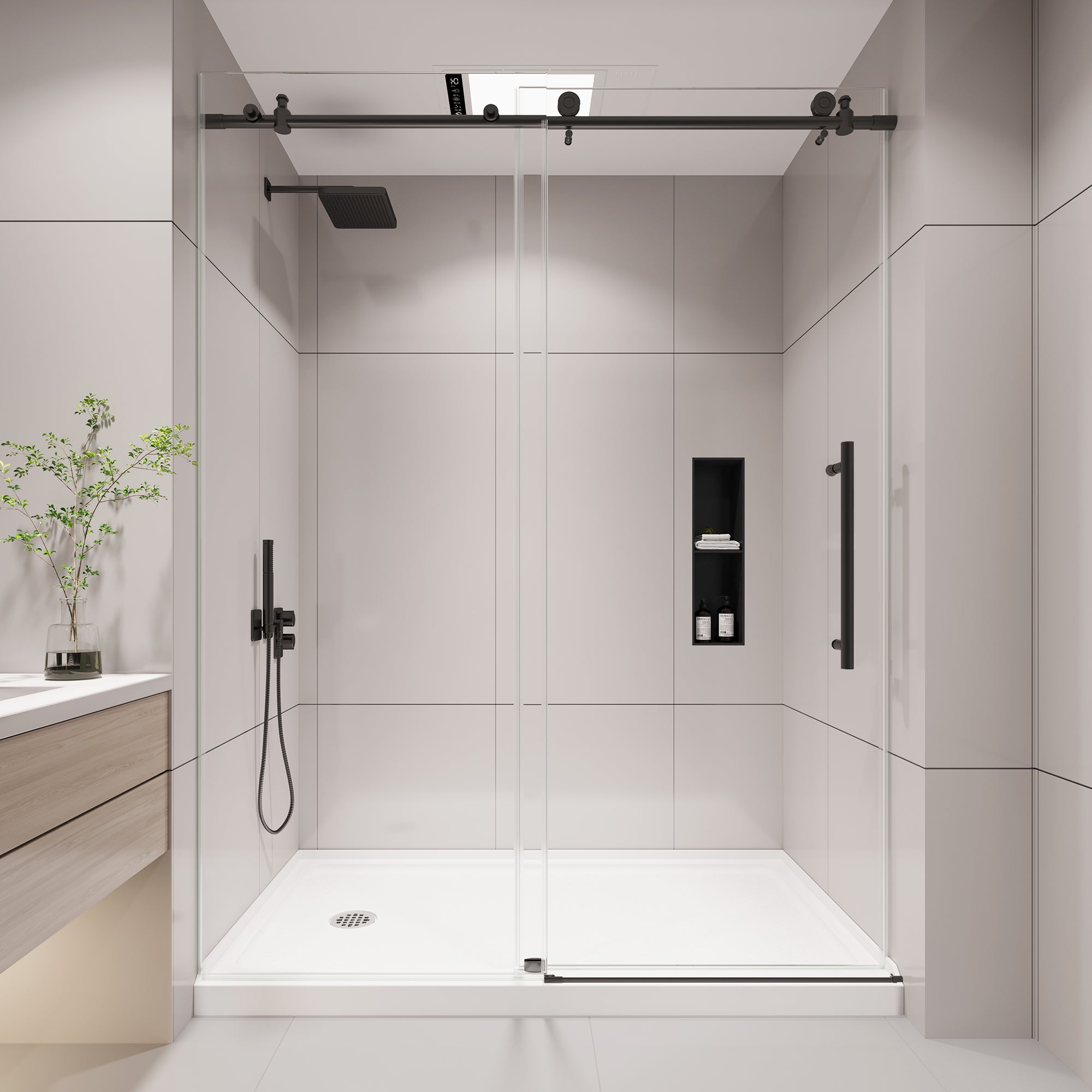
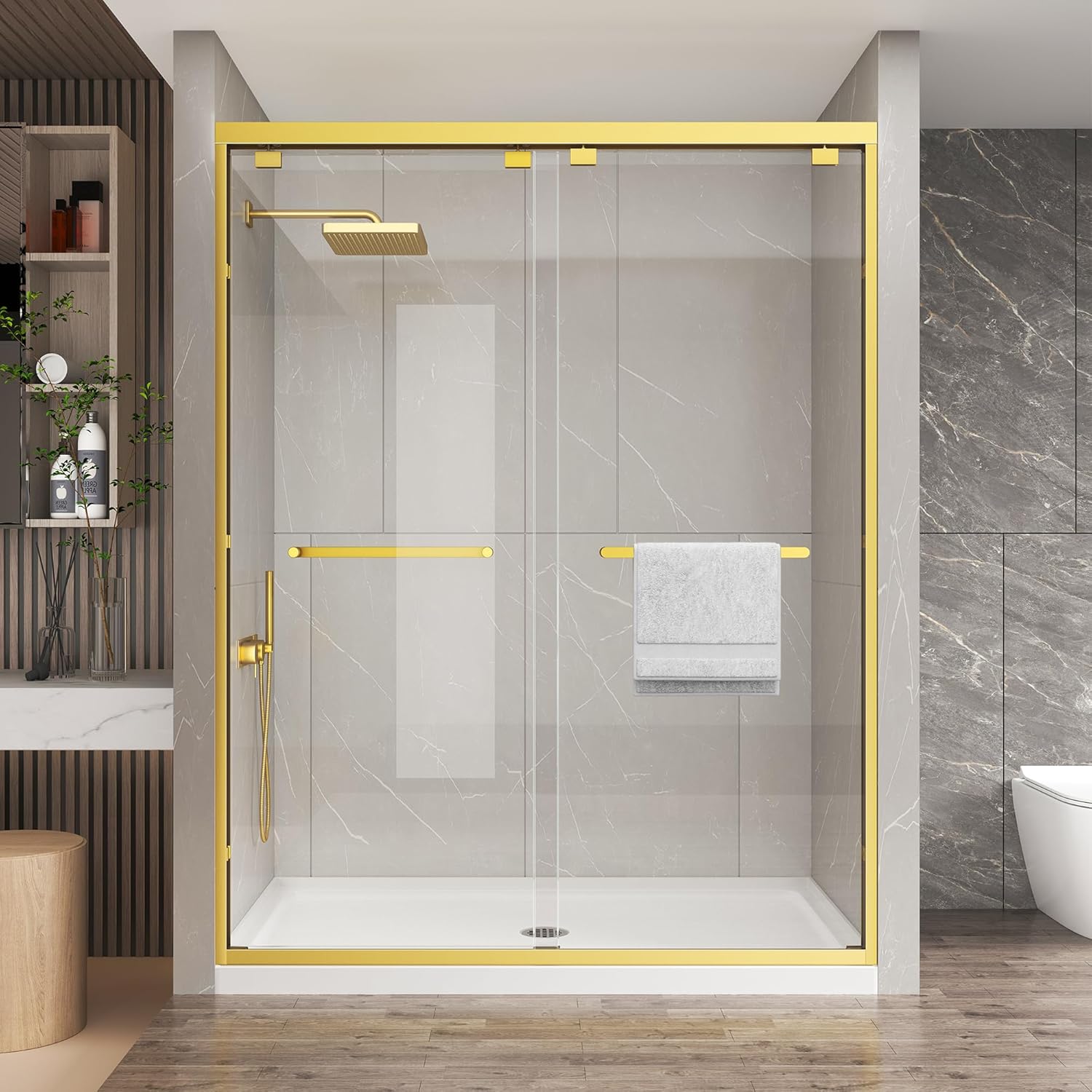
Most homeowners ask the same practical question when their bathtub starts leaking or the finish is shot: can I replace the tub without ripping up the floor? Short answer: sometimes — but not always. With 20+ years installing tubs, surrounds and showers in American homes, I’ll walk you through the real criteria that determine whether the floor stays, what to check on the jobsite, and how to plan for code, tolerances and costs in 2026 trends like low-threshold showers and preformed shower pans.
Quick answer (featured snippet)
Yes, you can often replace a bathtub without replacing the floor if the subfloor under the tub is dry, structurally sound, and the new fixture fits the existing rough-in and drain location. If there is rot, widespread water damage, or you want to change tub-to-shower footprint or drainage orientation, you should plan to replace or repair the floor.
When the floor can stay
Keep the floor when these conditions are met:
- Subfloor is dry and solid. No soft spots, no mold, and fasteners are tight.
- Drain rough-in matches. The drain location (center/offset) and trap position match the new tub or shower base within installation tolerances.
- Floor height and threshold work. Existing floor-to-subfloor heights meet code and finish expectations for a new surround or low-threshold shower.
- Wall studs and backerboard are sound. You can reuse existing backer or install new cement board without exposing rotten framing.
Common scenarios where the floor can stay include replacing a worn acrylic tub with a new acrylic tub of the same size, or converting to a preformed shower base designed for the same rough-in. Preformed pans and modular products simplify installation and reduce the need for subfloor work — check Shower Bases for off-the-shelf options that often match standard rough-ins.

When you must replace the floor
Plan to replace or repair the floor when you find any of these issues:
- Rot or soft subflooring — any moisture-damaged plywood or OSB under the tub compromises structural integrity and adhesive bonds for tile or pans.
- Framing damage — compromised joists, sistering needed, or termite damage.
- Changing layout — moving the drain, switching from alcove tub to curbless shower, or widening the shower footprint.
- Inadequate slope or improper curb slope — showers require specific slopes to the drain; correcting a bad curb or slope often means reopening the floor system.
- Code compliance issues — earlier installations without required clearances, improper rough-in height, or non-compliant trap/vent configurations.
Step-by-step assessment
Here’s the method I use on every replacement job to decide whether the floor can stay. This is practical, no-nonsense field work — not a guessing game.
- Remove trim and access the tub flange — knock out enough tile or drywall to inspect the flange and the condition of the subfloor at the tub perimeter.
- Probe the subfloor — use a screwdriver to test for softness at multiple points (center, around the drain, and outboard). Softness indicates rot.
- Check the joists — look under the floor (basement or crawlspace) for wet joists, mold, or broken hangers.
- Measure rough-in dimensions — measure from wall to center of drain and compare to new fixture tolerances. Most tubs accept +/- 1/2" drift, but verify manufacturer specs.
- Verify floor level and out-of-plumb walls — many older homes have out-of-plumb walls; account for that when ordering surrounds, glass, or a replacement tub. If walls are more than 1/4" out over 48", you’ll need furring or shimming.
- Decide and document — mark salvageable areas and any repairs needed if you elect to keep the existing subfloor.
Tools and quick checks
- Moisture meter — check the subfloor moisture content before reinstalling tile or a pan.
- Level and straightedge — check for crown or sag in the floor and out-of-plumb conditions at walls.
- Camera/photos — document conditions for the homeowner and for warranty/claim purposes.
Installation tolerances matter: preformed pans typically allow a 1/4"–1/2" variance on drain location. Tile-and-mud pans and custom curbs are less tolerant of hidden rot because they rely on a sound mortar bed.

Cost and timeline
Costs vary regionally, but here are typical ranges and timelines based on real jobs I’ve run in the last decade. All prices are for reference only—your local market and material selections will change the final number.
| Scenario | Floor work required? | Typical time | Estimated extra cost (materials & labor) |
|---|---|---|---|
| Same-size acrylic tub swap, dry subfloor | No | 1–2 days | $300–$1,200 |
| Replace tub with preformed shower base (same rough-in) | Often no | 2–3 days | $500–$2,000 |
| Change drain location or convert to curbless | Yes | 3–7 days | $1,500–$6,000+ |
| Repair rot/sister joists and replace subfloor | Yes | 3–5 days | $1,200–$4,000 |
Tip: Replacing the floor is the point where most remodel budgets jump. If you need to correct joists, adjust drain locations, or build a proper pan slope, accept that it’s a structural fix and not a cosmetic extra.
Real jobsite realities
Here’s the kind of thing that eats time and money but only shows up on-site: old homes with out-of-plumb walls (I see walls 1/2"–1" out over the tub height frequently), tile bed mortar that was poured directly onto rotted 3/4" plywood, and tubs set over 1/4" gaps that electricians or HVAC crews later stuffed with insulation. I once removed an old cast-iron tub and found the plumber had installed a non-conforming trap too low — fixing that required cutting the subfloor and dropping the trap, which added a day and several hundred dollars in parts.
Another recurring issue: homeowners switch to glass doors and underestimate the need for a tight curb and level floor. Tempered glass thickness and door manufacturers often require a maximum out-of-plumb tolerance and a square threshold. I always verify the threshold and curb, and when needed, rebuild the curb on a solid substrate so the glass can be mounted to a predictable plane — remember that tempered glass panels commonly specify installation tolerances for plumb and gap to avoid stress cracks (ANSI Z97.1 considerations).
Codes and standards
When you’re deciding whether to replace the floor, keep codes and standards in mind. Plumbing rough-in dimensions are governed by the International Plumbing Code (IPC) or Uniform Plumbing Code (UPC) depending on your jurisdiction — these control trap, vent and drain clearances. For design guidance and industry best practices, consult the NKBA and the International Code Council for local code references.
Also be aware of safety standards for glass (ANSI Z97.1) and local code on shower curb heights and wet-area thresholds. If your new design includes a framed glass door or frameless panels, plan for the glass thickness and mounting tolerances — frameless doors often require 3/8" or 1/2" tempered glass and specific anchor conditions to meet manufacturer and safety standards.
Frequently asked questions
Can I replace the tub and install tile without ripping up plywood underlayment?
If the plywood is dry, level and free of soft spots you can tile over it after installing appropriate cement backer and a proper waterproofing membrane. However, if the plywood is delaminating or your planned mortar bed requires a stronger base, you must replace it.
How close does the new tub drain need to be to the existing drain?
Most manufacturers tolerate roughly 1/4"–1/2" difference from centerline for direct-fit tubs and pans. For tile pans or relocated drains, expect to cut into the subfloor and reroute plumbing. Always check the tub or pan spec sheet and measure the rough-in before purchase.
Will a new shower base fit if my walls are out of plumb?
Preformed bases are forgiving on floor level but require plumb walls or furring to accept wall panels and doors. If walls are more than 1/4" out over 48", plan on shimming or furring to achieve a square installation for tile, glass or prefabricated surrounds.
Wrap-up and next steps
Replacing a bathtub without replacing the floor is a practical option when the subfloor is sound and the rough-in and wall conditions are within tolerances. Inspect, measure, and document before buying fixtures. If you need help matching rough-ins or locating a compatible preformed option, browse sensible off-the-shelf choices like Shower Bases and confirm the drain dimensions before ordering.
If you want professional guidance, have documented photos of the subfloor, the drain location, and a few pictures of the surrounding walls ready — those details let a contractor give you a realistic on-site estimate instead of a guess.

Dejar un comentario
Todos los comentarios se revisan antes de su publicación.
Este sitio está protegido por hCaptcha y se aplican la Política de privacidad de hCaptcha y los Términos del servicio.