
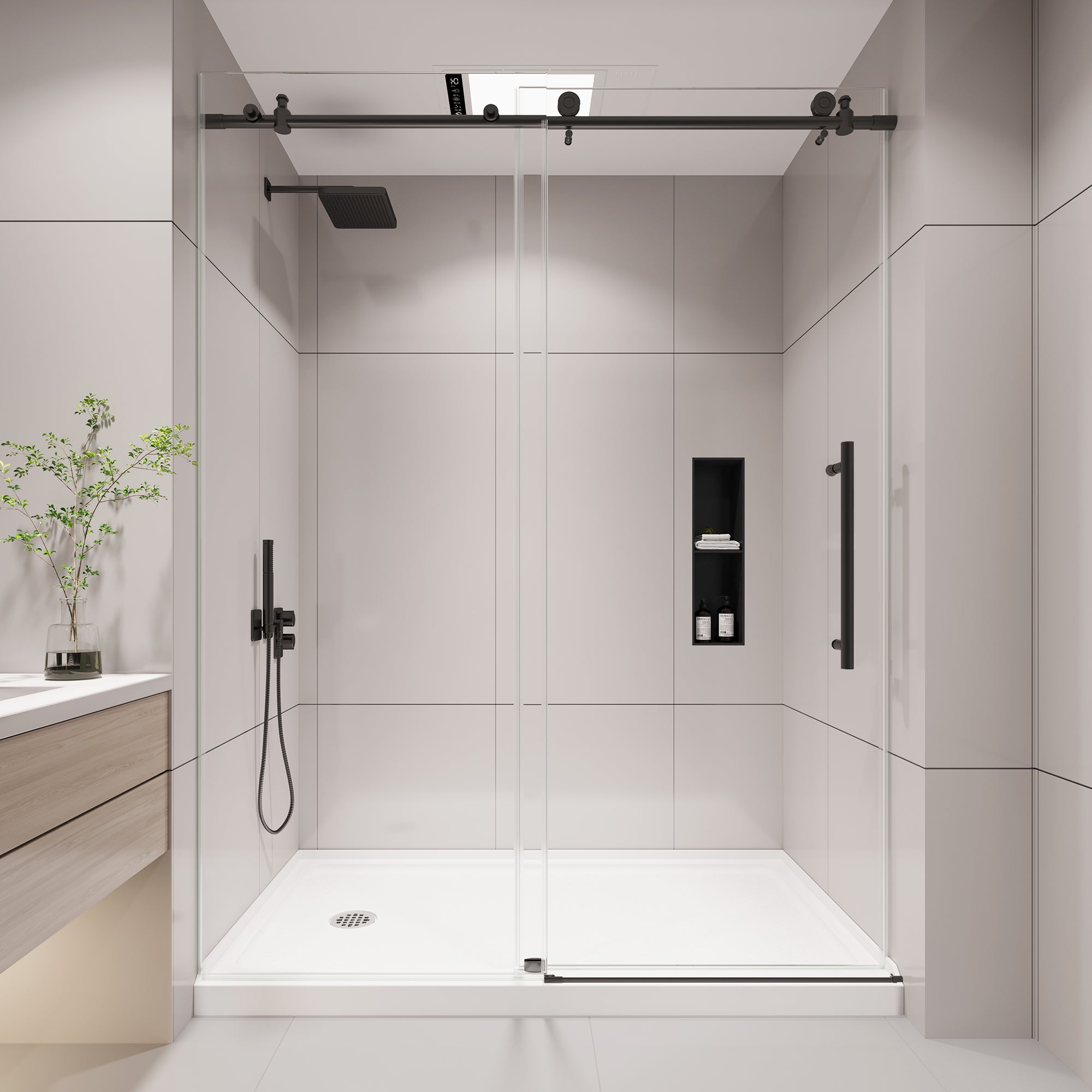
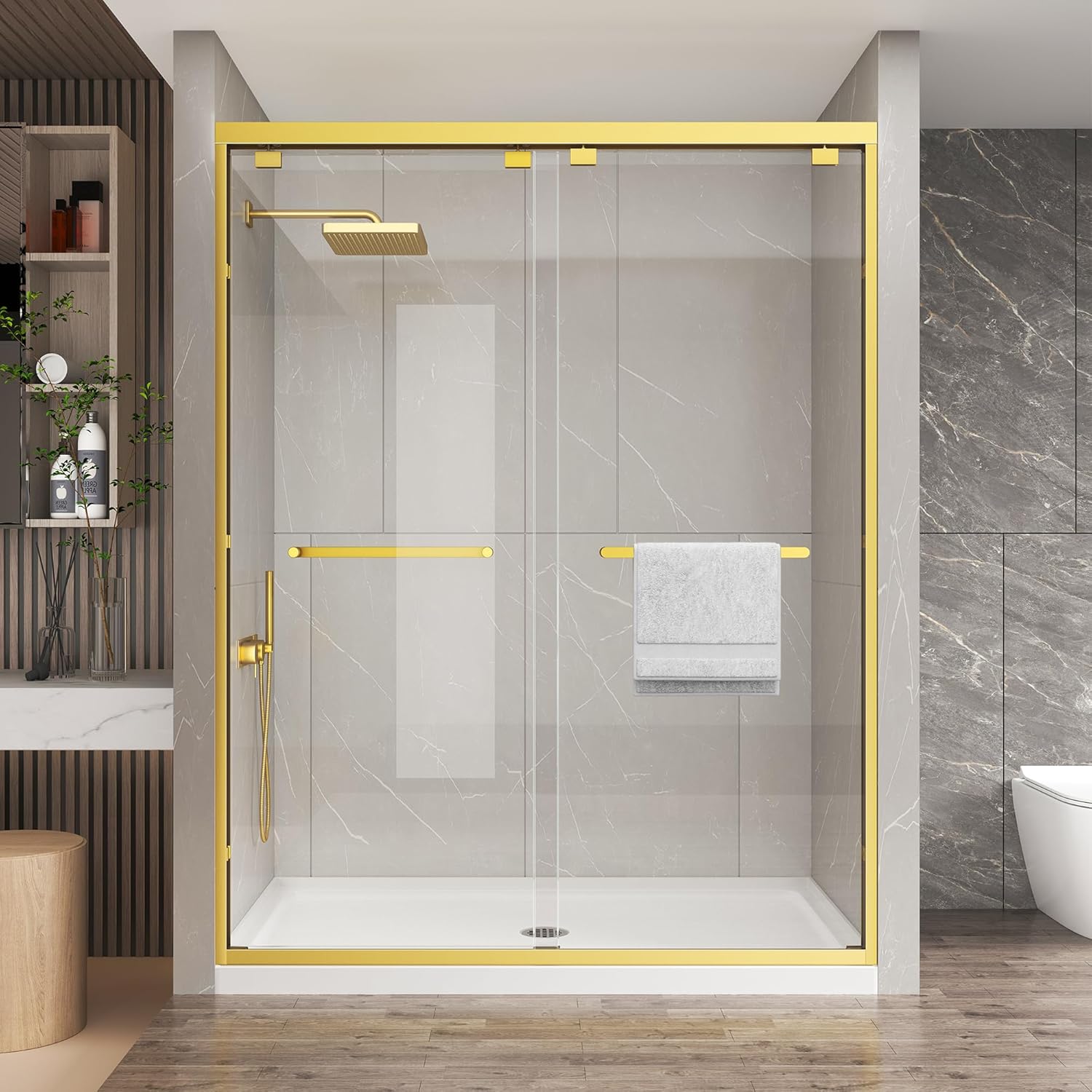
If your goal is swapping a bathtub for a shower without tearing up the subfloor to move the drain, you're asking the right practical question. Homeowners want a modern, accessible shower, but the plumbing location is often the single biggest cost-driver. With 20+ years on remodel sites, I’ll walk you through when the existing tub drain can stay, when you’ll be forced to move it, realistic tradeoffs, code and safety touch points, and the on-site realities—out-of-plumb walls, limited rough-in tolerances, and curb slope problems—that make some projects harder than they look.
Can you replace a tub with a shower without moving the drain? (Quick, practical answer)
Short answer: Yes — often. If the tub drain falls within the footprint you can accept for the new shower drain (including small offsets) you can keep it. If it’s significantly off-center for the new shower layout, or if the new shower requires a centralized drain for a tile floor or ADA slope, you’ll likely have to move it.
What “within the footprint” means in practice depends on the shower floor solution you pick. Preformed shower bases and some linear drains tolerate offset drains; traditional tiled pans require the drain roughly centered under the low point of the slope.
How it works: drain locations and shower pans
Understanding the existing rough-in is step one. Most bathtubs have their waste outlet positioned along the front edge or at a specific offset from the finished wall. A shower wants a 2" trap arm at a certain slope and a floor pan graded at 1/4" per foot to the drain. The main variables are:
- Rough-in distance: horizontal distance from finished wall to center of the drain.
- Trap configuration: tub trap versus shower trap arrangement and how the trap arm runs below the subfloor.
- Type of shower floor: pre-sloped base, custom mortar bed, or linear drain system.
Common practical outcomes:
- If your new shower base accepts the tub drain position, you don’t move the drain.
- If you want a tiled shower with center drain and the tub drain is several inches off-center, you often need to open the subfloor and re-pipe.
- If you use a linear drain positioned at the back threshold, you may be able to tie into the tub drain with less invasive work, depending on layout.
One important code and best-practice note: follow local plumbing code for trap and venting. The trap arm length, slope, and cleanout requirements are governed by IPC/UPC and local amendments; check the inspector early.
Jobsite considerations and real-life observations
From decades on real remodels, a handful of recurring, jobsite-level issues determine whether the drain can stay:
- Out-of-plumb walls: Older homes often have walls that are not plumb. That makes fitting preformed pans and frameless glass tricky — you need to account for up to 3/4" variance over a 6-foot wall in extreme cases.
- Rough-in variances: The drain’s centerline measured from the finished wall can vary; a tub might be 13–16" from the wall depending on the tub model. Measure twice, cut once.
- Subfloor condition: Water damage under bathtubs is common. If the subfloor is soggy, you’ll end up cutting into it anyway and may as well relocate the drain while you’re there.
- Curb slope and threshold: If you’re switching to a curbless or low-threshold shower, the existing trap and slope arrangements can complicate maintaining pitch without moving plumbing.
- Tempered glass and door fit: If you plan a frameless door, glass thickness and mounts need to match uneven walls; typical tempered glass used is 3/8" (10mm) or 1/2" (12mm) and must meet ANSI Z97.1 safety standards.
Real jobsite note: I once converted a 1930s tub into a walk-in shower. The wall was out-of-plumb by nearly 5/8" left-to-right, and the tub drain was 6" forward of where a center drain would ideally sit for a tiled pan. The homeowner wanted tile. We evaluated options: a custom mortar bed with the existing drain and a slightly off-center low point (acceptable), or move the drain and replace several joists. They chose to keep the drain and accepted a linear threshold and a niche reposition. The tradeoff saved about $2,500 and two days of demolition.
Installation tolerances you should expect: most shower bases permit ±1/4"–3/8" lateral adjustment before you must rework plumbing. Frameless glass tolerances are tighter — expect to shim and trim for 1/8"–1/4" variations.
Code references: check NKBA guidelines for layout and the ICC/International Code Council plumbing provisions for local code checks.

Product options that avoid moving the drain
Here are practical solutions I use on jobs to avoid moving the drain:
| Option | How it works | Pros | Cons |
|---|---|---|---|
| Preformed shower base | Prefinished acrylic or polymer pan with drain location that may match tub drain | Fast install, watertight, minimal plumbing changes | Limited design flexibility, may require wall modifications |
| Custom mortar bed with offset drain | Build slope to existing drain using mud bed | Full tile look, can accommodate off-center drains | Longer install, requires skilled installer and waterproofing |
| Linear drain at threshold | Linear drain ties into tub drain path or new connection at wall | ADA-friendly, allows single slope to wall | May require re-routing to match trap location |
| Kerdi or flange systems with flexible drain offsets | Membrane systems accept various drain positions | Reliable waterproofing, adaptable | Requires correct slope and experienced installer |
If you choose a preformed solution, check product drain offset specs carefully. Many boxed shower bases allow a few inches of lateral offset. A good resource for base selections is the Shower Bases collection, which lists drain positions and sizes.
When you need a tiled shower but want to avoid moving the drain, consider:
- Using a bonded waterproofing membrane (e.g., Schluter Kerdi) and a mortar bed that directs water to the existing drain.
- Installing a linear drain positioned to use the tub’s trap arm if plumbing geometry allows — this can sometimes avoid subfloor demolition.
- Accepting a slightly off-center tile pattern or installing a niche or bench to disguise the non-ideal drain placement.

Costs, timeline and when to move the drain
Here’s a practical breakdown so you can budget and schedule.
| Scenario | Typical additional cost to move drain | Time added | When required |
|---|---|---|---|
| Keep existing drain, install preformed base | $0–$500 | 0–1 day | Drain aligns with base or within allowed offset |
| Keep drain, custom tile mortar bed | $200–$800 (waterproofing / slope work) | 2–4 days | Tile desired, drain slightly off-center but usable |
| Move drain on same joist bay (access from below) | $800–$2,500 | 1–3 days | Easy access under floor; rerouting trap arm |
| Move drain with joist work / subfloor repairs | $2,000–$6,000+ | 3–7+ days | Joists need reinforcement, or plumbing under concrete slab |
When you’ll definitely move the drain:
- Existing drain sits outside the planned shower footprint and you want a centered drain for tile.
- You require a curbless or slope-to-door design that’s not compatible with current trap layout.
- Structural repairs or rotten subfloor force access and you prefer to rework plumbing while exposed.
Practical tip: If the job will already open the floor for rotten subfloor or joist repair, it’s almost always cheaper to relocate the drain while you have access.
FAQ (People Also Ask)
Can I install a tile shower without moving the drain?
Yes — you can install a tiled shower using a mortar bed and membrane that directs water to the existing drain if the drain is within a workable range. The installer must build proper slopes (1/4" per foot) from all directions to the drain and ensure the waterproofing system meets local code.
How much clearance do I need between drain and shower walls?
There’s no single number: it depends on the chosen pan or drain. For tiled pans, keep the drain within the low point of the slope — typically within a few inches of the planned center. Preformed bases will list exact offset tolerances. Frameless glass installations often require at least 3/8"–1/2" space for shims and sealants when walls are out-of-plumb.
Do I need tempered glass for my new shower door?
Yes. Shower door glass must be tempered and comply with ANSI Z97.1 safety glazing standards. Typical thicknesses are 3/8" or 1/2". For a frameless look, 3/8" is common; for larger panels or pivot doors, 1/2" may be recommended. Consult your installer for local code and wind/load considerations.
Final notes and next steps
Replacing a bathtub with a shower without moving the drain is a common, cost-saving path — but it’s not automatic. Start with accurate measurements: drain centerline from finished wall, subfloor condition, and wall plumb. If the drain is within the offset tolerance of a chosen shower base or membrane system, you can keep it and save time and money. If you must move it, plan for additional cost and time, and consider addressing subfloor or joist issues while you have access.
If you want a fast, lower-cost swap, evaluate high-quality preformed bases and systems that accept existing drain positions — check drain offsets before buying. For a tile project, prepare for custom slope work or moving the drain.
Next step: Measure the rough-in (center of drain to finished wall) and photograph the subfloor. Send those to your contractor or bring them to showroom staff. If you’re comparing bases, the Shower Bases collection is a useful place to confirm drain positions and options before committing.
Authoritative references and further reading:
- National Kitchen & Bath Association (NKBA) — layout and best-practice resources for bathing spaces.
- International Code Council — model plumbing and building code guidance.

Dejar un comentario
Todos los comentarios se revisan antes de su publicación.
Este sitio está protegido por hCaptcha y se aplican la Política de privacidad de hCaptcha y los Términos del servicio.