
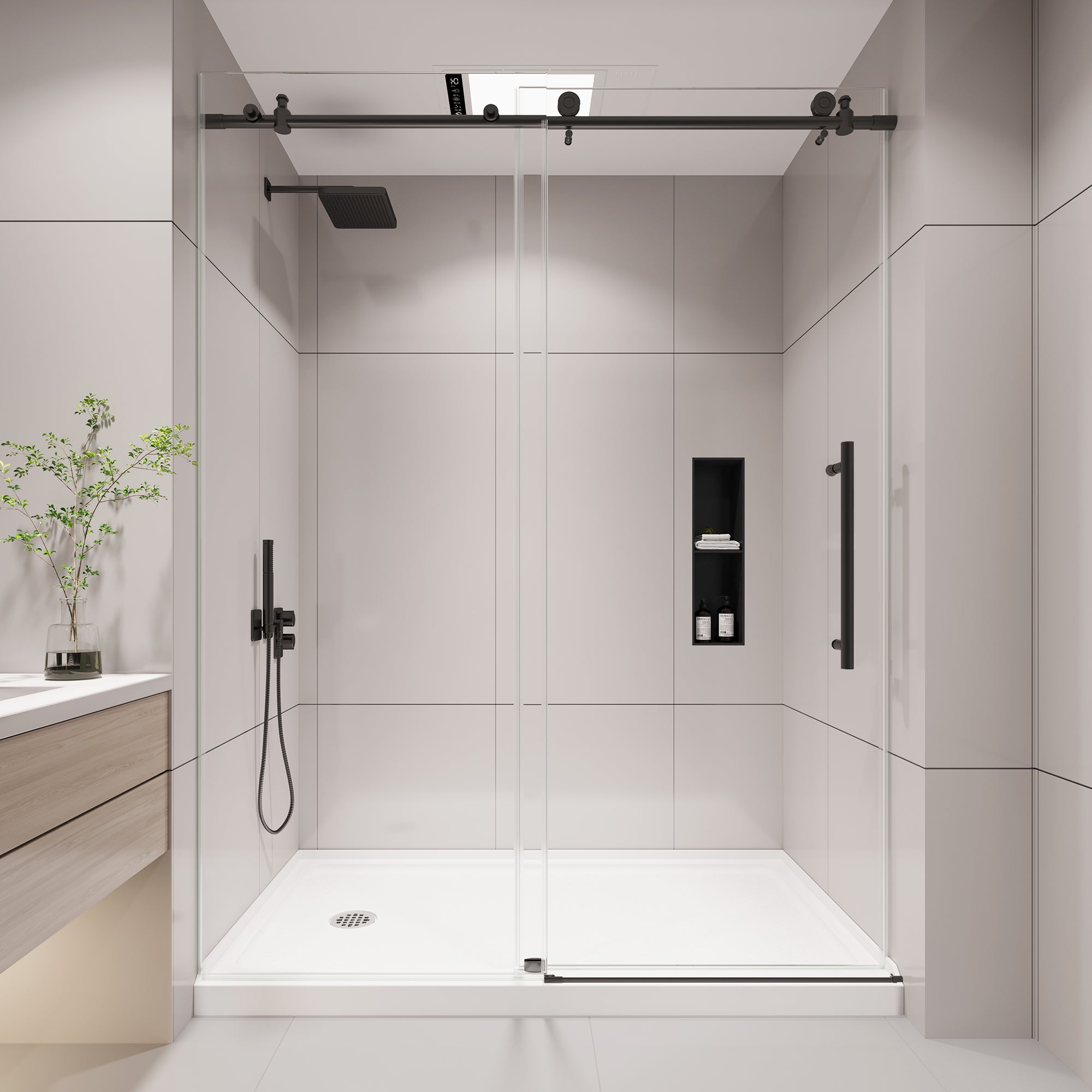
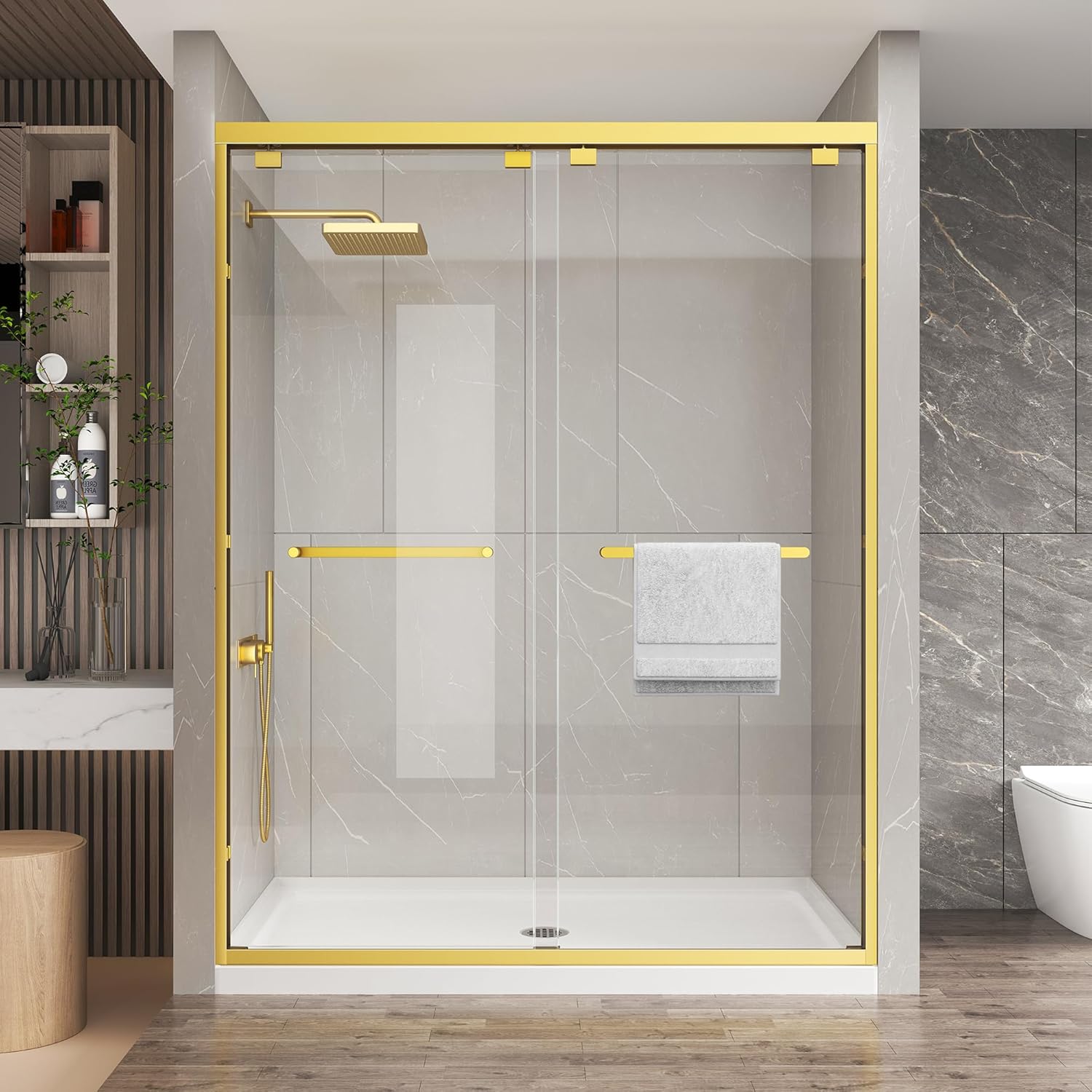
Small bathrooms force trade-offs between footprint, function, and water control. As a remodeler with 20+ years installing showers in tight Chicago rowhouses and California bungalows, I’ve learned the best shower base isn’t the flashiest product — it’s the one that fits the room, meets code, and survives imperfect walls and floors. For 2026, priorities are the same: low profile or curbless options for accessibility, compact preformed pans for fast swaps, and tile-ready mortar bases when you want a custom look without sacrificing slope or waterproofing.
Key Features to Prioritize in 2026
When choosing a shower base for a small bathroom, focus on three practical things: footprint fit, drain strategy, and installation tolerance. Tight spaces magnify small mistakes — a wall out-of-plumb by 1/2" can ruin a prefab pan install if you don’t plan for shims or a trim rail.
- Low profile — 1/2" to 1" thresholds keep the bathroom feeling larger and help achieve ADA-ready thresholds when paired with a curbless approach.
- Pre-sloped surface — a consistent 1/4" per foot slope to drain is the baseline for water control; tile-ready pans let you control slope if the substrate is uneven.
- Drain compatibility — center vs. linear drains affect rough-in. Linear drains let you slope back to a wall and are great in small rectangular showers.
- Durability — acrylic and solid surface pans resist flexing; fiberglass can warp over time if not supported properly.
- Code & safety — tempered glass thresholds and doors should meet ANSI Z97.1; plumbing must comply with IPC/UPC and local amendments.
Shower Base Types for Small Baths
Here are the practical categories I install most often on small remodels:
- Preformed acrylic or fiberglass pans — fast, economical, and available in neo-angle and corner shapes. Good when floor framing is level and walls are reasonably plumb.
- Solid surface pans (cultured stone) — higher cost, excellent rigidity, reduced scent and flex problems, good for shallow thresholds.
- Tile-ready mortar bed — best for custom dimensions and long-term value. Requires skilled waterproofing (pan liner, Schluter Kerdi, or equivalent) and correct slope build-up.
- Prefabricated tile-ready bases — a hybrid: factory-controlled slope with tile finish. Saves time over field mud while allowing tile aesthetics.
- Curbless/zero-threshold systems — ideal for accessibility and making a small room feel larger. Requires precise floor transitions and careful waterproofing behind the finished wall.
For product browsing, many homeowners find well-sized options in dedicated collections like Shower Bases.

Quick Answer (Featured Snippet Style)
Best overall pick: For most small bathrooms in 2026, a prefabricated tile-ready shower base or a low-profile solid surface pan offers the best balance of water management, finish flexibility, and installation tolerance. If you need the fastest install and limited budget, a quality acrylic neo-angle or corner pan is the practical alternative.
Selection Checklist — What I Measure on Day One
Before ordering material I always confirm these items on the jobsite. Miss one and you’ll get inventory back at the supplier and a frustrated homeowner.
- True dimensions — measure finished wall-to-wall and finished floor-to-ceiling. Don’t trust rough measurements from the homeowner.
- Wall plumb — check for out-of-plumb at top and bottom; note offsets. If walls vary more than 3/8" over 6', you need trimming or a reveal to hide gaps.
- Subfloor and framing — identify joist spans and deflection risk. Use plywood backers or mortar beds where pans may flex.
- Drain location — confirm center or wall drain rough-in and measure from finished wall to center. Allow tolerance for up to 1" play unless converting to a linear drain.
- Door swing and clearances — neo-angle or quadrant pans save floor space but change door placement and glass sizes.
Installation Realities & Field Notes
Here are jobsite realities I deal with on every small-bath remodel. These are not theory — they come from projects where the walls were 5/8" out-of-plumb, drains were .75" off center, or the subfloor had unexpected rot.
Out-of-plumb walls and trim gaps
A wall out-of-plumb by 1/2" over a 6' vertical is common in older homes. In those cases I allow for a trim reveal or use a slightly larger pan and shim the wall. Prefab pans have limited side adjustment — tile-ready bases are more forgiving because you build the final face to suit the wall.
Curb slope and waterproofing
A proper curb must have a slight pitch toward the shower (typically 1/8" to 1/4" across the width) to prevent pooling. For curbless installs, the floor outside the shower must slope away at a minimum per local code, and you’ll need a waterproof membrane that ties into the drain body. I always follow manufacturer installation tolerances — they specify how much twist or deflection is acceptable.
Tempered glass and door clearances
When pairing a base with a glass enclosure, factor in tempered glass thickness — common values are 3/8" (10 mm) and 1/2" (12 mm). Thicker glass restricts frame options and impacts hinge hardware. ANSI Z97.1 covers glass safety, and the extra weight of 1/2" glass means heavier hinges and stronger anchors in tile or block walls.
Plumbing rough-in specifics
Most shower drains use a 2" trap per IPC/UPC, but linear drains sometimes require different outlet locations. If the existing rough-in is off center by more than 1", I either relocate the drain before setting a prefab pan or choose a tile-ready system where I can position the drain precisely in the mortar bed.

Comparison Table: Best Bases for Small Bathrooms
| Type | Typical Depth / Threshold | Pros | Cons | Best Use |
|---|---|---|---|---|
| Preformed Acrylic/Fiberglass Pan | 2"–4" curb | Cheap, fast install, many shapes | Can flex, limited sizes, seams visible | Budget remodels, quick swaps |
| Solid Surface (Cultured Stone) | 1/2"–2" low profile | Rigid, clean look, durable | Costlier, heavier | Shallow-threshold modern baths |
| Tile-Ready Prefab Base | 1/2"–1" low profile | Factory slope, tile finish, customizable | Higher material cost, requires tile labor | Custom finish with reliable slope |
| Mortar Bed (Mud Pan) | Variable | Fully custom, excellent waterproofing | Labor intensive, longer timelines | Historic homes, odd dimensions |
| Curbless System | Zero threshold | Accessible, visually open | Complex waterproofing, needs precise slope | Universal design and tight sightlines |
Practical Recommendations (My Go-To Choices)
For most small bathrooms I recommend one of these two approaches based on priorities:
- Quick remodel, tight budget: Choose a high-quality acrylic neo-angle or corner pan. Make sure the subfloor is reinforced with plywood and that the drain location is confirmed. Acrylic is forgiving and installs in a day.
- Long-term value and custom finish: Use a prefabricated tile-ready base or mortar bed. Pair it with a linear drain to make the space feel larger and to control water flow in a narrow footprint.
When shopping, compare not just price but warranty and the manufacturer’s installation tolerance. A cheap pan with no documented deflection limits will cost more in callbacks than a slightly pricier, well-reviewed unit.
One more thing: if you plan to install a fixed glass panel or door, refer to guidance from the National Kitchen & Bath Association for hardware clearances and door swing planning — it saves a lot of field modifications. See NKBA guidelines here: NKBA. For code questions on drain sizing and trap requirements, check the model codes at the International Code Council: ICC.
FAQ
What is the best drain for a small shower?
For small rectangular showers a linear drain at the wall gives the cleanest look and makes slope layout simpler. For compact square or neo-angle bases a center drain is fine. If you change from center to linear, expect to rework the rough-in and adjust the slope — plan for that during measurement.
Can I install a curbless shower in a small bathroom?
Yes, but only if the finished floor outside the shower and the framing can support the required slope and waterproofing. Curbless installs are sensitive to tolerances: the floor needs consistent slope (usually 1/4" per foot) and a reliable membrane transition over the threshold.
How much clearance should I leave for glass doors?
Allow for 3/8" to 1/2" of adjustment per side for out-of-plumb walls and glass hardware. If you’re using 1/2" tempered glass, ensure anchors and hinges are rated for that thickness and that the installation follows ANSI Z97.1 guidelines.
Final Notes & Where to Look
Picking the best shower base for a small bathroom comes down to matching the base to the real conditions of the jobsite — measure twice, check wall plumb, confirm drain rough-in. If you want options that combine compact footprints with reliable slope, browse a dedicated shower base collection like Shower Bases to compare sizes and low-profile models.

If you’re planning a remodel, start with a site visit to record exact rough-in and wall conditions. That saves money and avoids the biggest causes of delay: drain relocations and correcting out-of-plumb conditions. For professional-grade hardware and a full selection of compact pans, visit the manufacturer collections linked above.

Dejar un comentario
Todos los comentarios se revisan antes de su publicación.
Este sitio está protegido por hCaptcha y se aplican la Política de privacidad de hCaptcha y los Términos del servicio.