
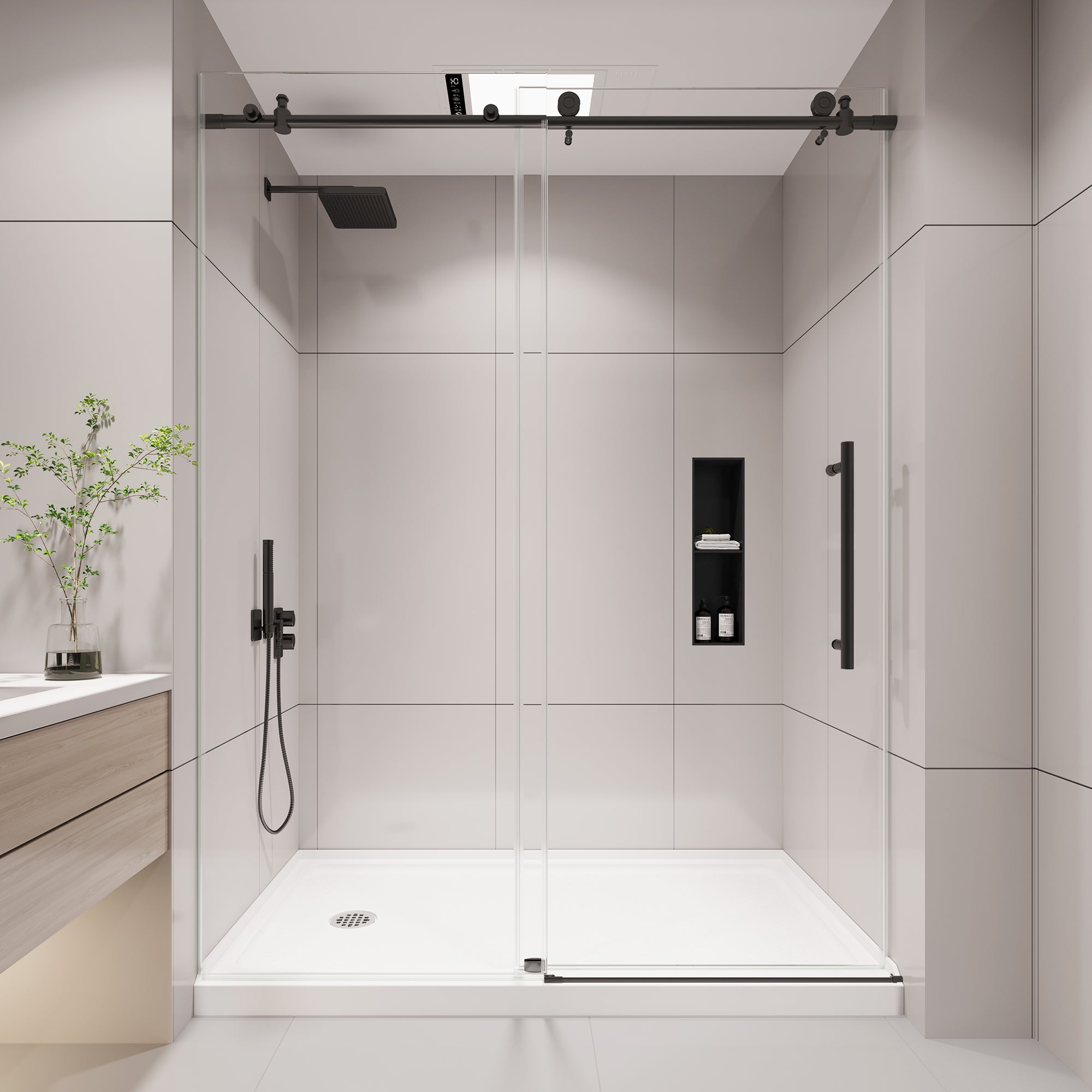
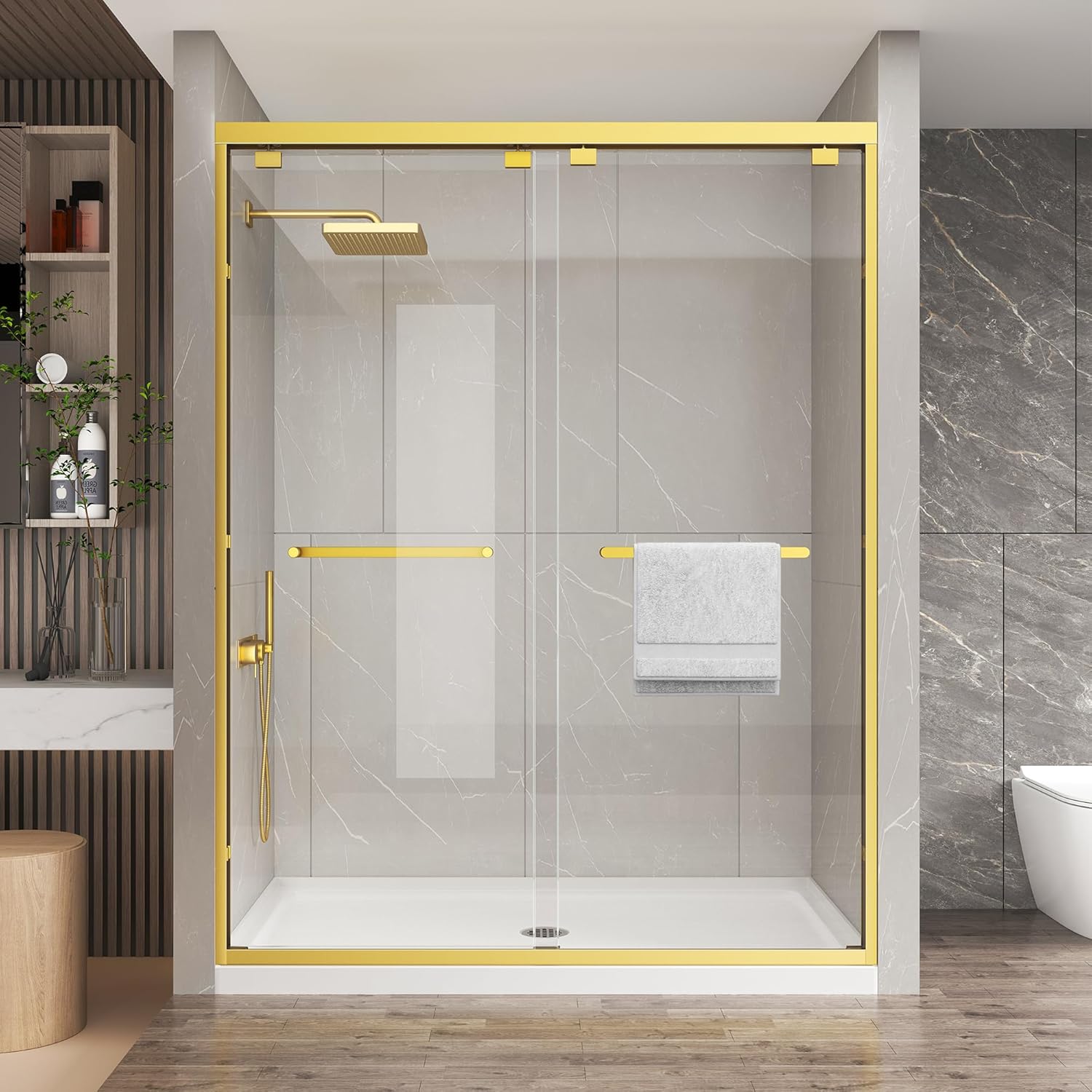
Small bathrooms do not automatically need the smallest-looking shower door. The best shower door style for a compact bathroom depends on how the room is laid out, how much clearance exists around the shower entry, and whether the bigger problem is movement, visual heaviness, or splash control. A style that looks sleek in a showroom can feel awkward in a tight bathroom if it blocks circulation or makes the room feel more crowded than it already is.
In many remodels, the most successful choice is the one that solves two problems at once. It should make the shower easy to use every day, and it should help the bathroom feel cleaner and more open instead of visually compressed. That is why it helps to compare multiple shower door styles before choosing based only on finish or trend.

Quick Answer
For many small bathrooms, sliding shower doors are the most practical option because they do not need outward swing clearance. Frameless styles can help a small bathroom feel more open by reducing visual bulk. Pivot doors can work well in the right layout, especially if the opening is narrower and the swing path stays clear. Fixed glass panels are often a strong option for walk-in designs where openness matters most.
On this page
- Why small bathrooms need a different approach
- Best shower door styles at a glance
- Sliding shower doors for small bathrooms
- Frameless styles for visual openness
- Pivot doors when the layout allows
- Fixed glass panels for walk-in designs
- How to match the style to the layout
- Common mistakes in small bathrooms
- Explore related collections
- FAQ
Why small bathrooms need a different approach
In a larger bathroom, the shower door is only one part of the room. In a smaller bathroom, the shower door affects almost everything: how easily you move through the space, how open the room feels, how much natural or reflected light travels across the glass, and whether the bathroom feels orderly or crowded.
This is why small bathrooms should be planned more carefully. The wrong shower door can create a swing conflict with the vanity, crowd the toilet area, interrupt the walkway, or visually cut up the room. The right choice, by contrast, can make the bathroom feel more efficient and more spacious without changing the footprint.
For that reason, the best option is rarely just the most fashionable one. It is the one that fits the actual layout and makes daily use easier.

Best shower door styles at a glance
This table gives a fast overview of which styles are most useful in smaller bathrooms.
| Shower door style | Best for | Main advantage in a small bathroom | What to watch out for |
|---|---|---|---|
| Sliding shower doors | Tight bathrooms with limited front clearance | No outward swing path needed | Track area and opening width |
| Frameless shower doors | Small bathrooms that need a lighter visual look | Helps the room feel more open | Door configuration still has to fit the layout |
| Pivot shower doors | Narrower openings where swing clearance is available | Simple entry and a clean look | Door swing may interfere with fixtures |
| Fixed glass panels | Open walk-in layouts | Minimal visual weight and strong openness | Splash control depends on layout planning |
Sliding shower doors for small bathrooms
For many small bathrooms, sliding shower doors are the most practical starting point. Because the panels move along a track rather than swinging outward, they do not compete with the rest of the room for clearance. That makes them especially useful when the shower entrance is close to a vanity, toilet, or walkway.
Sliding styles often work best when:
- the bathroom is narrow and front clearance is limited
- the shower sits in an alcove layout
- the room needs a full enclosure without an outward-swing door
- daily function matters more than making the shower look as minimal as possible
This does not mean sliding doors are only about practicality. Many modern sliding shower door styles still look clean and contemporary, especially when paired with clear glass and more refined hardware. In a compact bathroom, that balance of usability and clean design can be exactly what the remodel needs.

Frameless styles for visual openness
Small bathrooms are often more sensitive to visual heaviness than large bathrooms. Thick framing, dark visual breaks, or bulky-looking enclosures can make the room feel tighter than it really is. That is why frameless shower doors are so often chosen for smaller remodels. They help the eye move through the space more easily and allow tile, wall finish, and light to stay visible across the enclosure.
Frameless shower doors are a strong fit when:
- the bathroom needs to feel more open without changing the footprint
- clear glass is part of the design direction
- the remodel is aiming for a cleaner and more modern look
- you want the shower to blend into the room more naturally
It is important to remember that frameless describes the visual structure, not the door movement. A frameless shower door can still be a sliding design, which is often one of the most effective solutions in a small bathroom because it combines space efficiency with visual openness.
Pivot doors when the layout allows
Pivot shower doors are sometimes overlooked in smaller bathrooms, but they can work very well when the opening is narrower and the swing path stays clear. In the right layout, a pivot door offers a simple and straightforward entry that can feel clean and easy to use.
They are often worth considering when:
- the shower opening is relatively narrow
- there is enough room for the door to swing without hitting nearby fixtures
- the bathroom layout does not force traffic directly in front of the shower
- you want a more straightforward entry style than a multi-panel solution
If the swing path works, pivot shower doors can be a smart and visually clean option for a compact bathroom. If the swing path does not work, they quickly become frustrating, which is why layout matters more than style preference here.
Fixed glass panels for walk-in designs
In some small bathrooms, especially those planned around a more open walk-in concept, a fixed glass panel can be the best style of all. Instead of closing off the shower with a full door system, a panel keeps the room feeling visually open while still helping manage the wet area.
This style usually works best when:
- the shower has a walk-in layout
- the room benefits from a lighter, less enclosed look
- splash control can be handled through panel width and shower head placement
- the remodel values openness more than full enclosure
If your bathroom is aiming for a more open look, it can help to compare shower glass panels with more enclosed door systems before deciding. In the right layout, a fixed glass panel can make a small bathroom feel noticeably less crowded.

How to match the style to the layout
The best shower door style becomes clearer when you match the decision to the actual room.
Alcove shower in a tight bathroom
A sliding shower door is often the strongest choice because it preserves front clearance and works well with a more typical wall-to-wall opening.
Small bathroom that feels visually crowded
A frameless design can help reduce visual bulk and make the room feel cleaner and more open. If the layout is also tight, a frameless sliding configuration may be especially effective.
Narrow opening with a clear swing path
A pivot door may work well here, especially if the space in front of the shower stays unobstructed and the door path does not interfere with the rest of the room.
Small walk-in shower remodel
A fixed glass panel can make the room feel more open than a full enclosure, but only if splash control and daily use are still comfortable.
For many homeowners, the easiest next step is to start with a broader glass shower door collection or general shower door collection, then narrow the style based on layout instead of guessing from product photos alone.
Common mistakes in small bathrooms
These are the mistakes that most often make a compact bathroom feel harder to use after the remodel is done:
- choosing a swinging door without checking the swing path carefully
- choosing the boldest visual style before solving circulation and clearance
- assuming frameless automatically means the door will fit the layout better
- using a full enclosure when a more open panel layout would fit the room better
- prioritizing trend-driven finish choices before confirming the right door style
In a small bathroom, the cost of a wrong choice feels bigger because the space is used more intensely. That is why practical fit should always come first.

Explore related collections
If you already know what kind of small-bathroom problem you are trying to solve, these collections can help you narrow the right direction faster.
- Shower Door — a broad starting point for comparing layout-friendly styles
- Sliding Shower Doors — ideal when front clearance is limited
- Frameless Shower Doors — useful when you want the room to feel more open
- Pivot Shower Doors — worth considering for narrower openings with a clear swing path
- Shower Glass Panels — a strong option for open walk-in layouts
- Glass Shower Doors — useful for comparing visually lighter enclosure styles
Frequently asked questions
What is the best shower door style for a small bathroom?
For many small bathrooms, a sliding shower door is the most practical choice because it does not require outward swing clearance. If the layout also needs to feel visually lighter, a frameless style or a frameless sliding design can be an excellent fit.
Are frameless shower doors good for small bathrooms?
Yes, they often are. Frameless shower doors can make a small bathroom feel more open because they reduce visible framing and let the glass blend more naturally into the room. The actual door configuration still needs to fit the layout.
Are pivot shower doors a bad idea in a small bathroom?
Not necessarily. They can work very well in the right layout, especially when the opening is narrower and the swing path stays clear. They become a poor fit only when the door movement interferes with nearby fixtures or circulation.
Do glass panels work in small bathrooms?
They can work very well in walk-in layouts where openness matters and splash control is carefully planned. A fixed glass panel is often one of the best ways to avoid making a compact bathroom feel overly enclosed.
Should I choose the most minimal-looking style for a small bathroom?
Not automatically. A minimal look can help, but practical fit matters more. The best style is the one that improves daily movement, keeps the shower easy to use, and supports the overall feel of the room.
Final thoughts
The best shower door style for a small bathroom is not just the one that looks the lightest in a product image. It is the one that works with the room's actual constraints while helping the space feel easier and more comfortable to use every day. In many bathrooms that means sliding. In others it means frameless, pivot, or even a fixed glass panel. The right answer comes from the layout first and the design direction second.
If you are still comparing what fits your bathroom best, start with the broader shower door collection and then narrow the choice based on clearance, layout, and the way the bathroom is used in real life.

Dejar un comentario
Todos los comentarios se revisan antes de su publicación.
Este sitio está protegido por hCaptcha y se aplican la Política de privacidad de hCaptcha y los Términos del servicio.