
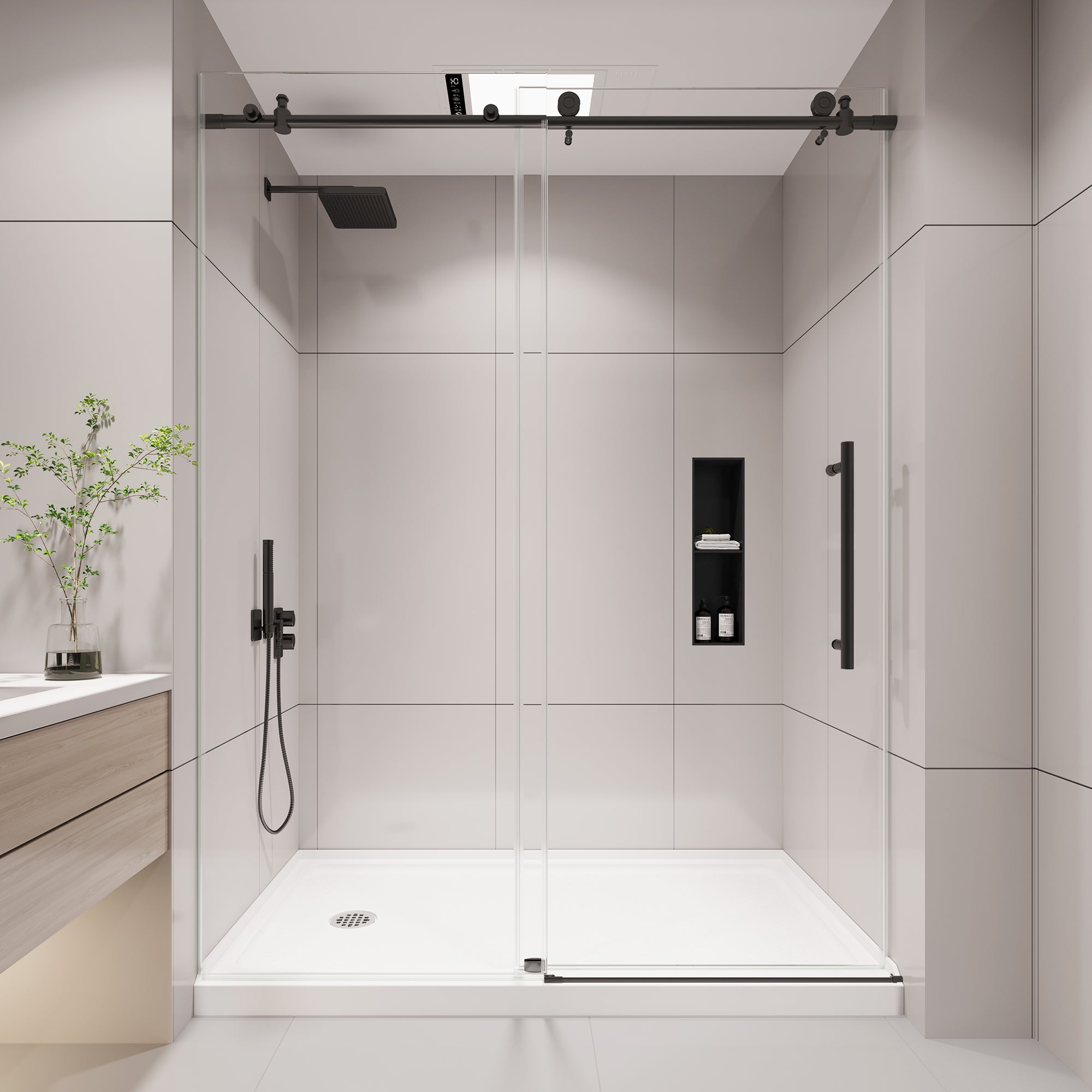
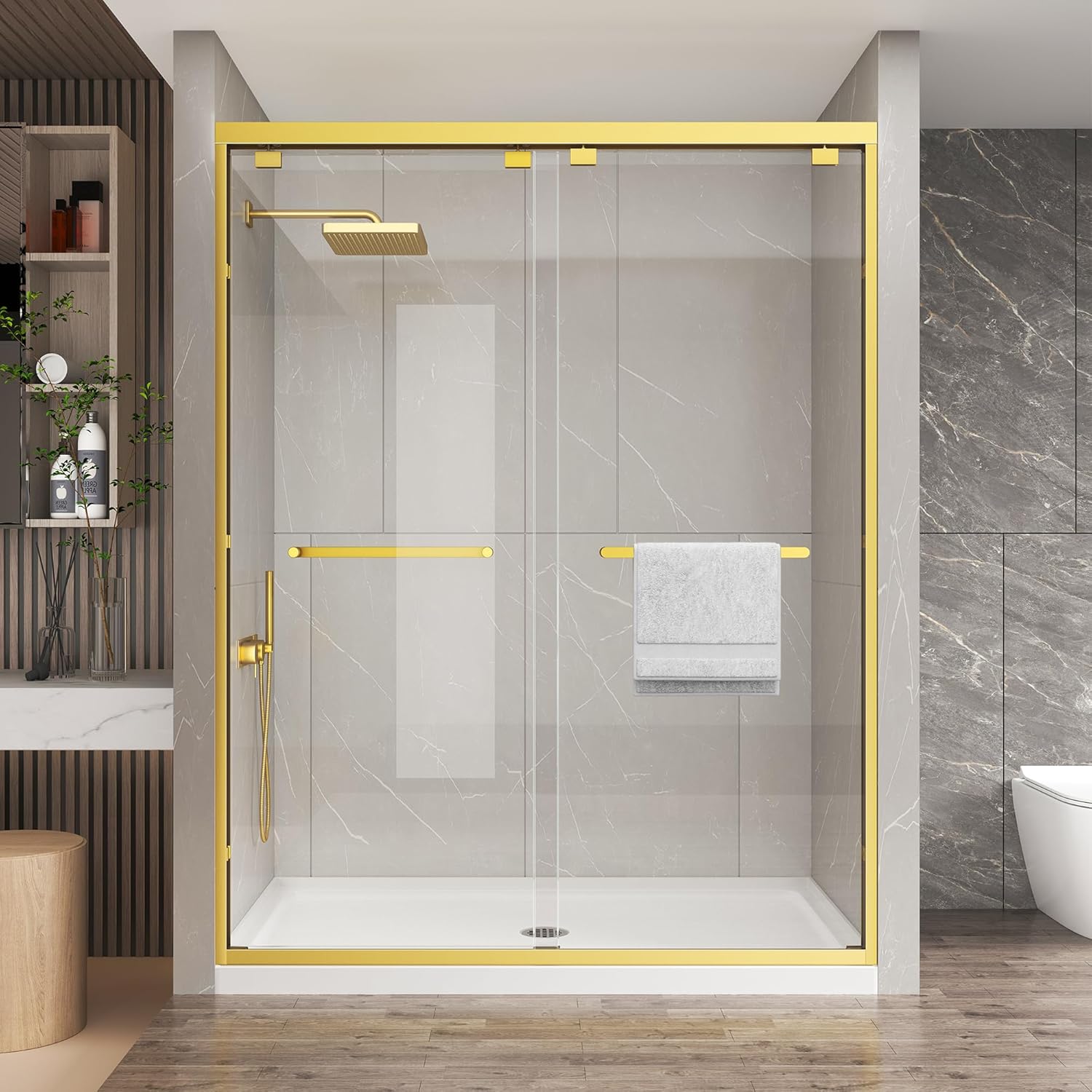
Homeowners ask me this every week on the job: can a bath screen replace a shower curtain and actually perform well in a real bathroom — not a showroom? Short answer up front: yes, in most retrofit and new-build situations a properly selected and installed bath screen can replace a shower curtain, but there are important layout, glass, and installation factors that determine success. In 2026 the trend has moved clearly toward minimalist glass and wet-room styling, but the field realities — out-of-plumb walls, curb slope, rough-in plumbing, and safety standards — still drive the final decision.
Short Answer (Featured Snippet)
Yes — a bath screen can replace a shower curtain when the shower geometry, water containment strategy, and code or safety requirements line up. For typical alcove tubs and low-threshold walk-in showers, a fixed or hinged bath screen made of tempered glass (commonly 1/4" or 3/8" thick) will outperform a curtain on durability, hygiene, and appearance. The caveat: you must confirm slope, wall plumb, curb height, and drainage before committing.

Pros and Cons Compared
| Feature | Shower Curtain | Bath Screen (Glass) |
|---|---|---|
| Water Containment | Moderate — relies on proper curtain length and homeowner care | Good to excellent — when sealed correctly, fewer splashes |
| Durability | Low — mold, wear, needs replacing every 1–3 years | High — tempered glass lasts decades with minimal maintenance |
| Accessibility | High — flexible entry for mobility aids | Variable — hinged or folding screens can be ADA-friendly if planned |
| Cost (materials + install) | Low | Moderate to High |
| Maintenance | Easy to replace | Requires squeegee and periodic hardware checks |
When a bath screen makes sense
- You want a modern look and improved light flow.
- Behind-tub showers with a fixed panel can reduce splashing at the faucet end.
- Walk-in wet areas where a single fixed screen provides a visual barrier while preserving openness.
When to keep the curtain
- Tight budgets or temporary fixes.
- Bathrooms requiring the widest possible opening for transfers or dressing.
- Severely out-of-plumb conditions where a custom glass installation would be costly.
Technical Requirements & Codes
From a contractor's standpoint, the technical checklist determines whether a bath screen will function better than a curtain. Key items include:
- Wall plumb: Measure for out-of-plumb conditions — anything over 3/8" in a 96" height requires site templating and possibly shims.
- Curb slope and height: A flat or shallow-slope curb reduces containment; consider a low-profile threshold or slotted drain to improve performance.
- Tempered glass thickness and standard: Use tempered safety glass that meets ANSI Z97.1 requirements and local code. Common thicknesses are 1/4" (6mm) for small screens and 3/8" (10mm) for larger or frameless panels.
- Installation tolerances: Expect a 1/8"–3/16" gap at the top and 1/8" at verticals unless a channel is used. Plan for silicone joints and mechanical fixings that accommodate the wall out-of-plumb condition.
- Plumbing rough-in: If mixing valves or hand showers are close to the intended hinge or fixed panel line, confirm valve clearance to glass edges and hardware.
For plumbing and safety references, check guidance from professional bodies like the National Kitchen & Bath Association (NKBA) and industry plumbing code resources such as IAPMO for UPC-related plumbing clearance considerations.
Real-World Installation Notes (Field Experience)
I've been on dozens of remodels where the plan looked perfect on paper but the walls told a different story. Here are practical, contractor-tested points you'll want to know:
Out-of-plumb walls
In older homes it's common to find walls that are 1/4" to 3/4" out-of-plumb over a 7–8' height. On one recent retrofit I had to order a custom 3/8" tempered panel with a 1/2" tapered shim kit because the tiled wall bowed 5/8" at the middle. If you attempt a stock glass panel without templating, you risk gaps, ineffective seals, and stress points that can lead to glass breakage.
Door swing and splash path
Decide early whether the panel will be fixed, hinged, or sliding. For hinged or pivot doors, leave room for water to escape at the hinge side unless you install an overlapping glass return or drip rail. My rule of thumb: if the headroom and floor slope don't help channel water away from the bathroom floor, add an inline return panel or full-length channel.
Hardware and mounting
- Use stainless steel or brass hardware rated for wet environments.
- Allow a vertical tolerance of at least 1/8" when drilling for anchors — tile can crack if tolerances are too tight.
- For frameless installs, expect to use 3/8" glass where spans exceed 30" to avoid flex.
On one job the homeowner wanted a near-seamless look and insisted on 1/4" glass. After I measured, I recommended 3/8" because the panel was 42" wide and would have had a noticeable flex. That decision prevented a future call-back for cracked sealant and noisy glass movement.

Cost, Materials, and Timeline
Expect a range depending on glass, hardware, and site work:
| Project Type | Typical Material Cost | Typical Install Time (Trade Hours) |
|---|---|---|
| Stock fixed panel (small) | $150–$350 | 2–3 hours |
| Custom frameless hinged screen | $600–$1,500 | 4–8 hours (plus templating time) |
| Sliding or multi-panel | $1,200–$3,000+ | 6–12 hours |
Lead times for custom tempered glass typically range from 7–21 days depending on size and finish. Factor in additional days for tile, grout cure, and caulk cure — a full turnover from demo to finish is commonly 3–7 days for a minimal replacement, longer for full remodels. If you want low maintenance coatings like hydrophobic treatments, budget extra for factory-applied coatings.
Maintenance & Safety
Glass replaces mildew-prone fabric, but it isn't maintenance-free. Wiping panels with a squeegee after each use will dramatically reduce soap scum. Inspect hardware and seals annually. For safety, use only tempered glass that meets local statutory requirements and the ANSI Z97.1 performance criteria where applicable — this ensures the glass fails in small granular particles rather than dangerous shards.
Common tolerances and checks I run on site:
- Verify wall plumb using a 6' level and record the maximum deviation.
- Confirm curb is level across its length; note any low spots that will undermine containment.
- Measure valve and spout offset from the glass line to prevent hardware interference (minimum 2" clearance recommended).
- Check floor slope to drain; a poorly sloped floor will negate the protective effect of a screen.
FAQ
Will a bath screen keep my bathroom dry?
A correctly sized and installed bath screen will reduce splashes significantly compared with a curtain. Important: screens are not waterproof walls. You may still see some spray around the opening, especially with high-pressure hand showers. Use an overlapping panel or drip rail if water containment is critical.
What glass thickness should I choose?
For small fixed panels 1/4" (6mm) is common; for spans over 30" or for frameless hinged doors choose 3/8" (10mm). For heavy-duty configurations or very large panels, 1/2" (12mm) is available. Always specify tempered safety glass that meets ANSI standards.
Can I retrofit a bath screen myself?
Simple fixed screens can be a DIY if you have access to accurate measurements, the right anchors, and basic caulking skills. For hinged or frameless installs on out-of-plumb walls, I strongly recommend a pro to prevent leaks and glass stress. If you do DIY, follow manufacturer templates precisely and use good quality silicone.
Wrap-up and Next Steps
If you're replacing a curtain to modernize your bathroom, improve lighting, and reduce mold issues, a bath screen is a solid choice. Start with a site measurement to check for out-of-plumb walls, curb slope, and valve placement. For visual inspiration and a range of options — fixed, hinged, or folding — take a look at curated collections like KPUY Bathroom Screens. When in doubt, order a site template and choose tempered glass sized to allow 1/8"–3/16" installation tolerances.
Quick checklist before you buy:
- Measure wall plumb and note deviations.
- Confirm curb height and slope to drain.
- Measure spout and valve clearances to planned glass line.
- Decide glass thickness based on panel width (1/4" vs 3/8").
- Confirm tempering standard and ask for ANSI compliance documentation.
For a hands-on opinion tailored to your bathroom, ask your contractor for an on-site templating visit — it’s a small investment that prevents expensive mistakes.

Dejar un comentario
Todos los comentarios se revisan antes de su publicación.
Este sitio está protegido por hCaptcha y se aplican la Política de privacidad de hCaptcha y los Términos del servicio.