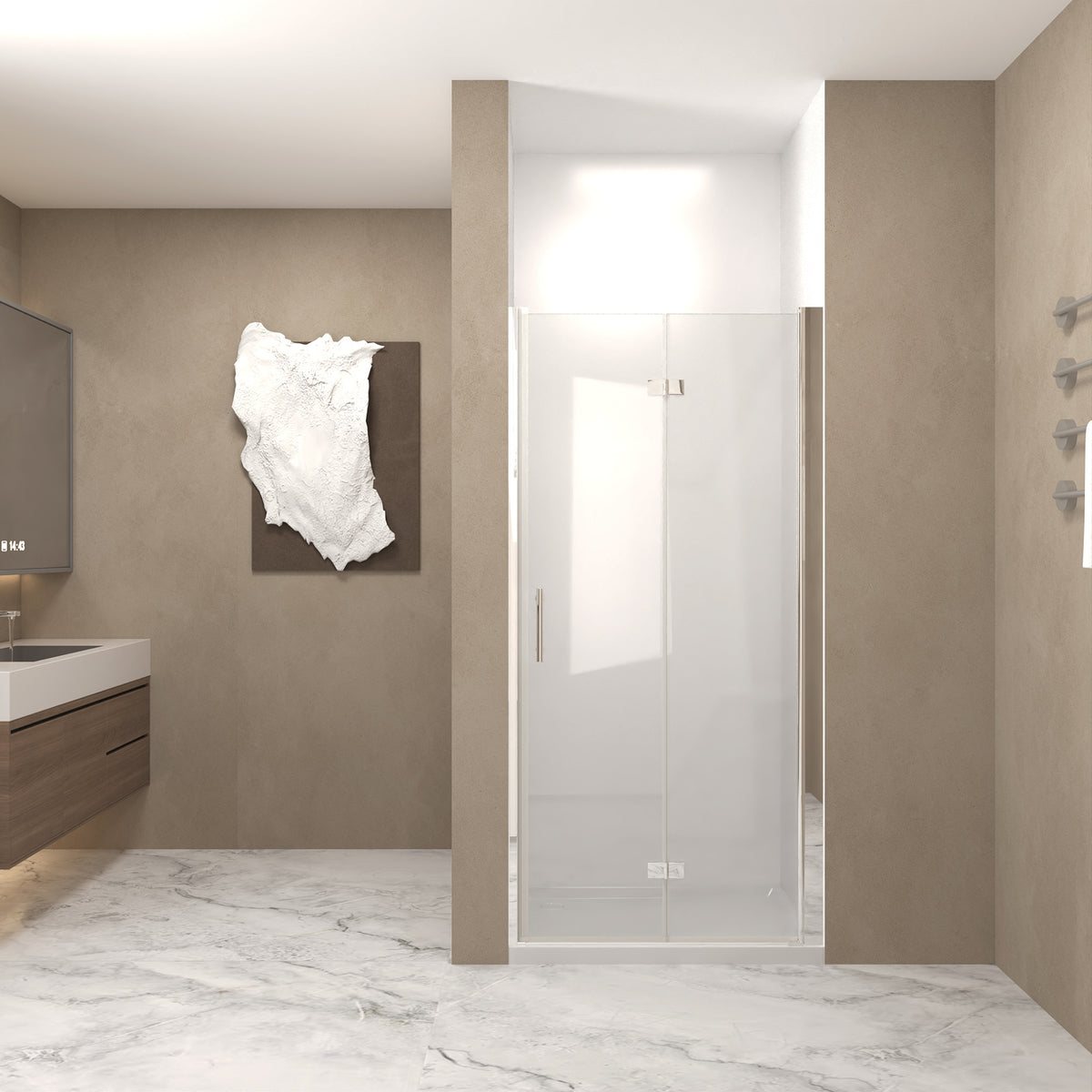
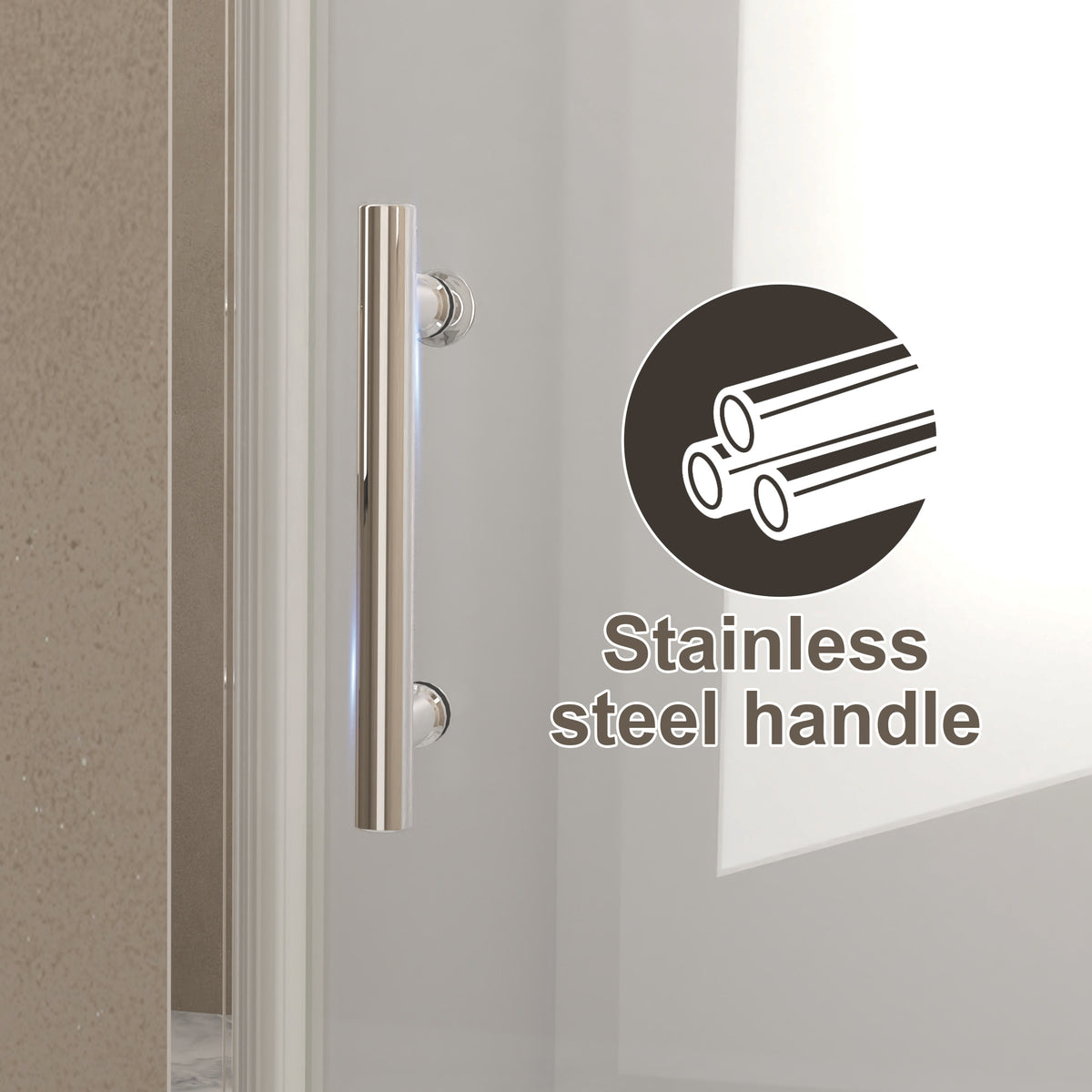
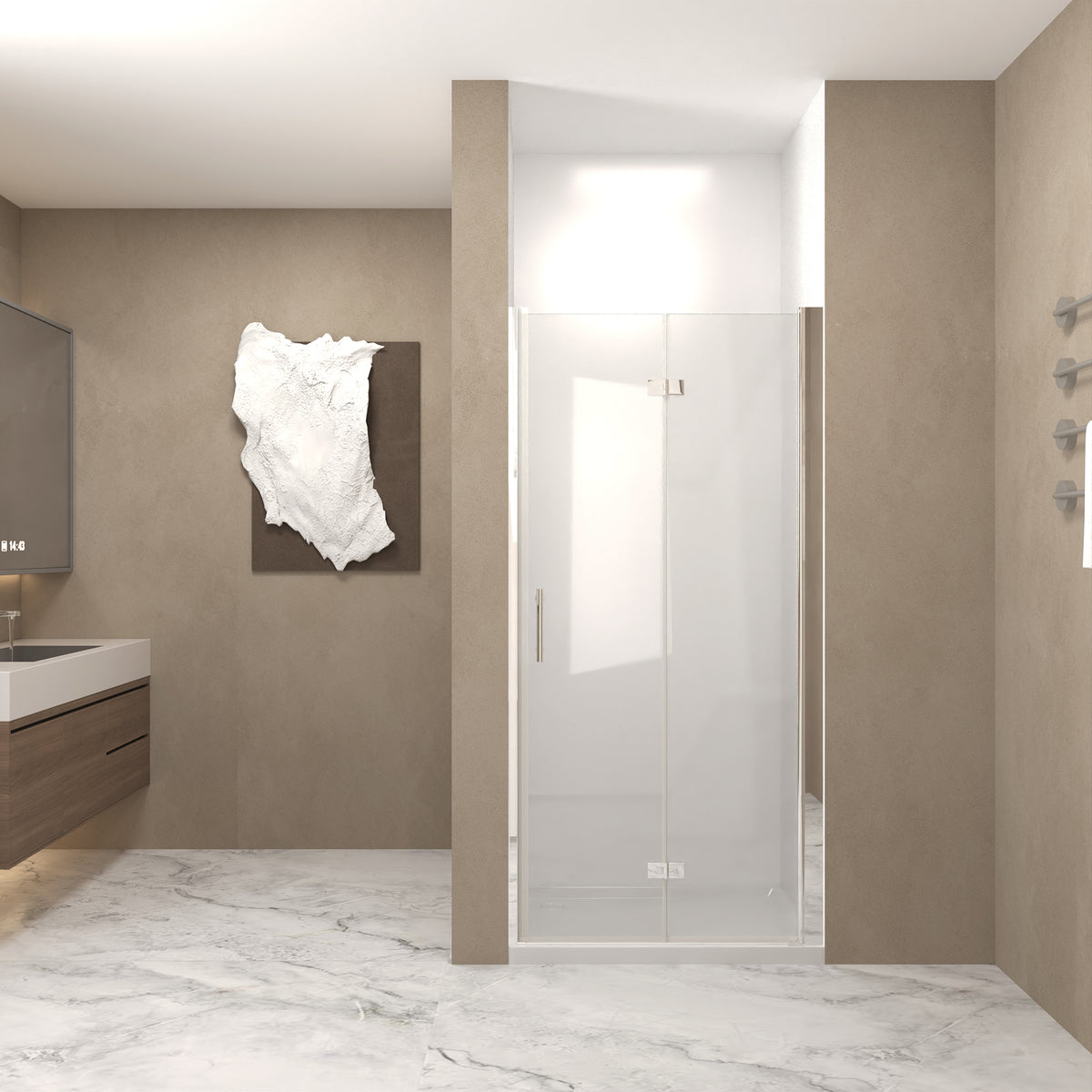
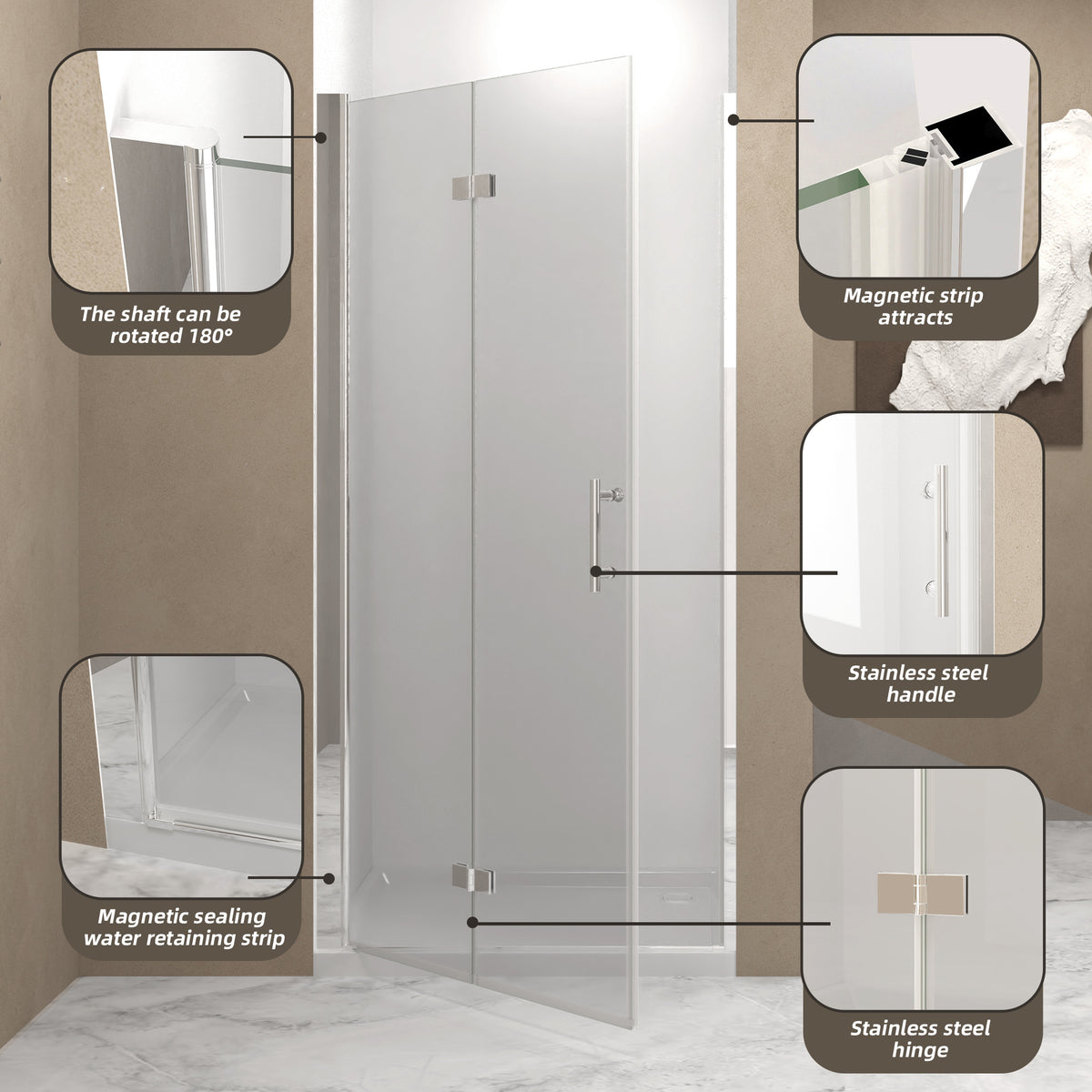
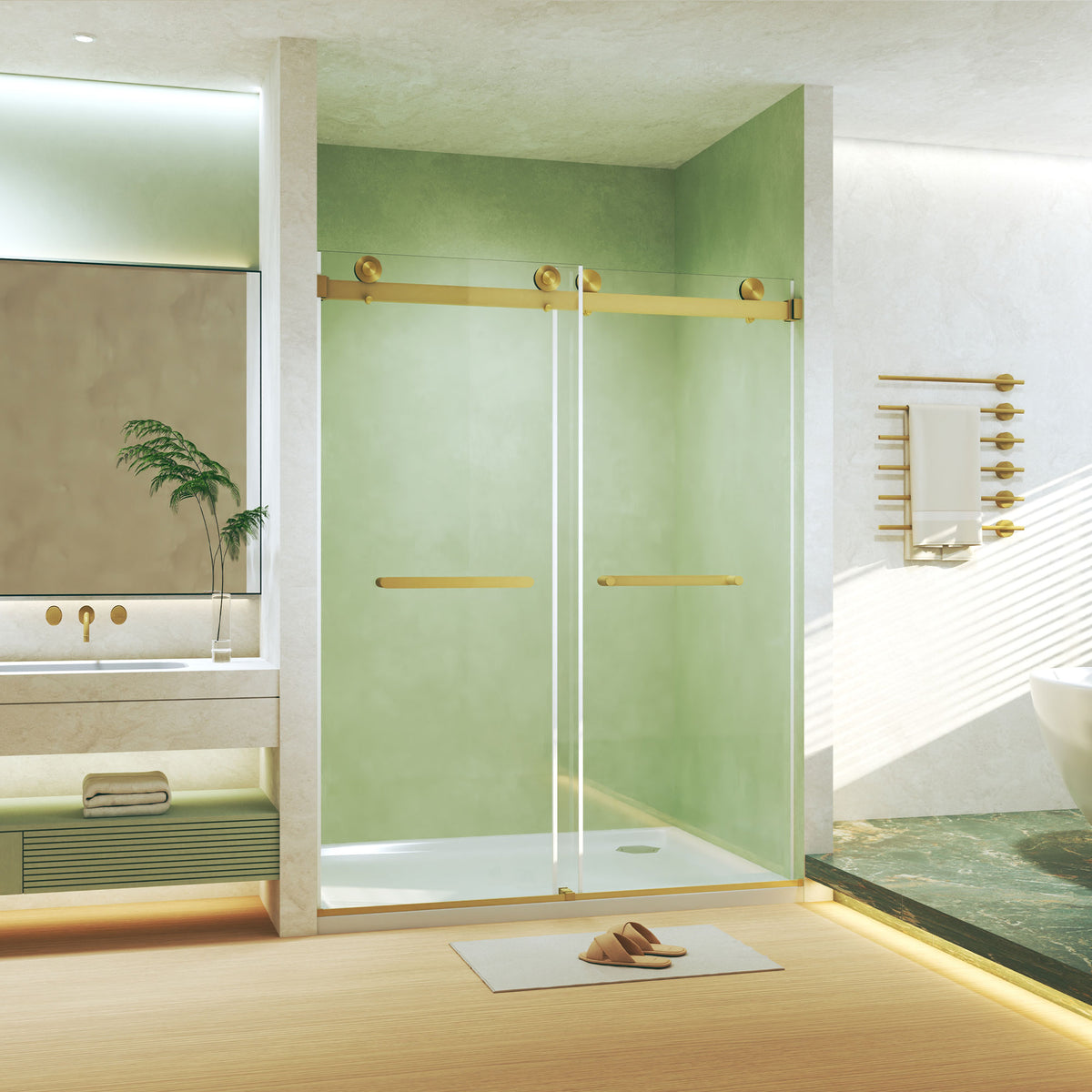
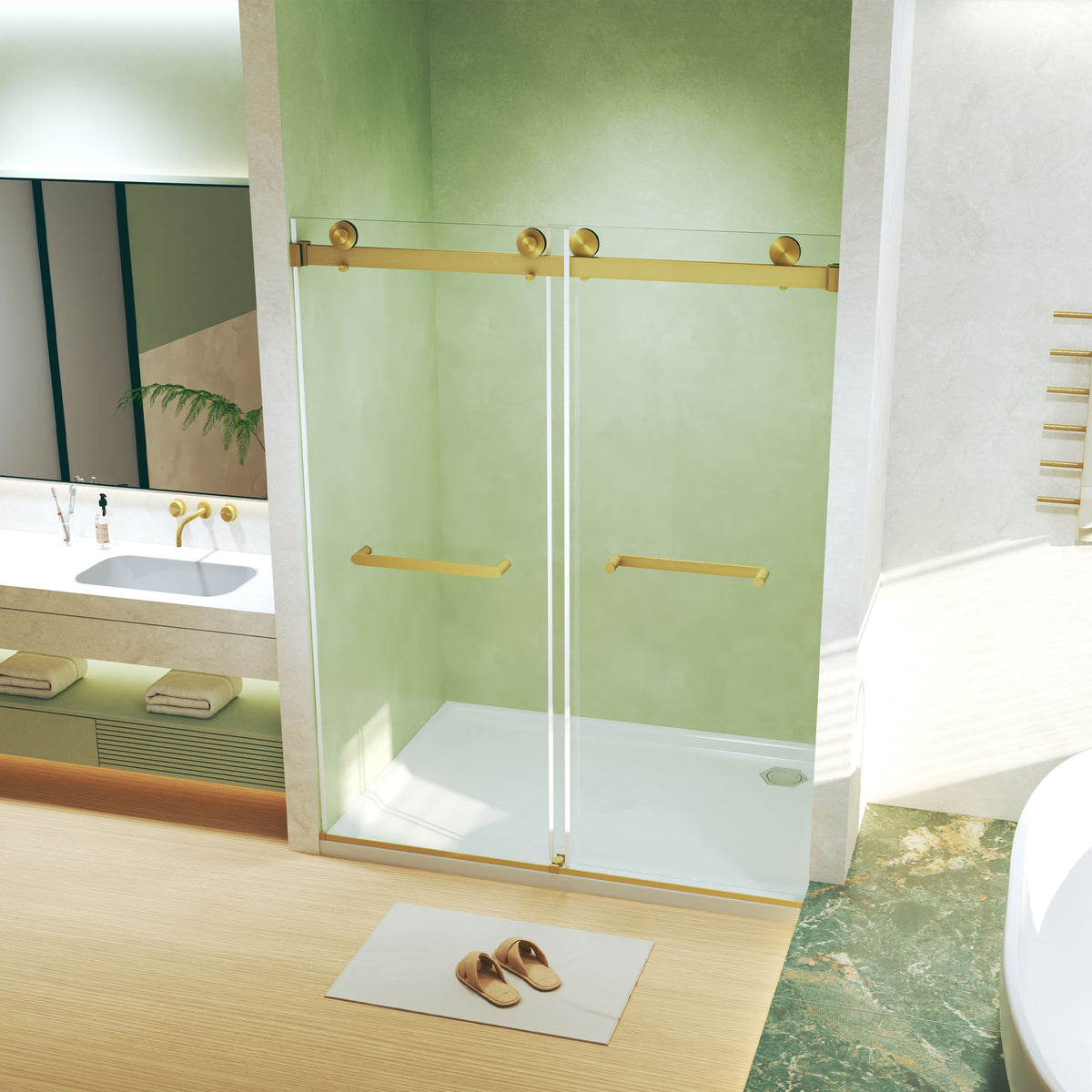
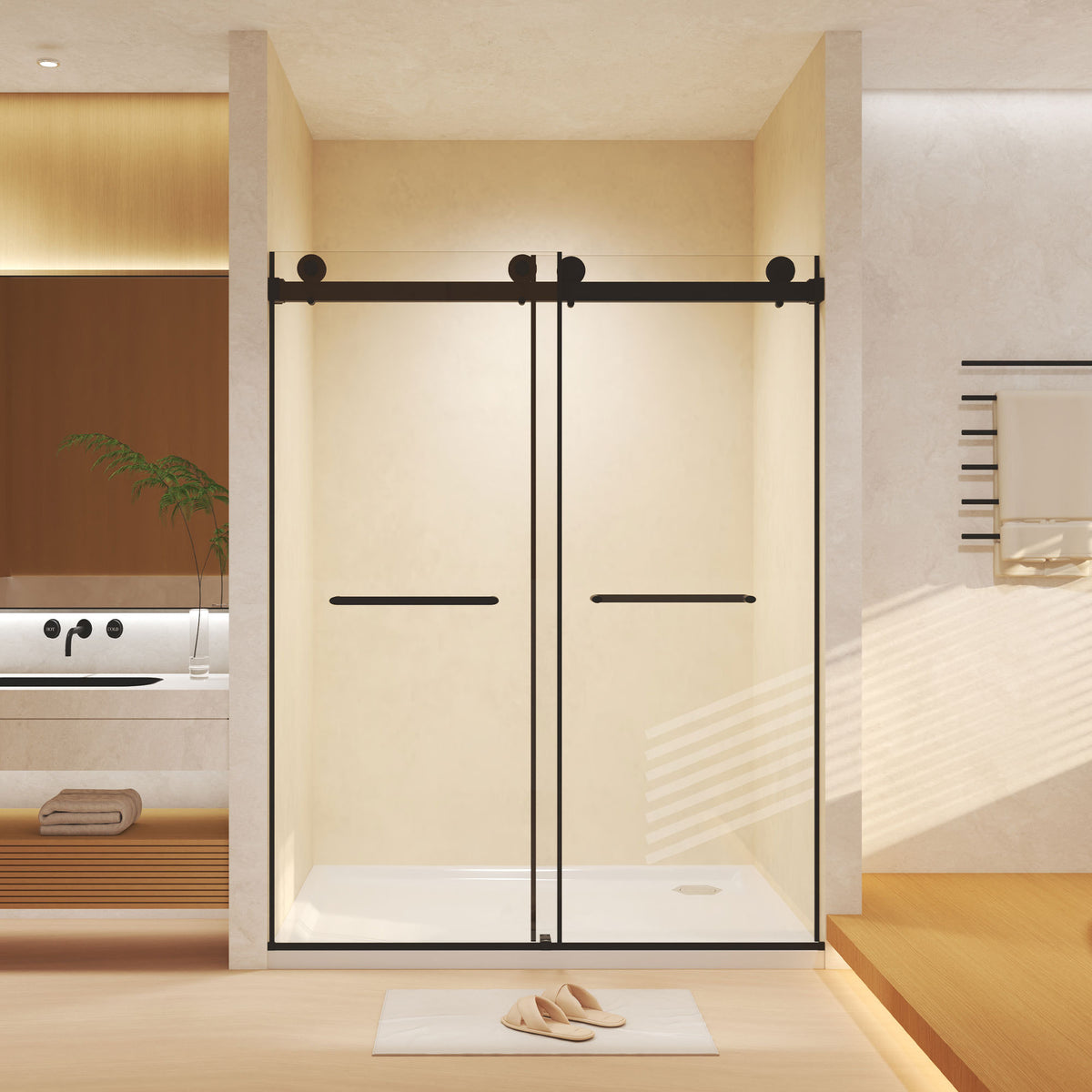
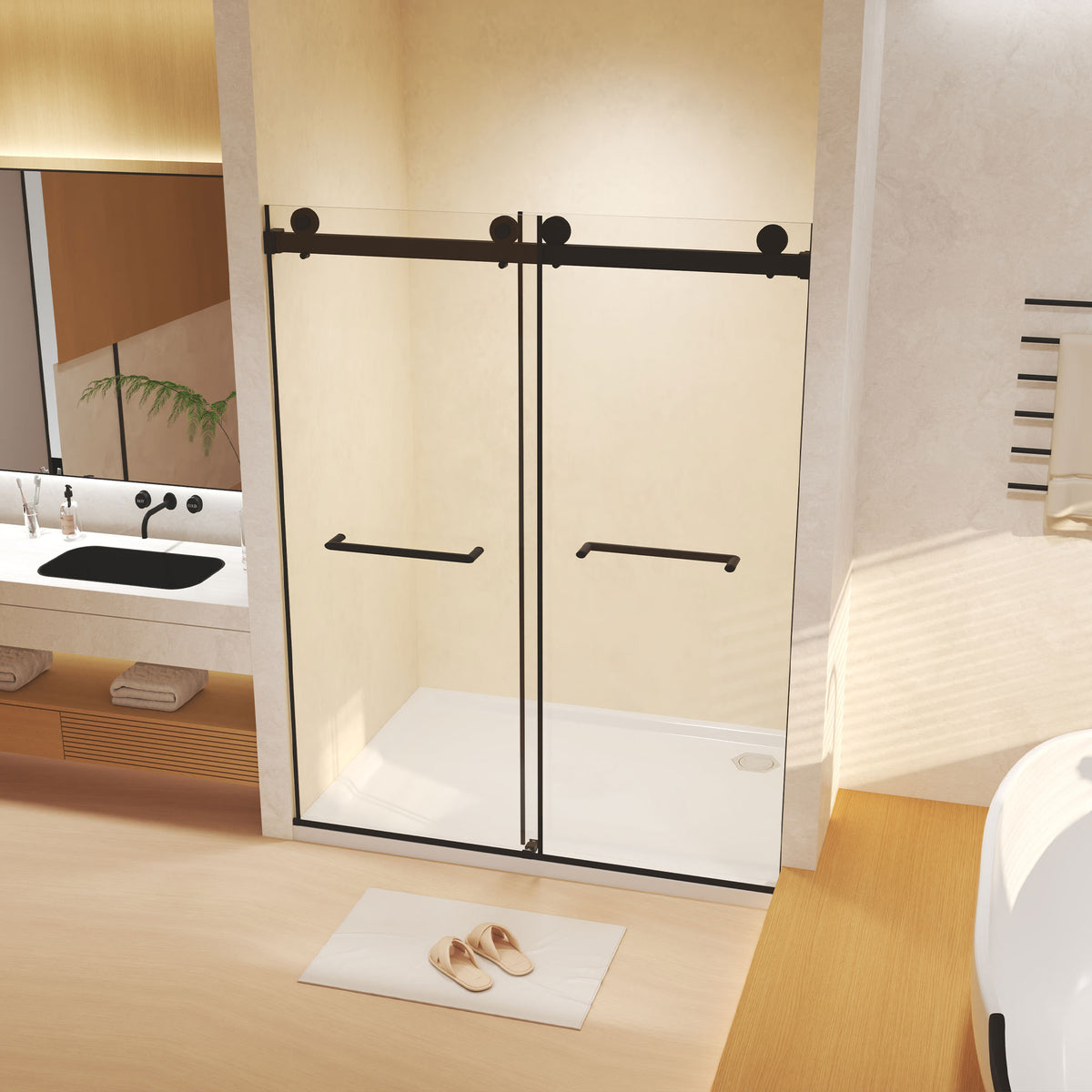
Shower Doors
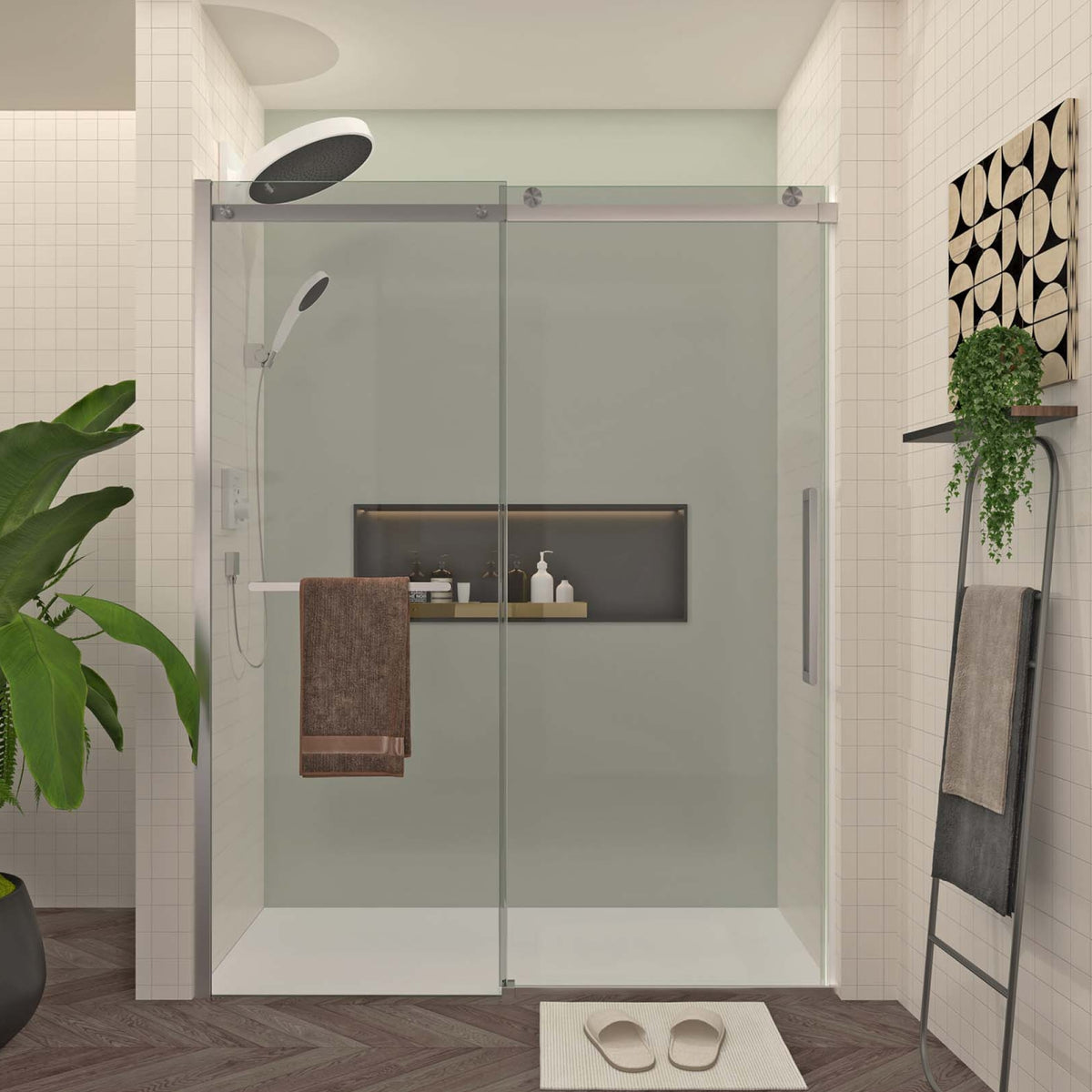
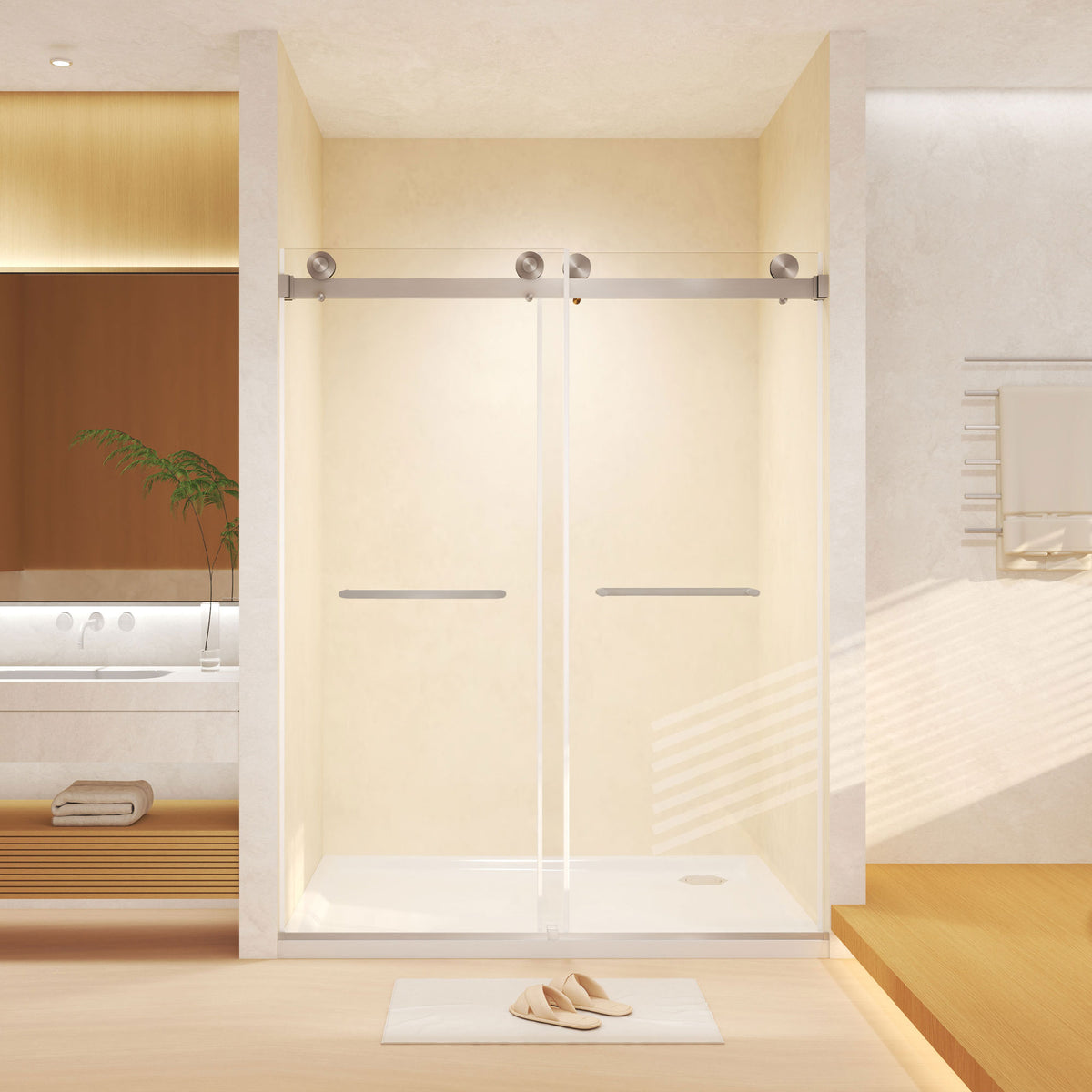
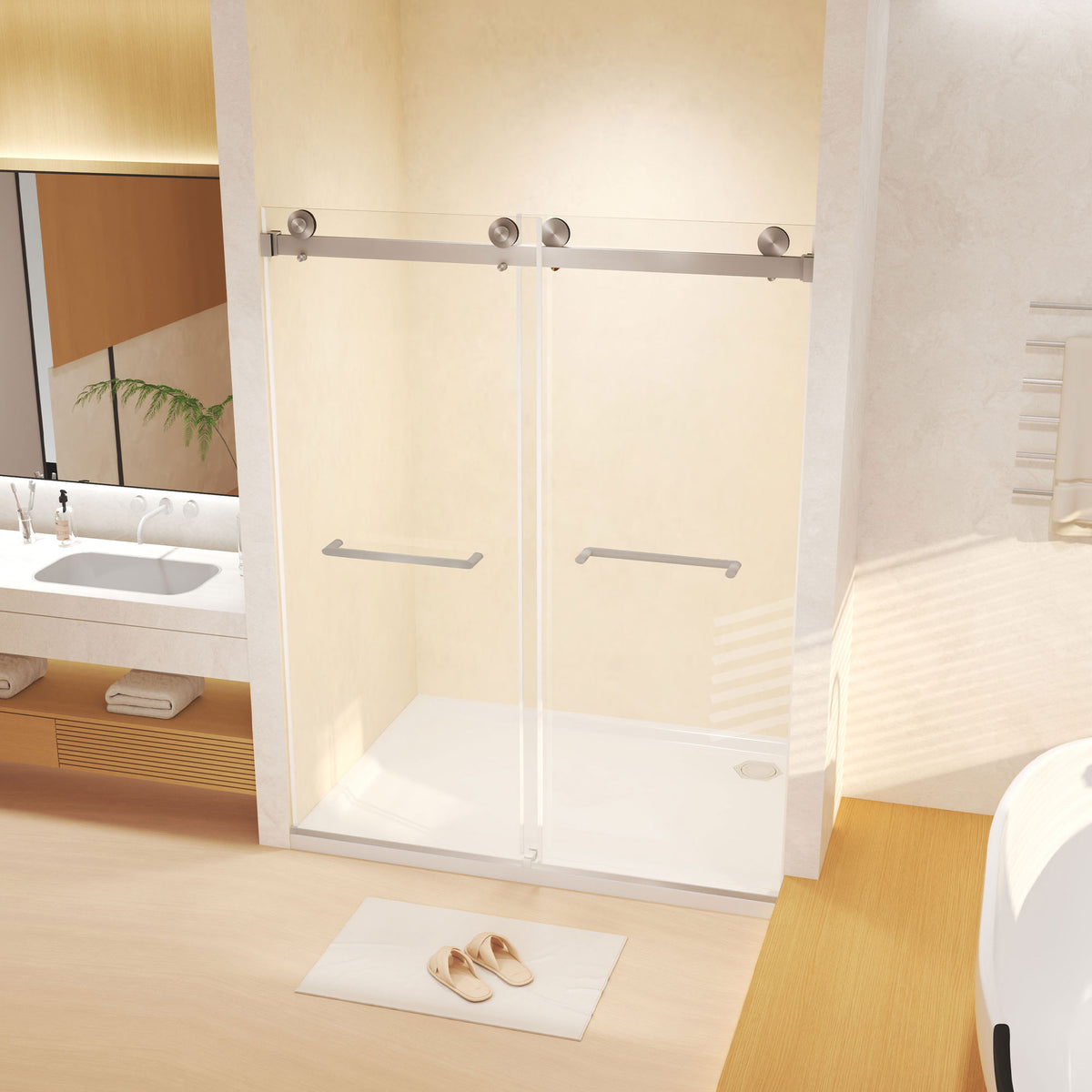
Shop KPUY shower doors for modern bathrooms, walk-in showers, alcove layouts, and tub-shower combinations. This collection brings together sliding shower doors, frameless shower doors, pivot shower doors, bathtub shower doors, black shower doors, and fixed shower glass panels to help you choose the right enclosure by bathroom layout, opening size, finish, and daily use.
Whether you need a space-saving sliding door for a compact bathroom, a clean frameless look for a remodel, a pivot door for easier entry, or a fixed glass panel for an open walk-in shower, start here to compare the main shower door types before choosing a product.
Filters
40 products
Shop By Shower Door Types
How to Choose the Right Shower Door
Shower doors are not one-size-fits-all. The right option depends on your bathroom layout, shower opening size, available clearance, preferred finish, and how you want the shower to function every day. This page is designed as a starting point for comparing the main KPUY shower door styles before moving into a more specific collection.
Start with the layout. If your bathroom is narrow or the shower sits close to a vanity, toilet, or walkway, a sliding shower door is usually the most practical choice because it does not swing outward. If you want a cleaner, more open remodel look, a frameless shower door can make the enclosure feel lighter and more modern. If you prefer a simple swinging entry, a pivot shower door may fit better.
For open walk-in showers, a fixed shower glass panel can create a minimal look while helping control splash. For tub-shower combinations, choose from bathtub shower doors instead of forcing a standard shower door into the wrong layout.
After choosing the door type, compare the opening width, height, glass style, finish, threshold condition, wall support, and installation requirements. A good shower door should fit the space, contain water properly, feel stable in daily use, and match the bathroom design without making the layout harder to use.

Why a Shower Door Is Worth the Upgrade
A shower door is not just a decorative upgrade. It changes how the bathroom looks, how water is controlled, how easy the space is to clean, and how finished the shower area feels. Compared with a basic curtain setup, the right shower door can make the bathroom feel more permanent, more open, and easier to use every day.
A More Finished Bathroom Look
Shower doors give the bathroom a cleaner and more intentional look than a standard curtain. Clear glass, slimmer frames, and defined hardware lines help the shower area feel like part of the overall bathroom design rather than a temporary enclosure.
Better Light and Openness
Glass shower doors allow more light to move through the bathroom. This can make compact bathrooms, alcove showers, and darker spaces feel less closed in. Frameless and clear glass styles are especially useful when the goal is a brighter, more open visual effect.
Better Water Control for Daily Use
A properly fitted shower door helps keep water inside the shower area. This can reduce puddles outside the enclosure, improve daily cleanup, and protect the bathroom floor from repeated splashing. Water control depends on the door style, threshold slope, wall alignment, and installation quality.
Easier Long-Term Maintenance
A shower door can be easier to manage than a curtain and liner setup, especially when the glass is wiped regularly and the hardware is easy to access. Sliding tracks, seals, sweeps, and frame details still need care, but a well-matched enclosure creates a more defined and manageable shower zone.
Better Match for Modern Remodels
Shower doors are often chosen in remodels because they work better with modern tile, updated shower bases, black or brushed metal finishes, and open bathroom layouts. The right style can help the shower feel like a permanent part of the renovation rather than a simple fixture replacement.
Find the Right Shower Door Style
Different shower door styles solve different layout problems. Some bathrooms need a space-saving sliding system. Others need a cleaner frameless look, a swinging pivot entry, a fixed glass panel, or a tub-mounted door. Use the guide below to choose by opening style, bathroom size, clearance, and design goal.

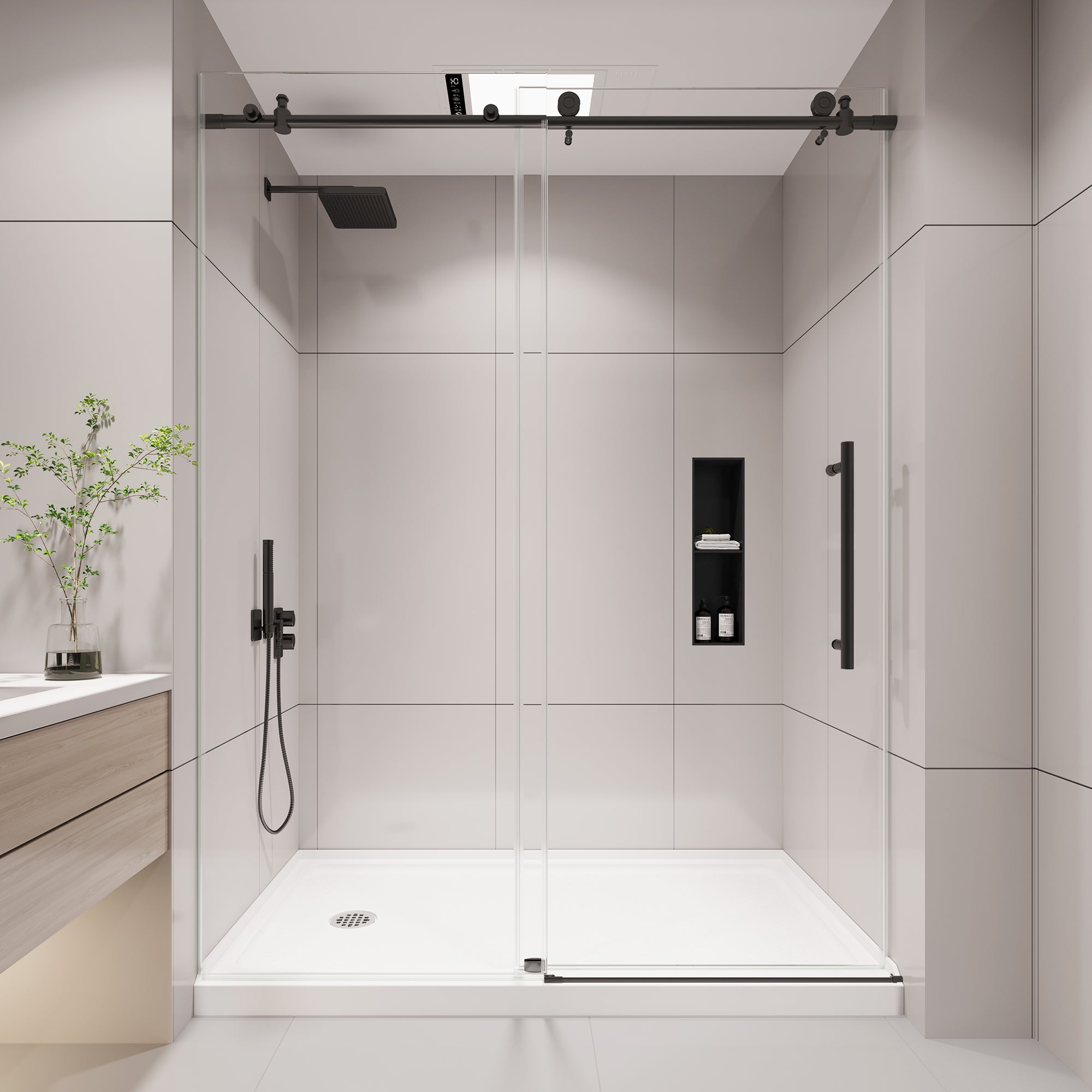
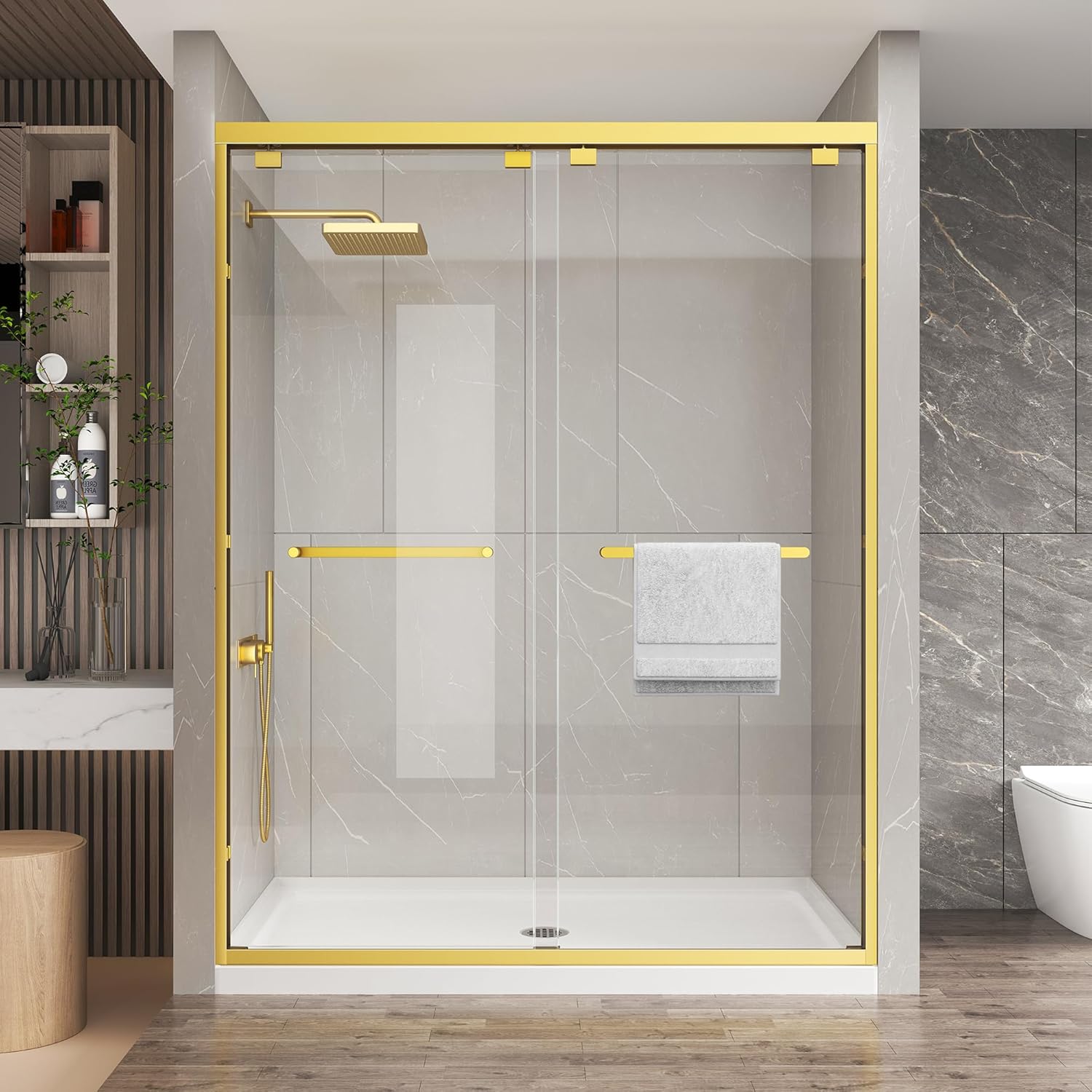
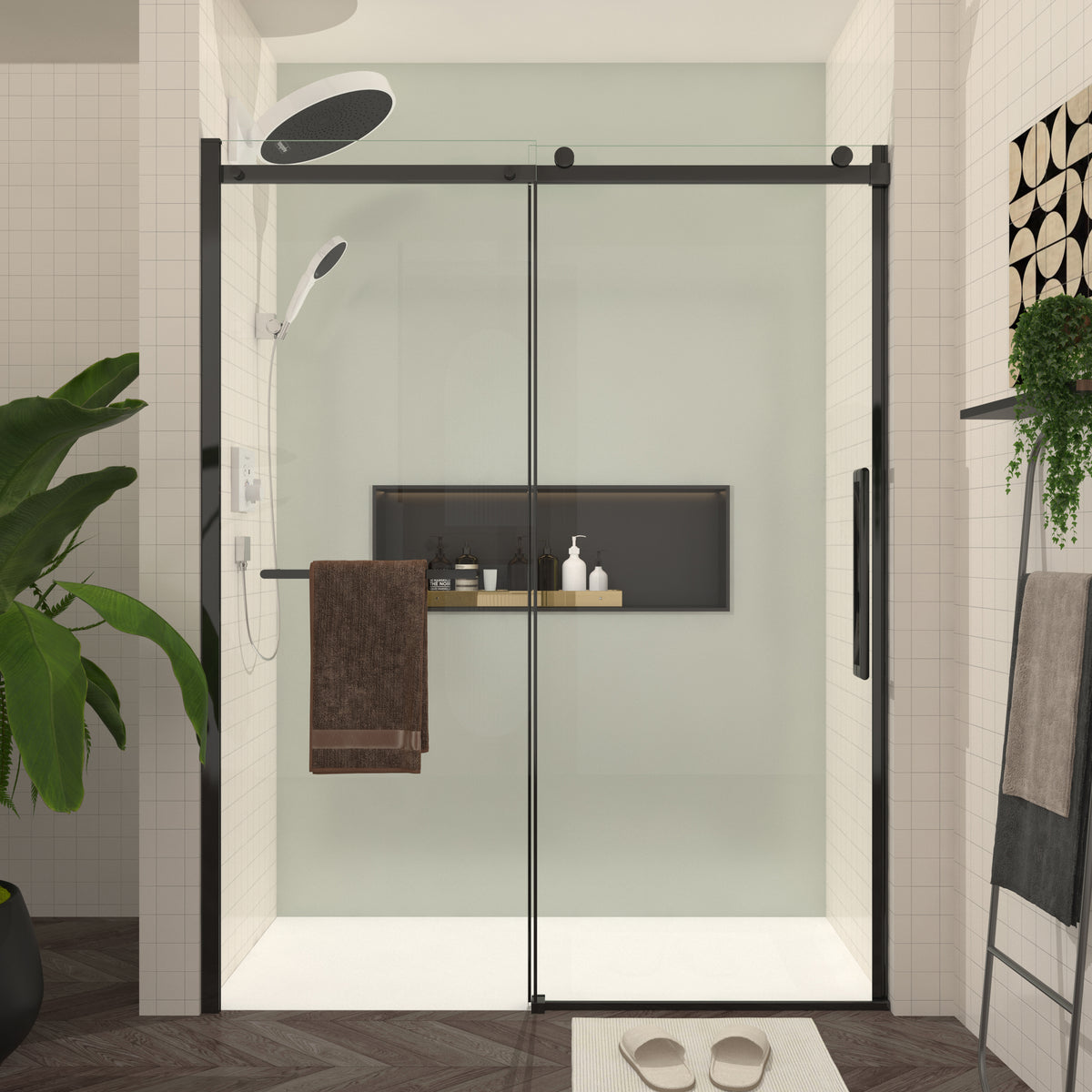
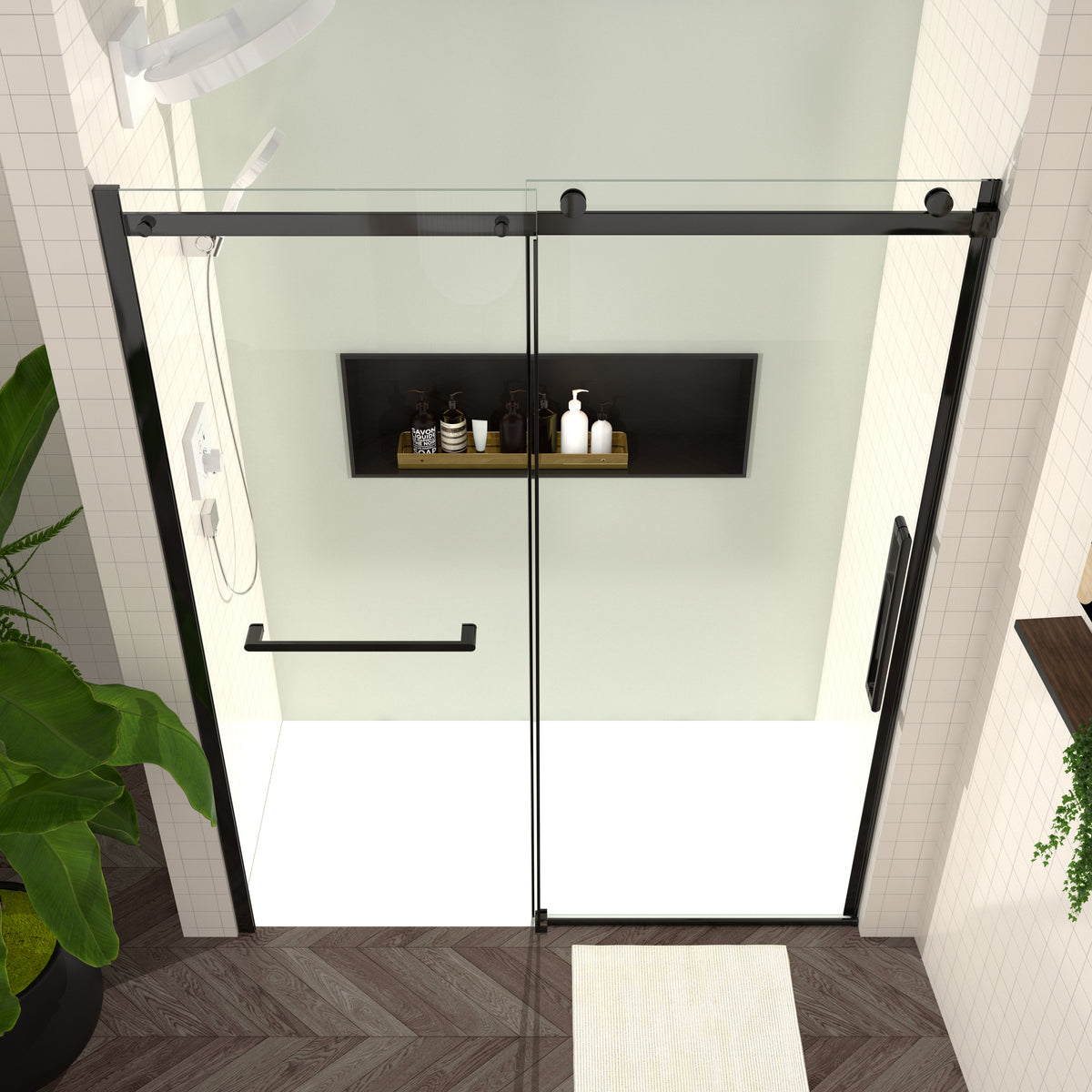
Sliding Shower Doors
Sliding shower doors are usually the best fit when floor space is limited. Because the panels move along a track instead of swinging outward, they work well in alcove showers, compact bathrooms, and layouts where a vanity, toilet, or walkway sits close to the shower opening.
Choose sliding shower doors when you want a space-saving enclosure with practical daily use, clean glass panels, and better water control than a curtain setup.

Frameless Shower Doors
Frameless shower doors are a strong choice when the goal is a cleaner and more open bathroom look. With less visible framing around the glass, this style helps showcase tile, fixtures, and the shower layout.
Choose frameless shower doors when you want a modern remodel finish, a lighter visual profile, and a shower enclosure that feels less bulky than a heavily framed system.

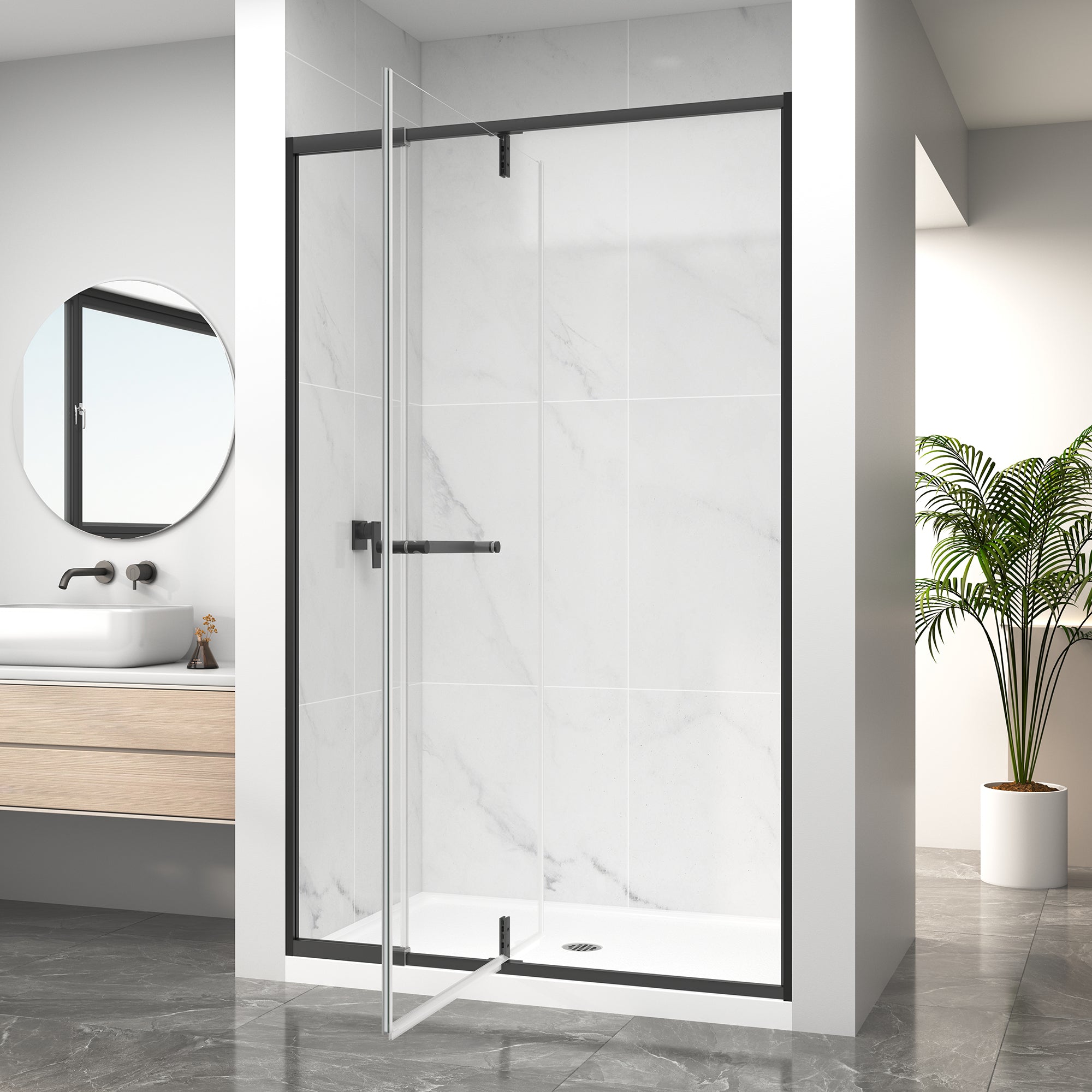
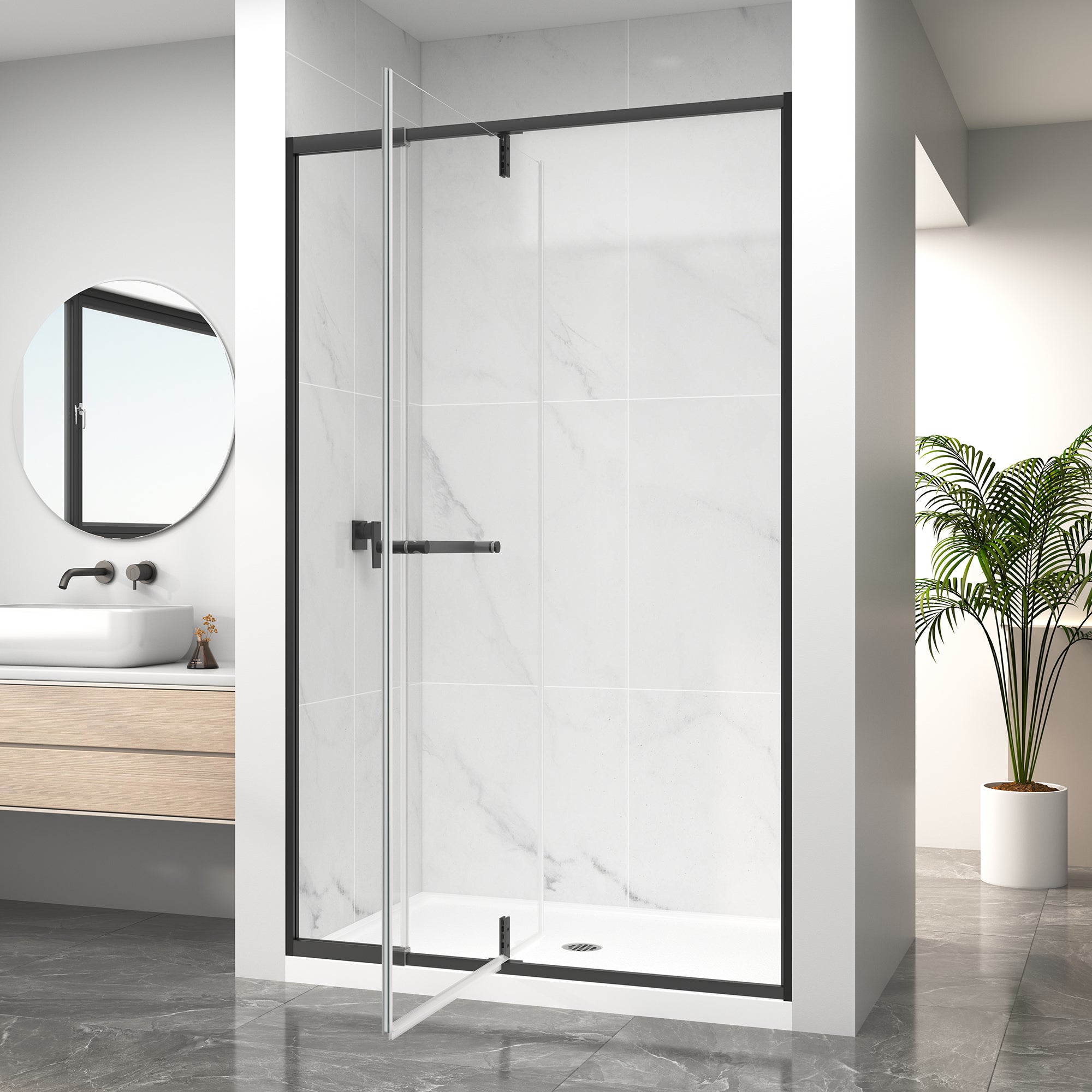
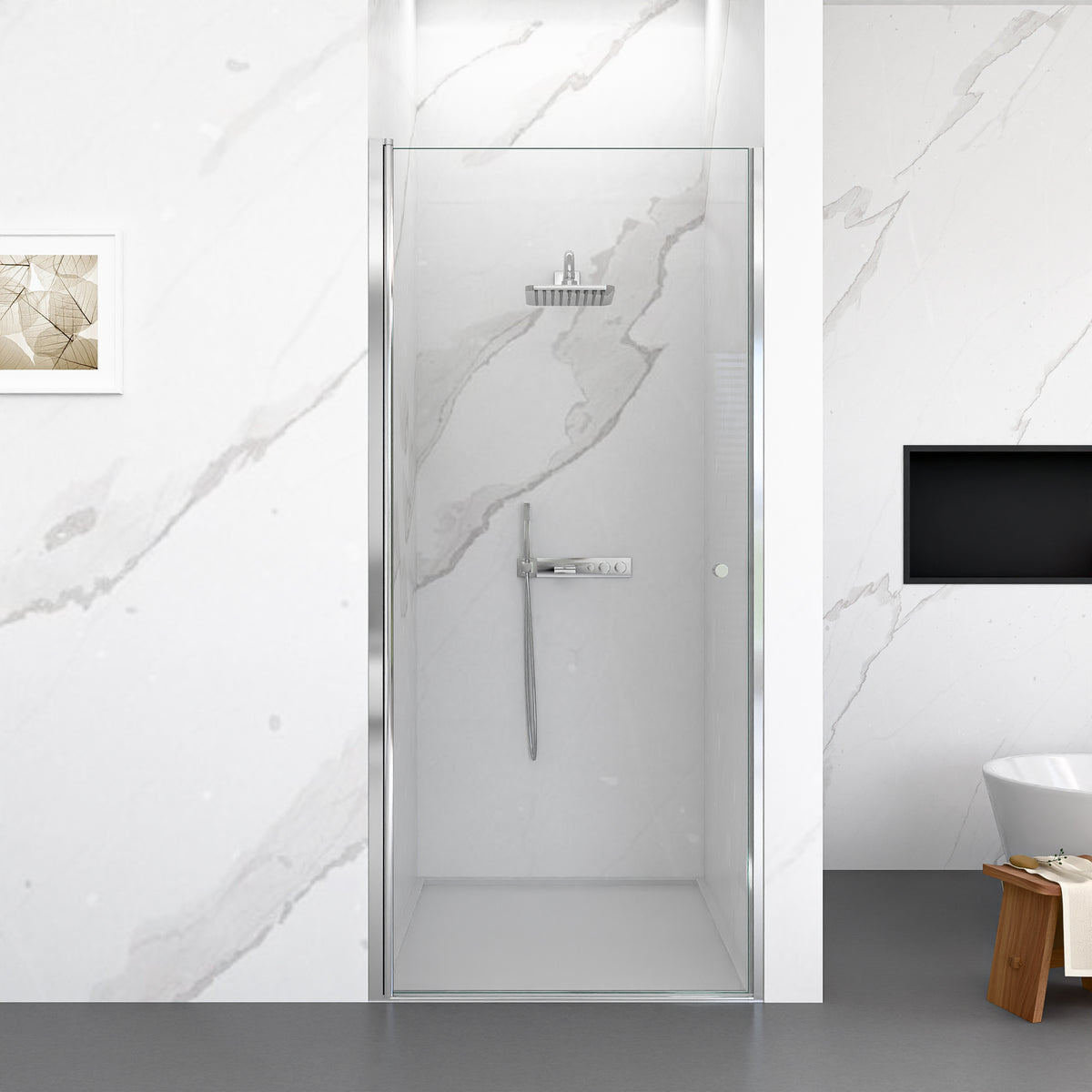
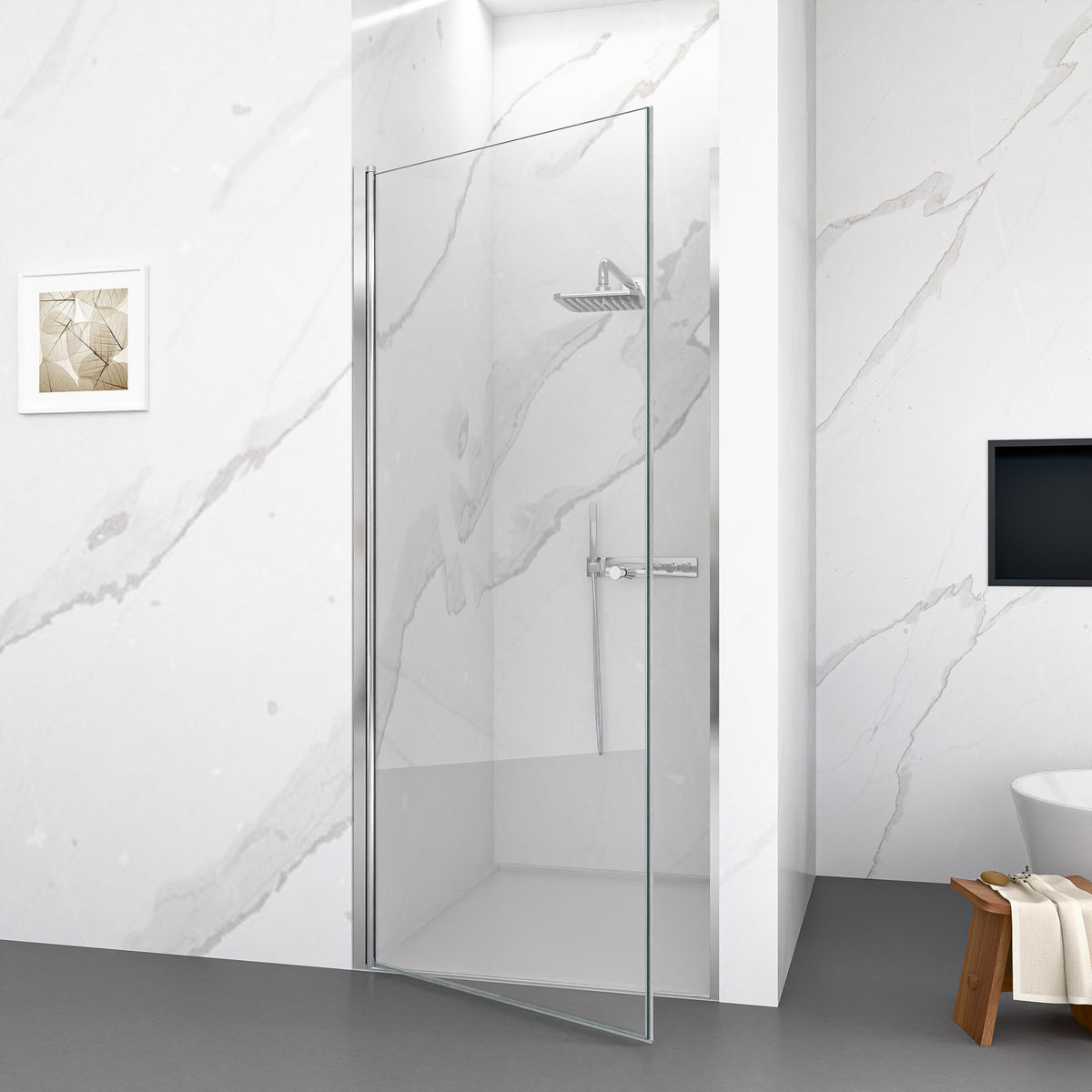
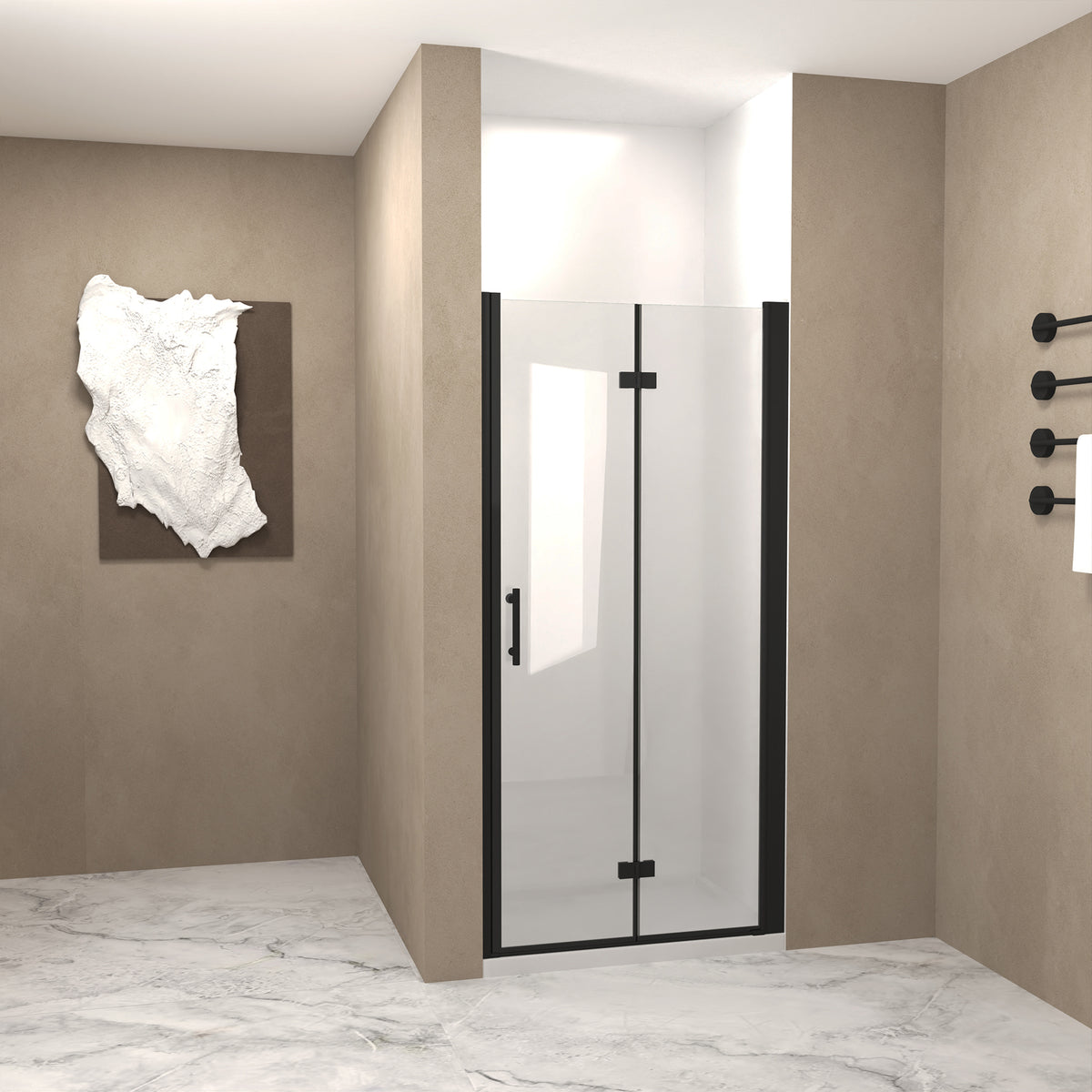
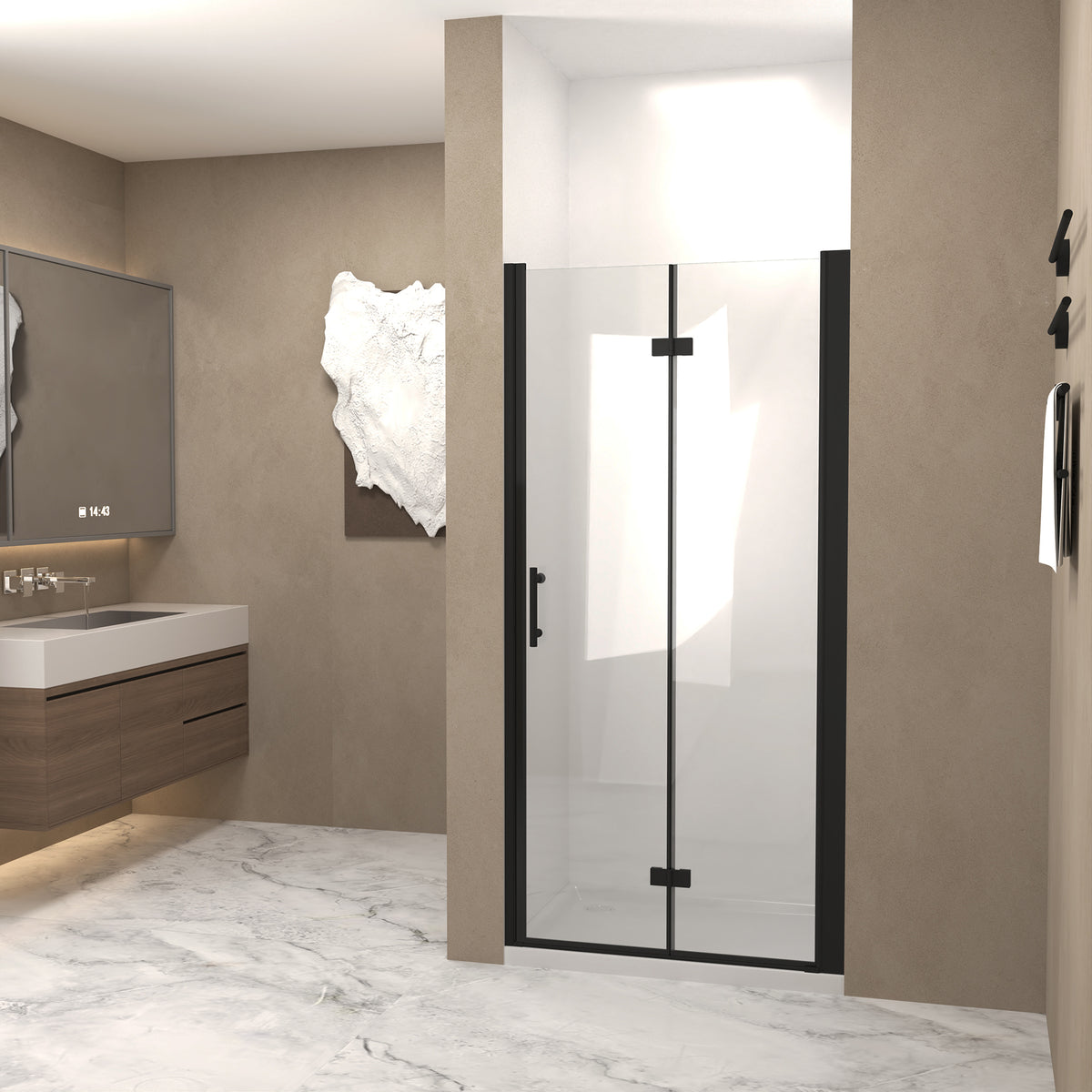
Pivot Shower Doors
Pivot shower doors use a swinging entry style and can work well for bathrooms where a sliding system is not the best fit. They are often useful for narrower openings, simpler shower layouts, and homeowners who prefer a direct walk-in entry.
Choose pivot shower doors when you have enough swing clearance and want a clean, practical entry without a full sliding track.

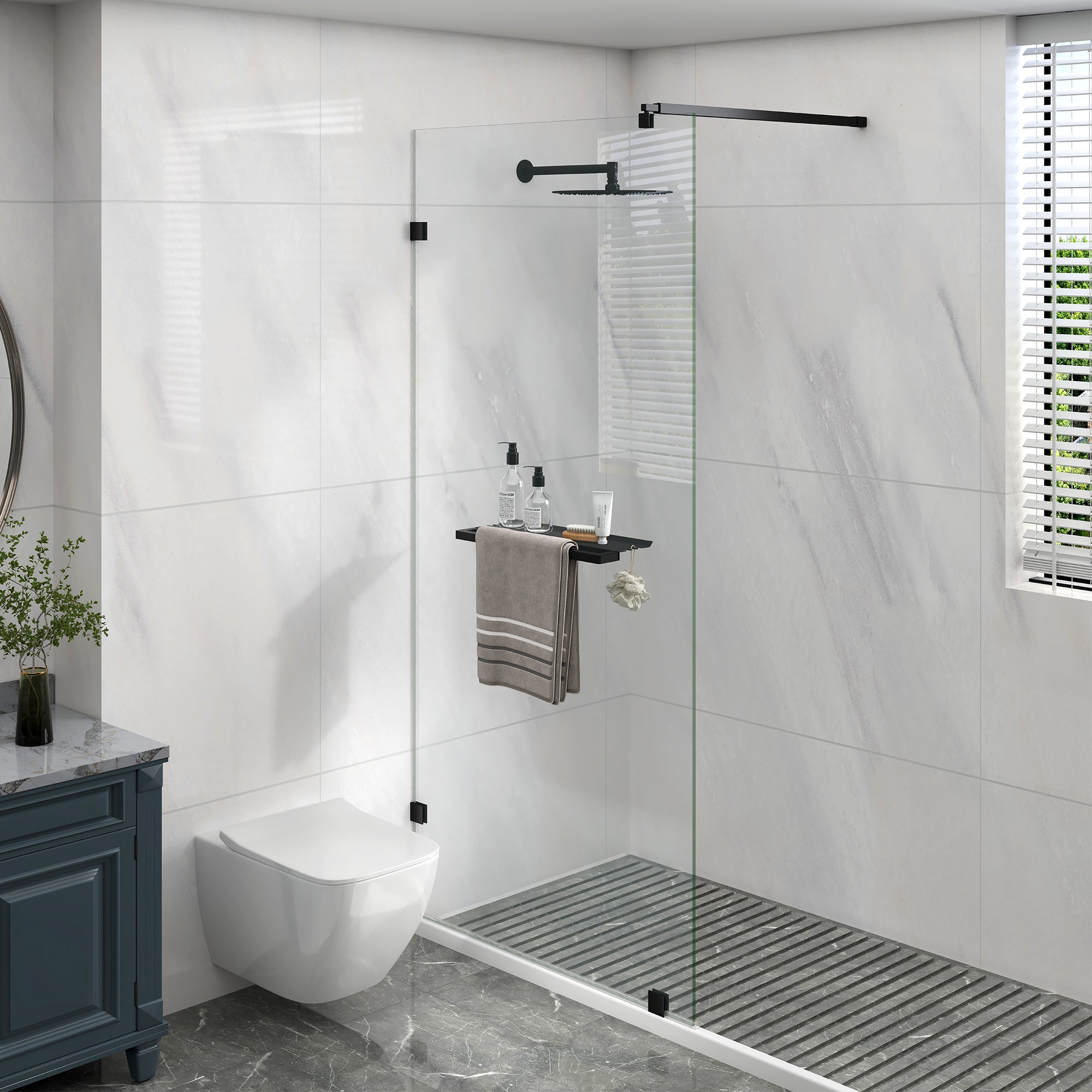
Shower Glass Panels
Shower glass panels are fixed panels used in walk-in showers and open bathroom layouts. They create a minimal look while helping reduce splash in the main shower area.
Choose fixed glass panels when you want an open shower design, fewer moving parts, and a cleaner layout for a walk-in bathroom remodel.

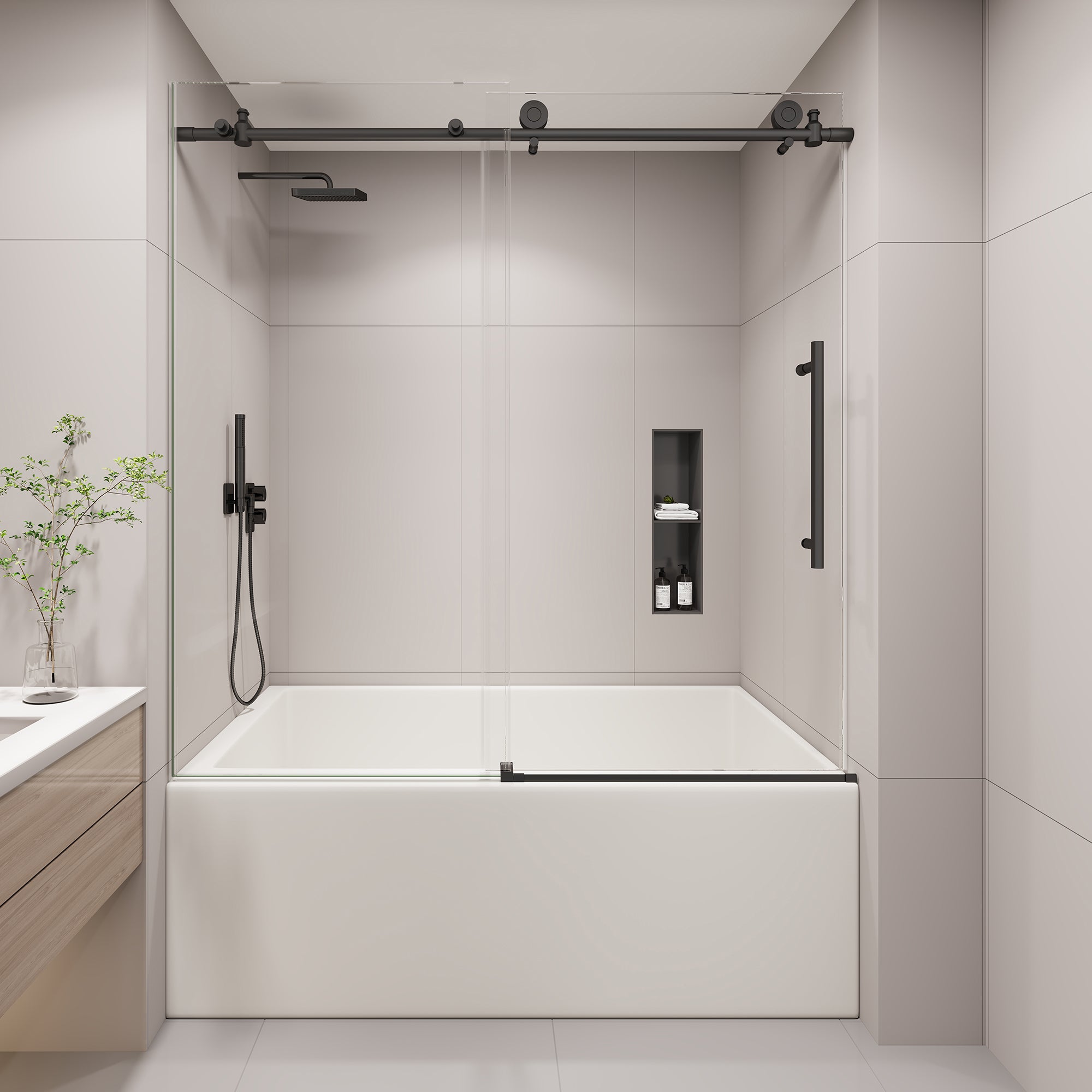
Bathtub Shower Doors
Bathtub shower doors are designed for tub-shower combinations. They are a better fit than standard shower doors when the enclosure needs to sit on a bathtub edge instead of a shower base or curb.
Choose bathtub shower doors when you want to replace a shower curtain with a cleaner glass enclosure for an existing bathtub layout.

Black Shower Doors
Black shower doors are often chosen by homeowners who want more contrast, definition, and visible structure in the bathroom. Compared with lighter or more understated finishes, black hardware and framing create a stronger outline around the shower area, which can work especially well with white tile, stone, concrete-look surfaces, and modern farmhouse or industrial-inspired interiors.
This style is less about making the shower disappear and more about using it as part of the room’s design statement. It can bring a sharper, more architectural look to the space while still fitting a wide range of bathroom sizes and layouts.
Choose black shower doors when finish and visual impact matter just as much as function, especially if you want the enclosure to add stronger contrast to the overall bathroom design.

Glass Shower Doors
Glass shower doors are a good fit for bathrooms that need a brighter, lighter, and more open visual feel. This style is often preferred by homeowners who want the shower area to feel less closed off and more connected to the rest of the room, especially in bathrooms where natural light, tile detail, or a cleaner modern finish is part of the design goal.
Compared with heavier-looking enclosures or curtain setups, glass shower door help keep sight lines cleaner and can make the bathroom feel visually calmer. They are often chosen when the goal is to create a more spacious impression without adding visual bulk.
Choose glass shower doors when you want a more transparent, light-forward shower look that supports a brighter overall bathroom atmosphere.
Sliding Shower Doors
Sliding shower doors are usually the best fit when floor space is limited. Because the panels move along a track instead of swinging outward, they work well in alcove showers, compact bathrooms, and layouts where a vanity, toilet, or walkway sits close to the shower opening.
Choose sliding shower doors when you want a space-saving enclosure with practical daily use, clean glass panels, and better water control than a curtain setup.
Frameless Shower Doors
Frameless shower doors are a strong choice when the goal is a cleaner and more open bathroom look. With less visible framing around the glass, this style helps showcase tile, fixtures, and the shower layout.
Choose frameless shower doors when you want a modern remodel finish, a lighter visual profile, and a shower enclosure that feels less bulky than a heavily framed system.
Pivot Shower Doors
Pivot shower doors use a swinging entry style and can work well for bathrooms where a sliding system is not the best fit. They are often useful for narrower openings, simpler shower layouts, and homeowners who prefer a direct walk-in entry.
Choose pivot shower doors when you have enough swing clearance and want a clean, practical entry without a full sliding track.
Shower Glass Panels
Shower glass panels are fixed panels used in walk-in showers and open bathroom layouts. They create a minimal look while helping reduce splash in the main shower area.
Choose fixed glass panels when you want an open shower design, fewer moving parts, and a cleaner layout for a walk-in bathroom remodel.
Bathtub Shower Doors
Bathtub shower doors are designed for tub-shower combinations. They are a better fit than standard shower doors when the enclosure needs to sit on a bathtub edge instead of a shower base or curb.
Choose bathtub shower doors when you want to replace a shower curtain with a cleaner glass enclosure for an existing bathtub layout.
Black Shower Doors
Black shower doors are often chosen by homeowners who want more contrast, definition, and visible structure in the bathroom. Compared with lighter or more understated finishes, black hardware and framing create a stronger outline around the shower area, which can work especially well with white tile, stone, concrete-look surfaces, and modern farmhouse or industrial-inspired interiors.
This style is less about making the shower disappear and more about using it as part of the room’s design statement. It can bring a sharper, more architectural look to the space while still fitting a wide range of bathroom sizes and layouts.
Choose black shower doors when finish and visual impact matter just as much as function, especially if you want the enclosure to add stronger contrast to the overall bathroom design.
Glass Shower Doors
Glass shower doors are a good fit for bathrooms that need a brighter, lighter, and more open visual feel. This style is often preferred by homeowners who want the shower area to feel less closed off and more connected to the rest of the room, especially in bathrooms where natural light, tile detail, or a cleaner modern finish is part of the design goal.
Compared with heavier-looking enclosures or curtain setups, glass shower door help keep sight lines cleaner and can make the bathroom feel visually calmer. They are often chosen when the goal is to create a more spacious impression without adding visual bulk.
Choose glass shower doors when you want a more transparent, light-forward shower look that supports a brighter overall bathroom atmosphere.


What to Consider Before Choosing a Shower Door
Before choosing a shower door, confirm the practical details that affect fit, installation, water control, and daily use. The right choice should match the opening size, bathroom layout, door clearance, glass type, finish, threshold condition, and installation requirements.
Opening Size
Measure the finished shower opening after tile or wall panels are installed. Check the width at the top, middle, and bottom because older walls may not be perfectly straight. Shower doors with adjustable width ranges are useful when the opening is not exactly one fixed size.
Door Clearance
Door clearance determines whether a sliding, pivot, or fixed-panel layout makes the most sense. Sliding shower doors are better for tight bathrooms because they do not swing outward. Pivot doors need clear space in front of the shower. Fixed glass panels need enough depth to control splash.
Glass and Safety
Choose shower doors made with tempered safety glass. Glass thickness, certification, and hardware compatibility all matter. Heavier glass may feel more premium, but it also places more demand on wall support, hinges, and installation accuracy.
Frame Style
Frameless and semi-frameless styles create a cleaner look with less visible metal, while framed or track-based styles can offer more structure and water control. The best frame style depends on the bathroom layout, wall condition, and how much maintenance you want to manage.
Finish
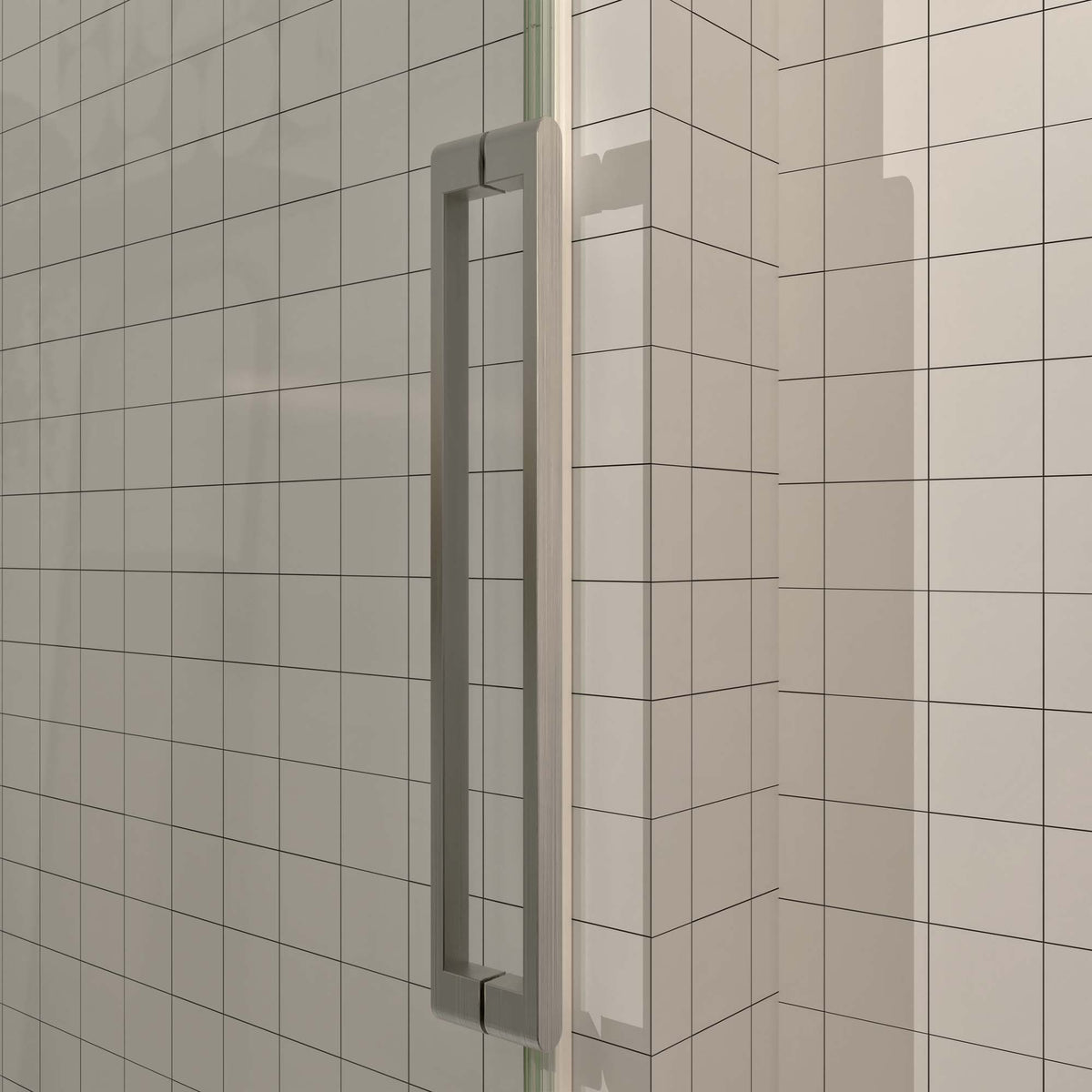
Finish affects the overall design of the bathroom. Matte black creates stronger contrast, brushed nickel feels softer and more versatile, and brushed gold adds a warmer accent. Match the shower door finish with faucets, lighting, towel bars, and other bathroom hardware.
Threshold and Shower Base
The shower door should work with the threshold, curb, or shower base. If the threshold slopes poorly or the base holds water near the entry, even a good shower door may leak. Before ordering, confirm that the base is stable, the curb slopes inward, and the drain layout works with the door type.
Installation
Installation difficulty depends on door weight, wall support, opening accuracy, and hardware type. Sliding doors are often more practical for standard alcove layouts, while frameless and pivot doors may require more precise wall alignment and stronger mounting support.
Questions And Answers
1. What type of shower door is best for a small bathroom?
For small bathrooms, sliding shower doors are usually the most practical choice because they do not need outward swing clearance. They work well when the shower sits close to a vanity, toilet, or walkway. Frameless styles can also work in smaller bathrooms when the goal is a cleaner and more open visual effect.
2. Do shower doors leak?
A properly fitted shower door should help control water, but leaks can happen if the door is misaligned, the threshold slopes outward, the sweep is worn, or the shower base sends water toward the entry. Door style matters, but installation quality and threshold condition are often more important.
3. Can a shower door be installed on a bathtub?
Yes. Many bathtub shower doors are designed specifically for tub-shower combinations. They sit on the bathtub edge and are different from standard shower doors that are designed for shower bases or curbs. Before ordering, confirm the tub width, wall condition, and opening height.
4. How do I choose between sliding, frameless, pivot, and glass panel styles?
Choose sliding shower doors when you need to save space. Choose frameless shower doors when you want a cleaner modern look. Choose pivot shower doors when you prefer a swinging entry and have enough clearance. Choose fixed glass panels for walk-in showers and open layouts.
5. Can I install a shower door myself?
Some shower doors are more DIY-friendly than others, but the difficulty depends on the door type, glass weight, opening accuracy, wall condition, and hardware. If the installation involves heavy glass, drilling through tile, or correcting out-of-plumb walls, professional installation is usually safer.
6. Do frameless shower doors leak more than framed styles?
Frameless shower doors can perform well when installed correctly, but they are less forgiving of poor alignment, weak threshold slope, or uneven walls. Because they use less visible framing, the glass, sweep, hinge, and curb details need to work together more precisely.
7. Are sliding shower doors a good choice?
Yes. Sliding shower doors are a strong choice for many bathrooms, especially where space is limited. Since the panels slide instead of swinging outward, they are practical for alcove showers, tub-shower combinations, and tighter bathroom layouts.
8. Are shower doors worth the upgrade?
For many remodels, shower doors are worth the upgrade because they create a more finished look, improve water control, and make the shower area feel more permanent than a curtain setup. The value is highest when the door style matches the opening, base, threshold, and bathroom layout.
9. What glass thickness is best for shower doors?
For many sliding and semi-frameless shower doors, 8mm glass offers a good balance of strength, weight, and smooth operation. For larger frameless pivot doors or fixed panels, 10mm glass may provide a heavier and more rigid feel. The right choice depends on the door type, wall support, and hardware.
10. What should I check before buying a shower door?
Check the finished opening width, height, wall plumb, threshold slope, shower base condition, door clearance, glass type, finish, and installation requirements. A shower door should be chosen as part of the full shower system, not only by appearance.