
Water sitting in a shower base usually means one of four things: the base is not pitched correctly, the drain is not pulling water fast enough, the curb or threshold is sending water the wrong direction, or the shower floor is already out of level and the base is following that condition. The fastest rule of thumb is this: if water stays in the pan after several minutes and the drain is clear, check slope and drain alignment before you assume the base itself is defective.
The Short Answer
A shower base holds water when the floor does not slope properly to the drain, the drain opening is misaligned, the curb or threshold is flat or back-pitched, or the base is flexing under load. In a remodel, the problem is often not obvious until the old tile or pan comes out. If the drain is clear and water still lingers, measure the slope and finished opening before you blame the plumbing.
Common Causes of Standing Water
Start with the simplest explanation: shower water should move by gravity. If it pools, something is interrupting that path. In remodel work, the cause is often a mix of drain placement, floor pitch, and finished surface height. A base can look fine at a glance and still trap water along one edge or in the center.
One common jobsite issue is that the opening looked square before demolition, but after the old finish materials came off, the walls were slightly out of plumb and the floor was not level. That matters because a shower base installed into an uneven room can sit differently at each corner. Another common issue is a drain that looked centered in the old shower but no longer matches the new base’s drain location.
For homeowners planning a replacement, the right starting point is the shower floor system, not the trim or door. If you are evaluating new pan options, Shower Bases are the collection to review once you know the drain position, threshold height, and footprint you need.
- Poor slope: Water stays on the surface because the floor does not move it toward the drain.
- Drain mismatch: The base fits the space, but the drain rough-in does not line up.
- Back-pitched curb: Water runs toward the bathroom instead of back into the shower.
- Flexible subfloor: The base moves under weight and creates low spots.
- Debris or hair buildup: Drain flow is restricted and water drains slowly.
- Seal failure at the perimeter: Water escapes at the edge and collects where it should not.
| Symptom | Likely cause | Practical fix |
|---|---|---|
| Water stays near the drain after showering | Drain is slow or partially blocked | Clear the drain and check flow before changing the base |
| Water pools at one edge of the base | Floor pitch is uneven | Check slope in more than one direction and inspect subfloor conditions |
| Water sits at the front threshold | Curb or threshold is flat or back-pitched | Verify the curb slope sends water back to the shower side |
| Water appears after a remodel even though the old shower worked | Finished dimensions changed, but the new base was matched to the old footprint only | Recheck finished opening, drain rough-in, and wall thickness before replacing the pan |
Most of these problems are installation or planning issues, not cosmetic ones. A pan that is slightly off at the drain or threshold can create chronic standing water, even if the rest of the bathroom looks finished.
What to Check Before Replacing Anything
Before you order a new base or start tearing out tile, separate a maintenance issue from a layout issue. Some standing water problems are simple drain maintenance. Others are caused by the wrong base size, drain location, or threshold design. A few minutes of checking can save a lot of rework.
Use this sequence:
- Run water and watch where it sits. If the water clears slowly everywhere, the drain may be restricted. If it stays in one low area, slope is the likely issue.
- Check the drain opening. Remove visible debris and confirm that the drain is not partially blocked below the grate.
- Measure the floor slope. Use a level or straightedge to see whether the base actually pitches toward the drain from more than one direction.
- Inspect the threshold. The curb should send water back to the shower side, not toward the bathroom floor.
- Verify the finished opening. Measure after tile or wall panels are in place, because finished wall thickness changes the actual space.
- Check the drain rough-in location. A shower base can fit the footprint and still fail if the drain center does not line up.
- Look for flex. Step carefully and see whether the pan or subfloor moves enough to create a low spot.
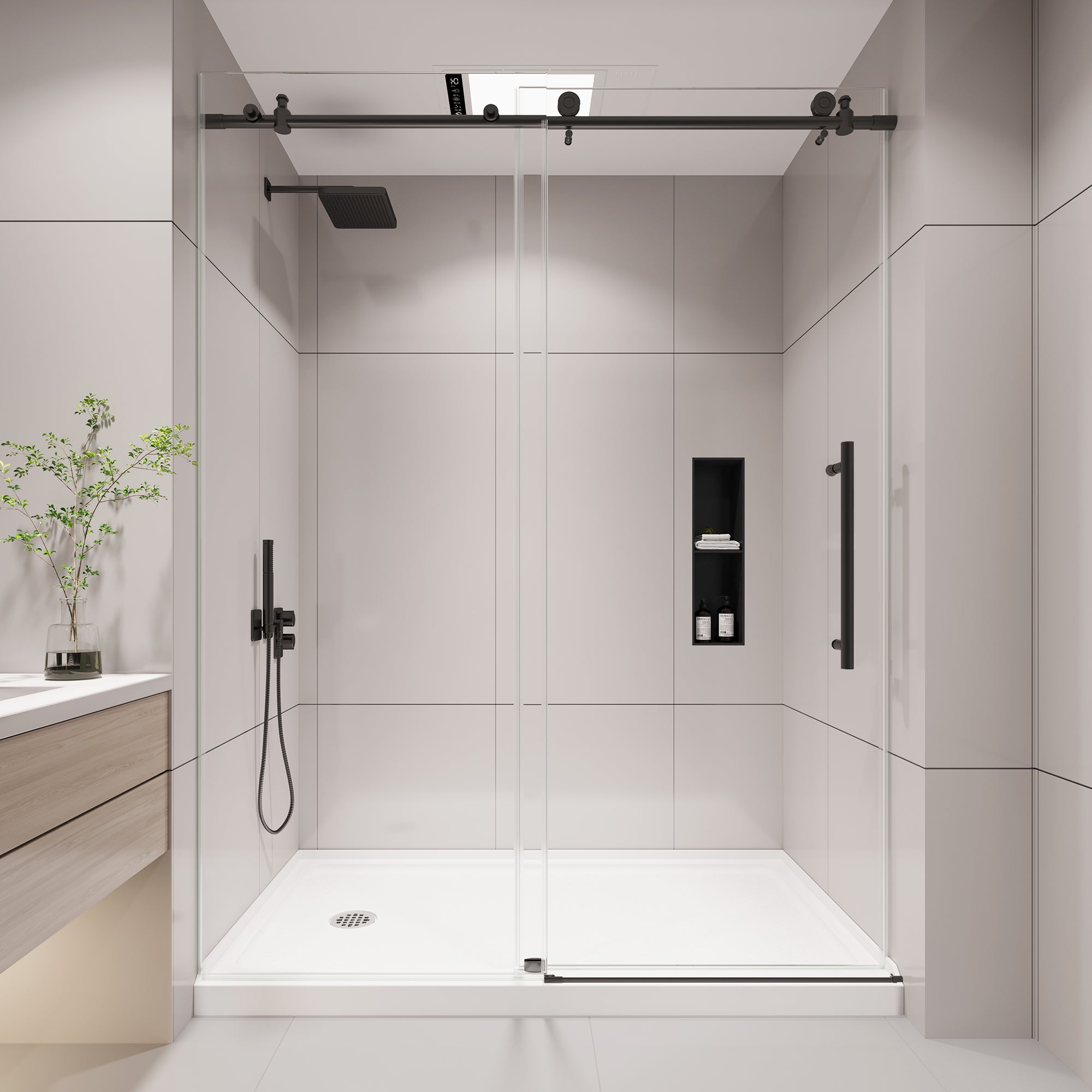
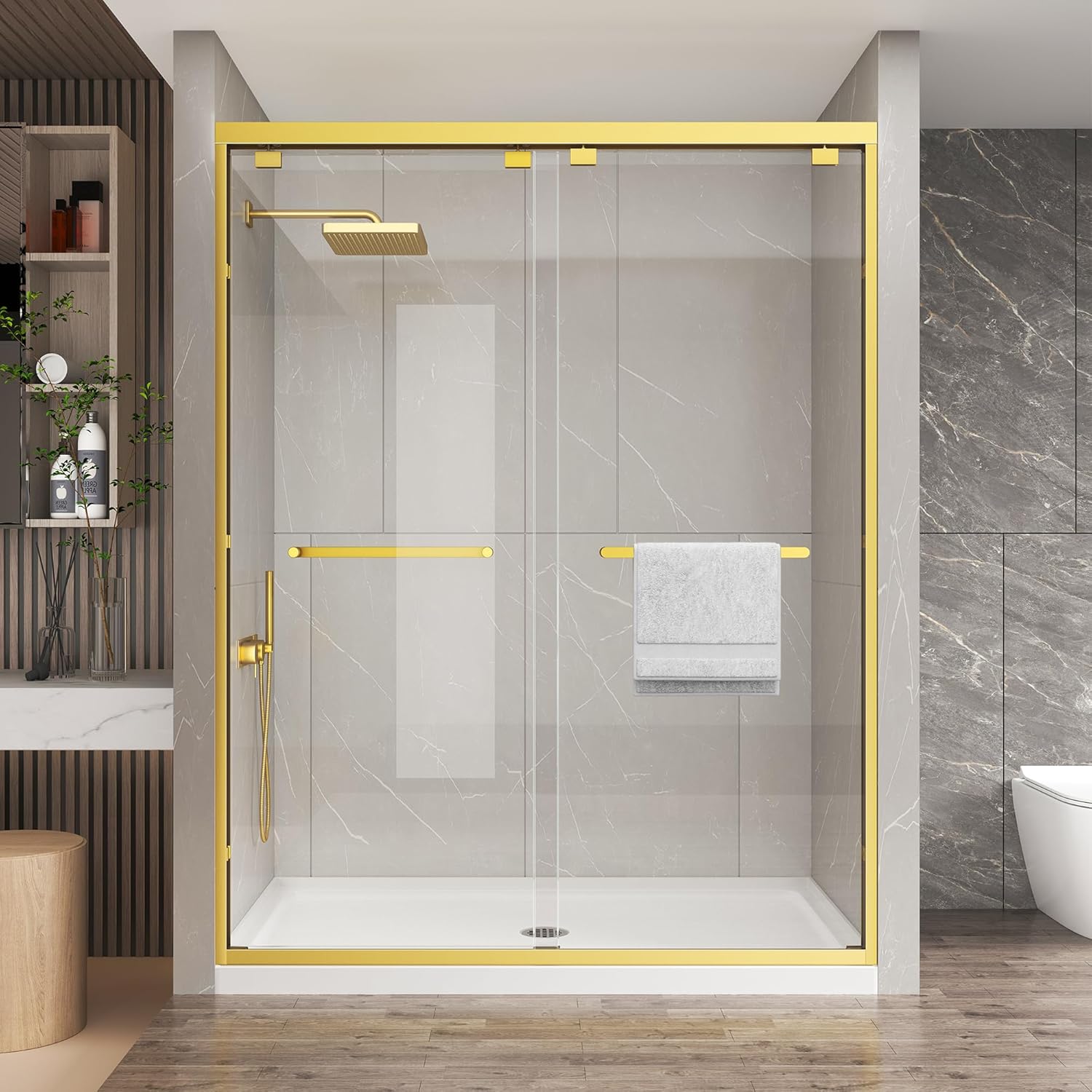
For remodels that include a glass enclosure, standing water can be made worse by poor fit at the base-to-door transition. If the threshold is too low, if the curb is not sloped, or if the opening is tight but out of plumb, water can collect near the front edge and track onto the bathroom floor. Planning the shower floor correctly first makes the glass decision easier later.
A good remodel check is to measure the top, middle, and bottom of the opening, then compare the left and right side heights. Older homes often have walls that lean just enough to change the pan fit or door alignment. That is normal enough to expect, but it should not be ignored.
How to Read the Problem Like a Pro
Not every wet shower floor points to the same fix. The clue is where the water sits, how long it stays there, and whether the issue started after a remodel or has always been present. This is the point where homeowners often replace the wrong part. A base can be blamed when the real issue is a clogged drain, and a drain can be blamed when the real issue is the curb slope.
If you are still in the planning stage and need a floor system that matches the drain and threshold you have to work with, review KPUY Shower Bases after your measurements are confirmed. That keeps the decision tied to the actual opening instead of the old shower’s footprint.
Practical signs and what they usually mean
- Water near the drain: Usually a drainage or debris issue.
- Water at the front edge: Often a threshold slope or curb height problem.
- Water along one wall: Usually an uneven floor or out-of-plumb wall condition.
- Water that appears after stepping out: Can point to poor water containment at the threshold or enclosure line.
- Water that never fully clears: Frequently a slope issue, especially in older remodels where the subfloor was not corrected first.
One useful habit is to look at the shower base before the walls are closed in. Once tile and trim are installed, a shallow slope error can be harder to see, but the water still reveals it immediately. That is why finished dimensions matter more than rough framing dimensions for shower floors.
Measurement Checklist for Remodels
If the shower base is holding water and you are considering replacement, measure the shower as it will exist after the remodel, not as it looked before demolition. Tile thickness, wallboard, waterproofing layers, and trim all affect the final opening. A base that fit the old shower may be wrong for the finished one.
Use this checklist before ordering:
- Measure the finished opening width at the top, middle, and bottom.
- Measure both side walls for height and plumb so you know whether the opening leans.
- Confirm the drain center location from finished walls, not from raw framing.
- Check the threshold height and whether the curb pitches back into the shower.
- Inspect the subfloor for movement, dips, or repaired areas that could change the pan’s support.
- Note tile or wall finish thickness, because finished wall dimensions can be tighter than the rough opening.
- Check door, vanity, and toilet clearance if the base is part of a larger layout change.
- Verify whether the enclosure will need wall anchors, studs, or hardware clearance near the opening.
A shower floor that looks “close enough” during demolition can be a problem once the room is finished. A vanity drawer may clear the room but still hit a door casing. A pan may fit the footprint but miss the drain rough-in by an inch or two. Those are the kinds of details that turn a simple replacement into a second round of work.
If your remodel is also changing the enclosure style, leave enough room for the glass or door to function without forcing water toward the threshold. For shower openings, the right base and enclosure combination matters more than either part by itself.
When Replacement Makes More Sense
Cleaning and maintenance solve some water-holding problems, but not all of them. If the base has a pitch defect, a warped subfloor, or a drain location that does not match the new layout, replacement is usually the practical answer. That is especially true when the shower is being remodeled anyway.
Replacement becomes more likely when:
- Water pools in the same place every time, even after the drain is cleaned.
- The curb or threshold is visibly flat or sloped the wrong way.
- The old pan was installed around a drain location that no longer fits the new plan.
- The floor flexes or sounds hollow underfoot.
- Tile repair would cost close to the price of a new shower floor system.
If you are rebuilding the shower floor, consider the enclosure at the same time. The most successful remodels start with the base, then move to the door or panel once the opening is confirmed. That order helps avoid clearance surprises and keeps the enclosure aligned with the finished pan rather than the old one.
For homeowners comparing enclosure styles after the base is sorted out, KPUY Shower Doors can help you narrow the opening style that fits the finished shower without overcrowding the room.
Frequently Asked Questions
Is a little standing water in a shower base normal?
A small amount of surface water near the drain can happen, especially on very flat shower floors. What is not normal is water that sits in the same spot, collects at the curb, or remains after the drain has had time to clear. If the puddle stays put every time, the slope or drain layout deserves a closer look.
Can a shower base fit the opening and still hold water?
Yes. A base can match the footprint and still perform poorly if the drain rough-in is off, the pan is not supported correctly, or the threshold does not slope back into the shower. Fit and function are not the same thing. That is why finished measurements and drain location both matter before ordering a replacement.
Should I fix the drain first or replace the base first?
Start with the drain if the water is clearing slowly everywhere and the base itself does not show a visible slope problem. If the water sits in one low area, at the front edge, or along one wall, the base or subfloor is more likely the problem. In remodels, check both before spending money on tile or trim repairs.
What to Check Next
If your shower base holds water, do not guess from the surface appearance alone. Check the drain, the curb slope, and the finished dimensions of the opening before deciding what to replace. In many remodels, the fix is tied to the pan and rough-in together, not one part by itself. If you are ready to compare floor systems after measuring, start with Shower Bases and match the pan to the actual finished opening, drain location, and threshold conditions in your room.

Leave a comment
All comments are moderated before being published.
This site is protected by hCaptcha and the hCaptcha Privacy Policy and Terms of Service apply.