
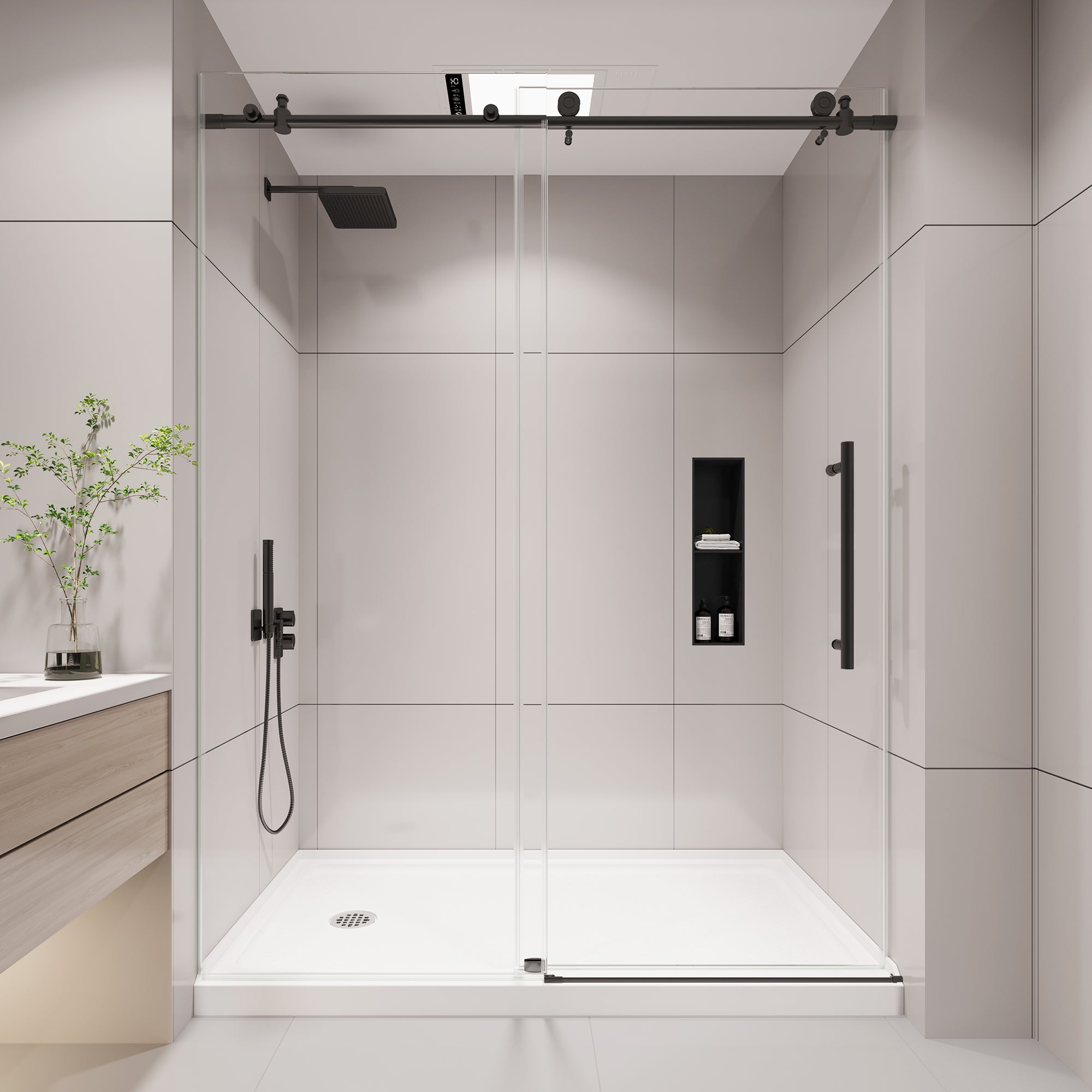
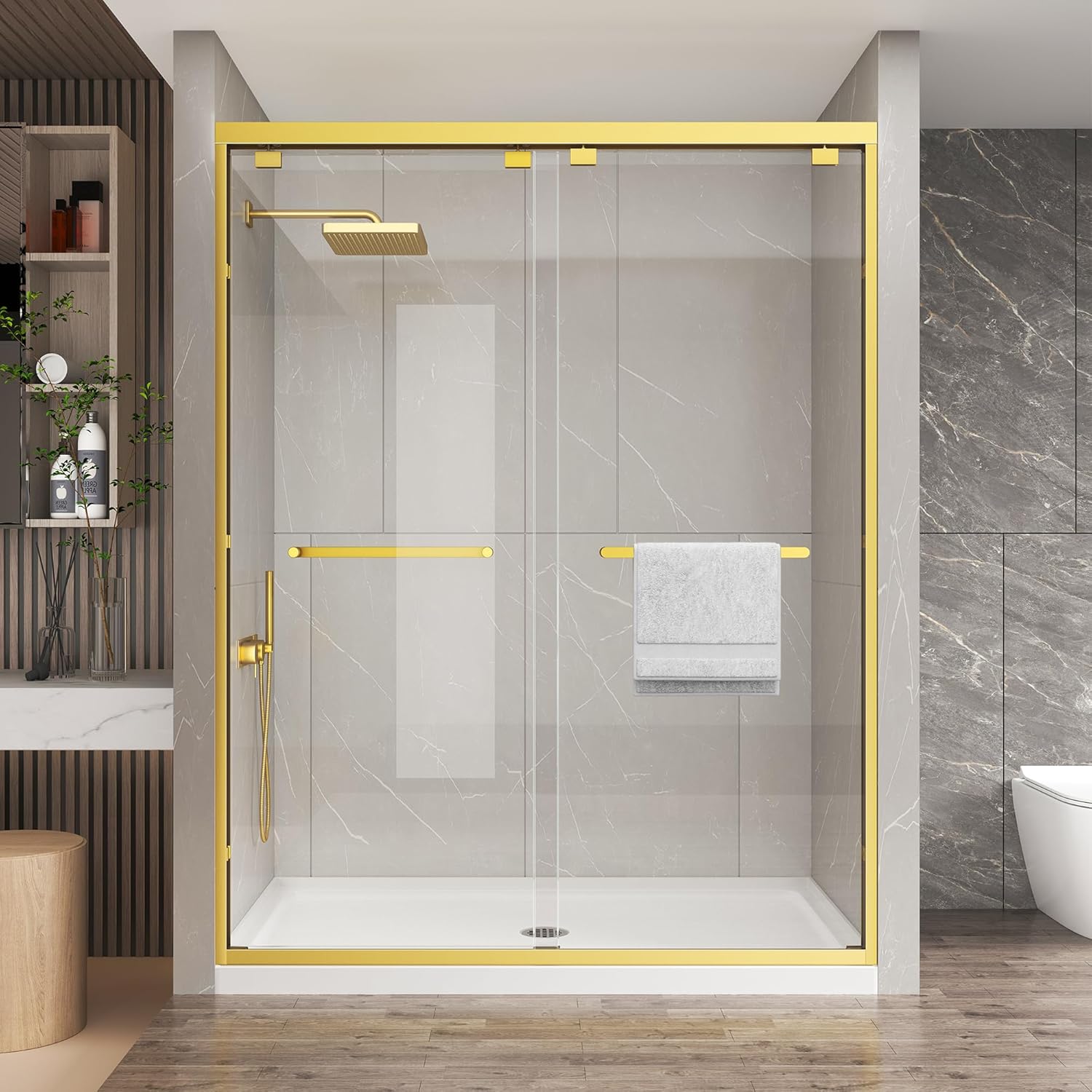
Pivot shower doors open in a swing path, so the real question is not just “left or right,” but which direction keeps the door from hitting the vanity, toilet, towel bar, or bathroom entry. The safe rule is simple: pick the swing that clears the room, lands comfortably inside the shower opening, and lets you enter without fighting nearby fixtures. In a remodel, that choice should be made from the finished opening, not the old framing or the old door.
The Short Answer
A pivot shower door should usually open toward the side with the most clear floor space and away from toilets, vanities, and room traffic. If both directions are possible, choose the swing that keeps the door fully usable without blocking entry or cabinet access. In a tight bathroom, a pivot door may still work, but only if the swing path stays clear and the shower opening is measured from the finished walls.
How to Choose the Swing Direction
For most remodels, the door should open in the direction that gives you the cleanest path in and out of the shower. That usually means opening toward the larger open area of the bathroom, not toward the tightest side. The finished layout matters more than the rough framing. Tile thickness, drywall buildup, and wall plumb can shift the final opening enough to change which side feels workable.
If the shower sits near a vanity, medicine cabinet, or toilet, think through the full motion of the door. A pivot door can look fine on paper and still become annoying if it clips a drawer front, blocks a toilet paper holder, or forces you to step around the door every time you use the bathroom. For a broader selection of door styles while planning the opening, see KPUY Pivot Shower Doors.

Right-swing or left-swing: what matters most
The labels “left” and “right” only matter after you know where the hinges will sit and how the door will move when opened. The practical question is whether the door should open toward the left wall or the right wall based on traffic flow. If the door opens into a narrow aisle, it can make the bathroom feel smaller and create a daily nuisance. If it opens into open space, it usually feels easier to use.
When a pivot door is the wrong fit
Pivot doors are a poor choice when the swing path overlaps a vanity top, a towel bar, a radiator cover, or the bathroom entry door. The most common mistake is choosing the door because it “fits the opening” while ignoring where it lands when fully open. That mistake can leave you with a door that technically installs, but is awkward to use and more likely to strike nearby finishes.
What to Measure Before You Order
Start with the finished opening, not the rough opening. Measure after tile, backer board, and finish surfaces are in place. Take the width at the top, middle, and bottom of the opening. Then measure the height on both sides because older walls are often not perfectly plumb. A pivot door can tolerate some variation, but it still needs enough true clearance to swing without rubbing.
- Top, middle, and bottom width: use the smallest number as the real working opening.
- Left and right height: check both sides for slope, settling, or uneven tile buildup.
- Wall plumb: a wall that leans in or out can change how the door sits and seals.
- Threshold condition: a sloped or uneven curb can affect sweep contact and water control.
- Nearby fixtures: confirm that the open door will not hit a vanity edge, toilet tank, or door casing.
One remodel issue that surprises homeowners is that the opening may measure differently after tile than it did at rough-in. Tile thickness, adhesive buildup, and trim details can all reduce the final width. A door that seemed fine during framing can become tight once the finished walls are in place. That is why swing direction should be decided from the actual finished bathroom geometry.

Common Clearance Conflicts
A pivot door does not just need opening width; it needs usable swing space. The conflict is usually not inside the shower, but just outside it. A door can clear the opening and still fail in daily use if it blocks the vanity path or opens into the toilet zone. In small bathrooms, a few inches can decide whether the layout feels workable or cramped.
| Situation | What it causes | Better approach |
|---|---|---|
| Door opens toward the vanity | Drawer and countertop interference; awkward entry | Flip the swing to the more open side or recheck door stop placement |
| Door opens toward the toilet | Reduced knee room and uncomfortable access | Choose the opposite swing or consider a different enclosure style |
| Threshold slopes away from the shower | Water tracking onto the bathroom floor | Confirm curb slope and sweep contact before final installation |
| Wall is out of plumb | Uneven gaps, poor sealing, or rubbing at the hinge side | Measure at multiple points and allow for wall variation |
| Hardware clearance is tight | Door handle or hinge interference with adjacent surfaces | Check hardware projection and confirm the open position in the field |
For homeowners comparing pivot, sliding, and other enclosure layouts, the safest path is to match the door type to the bathroom clearance first and the style second. If you want to compare shower enclosure categories from a broader planning standpoint, the KPUY Shower Doors collection is the most useful starting point.
What wrong swing direction usually leads to
The most common result is not a leak; it is daily annoyance. The door may bump a vanity, force a sidestep around the open panel, or stop short because a towel bar is in the way. In tighter rooms, the wrong swing can also make cleaning harder because you cannot comfortably reach both sides of the glass. That is why door direction should be treated as a layout decision, not a cosmetic detail.
Pre-Order Checklist
Use this before you commit to a pivot door direction. It is faster to confirm the room now than to discover a clearance problem during installation week.
- Measure the finished opening at the top, middle, and bottom and record the smallest width.
- Measure both sides for height and note any floor slope or tile buildup.
- Check whether the walls are plumb or if one side leans enough to affect the door seal.
- Stand in front of the shower and open an imaginary door both ways to see which path clears the vanity, toilet, and entry door.
- Verify that the threshold slopes back into the shower, not toward the bathroom floor.
- Confirm hinge-side wall support and stud location so the hardware has a solid fastening point.
- Check handle, hinge, and sweep clearance against nearby trim, tile edges, and accessories.
- Compare the open-door path with the bathroom traffic pattern, especially in a narrow hallway bath.
- If the opening is close on either side, consider whether a different shower enclosure type would be easier to live with.
Older homes often reveal wall and floor issues only after demolition. A shower opening that looked square from across the room may be noticeably out of plumb once you put a level on it. That is normal enough in remodel work, but it means the door direction should be chosen after real measurements, not by guessing from the old frame.
For a quick planning reference on accessibility, clearances, and bathroom layout decisions, the NKBA has useful general design guidance that can help homeowners think through circulation space and fixture placement.
Frequently Asked Questions
Should a pivot shower door open in or out?
In most bathrooms, a pivot shower door is planned to open outward or with a swing that gives the best clearance in the room. The main goal is safe, comfortable access without hitting fixtures or trapping you inside a tight opening. The exact operation depends on the door design, but the swing direction should always be tested against the finished layout first.
Can I decide the swing direction after tile is installed?
You can confirm it after tile, but you should not leave the decision that late if the opening is tight. Tile thickness, grout buildup, and wall finishing can all change the final dimensions. If the room is small, decide the direction from finished measurements and fixture locations so the door does not end up conflicting with the vanity, toilet, or entry path.
What if both directions seem possible?
If both directions work on paper, choose the side that leaves the most natural traffic flow outside the shower and the easiest reach for daily use. Also consider cleaning access and whether the door open position blocks anything you use often. A door that opens into the least-used part of the room usually feels better than one that interrupts the main path.
Before You Choose
The best pivot door direction is the one that works with the finished bathroom, not the old rough framing. Measure the completed opening, check the swing path, and confirm that the open door will not fight the vanity, toilet, or threshold. If you are still comparing enclosure options after measuring, keep your layout notes handy and review the available pivot shower doors against the real room clearances before you order.

Leave a comment
All comments are moderated before being published.
This site is protected by hCaptcha and the hCaptcha Privacy Policy and Terms of Service apply.