
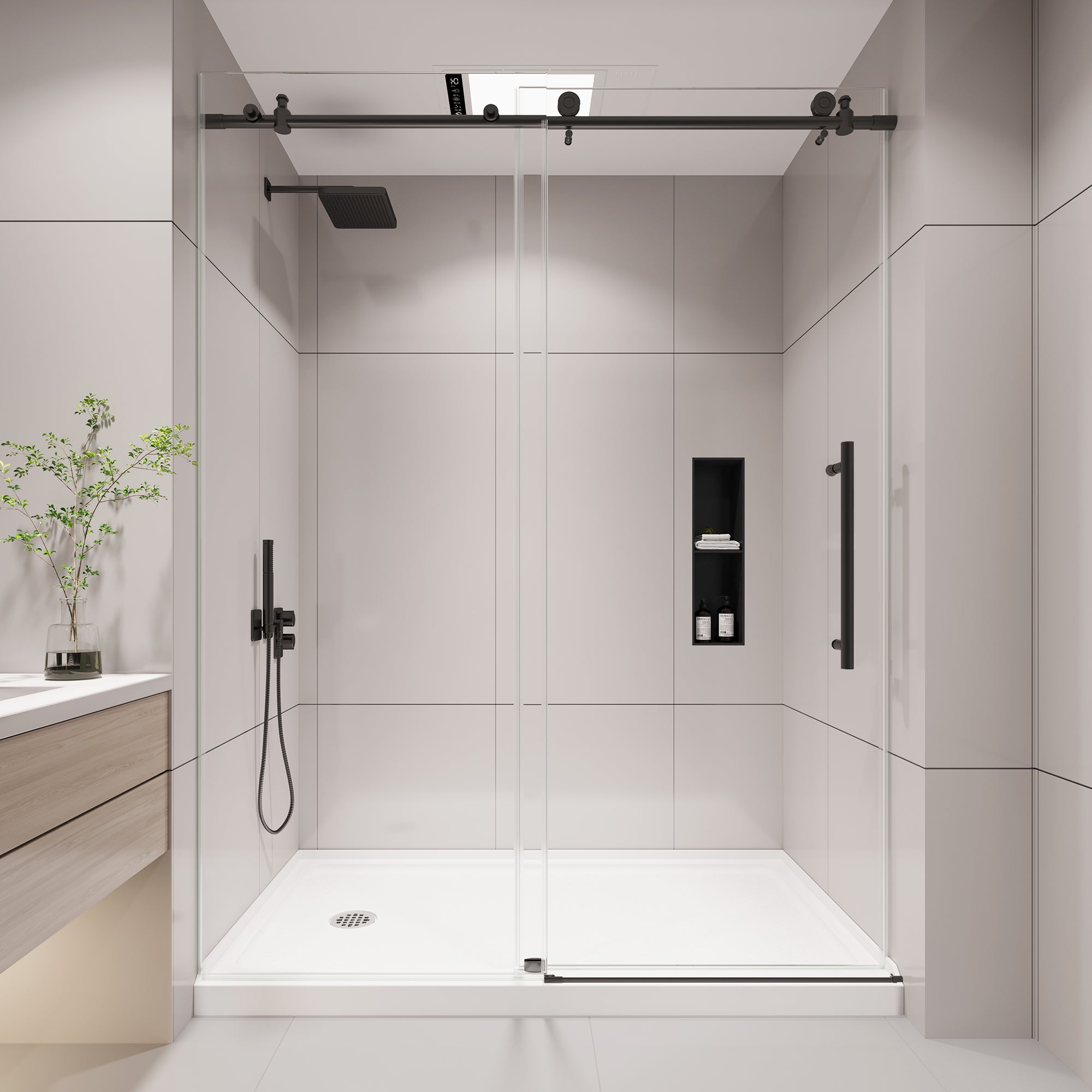
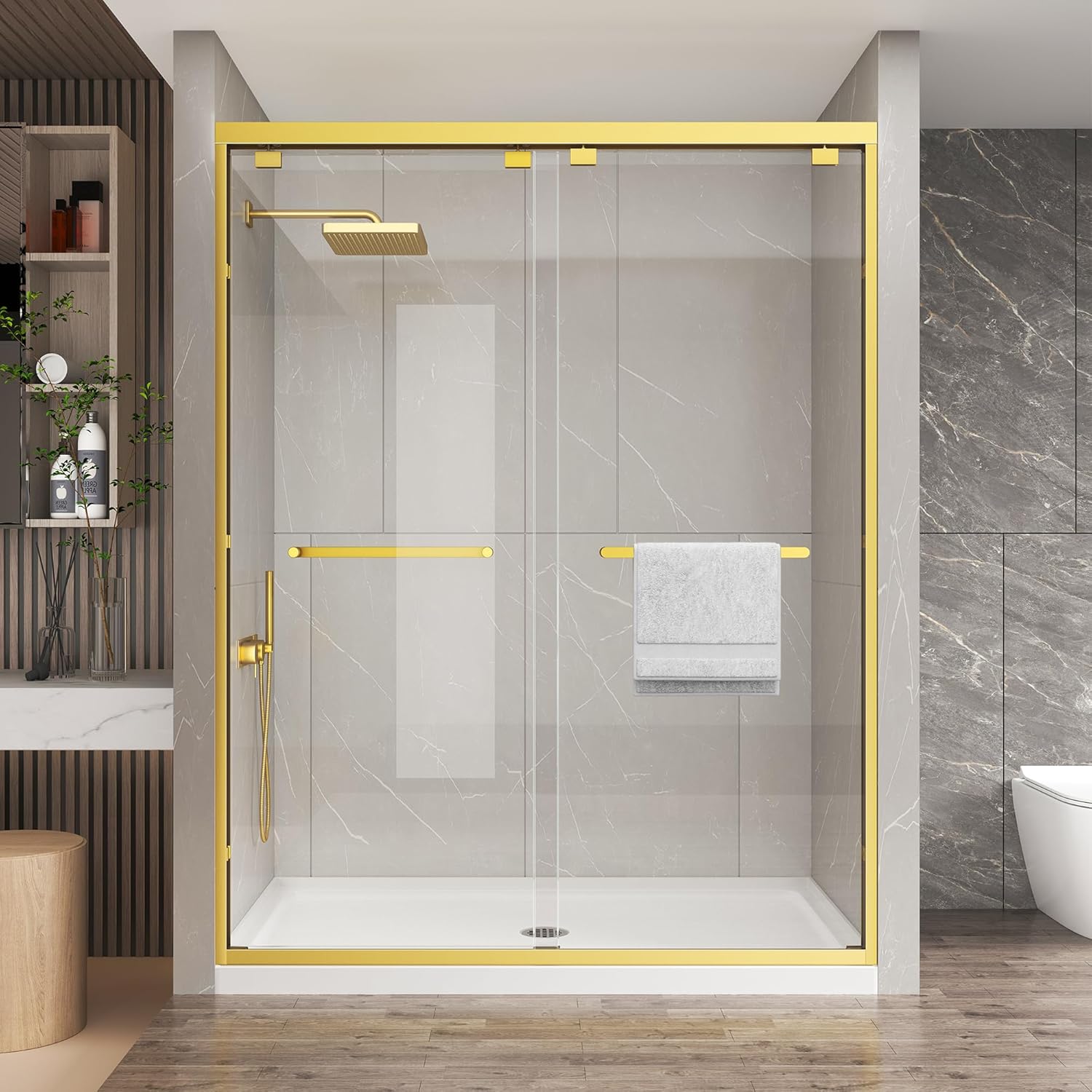
Homeowners ask me the same practical question on every remodel: which shower base material will actually stay clean with normal use, minimal grout scrubbing, and no drama when the kids or pets track in mud? With 20+ years on residential job sites across the U.S., I’ll give you straightforward, trade-tested guidance that factors in real-world issues — out-of-plumb walls, rough-in tolerances, curb slope, and the options you’ll see on the market in 2026.
Short Answer: Easiest Shower Base Material
Direct answer: one-piece, non-porous shower pans — primarily acrylic and solid-surface resin bases — are the easiest to clean. They offer smooth, continuous surfaces with minimal seams and no grout lines, so dirt and soap scum have nowhere to hide.
Why that short answer holds up on the job: acrylic and solid-surface pans arrive factory-finished, they tolerate standard cleaning products, and when installed correctly with proper slope (1/4" per foot toward the drain) they shed water instead of pooling. For most homeowners who want low effort and long-term performance, these are the top picks.

Material Comparison Table
Below is a practical chart based on field experience — I note typical cleaning effort, durability, and common failure points I see during remodels.
| Material | Ease of Cleaning | Durability / Jobsite Notes | Common Issues |
|---|---|---|---|
| Acrylic (one-piece) | Very easy — smooth, non-porous | Lightweight, tolerates modest substrate variations; easy to replace | Scratches from abrasive pads; gelcoat can dull |
| Solid-surface (cultured stone/resin) | Very easy — seamless options, low porosity | Dense, can be routed for custom drains; repairs possible | Cost higher; heavy; needs flat substrate |
| Porcelain enamel on steel | Easy — very smooth when intact | Extremely durable surface; long service life | Chipping if substrate flexes; rust when damaged |
| Tile (ceramic/stone) | Hardest — grout traps soap and mildew | Custom look; repairable; high labor | Grout maintenance; slope and drainage critical |
| Natural stone | Moderate — requires sealing | Premium look; heavy; may stain | Sealer failures; etching from harsh cleaners |
Installation Reality: Field Issues That Affect Cleanability
On paper, a smooth base is easy to clean. On-site, things get messier. Here are the recurring trade realities that change how “easy” cleaning actually is:
- Out-of-plumb walls: If walls are not plumb by more than a 1/4" over 48", you end up with uneven gaps at the curb and inconsistent sealant thickness. That thin or thick bead traps dirt and promotes mildew.
- Rough-in dimensions: Mislocated drains or unexpected joist obstructions force field modifications. Routing a drain or shim under a base creates seams or pockets where water can collect.
- Substrate flatness and curb slope: One-piece pans need a dead-flat substrate within installation tolerances (often ±1/8"). Tile pans require precise 1/4" per foot slope in the mortar bed — if installers miss that, water pools and grout stains.
- Glass and door tolerances: Tempered glass doors (commonly 3/8" to 1/2" thick under ANSI standards) must align with the curb. A gap too tight or too wide leads to splash outside or soap build-up at the edge of the pan. I always leave a 1/8" tolerance for out-of-plumb walls when measuring glass to avoid rubbing and to allow silicone to do its job.
Field example from a 1990s bungalow remodel: we installed a solid-surface pan, but the original studs were over 3/8" out of plumb. We shimmed the curb, adjusted the rip framing, and used a thinset-compatible bedding compound to keep the pan flat. Outcome: the pan shed water properly and grout lines never formed, which saved hours of future cleaning.

Cleaning Routine and Products That Work
What I tell homeowners on the first walk-through: a five-minute weekly routine keeps any base looking new. The material determines what cleaners and tools are safe.
- Rinse the pan and squeegee after each use — this prevents mineral build-up.
- Weekly: mild detergent or a pH-neutral cleaner with a soft cloth or non-abrasive sponge.
- Monthly: check drain weirs, wipe silicone seams, and treat grout lines on tile with a grout cleaner if needed.
Products and cautions:
- Acrylic & Solid Surface: Use non-abrasive cleaners (e.g., dish soap, vinegar diluted with water for mineral deposits). Avoid concentrated bleach or pumice. Fine scratches on acrylic can be buffed out with a non-abrasive polishing compound.
- Porcelain Enamel: Non-abrasive cleaners work well. Don't let rust form in chips — repair enamel immediately.
- Tile & Grout: Grout sealer plus an alkaline cleaner for mold. Acid cleaners can damage stone grout and some tiles.
Pro tip: Install a linear drain with a removable grate where possible — much easier to service and less likely to trap hair and soap scum than center clamping drains.
Maintenance, Repairs, and What to Avoid
Long-term cleanability depends on maintenance decisions made at installation:
- Sealants and joints: Use a mildew-resistant silicone with proper bead depth (typically 3/16"–1/4"). If the joint is too thin, silicone fails; too thick and it wrinkles and traps dirt.
- Substrate and support: One-piece bases require stable blocking and a flat floor. I specify 3/4" exterior-grade plywood with a continuous mortar bed under solid-surface pans to eliminate flex that causes cracks or chips.
- Damage repairs: Small gelcoat scratches on acrylic are fixable; chips on enamel may need a full pan replacement to prevent rust. Grout re-sanding and sealing is part of periodic tile maintenance.
Regulatory note: when you alter drain locations or install new fixtures, follow local plumbing code and UPC/IPC guidelines for trap seal depth and trap arm length. For standards and best practices I often reference the National Kitchen & Bath Association guidance for durable, code-compliant layouts and IAPMO resources for plumbing code interpretations — they're useful when you want to verify product specs and installation tolerances. NKBA and IAPMO are two reliable sources I use on-site.
FAQ — People Also Ask
Which shower base material hides soap scum best?
Dark-colored solid-surface or acrylic pans hide light soap scum better than white, but color choice is cosmetic — a daily squeegee still beats color for long-term appearance. Smooth, non-porous finishes trap less soap and require less aggressive cleaning.
Is tile worth the extra cleaning work?
Tile gives custom looks and design flexibility, but grout is the maintenance trade-off. If you want tile, choose epoxy grout and a proper waterproofing membrane (e.g., a bonded waterproofing layer) to minimize staining and mildew. Expect routine grout cleaning every 3–6 months depending on house usage.
Can I use regular household bleach on my shower base?
No for many finishes. Household bleach can degrade silicone and damage natural stone or certain grout. For acrylic and solid-surface pans, use a diluted bleach solution briefly and rinse thoroughly or choose a manufacturer-recommended cleaner.
Bottom Line and Next Steps
For most American homeowners who want the easiest-to-clean option with predictable on-site performance, choose a one-piece acrylic or solid-surface shower base installed over a flat, properly supported substrate with correct slope and sealed joints. If you prefer a custom look and accept higher maintenance, tile is fine but plan for grout care.
If you’re shopping for low-maintenance pans, take a look at available one-piece models and compare drain types and warranty details — and if you want to browse a curated selection, check out our Shower Bases collection for factory-finished, easy-clean options.

Leave a comment
All comments are moderated before being published.
This site is protected by hCaptcha and the hCaptcha Privacy Policy and Terms of Service apply.