
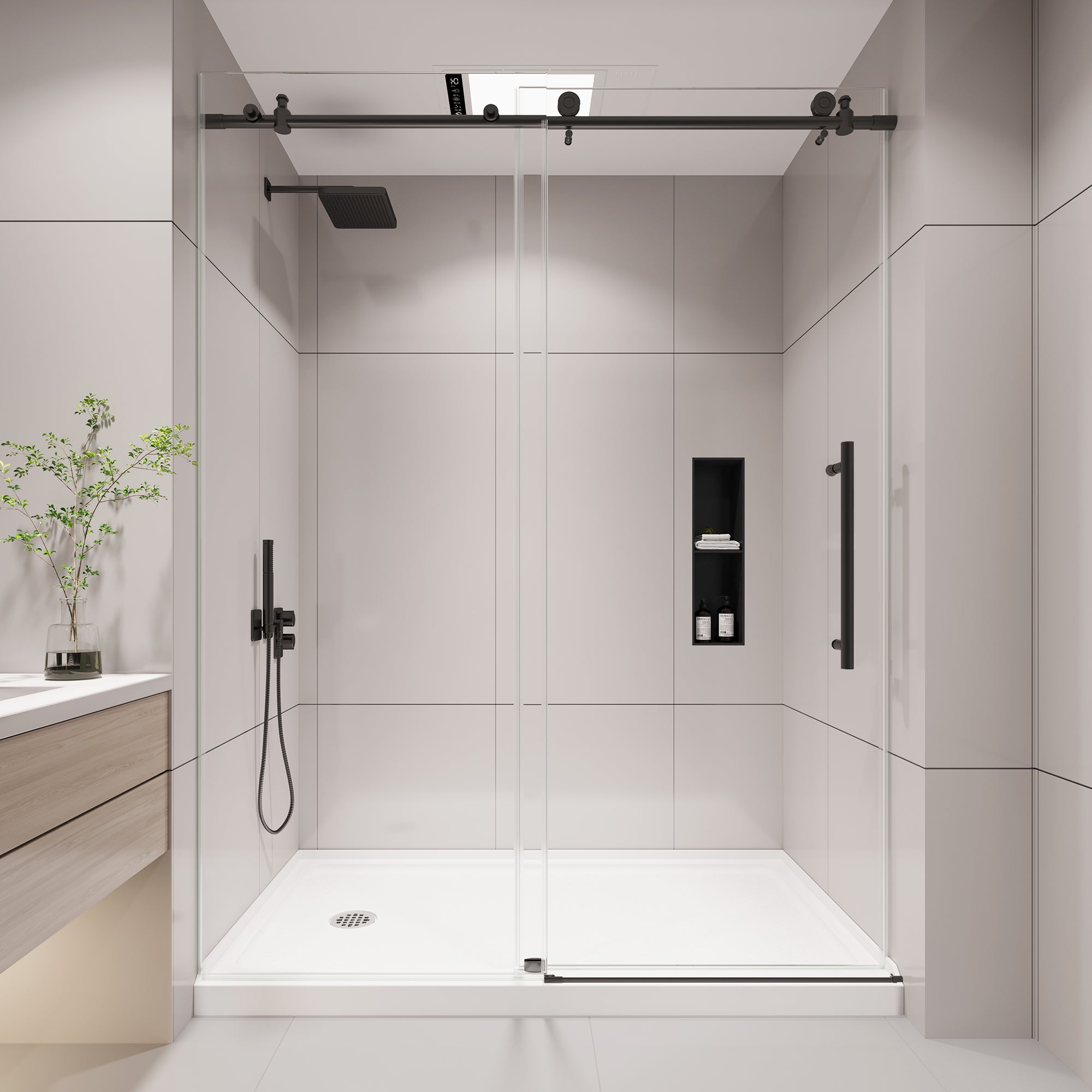
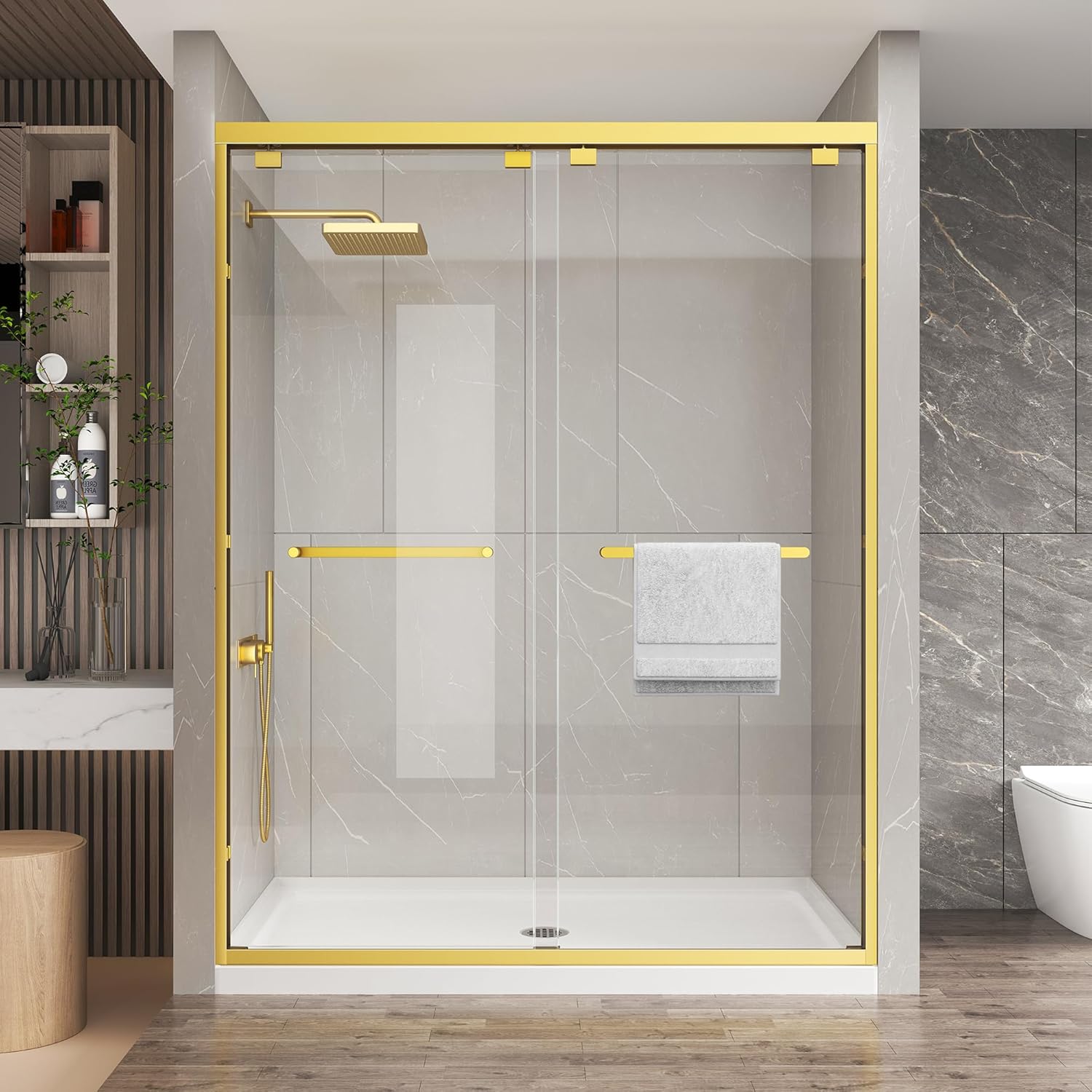
When a toilet sits close to the shower opening, homeowners ask the same practical question: what shower door will actually fit, function, and resist damage over time? I’ve been installing and repairing bathrooms for more than 20 years across the U.S., and cramped layouts are one of the most common real‑world headaches I see. With 2026 trends pushing tighter layouts, walk‑in showers, and frameless glass looks, the right door choice comes down to geometry, clearances, and proven installation details—not just style.
Short Answer
The most practical shower doors when a toilet is close are sliding (bypass) doors, bi‑fold doors, or fixed panels with a small pivot/offset door — depending on measured clearances. If you have less than 24–28" from the centerline of the toilet to the shower opening, choose a sliding or folding solution to avoid swing conflicts. For a frameless look with tight clearances, a fixed glass panel plus an off‑set pivot or short in‑panel bi‑fold is the safest bet.
Why Toilet Proximity Matters
It’s not just about aesthetics. A toilet close to the shower affects:
- Door swing clearance — an in‑swing or out‑swing door can hit the toilet bowl or obstruct access.
- Code and maintenance access — you need room to clear and service the toilet and shower fixtures.
- Water control — poorly selected doors increase splash and wipe‑down headaches.
National Kitchen & Bath Association guidance focuses on usable clearances around fixtures—keep that in mind when measuring (see NKBA for planning references: NKBA).
Shower Door Options (What Works)
1. Sliding (Bypass) Doors
Sliding doors are the go‑to when lateral clearance is tight because they don’t swing. They work well with a toilet placed directly beside the opening, as long as you have adequate wall track length and the shower width can accept two glass panels. Typical tempered glass thickness is 3/8" (10 mm) or 1/2" (12 mm) for frameless sliding systems; track systems rely on proper track anchoring and plumb walls.
2. Bi‑fold Doors
Bi‑fold doors fold inward in multiple panels and reduce the swing arc, which makes them excellent for tight toilet clearances. They require careful hinge hardware and are easier to install on out‑of‑plumb walls than frameless pivot doors. I recommend bi‑folds where the toilet comes within 24–30" of the shower opening centerline.
3. Neo‑angle or Corner Doors
Neo‑angle enclosures move the door away from the toilet by creating a corner entry. They’re a good solution when space allows reorientation of the shower to a corner, and they often pair with off‑the‑shelf bases. Expect custom glass cuts and check your rough‑in to ensure the toilet flange doesn’t conflict with the new footprint.
4. Fixed Panel + Small Pivot or Offset Door
A fixed half‑panel or return panel combined with a short pivot/opening door gives you the frameless look while keeping the door swing clear of the toilet. The pivot can be offset from the panel so the swing arc is minimal. This approach requires precise measurements and often custom glass; allow for installation tolerances of 1/8"–1/4" for out‑of‑plumb walls.
5. Wet Room / Fixed Screens (No Door)
If the layout and waterproofing allow, a fixed glass screen or partial wall (a small wet room) eliminates door conflicts entirely. This is trending in 2026 for small bathrooms, but you must address floor slope and drainage carefully to keep water from reaching the toilet base.
For product options you can inspect online, check vendor collections like KPUY Shower Doors for examples of sliding and bi‑fold systems.

Quick Comparison Table
| Door Type | Best Clearance | Pros | Cons |
|---|---|---|---|
| Sliding (Bypass) | < 30" from toilet | Zero swing; durable; good for narrow openings | Track cleaning; less wide opening |
| Bi‑fold | 24–36" | Small swing footprint; good seal options | More hardware; potential leakage if poorly installed |
| Pivot/Offset + Fixed Panel | 20–40" (depends on offset) | Frameless look; customizable | Requires precise fabrication; sensitive to out‑of‑plumb walls |
| Neo‑angle | Best if reconfigured to corner | Makes door clear of toilet; efficient use of corner space | May need base and rim changes; custom glass |
| Fixed Screen / Wet Room | Depends on drainage plan | No door to conflict with toilet; modern look | Drainage and water spray management critical |
Field Considerations & Jobsite Notes
Here are the real jobsite things I check before recommending a door:
- Measure the toilet centerline to shower wall/opening. Actual dimensions on the job often differ from plans—measure twice.
- Check wall plumb. Out‑of‑plumb walls are common in older houses; they change track placement and glass gaps.
- Inspect the curb slope and shower threshold. A settled curb or uneven shower base affects how a door seals and swings.
- Confirm floor level where the toilet sits. If the floor slopes toward the shower, a door that closes reliably is harder to achieve.
- Look at valve and trim location. A valve on the shower head wall can limit hinge placement for pivot doors.
Real jobsite example: I renovated a 1950s bath where the south wall was nearly 3/4" out of plumb over 6 feet. The homeowner wanted a frameless pivot door. We ended up switching to a fixed panel plus an offset pivot because that approach allowed glass shims at the channel and kept the hinge from binding. I left a 1/4" allowance for shimmed glass and documented the tolerances for the fabricator. That saved a dust‑filled demo and a second trip for re‑cut glass.

Installation Tips & Tolerances
Installation success comes down to measuring, planning, and accounting for materials behavior.
- Measure finished surfaces — tile, grout joints, and finished curb thickness change opening sizes versus rough dimensions.
- Account for glass thickness. Typical tempered glass for shower doors is 3/8" or 1/2"; thicker glass is heavier and needs stronger hardware.
- Allow installation tolerances. Expect to leave 1/8"–3/16" clearance between fixed glass edges and walls for seal strip compression; allow 1/4" for out‑of‑plumb adjustments if needed.
- Check threshold slope. A 1/4" per foot slope toward the drain is common; doors and seals must accommodate this without binding.
- Use safety glazing. All shower doors must meet tempered safety standards (ANSI Z97.1 or equivalent); confirm labels from your supplier.
Practical hardware tip: on sliding systems, mount the top track to shimmed blocking set into the finished wall—not only tile anchors—so the assembly can support glass weight long term.
Costs and Timeline
Expect these general ranges (installed, U.S. national averages, 2026):
- Basic framed sliding door: $400–$900, 1 day install
- Frameless sliding or bi‑fold: $800–$1,800, 1–2 day install plus fabrication lead time
- Custom frameless pivot or fixed panel with offset hinge: $1,200–$3,000+, 1–3 days install plus custom glass lead time
Lead times for custom tempered glass can run 1–3 weeks depending on factory backlog. If you’re on a tight schedule, choose standard sizes and proven hardware to reduce delays.
FAQ
Q: Can I install a standard swinging shower door when the toilet is only 24 inches away?
A: Short answer: No, not safely in most cases. A standard swinging door usually needs 30–36" of clear approach for comfortable operation and maintenance. With ~24" you’ll interfere with the toilet. Choose sliding, bi‑fold, or an offset pivot.
Q: What glass thickness is recommended for doors near a toilet to avoid breakage?
A: For most residential applications, 3/8" (10 mm) tempered glass is the baseline for good strength and manageable weight. 1/2" (12 mm)CPSC.
Q: Will a wet room design let me avoid the problem?
A: Sometimes. A partial screen or wet room removes door conflicts, but you must plan drainage slopes and water containment carefully. If the toilet sits low or close, water can reach it unless the drain and curb are tuned correctly.
Wrap-up & Where to Look Next
Picking the right shower door when a toilet is close is a geometry and details problem, not just a style choice. Measure finished clearances, consider sliding or folding systems for tight spaces, and plan for out‑of‑plumb walls and curb slope. If you want a frameless look without a swing conflict, a fixed panel plus offset pivot or a sliding frameless kit is often the best compromise.
If you’re shopping, review product collections and measurements carefully—vendors like KPUY Shower Doors show options by opening type and glass thickness which helps you match product to jobsite conditions.

If you want a free on‑site assessment, measure the toilet centerline to the shower opening, note tile and curb heights, and get a contractor to verify out‑of‑plumb conditions before ordering glass. That prevents costly remeasures and ensures the chosen door type will work for years.

Leave a comment
All comments are moderated before being published.
This site is protected by hCaptcha and the hCaptcha Privacy Policy and Terms of Service apply.