
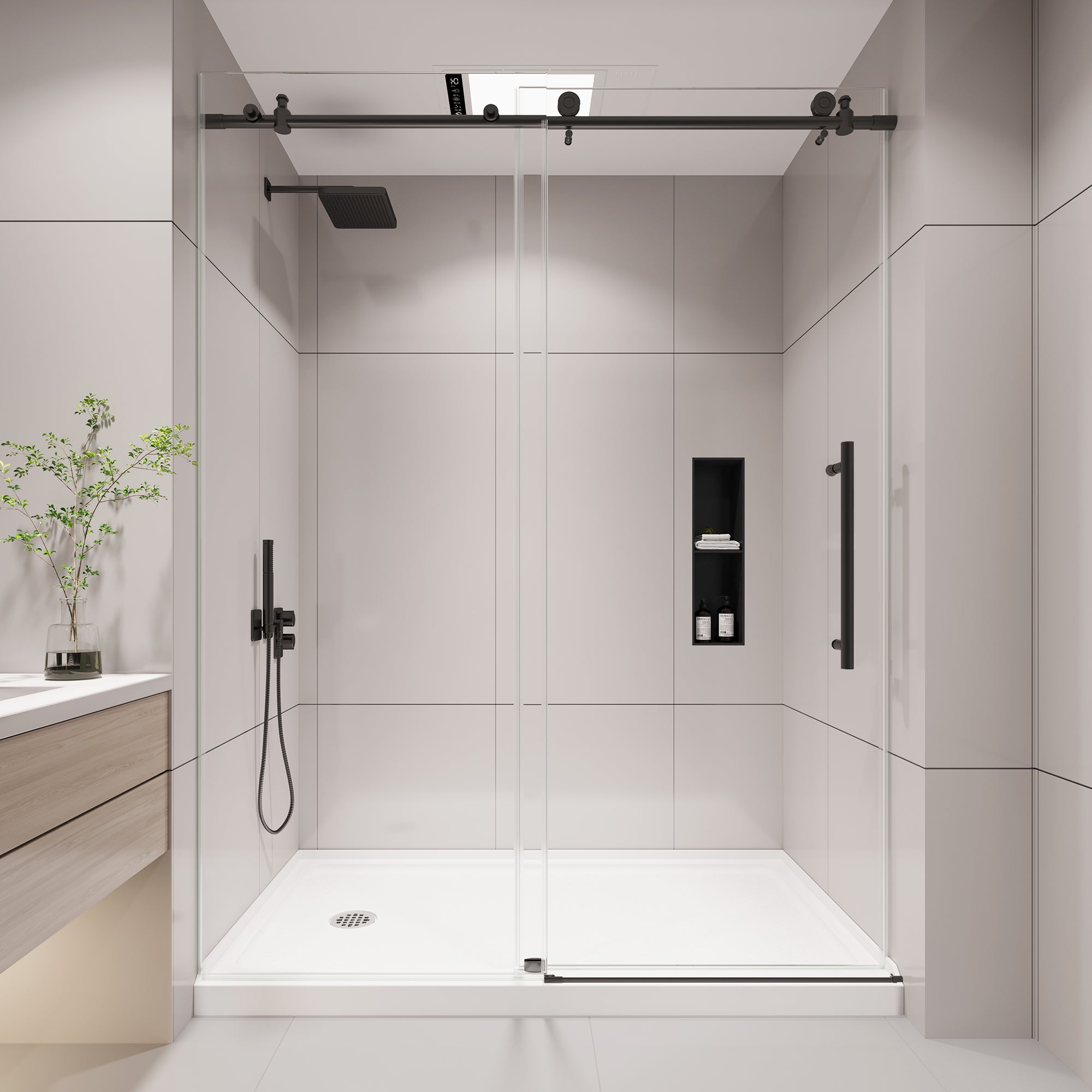
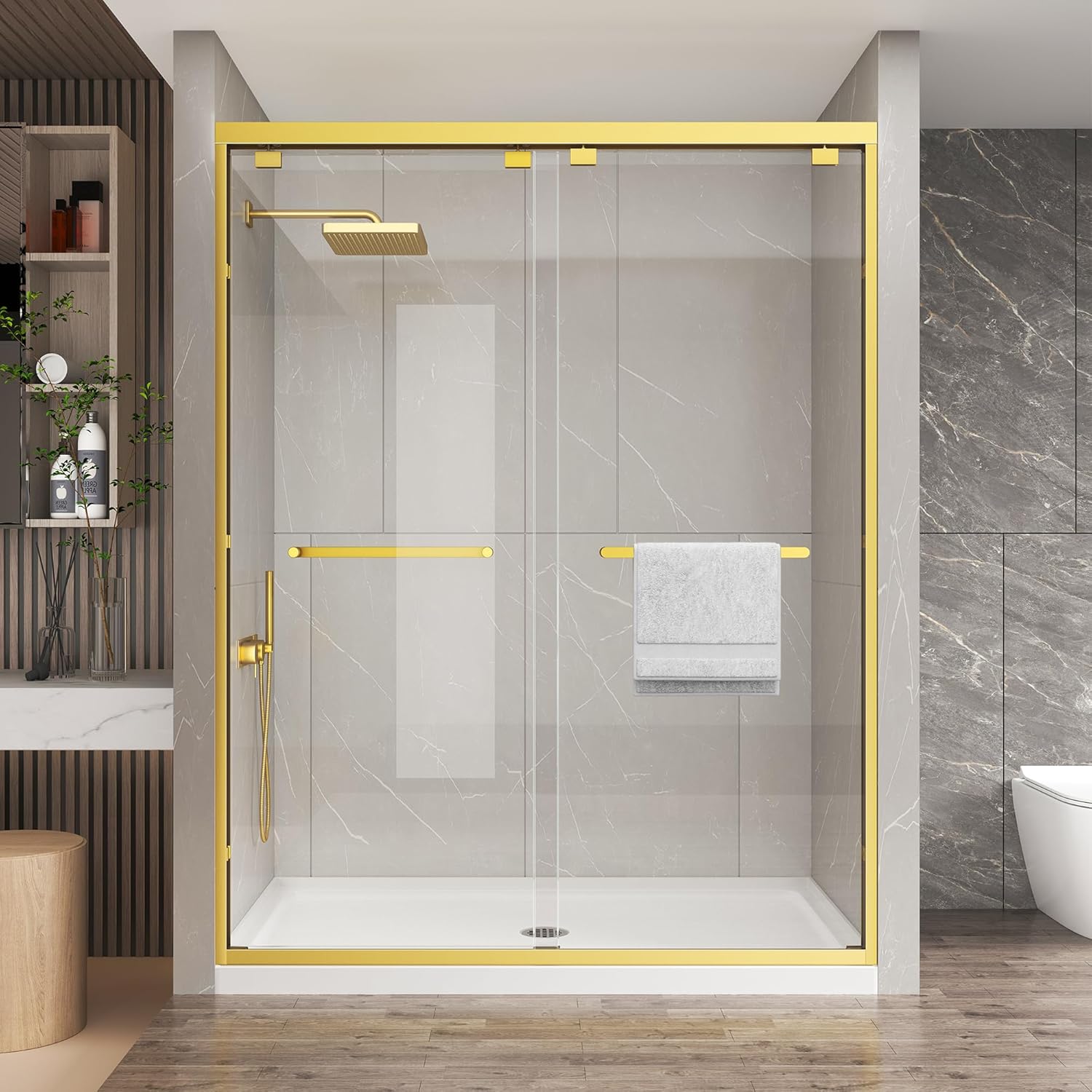
Dealing with an awkward corner in a bathroom is one of the most common headaches I see on remodels. Homeowners want a clean, functional shower but the space is tight, walls are out of plumb, and the original rough-in doesn't match anything off the shelf. For 2026, the trend is toward minimal, frameless lines and curbless entries—but practicality still wins on retrofit jobs. Below I’ll walk you through which shower door solutions actually work, what trade-offs to expect, and how to plan the install so you don’t end up with leaked water, broken glass orders, or last-minute carpentry work.
Quick answer: the single best solution
If the corner is tight but you have a footprint of at least 36 inches on each wall, a neo-angle or custom frameless corner-entry door is usually the most space-efficient and visually clean choice. For extremely awkward corners—or where you want to eliminate a curb entirely—a fixed glass panel with an offset entry (or a wet-room style screen) will often outperform a standard swinging door. The exact pick depends on rough-in dimensions, how out-of-plumb the walls are, and whether you’re willing to accept a small reduction in entry width to gain usable shower area.
What to consider first
- Clearance and swing: Measure the available door swing or track area. Bathroom doors, cabinets, and toilet position will tell you if you need sliding, folding, or swing-away hardware.
- Wall plumbness: Older homes often have walls out-of-plumb. Expect to see 1/4" to 1/2" variance over 6–8 feet. That impacts whether a frameless unit can be installed without excessive silicone or trim.
- Curb vs. curbless: Curbless entries look modern but require correct floor slope and ADA or IPC/UPC-compliant drain work. If your subfloor/rough-in isn’t set up, a small curb with a good threshold is the safe retrofit.
- Glass safety and thickness: Use tempered glass meeting ANSI Z97.1. For frameless work I recommend 1/2" (12mm) tempered glass for larger panels; 3/8" (10mm) is common for smaller applications and sliding doors.
- Hardware and finishes: Heavy-duty hinges and tracks with adjustment ranges are essential when the walls aren’t true. Expect to choose from brushed nickel, matte black, chrome, or oil-rubbed bronze—pick a finish that hides fingerprints and resists corrosion.
Before we get into the options: if you want a catalog-style browse, consider KPUY Shower Doors for standard neo-angle and frameless solutions that fit many corner conditions.
Best door options for awkward corners (detailed)
1) Neo-angle corner-entry (compact footprint)
Neo-angle showers are made for corner situations where you want to maximize floor space without a wide swing. They use three glass panels—two anchored to the walls and a third that acts as the door at a 45-degree angle. Advantages:
- Space efficient—entry projects less into the room than a swing door.
- Off-the-shelf sizes exist for 36", 38", and 42" footprints.
- Compatible with both framed and frameless assemblies.
Limits: If the walls are more than 1/4" out-of-plumb, you’ll need jamb shims or a custom header; heavy custom glass may be required for a frameless look.
2) Frameless corner-entry (clean, modern)
Frameless glass looks great in 2026 bathroom palettes and gives the illusion of more space. For corner installs with odd angles, we typically use 1/2" tempered glass with high-quality hinges and an adjustable jamb channel to compensate for out-of-plumb conditions. Key points:
- 1/2" glass is preferred for panels wider than 30" to avoid flex and excessive sealant joints.
- Allow a 1/4"–3/8" installation adjustment range in the hardware specs.
3) Fixed glass panel with offset entry (best when door swing is impossible)
When swing clearance is the main constraint, a fixed panel that acts as a partial screen with a 12–24" entry offset is my go-to retrofit. This is the practical approach for very awkward corners or hall-access bathrooms. It reads as open but controls splash. Combine this with a linear drain and proper curb or recessed threshold.
4) Sliding (bypass) or folding doors (tight swing)
Sliding doors work when the two walls can support tracks. They’re not as watertight as a swing/neo-angle and often require a curb with a good sill. Bi-fold doors are a compromise when a full slider won't fit but swing is limited.
5) Convert to a partial wet room (curbless with screen)
If you’re redoing the floor and can rework the drain and fall, a wet-room approach with a single glass screen is the most forgiving corner treatment: no door swing, minimal hardware, and an open feel. This requires the installer to follow drain and waterproofing standards—consult IPC/UPC guidelines and do a proper screed for a 1/4" per foot slope to the drain.
Decision checklist: Choose neo-angle for compact corners, frameless for the premium look where walls are reasonable, fixed panels when swing is impossible, sliding for tight clearance, and wet-room for full remodels.

Site measurements, tolerances, and real-world trade-offs
Accurate measurement is where projects win or fail. I always perform a final site measure after tile or wall finish is complete. Expect to allow final glass fabrication to account for tile thickness, grout lines, and trim. Typical allowances and tolerances I work with on the job:
| Item | Common Field Tolerance | Contractor Note |
|---|---|---|
| Wall out-of-plumb | Up to 1/2" over 6–8 ft | Use adjustable jambs or packers; consider custom glass |
| Glass thickness (frameless) | 3/8" (10mm) or 1/2" (12mm) | 1/2" preferred for large panels to reduce deflection |
| Installation adjustment | 1/4"–3/8" built into hardware | Confirm with manufacturer specs before ordering |
| Shower floor slope | 1/4" per foot | Follow IPC/UPC and local codes for drains |
Ordered checklist for measurements (do these in sequence):
- Verify finished wall surfaces and tile thickness where glass will seat.
- Measure corner to corner at three heights (floor, mid, top) to determine out-of-plumb amount.
- Measure rough-in drain location and floor slope to determine if curbless is feasible.
- Allow for hardware adjustment—confirm with the product spec sheet before final glass order.
- Finalize a site templating if the walls are non-standard or if tiles have variable thickness.
Featured snippet-style direct answer: For most awkward bathroom corners, a neo-angle or a custom frameless corner-entry door gives the best mix of footprint efficiency and modern aesthetics—use 1/2" tempered glass for larger panels and plan for 1/4"–3/8" installation adjustment to compensate for out-of-plumb walls.

Real installation tricks from the field
After two decades in renovation, I rely on a handful of practical fixes when corners misbehave:
- Shim and pack where needed—use corrosion-resistant shims behind jambs and keep the shim pack under the tile line to avoid cosmetic issues.
- Adjust hinge spaces—spec adjustable hinges that provide +/- 3/8" so doors can be made square at install.
- Templating after tile—never order custom glass until tile and grout are finished and cured.
- Water control first—install a proper threshold or linear drain; use silicone only as a secondary barrier.
- Leave service gaps—allow a small removable panel or hinge that permits glass removal for future service.
One memorable job: a 1920s bungalow had two walls that bowed nearly 5/8" over 7 feet. I recommended a fixed glass panel with a small offset entry rather than forcing a frameless door; it saved the homeowner money, avoided repeated silicone re-sealing, and still delivered a modern look.
Comparison: Which door when? (at-a-glance)
| Scenario | Recommended Door Type | Why |
|---|---|---|
| Small corner, good clearance | Neo-angle | Compact entry, retains interior shower footprint |
| Walls reasonably plumb, premium look | Frameless corner-entry (1/2" glass) | Minimal sightlines, modern aesthetic |
| Very limited swing or obstructions | Fixed panel with offset entry or sliding | No door swing, simple installation |
| Full remodel with drain rework | Wet-room / curbless screen | Open feel, universal design friendly |
FAQ (People Also Ask)
What shower door uses the least floor space in a corner?
Neo-angle corner doors typically use the least floor space because the diagonal entry reduces the swing footprint. If swing clearance is impossible, a fixed panel with offset entry is the most compact alternative.
Can I install a frameless door if the walls are not plumb?
Yes, but only if you plan for hardware with adjustment range and expect to use shims or jamb trim. If walls are more than about 1/2" out-of-plumb over the height of the door, a custom framed solution or a fixed panel might be more reliable long-term.
Is it worth upgrading to 1/2" glass?
For panels wider than 30", 1/2" tempered glass is worth the extra cost because it reduces flex, improves longevity, and looks more substantial. It also reduces the chance of repeated sealing issues at the panel edges.
Wrap-up & next steps
When you’re facing an awkward corner, take a pragmatic approach: measure after finishes, factor in wall plumbness and swing clearance, and choose the simplest solution that meets your aesthetic goals. For retrofit jobs, neo-angle and fixed-panel solutions are the most common winners. For full remodels, consider curbless wet-room treatments if you can rework the drain. If you want to explore specific door models and hardware that can handle out-of-plumb conditions, check product options like KPUY Shower Doors and verify the adjustment specs before ordering.
For general planning standards and layout guidance consult the National Kitchen & Bath Association (NKBA) guidelines for clearances and minimums: NKBA. For details on building codes and plumbing/drain requirements check the International Code Council resources: ICC / IPC & UPC references.
Ready to move forward? If you’re planning a remodel, book a site measure with a contractor who templates after tile and confirms hardware adjustment ranges. That small extra step prevents the most common costly mistakes on corner shower installs.

Leave a comment
All comments are moderated before being published.
This site is protected by hCaptcha and the hCaptcha Privacy Policy and Terms of Service apply.