
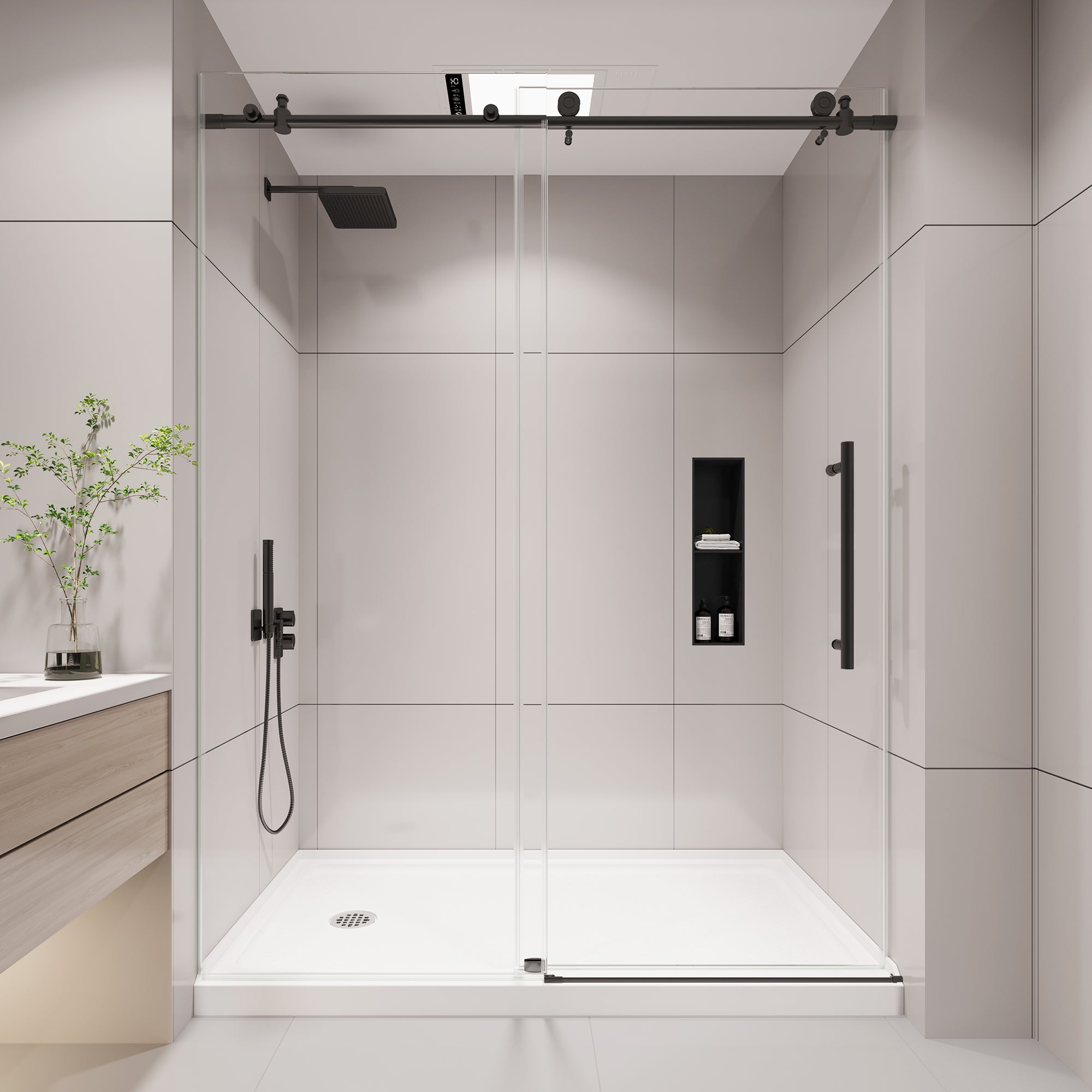
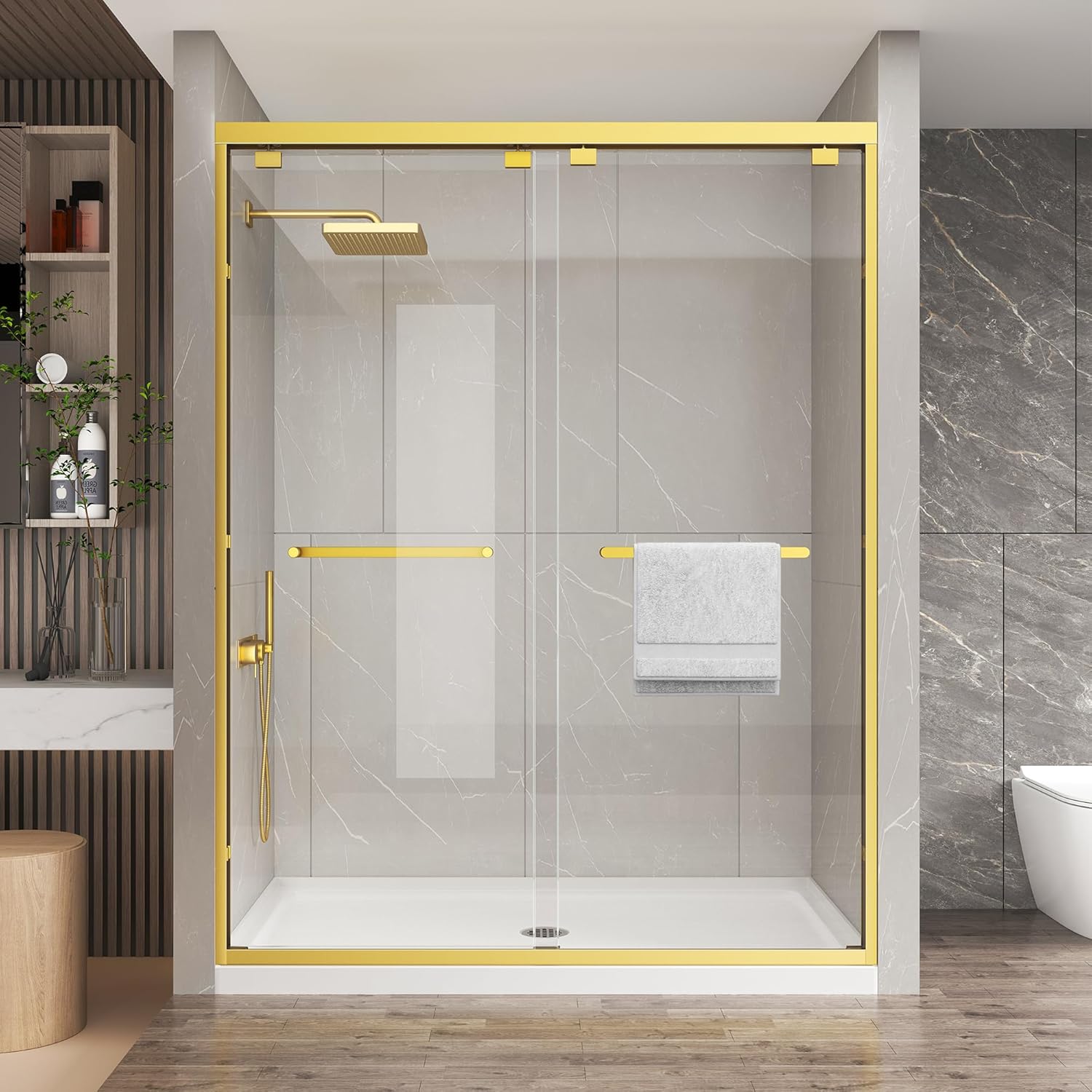
As a contractor who's remodeled hundreds of bathrooms across the U.S. over the last 20+ years, clients ask me one simple, practical question again and again: which shower door hardware shows fingerprints the most? With 2026 trends moving toward frameless glass and high-contrast metal finishes, the right hardware choice matters for daily maintenance and long-term appearance. Below I’ll cut through marketing claims and give direct, jobsite-proven guidance you can use when planning a remodel.
Quick answer
Short answer: Polished chrome and polished brass (high-gloss plated metals) show fingerprints the most. Bright, mirror-like finishes amplify oils and watermarks. If you want low-visible fingerprints, choose brushed finishes (brushed nickel, satin stainless) or engineered coatings like PVD or textured powder coat.
Why that matters: in frameless shower installs—where you have exposed handles, hinges and minimal framing—hardware finish choice is one of the biggest visibility decisions you make. A shiny handle looks great when new, but on a daily basis it will demand more cleaning than satin or brushed alternatives.

Why some finishes show fingerprints
There are three technical reasons some hardware shows fingerprints more than others:
- Surface reflectivity: High-gloss surfaces reflect oils and create contrast that makes smudges visible.
- Surface texture: Smooth electroplated finishes hold skin oils on the top layer; textured or brushed finishes break up oils visually.
- Coating chemistry: Electroplated chrome or brass can be hydrophilic, showing water marks; modern PVD and satin finishes are often more oleophobic.
Standards like ANSI focus on glass safety and structural performance, not fingerprint visibility. Finish performance is a separate factor handled by finish specifications and manufacturer warranties.
Finish ranking: what shows fingerprints most
From my on-site experience, here’s a practical ranking of common shower door hardware finishes, from most to least visible fingerprints:
- Polished chrome – Highest visibility. Mirror-like surface, popular on frameless showers but shows prints the most.
- Polished brass / polished nickel – Warm tones still very reflective and show prints.
- Bright polished stainless – Slightly better than plated brass but still obvious.
- Matte black (smooth) – Shows oily fingerprints as slightly lighter marks; water spots can be more visible depending on finish quality.
- Powder-coated finishes (textured) – Performance varies; textured powder coat hides prints well if properly cured.
- Brushed nickel / satin stainless / PVD satin – Best at hiding fingerprints; directional brushing breaks up oils and smudges.
- Antiqued / oil-rubbed finishes – Hide prints but may show wear spots over time.
Takeaway: if you want the lowest maintenance option, pick brushed or satin stainless finishes or modern PVD-treated hardware. If you choose polished chrome for a bright look, be prepared for daily or weekly wipe-downs.

Finish comparison table
| Finish | Fingerprint visibility | Typical cleaning frequency | Notes |
|---|---|---|---|
| Polished chrome | High | Daily to weekly | Bright look, shows oils and water |
| Polished brass / nickel | High | Weekly | Warm look, requires polish maintenance |
| Matte black (smooth) | Medium | Weekly | Water spots can be visible, choose high-quality coating |
| Powder-coated (textured) | Low | Monthly | Durable, hides prints well |
| Brushed nickel / satin stainless / PVD | Low | Monthly to quarterly | Best blend of durability and low maintenance |
Real jobsite experience
On older houses I renovate, I routinely encounter walls that are out-of-plumb, uneven curbs, and tight clearances that force the hardware choice. I once installed a frameless shower in a 1920s bungalow where the studs were off by 5/8" across a 7' run. That out-of-plumb condition meant the hinge alignment had to take weight differently, and I specified 3/8" tempered glass instead of 1/4" to reduce flex that would show wear marks around hinge posts.
From a fingerprint perspective, the project taught me three things:
- Handle selection matters less than finish. A large pull in brushed stainless hides prints better than a slim polished chrome pull.
- Glass thickness and hardware spacing affect contact points—thicker glass allows larger hinge screws and reduces micro-movement that wears off coatings.
- Jobsite tolerances matter: if you have to shim hinges more than 1/8", expect increased localized wear on finish where hands touch most.
These on-site observations match industry practice: specify a finish that tolerates the expected frequency of use, consider tempered glass thickness (1/4" vs 3/8" vs 1/2") and always allow proper glass edge clearance—typically 3/16"–1/4"—to accommodate out-of-plumb walls and door swing.
How to reduce fingerprints
If you already have shiny hardware or you've chosen a high-gloss finish, here are practical measures that actually work on real jobsites:
- Apply a thin coat of carnauba wax or a silicon-free furniture protectant to handles once quarterly—this fills tiny surface pores and repels oils.
- Install larger pulls so users touch a broader area; smaller knobs concentrate oils and make prints more visible.
- Choose PVD finishes or commercial-grade satin stainless for high-use doors—they are more abrasion resistant and often come with better warranties.
- Use microfiber cloths and diluted isopropyl alcohol (70%) for quick wipe-downs—avoid abrasive pads that damage plating.
- Consider a clear protective film on high-touch points for rental properties or high-traffic baths.
Cleaning protocol I recommend to clients: weekly quick wipe with a damp microfiber, monthly application of a non-abrasive metal polish or wax on polished finishes, and annual inspection for wear around hinge screws where finish failure usually begins.
Products: if you're shopping shower doors, see KPUY Shower Doors for typical finish options and hardware configurations used in modern frameless installs.
Installation and tolerance notes
From a contractor’s perspective, fingerprint visibility ties back to installation practices:
- Out-of-plumb walls increase localized torque on hinges; that leads to micro-movement and finish wear where hands grip the hardware.
- Rough-in dimensions for door openings should include straight-line tolerances; if the opening varies by more than 1/4" over 6', plan for adjustable hinges and larger clearances.
- Curb slope affects threshold positioning—if the door drags, users will force it and grip hardware differently, accelerating fingerprints and wear.
- Tempered glass thickness selection influences hardware loading: 3/8" (10mm) is the common compromise for frameless doors—stiffer glass reduces lateral deflection that leads to finish rub points.
When I write a spec for a frameless shower door, I list finish, hardware grade (304 or 316 stainless), expected glass thickness, and an allowance for out-of-plumb up to 1/2" over 8' so the field crew has a realistic tolerance to work with—this prevents end-of-day compromises that increase maintenance issues later.
Frequently asked questions
Which single finish shows fingerprints the least?
Brushed (satin) stainless steel and satin PVD finishes show the least fingerprints; they scatter light and hide oils. For heavy-use bathrooms choose satin stainless hardware with 304 or 316 stainless construction for durability.
Do powder-coated black finishes hide fingerprints better than matte chrome?
Textured powder coat generally hides prints better than smooth matte chrome because the texture breaks up oils visually. However, low-quality powder coating can chip at edges; specify architectural-grade powder coat and proper edge protection in the install.
Can I add a coating to existing polished hardware to reduce fingerprints?
Yes. Options include professional PVD re-coating, applying a clear protective film, or using high-quality wax treatments. Re-coating is more expensive but provides long-term resistance; wax is a low-cost interim fix.
Authority resources: For safety and design best practices, see the National Kitchen & Bath Association at NKBA. For glass safety standards, consult ANSI and tempered glass guidelines at ANSI.
Final note: finish choice is a balance between style and maintenance. If you want a mirror-bright look, budget time for maintenance and choose higher-grade plating or PVD. If low maintenance is the priority, specify brushed or satin stainless hardware and thicker tempered glass with correct installation tolerances. When planning your remodel, I review finishes, hardware sizes, and mounting details on-site—checking for out-of-plumb walls and curb slope before ordering glass — because those field conditions are what decide long-term appearance, not just the showroom photo.

Leave a comment
All comments are moderated before being published.
This site is protected by hCaptcha and the hCaptcha Privacy Policy and Terms of Service apply.