
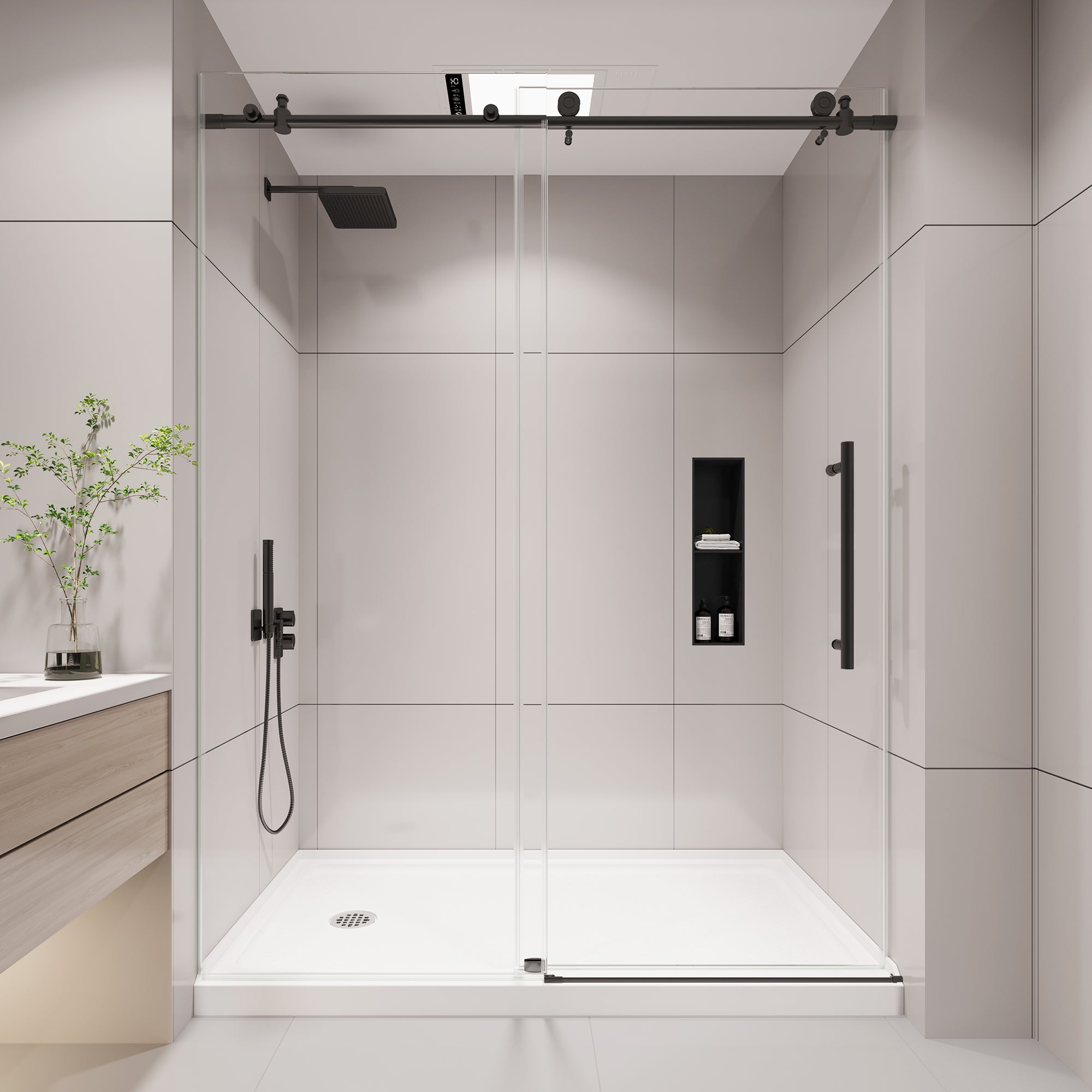
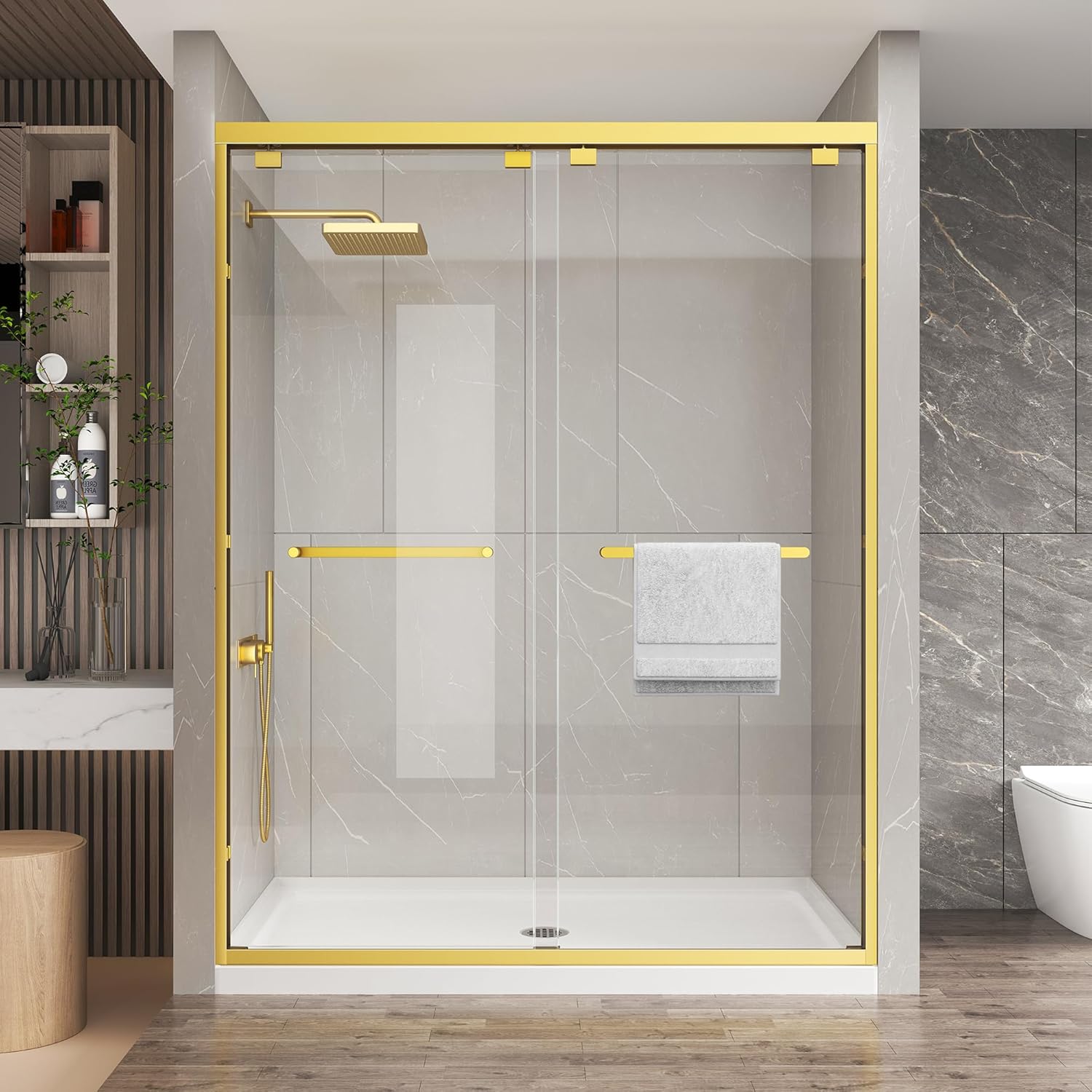
Choosing between a pivot and a hinged shower door is one of those decisions that looks simple on paper but quickly gets complicated once you’re standing in a real bathroom with out-of-plumb walls, a tight opening, or an unusual curb slope. As a contractor with 20+ years remodeling baths across the U.S., I see the same trade-offs every job: water containment, swing clearance, glass thickness, and how forgiving a design is of imperfect finishes. The 2026 trend is clear — clean, frameless profiles and minimal hardware — but fit and function still win the day.
Quick answer
Short, direct answer: A pivot shower door rotates on top-and-bottom pivot pins attached to the glass or frame and can swing both in and out depending on design, while a hinged (swing) shower door mounts on side hinges that are fixed to the wall or glass and normally swing only one way. Pivot doors are more forgiving of out-of-plumb conditions and narrower openings; hinged doors usually provide a tighter seal and a simpler hardware footprint on frameless systems. Both require tempered safety glass and proper installation tolerances to perform well.

How pivot and hinged shower doors work
Pivot mechanism basics
Pivot doors use a pivot assembly at the top and bottom of the door glass. Those pivots can be mounted into the threshold/curb and header or into the floor and ceiling track, depending on the design. In frameless installations you’ll often see a floor-mounted pivot and a header pin that accepts the pin from the door; in semi-framed pivot doors, the pivot is integrated with a visible frame.
Advantages of pivot mechanism: it tolerates floors and walls that aren’t perfectly plumb, and you can build in a small in/out swing to reduce clearance problems.
Hinged (side-hinged) mechanism basics
Hinged shower doors use door hinges on one vertical edge — either a wall-mounted hinge or a glass-on-glass hinge when both panels are glass. Most high-end frameless hinged doors use butt hinges or pivoting hinges bolted to the tile or blocking within the wall. Hinged doors are simple and familiar, similar to a house door, and generally provide a straighter seal at the closing edge.
Key differences at a glance
The table below gives the quick performance and installation differences you’ll see on the job.
| Attribute | Pivot Door | Hinged Door |
|---|---|---|
| Swing direction | Can be designed to swing in or out; dual-action possible | Usually swings one way (out or in depending on hinge) |
| Best for | Narrow openings, out-of-plumb walls | Standard openings, tight seals |
| Typical glass thickness | 3/8" (10 mm) to 1/2" (12 mm) for frameless | 3/8" (10 mm) commonly, 1/2" for heavy-duty frameless |
| Water containment | Depends on threshold and sweep; can leak more if hinge alignment shifts | Often better perimeter sealing when combined with sweeps and drip rails |
| Tolerance to out-of-plumb walls | High: pivot assemblies can correct several degrees | Lower: hinge mortising or plate shim required |
| Maintenance | Pivots wear and may need periodic lubrication/adjusting | Hinges need hinge bolts checked; less adjustment needed with quality hardware |
Swing clearance and bathroom layout
Clearance is the number-one practical issue homeowners hit. A hinged door needs clear floor space for the arc. Pivot doors can sometimes be set to swing both ways or to have the pivot offset so the arc is less intrusive. Measure the opening, consider toilet and vanity placement, and plan the swing that affects daily use.
- Measure the rough opening at the tile face and again at 3/8" up the wall for tile variations.
- Account for out-of-plumb walls by leaving 1/8"–3/16" of adjustment tolerance per hinge or pivot.
- Confirm curb slope so bottom seals and sweeps make contact; a flat curb vs sloped curb changes the sweep length.

Job-site realities and installation tolerances
On remodels, especially in homes built before 2000, expect walls that are out-of-plumb by 1/4" or more over 6 feet. That’s not a cosmetic problem — it affects how a glass door sits. Pivot hardware offers more adjustment range than standard hinges: I commonly allow adjustment tolerance of ±3/16" at the pivot. With hinges, you’ll often need blocking straightened or shimmed behind the tile to keep the hinge plane true.
From field experience:
- Always check vertical plumb in multiple locations and measure the opening at several heights.
- Order glass with a 1/8"–3/16" reach for field trimming and to accommodate tile thickness.
- Confirm tempered glass thickness — for frameless doors I specify at least 3/8" (10 mm) for single doors under 36" wide; go to 1/2" for heavier doors or larger spans.
Those little details matter. On one 1920s remodel I had to re-run the pivot anchor and shim the floor because the curb had a 3/8" slope from old mortar work — without that correction the door wouldn’t seat and the sweep gap left water on the bathroom floor. That’s the sort of real-world issue a homeowner won’t notice until the door is hung and leaking.
Cost, lead time, and when to choose which
Cost is driven by glass size/thickness, hardware finish, and whether you need custom cutting to account for tiles or irregular walls. Typical ballpark (U.S. national average):
- Basic hinged frameless door: $700–$1,400 installed
- Frameless pivot door: $900–$1,800 installed
- High-end hardware and 1/2" glass: add $300–$700
Lead times can run 1–3 weeks for stock sizes; custom glass and etched treatments add 3–6 weeks. If you’re on a quick remodel schedule, pick hardware and glass sizes that are standard to avoid custom lead times.
Practical installation checklist
Before you order glass or call installers, run this checklist on the job-site:
- Measure the opening at three heights and three widths. Record the smallest dimension; that becomes your ordering number.
- Check the curb slope with a straightedge — note any crown or dip greater than 1/8".
- Verify blocking behind tile where hinges or pivot plates will mount.
- Decide on glass thickness based on door size: 3/8" for most doors, 1/2" for heavy use or wide spans.
- Pick the swing direction and confirm clearance for toilet, towel bars, and vanity drawers.
- Confirm you meet local code and safety standards, including tempered safety glass per industry standards.
On that last point, industry guidance like the National Kitchen & Bath Association (NKBA) has useful design and clearance tables; reference them during planning: NKBA. For code and safety information on glass and enclosures consult the International Code Council resources: ICC Codes.
FAQ — People also ask
Can a pivot door swing both ways?
Yes. Many pivot door designs allow doors to swing in and out by using a center or offset pivot. That feature helps in tight bathrooms where a single-direction swing would block a vanity or toilet. Note that dual-swing setups may sacrifice some water containment compared with single-direction hinges unless you use specialized seals.
Which door type is better for older homes with uneven walls?
Pivot doors are typically better for out-of-plumb walls because the pivot hardware offers more field adjustment. If you have more than 1/4" out-of-plumb over the height, plan for extra shimming or choose pivot hardware rated for larger adjustment ranges.
How thick should the glass be for a frameless shower door?
For most single doors up to 36" wide, 3/8" (10 mm) tempered glass is the standard balance of strength and cost. For larger doors, heavy-duty use, or where you want minimal flex, step up to 1/2" (12 mm). All glass must be tempered and meet safety standards.
Final note and where to look next
Both pivot and hinged doors are valid choices — the right one depends on your opening, the condition of the walls and curb, and how tight you need the water seal to be. If your bathroom has uneven walls or you need a compact swing, pivot doors are often the practical pick. If you want a straighter seal and a conventional swing, go with a hinged door. For product options and a quick look at glass and hardware styles, check out KPUY Shower Doors.
Finally, plan for the field — order glass with slight allowance for tile thickness, confirm blocking and curb condition, and pick hardware rated for the glass thickness you’re installing. Good planning saves a call-back.

Leave a comment
All comments are moderated before being published.
This site is protected by hCaptcha and the hCaptcha Privacy Policy and Terms of Service apply.