
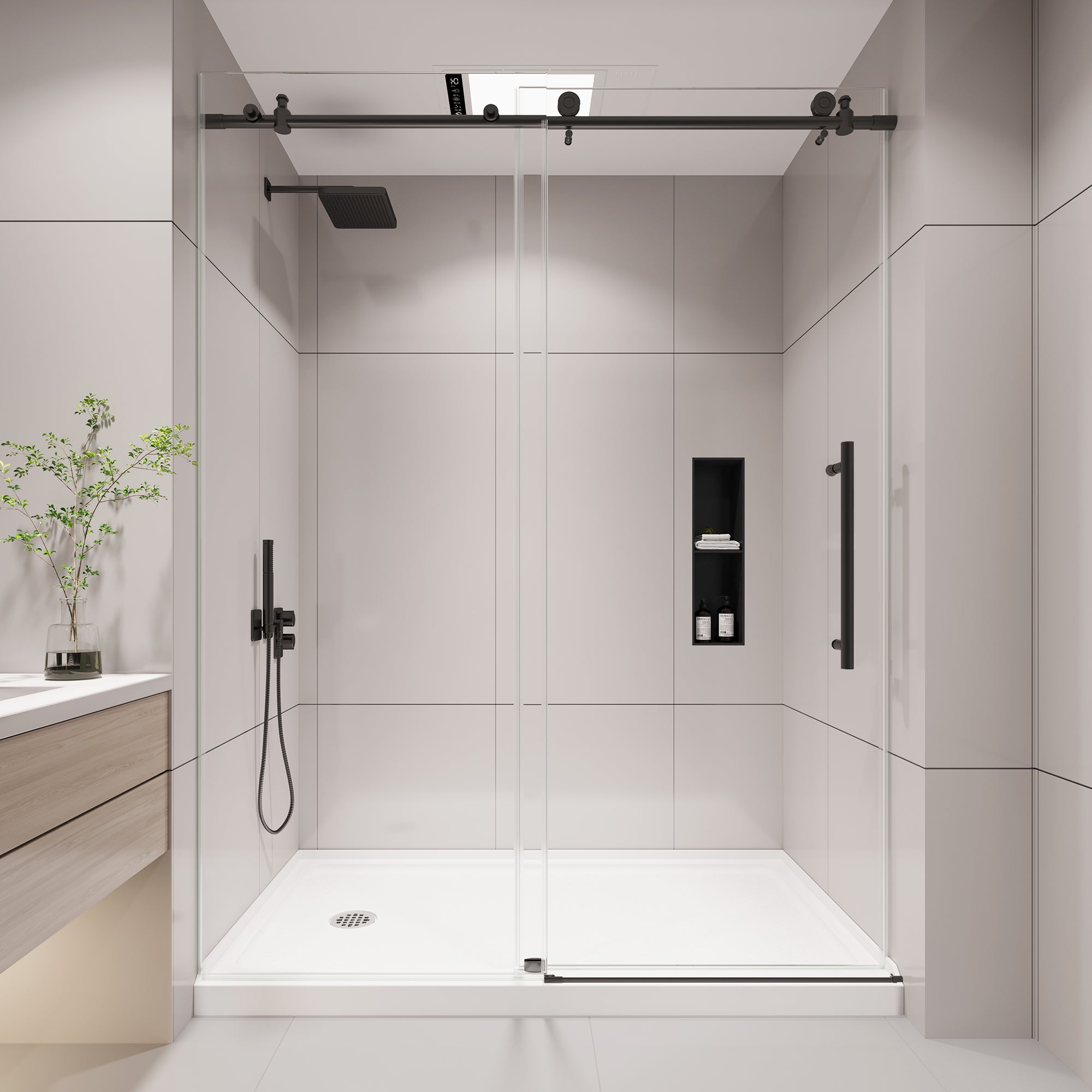
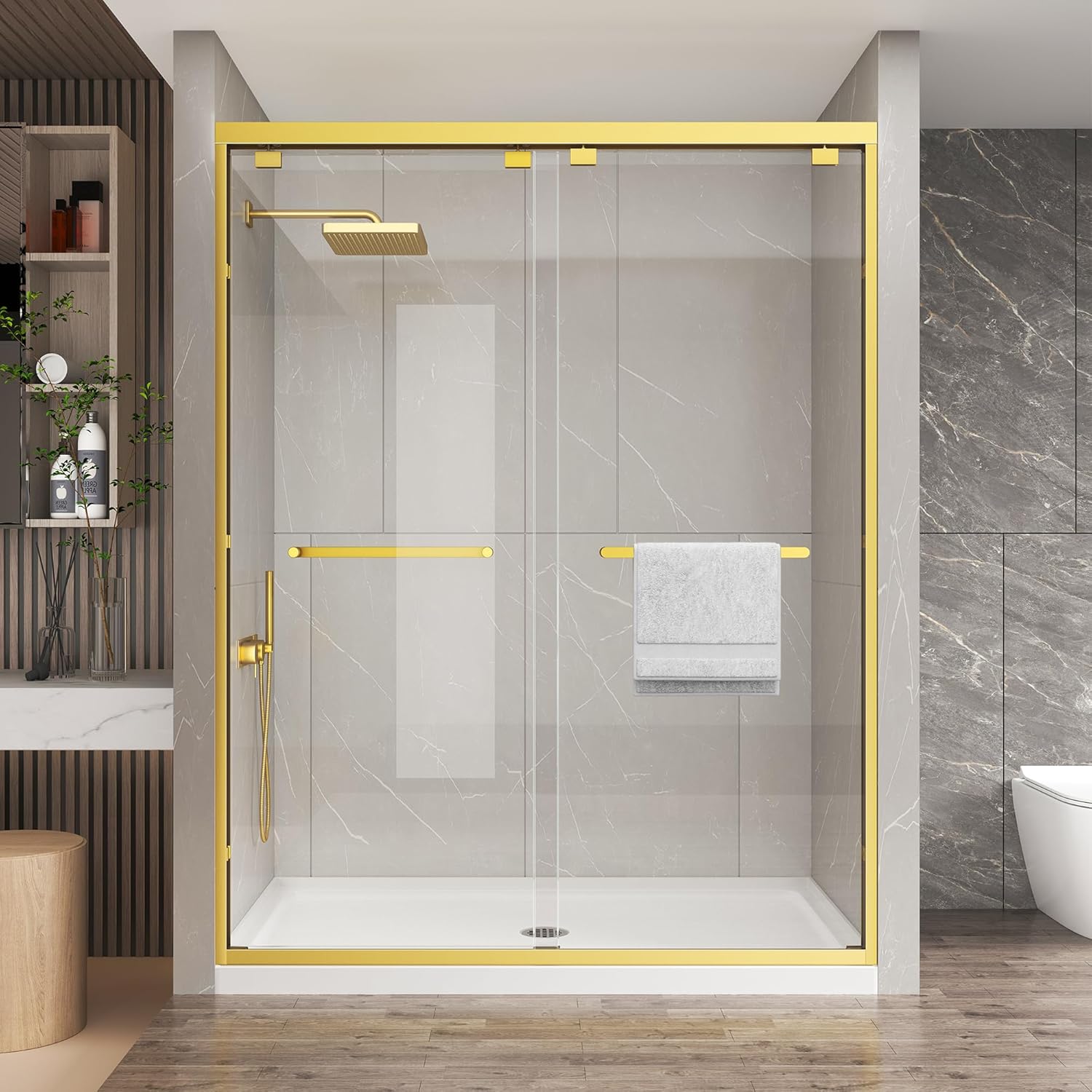
When homeowners ask me whether a square shower base is the right move, they usually have two things in mind: tight floor plans and a clean, modern look. In 2026 that trend keeps growing—smaller bathrooms, universal design, and a push toward simpler installs that still meet code. After more than 20 years installing showers across urban rowhouses and suburban remodels, I’ll walk you through what a square shower base actually is, when it makes sense, common pitfalls on the job, and the practical details—rough-in dimensions, curb slope, drain placement, and glass compatibility—you need to decide and plan the install correctly.
What Is a Square Shower Base?
A square shower base is a pre-formed shower floor with a square footprint: commonly 36"x36", 42"x42", 48"x48", and so on. It's a finished, single-piece unit made from acrylic, fiberglass, cultured marble, or stone-resin composite that sets onto the subfloor or into a framed curb. Unlike a custom mortar (mud) pan, a prefab square base has a built-in slope toward the drain and often integrates a textured slip-resistant surface and raised curb edge.
Key distinction: prefab square bases are turnkey floors that simplify waterproofing and tiling work, while a traditional mud pan is framed and tiled on-site for a fully-custom floor and threshold.
For homeowners who want a fast, reliable option with predictable drainage and warranty-backed materials, a square base is a practical choice—especially when bathroom footprint and time, not zero-clearance aesthetics, are the priority.

Sizes, Materials, and Drain Types
Square bases come in a range of standard sizes. Picking the right one depends on available floor space, door swing/operation, and whether you want a curb or curbless entry. Below is a quick comparison to guide sizing choices.
| Size (nominal) | Typical Use | Common Material | Drain Location |
|---|---|---|---|
| 36" x 36" | Small guest or second bath | Acrylic / Fiberglass | Center or offset |
| 42" x 42" | Primary ensuite, compact | Stone-resin or cultured marble | Offset for linear drains |
| 48" x 48" | Comfortable walk-in | Stone-resin | Center or linear |
Materials: Acrylic and fiberglass are lighter and cheaper; stone-resin and cultured marble are heavier, more solid-feeling, and more scratch-resistant. Look for a base with an adequate flange or nailing lip if the product will be fastened to framing.
Drain options: standard round drains and linear drains. Round drains typically sit centered or offset; linear drains are often placed by the curb and require a continuous slope toward a long channel. When using a prefab base, confirm the drain rough-in matches your plumbing location—moving a rough-in is costly.
Installation Considerations (real-site tips)
On the job, the difference between an OK install and a long-lasting one is attention to the tolerances installers live with: out-of-plumb walls, non-level subfloors, and mismatched rough-ins.
- Subfloor prep: the base must sit on a level, solid substrate. I pack bases on thin-set or non-shrink mortar to eliminate voids that cause deflection and cracking.
- Out-of-plumb walls: older homes often have studs that aren't square—I've shimmed tile jambs 1/4" to 3/4" on-site to keep glass doors aligned. Expect to trim or furr out tile or drywall to match the base edge.
- Rough-in dimensions: confirm drain location BEFORE ordering. Typical shower drain rough-in is 2" or 3" from the finished wall, but prefab bases expect a specific offset—measure twice.
- Curb slope: curb should slope slightly into the shower, usually 1/8" per inch toward the inside to prevent pooling. I verify with a torpedo level and a straight edge during install.
Common jobsite fixes and notes from my crews:
- If walls are more than 1/2" out of plumb over 6', plan for blocking or thicker jamb pieces—glass hinges and door seals need reliable flat surfaces.
- For linear drains, you may need a mortar bed modification even with a prefab base to get the continuous slope; prefab units usually expect a single low point.
- On-frame bathroom floors, check for spring or deflection—reinforce subfloor or add blocking under joists if needed.
When I remodel, I always bring a backup plan: a tile-ready square base, full mud pan plan, and the drain flange adapter. That way, if plumbing is off, I can adapt without delaying the whole job.

Glass Doors & Safety Standards
Square shower bases often pair with framed or frameless glass doors. Here are the practical points contractors track:
- Tempered glass thickness: for framed doors 3/16" to 1/4" is common; for heavier frameless hinged doors you’re looking at 3/8" to 1/2". Always confirm with your door manufacturer and if you’re replacing or installing new, follow the ANSI Z97.1 tempered glass safety guidance.
- Door swing and curb: inward-swinging doors need a minimum clear space on the base—account for the curb height and lip when measuring to avoid binding.
- Threshold alignment: the base edge must be parallel to the glass track or hinge plane within installation tolerance—on a practical jobsite that’s often +/- 1/8". If walls are out-of-plumb, use adjustable hinges or channel systems to square the glass.
For additional specification guidance and best practices, the National Kitchen & Bath Association provides installation and planning resources that I use on every bid. See NKBA resources here: NKBA. Also check local code with your building department or the International Code Council for plumbing and access standards: ICC.
Pros and Cons of Choosing a Square Shower Base
Here’s a practical list so you can weigh the tradeoffs.
| Advantage | Why it matters |
|---|---|
| Quick install | Prefabs reduce time and messy mud beds. |
| Predictable slope & drain | Less chance of tile cracking from improper pitch. |
| Less waterproofing complexity | Integrated flanges and non-porous surfaces lower leak risk. |
| Limited customization | Fixed sizes and drain positions can force plumbing relocations. |
Real-world observation: in houses built in the 1960s and earlier, foundation settling often left floors out of level by 1/2" or more. In those cases, a mud pan was the safer choice unless the subfloor could be leveled—don’t assume a prefab will sit true without corrective work.
Quick Direct Answer (Featured Snippet Style)
What is a square shower base? A square shower base is a pre-made, single-piece shower floor with a square footprint (for example 36"x36" or 48"x48") that includes a built-in slope toward a drain. It simplifies installation and waterproofing compared with a custom mortar pan but requires matching the existing drain rough-in and handling any site irregularities such as out-of-plumb walls or uneven subfloors.
FAQ
Can a square shower base be installed curbless?
Some square bases are low-profile and intended for curbless transitions, but most prefab units include a curb. For a true curbless (zero-threshold) shower you either need a special low-profile manufactured base or a custom mud pan with precise slope to the drain. If you want curbless for ADA access, plan for a linear drain and confirm floor elevations—this is where I check joist heights and subfloor thickness early in the project.
How do I know if the drain rough-in will work with a prefab square base?
Measure from the finished wall to the center of the existing drain (and from adjacent walls if the drain is offset). Compare those numbers to the base manufacturer's recommended rough-in. If the drain is off by more than the manufacturer's tolerance, you’ll need to move the plumbing or select a different base. On many jobs we use a drain adapter kit to gain a little adjustability, but moving a cast-iron stack is a plumbing job and adds cost.
How long do square shower bases last?
With correct install and proper support, acrylic and gelcoat fiberglass bases can last 15–20 years; higher-end stone-resin bases can last decades. Longevity depends on proper support under the base (no voids), correct drain sealing, and avoiding excessive flex from weak subfloors.
Wrap-up & Next Steps
Choosing a square shower base is often about balancing speed and predictability with the need for a custom look. If you want a durable, quick-install solution for a standard footprint, a prefab square base is a strong choice—just verify drain rough-in, check wall plumb, and decide on your door type before ordering. For custom curbless entries or unusual layouts, a mud pan may still be the right call.
If you’re ready to look at product options, compare standard preformed models and tile-ready bases in the Shower Bases collection to match your layout and drain location. When you schedule an on-site consult, I’ll verify rough-in dimensions, subfloor condition, and provide the installation tolerances you’ll need to avoid surprises.
Final contractor tip: always measure twice on-site, order the base only after confirming drain and wall conditions, and keep a 1/8" to 1/4" tolerance budget for out-of-plumb conditions when ordering glass or door frames.

Leave a comment
All comments are moderated before being published.
This site is protected by hCaptcha and the hCaptcha Privacy Policy and Terms of Service apply.