
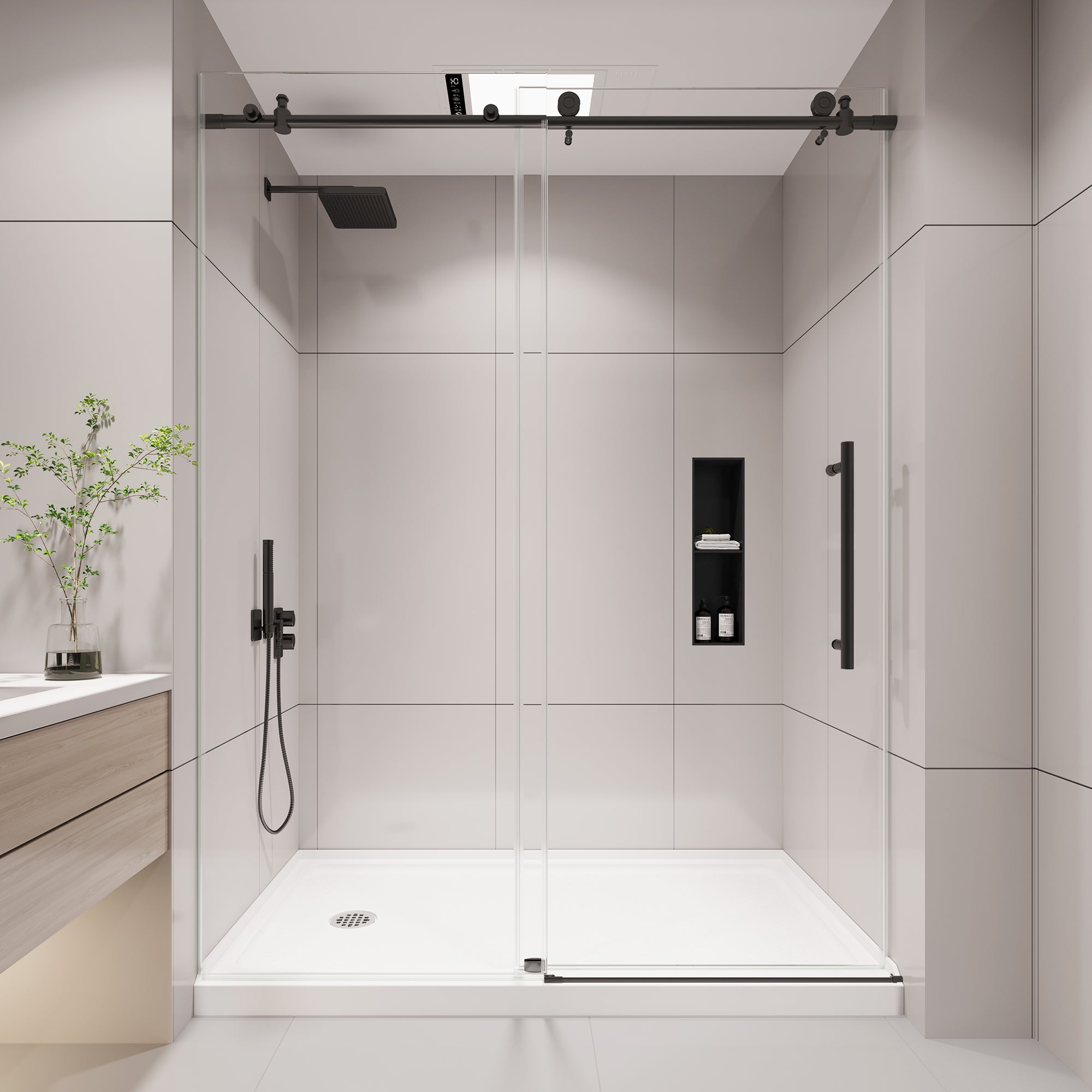
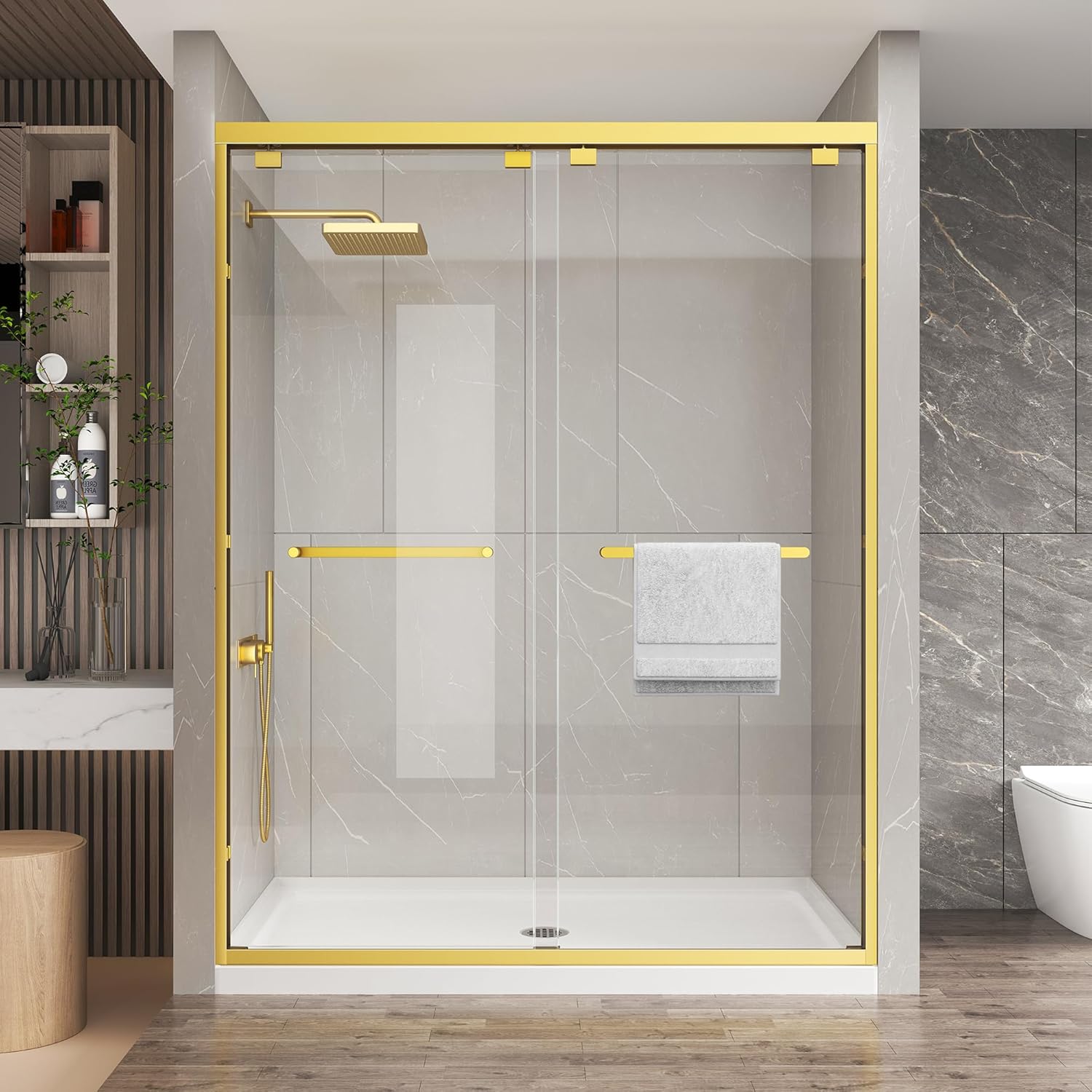
Most homeowners with cool-toned bathrooms—think slate gray tile, steel-blue paint, and crisp white marble—want a shower door finish that reads clean, modern, and low-maintenance. From 20+ years on remodeling crews across the U.S., I can tell you the finish you pick affects perceived color balance, water-spot visibility, longevity in humid spaces, and how forgiving the installation looks against out-of-plumb walls and imperfect tile reveals.
Quick answer: which black finish works best with cool-toned bathrooms
Matte (flat) black and satin black finishes are the best choices for cool-toned bathrooms. They provide strong contrast without introducing warm undertones, hide water spots better than gloss, and pair naturally with chrome or brushed-nickel plumbing finishes. If you want one-sentence guidance for a spec sheet or a quick shop decision: choose matte black for a modern, architectural look; choose satin black if you want a touch of reflection and easier cleaning.
Short featured-snippet style answer: Matte black is the top match for cool-toned palettes because it keeps the visual temperature neutral, hides minor water marks, and reads crisp next to grays, blues, and whites.
Black finish options compared
There are four common black finishes you'll see on shower doors and hardware. Here’s how they stack up for cool-toned baths:
| Finish | Appearance with cool tones | Water-spot visibility | Durability / common coating |
|---|---|---|---|
| Matte (Flat) Black | Neutral, architectural; complements grays and blues | Low — hides spots and fingerprints | High — powder coat or textured anodized |
| Satin/Soft Black | Subtle sheen, slightly warmer than matte | Moderate — easier to wipe clean | High — powder coat or PVD variants |
| Gloss Black | High contrast, can feel heavy with light cool palettes | High — shows spots and streaks | Moderate — lacquer over metal, can chip |
| Blackened / Oil-Rubbed Look | Has warm brown highlights — often clashes | Moderate to high | Lower — more decorative, less durable in showers |
How finishes behave in real bathrooms: light, tile, and hardware coordination
When I assess a bathroom for a black shower door finish, I look at three things: wall and tile undertones, natural and artificial light, and the rest of the metal palette. Cool-toned tile (blue-gray, dove gray, or white carrara) benefits from finishes that don’t introduce warmth.
- Matte black reads neutral and crisp next to blue-grays and looks intentional against white marble veins.
- Satin black adds a hint of reflection that can make small bathrooms feel less flat while staying cool.
- Avoid oil-rubbed and warm black variants when the bathroom has a cool palette; they will create mismatched accents.
Match the shower door finish to the dominant fixture finish if possible. If your faucets and showerhead are brushed nickel or polished chrome, matte black works as a visual anchor without fighting those finishes. If everything is warm brass, then black will still work, but consider satin to soften the contrast.
Technical note: Tempered glass thickness and profile size affect the perceived weight of the finish. 3/8" (10mm) tempered glass framed in a robust 1-1/2" matte black profile reads heavier and more architectural. 1/4" or frameless 3/8" with thin black profiles feels lighter and modern. Confirm glass thickness and finish on the job spec so the visual mass matches the tile and room scale.
Field tips from the jobsite — what I see on remodels
Real jobsite conditions change the outcome more than the finish label. Here are common issues and how the right black finish helps hide or accent them:
- Out-of-plumb walls: Older homes are rarely perfectly plumb. A matte black framed system can hide shim lines and reveal gaps better than a bright metallic finish that highlights every shim and bead of caulk.
- Tile variation and grout: If your tile has slight color variation, matte black creates a consistent edge. Lighter grouts next to glossy black hardware often show more contrast than intended.
- Installation tolerances: Expect to leave 1/8"–3/16" adjustment at jambs. Choose a finish whose sealant/trim color is available to match—many manufacturers offer black trim to conceal those gaps neatly.
- Curb slope and water control: Matte black thresholds hide mineral staining better than polished options when the curb slope isn’t perfect and water spills occur.
From a practical install perspective, tell your fabricator or supplier the rough opening and plan for at least a 1/4" overall tolerance on custom glass height and width. On older houses I commonly order glass with a 1/8"–3/8" undercut to allow for uneven floors and tile builds. If you’re shopping for a shower system, check available finishes on the manufacturer’s hardware and specify powder coat or PVD if you expect higher humidity environments.
Practical selection checklist for homeowners
Use this checklist the day you pick a finish or write it into your contract:
- Confirm finish type: powder coat or PVD recommended over simple lacquer.
- Confirm glass spec: tempered glass per ANSI Z97.1; choose 3/8" or 1/2" depending on desired weight and budget.
- Match accessory colors: towel bars, hinges, and trim should be same finish family or intentionally contrasting.
- Order field-adjustable hardware: look for 1/4"–3/8" adjustability for out-of-plumb walls.
- Specify sealant color: black silicone or gray latex where visible; white shows on black frames.
If you’re browsing product lines, I regularly recommend homeowners check the finish options on dedicated shower hardware pages — for example KPUY Shower Doors carries several matte and satin black choices that work well with cool palettes.
Maintenance and repair expectations
All black finishes need routine care. Here’s what to expect:
| Finish | Routine cleaning | Expected touch-ups |
|---|---|---|
| Matte Black (Powder Coat) | Warm water + mild soap; microfiber wipe | Rare — avoid abrasive pads |
| Satin Black (PVD or Powder) | Same as matte; slightly more tolerant of wipes | Minor scuffs can often be polished out |
| Gloss/Lacquer | Frequent wiping; spots show | Chips may be visible and need repainting |
On long jobs I specify powder-coated matte black hardware in high humidity homes. Powder coat systems resist cracking and flaking better than painted finishes. If the homeowner is on a coastal property, consider specifying marine-grade coatings or stainless steel substrates with black PVD finish to fight salt air corrosion.
Frequently asked questions
Will matte black make my small bathroom look smaller?
Not necessarily. Matte black creates strong lines and definition. In a small, cool-toned bathroom it can actually make the space feel more purposeful and visually organized. Use a larger mirror and lighter tile fields to keep openness while letting black act as an anchor.
What glass thickness should I pick for a black framed door?
For framed systems 3/8" (10mm) tempered glass is very common and balances cost with rigidity. For frameless or semi-frameless systems that rely on smaller black profiles, 1/2" (12mm) tempered glass provides a stiffer, premium feel. Always confirm with your installer and make sure the glass meets ANSI Z97.1 safety standards and local code requirements — many installers reference ICC guidance for structural openings (see ICC).
Is matte black finish safe for wet areas? Will it peel?
Quality powder coat or PVD matte finishes are designed for wet areas and should not peel when properly applied. Cheaper wet-spray paints are more prone to chipping. Ask the vendor about coating method and warranty. For safety guidance and industry best practices, resources from the National Kitchen & Bath Association are useful: NKBA.
Final notes and next steps
From a practical contractor standpoint, matte black gives you the cleanest, most reliable look with cool-toned tile and paint. Satin black is the compromise if you want a bit of life in the finish without warmth. On every remodel I write installation tolerances into the scope — glass undercuts, 1/4" adjustability, and a specified powder coat or PVD finish — because the finish only reads right when the framing and glass are measured and installed correctly.
If you want to compare systems and see samples, check the shower door collections where manufacturers list finish methods and glass thickness so you can spec what I recommend in the field: KPUY Shower Doors.

Leave a comment
All comments are moderated before being published.
This site is protected by hCaptcha and the hCaptcha Privacy Policy and Terms of Service apply.