
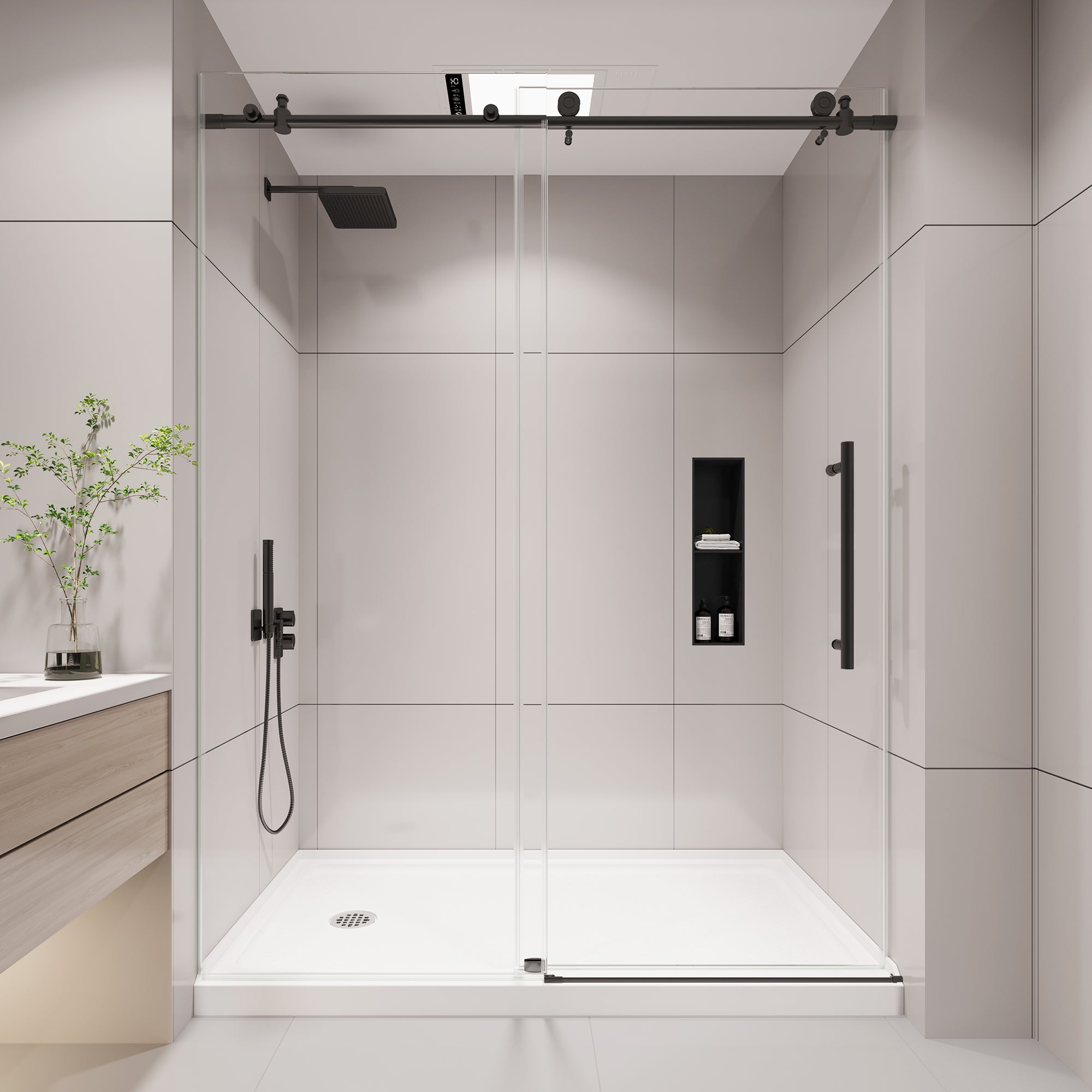
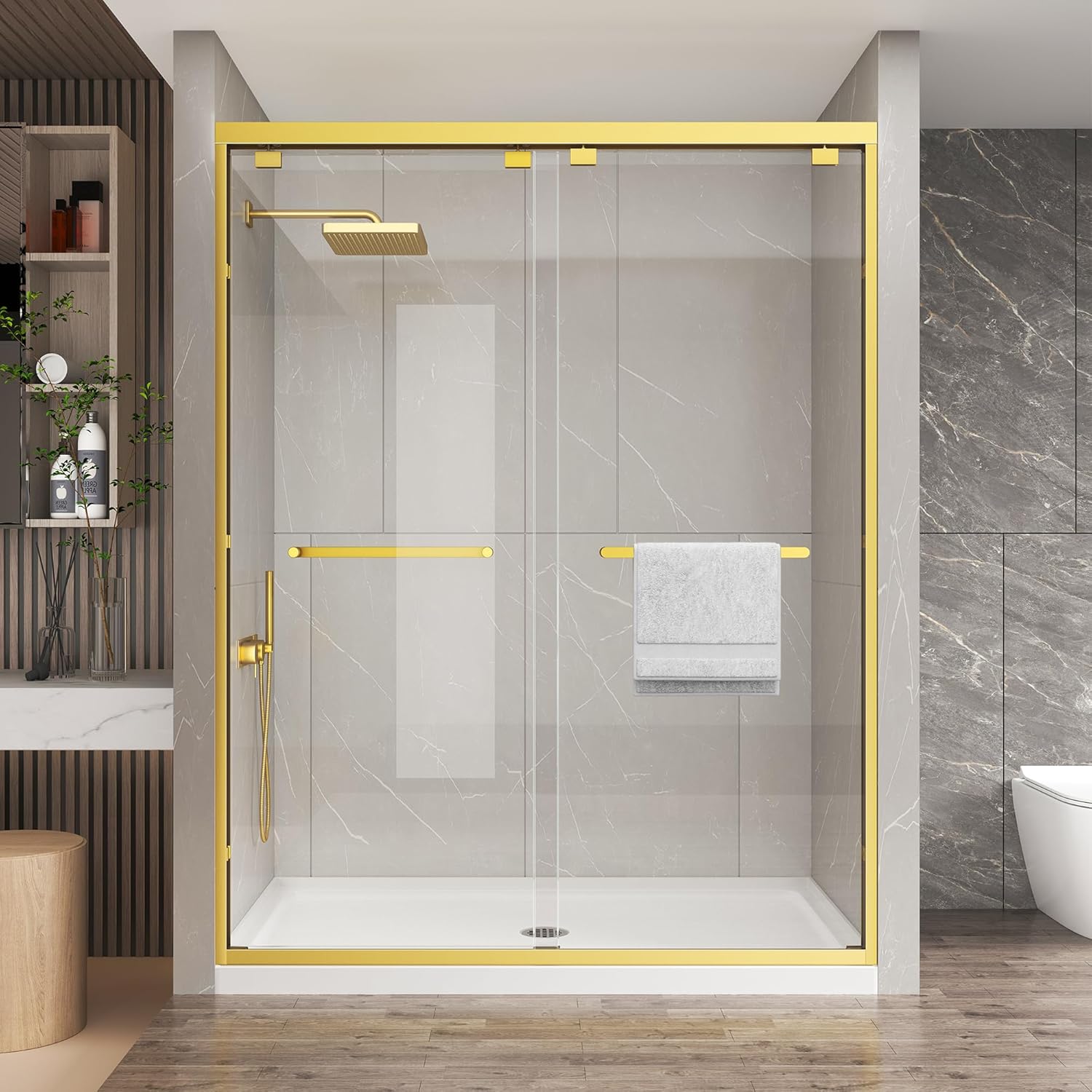
Black-framed shower doors are a top design trend for 2026, but homeowners and even some installers often miss small details that turn a clean-looking install into a maintenance problem or drafty shower. As a bathroom remodeler with 20+ years on job sites, I see the same oversights over and over: wrong glass thickness, walls out of plumb, curb slope ignored, and hardware finished for show but not for salt or hard water. This article focuses on the practical details that matter when you pick and install a black shower door so the result looks great and lasts.
Quick Direct Answer
Short answer: The details people usually miss with black shower doors are glass thickness and edge treatment, frame allowances for out-of-plumb walls, proper curb slope and weep paths, installation tolerances for continuous seals, and corrosion-resistant fasteners behind the finish. Check for tempered glass thickness, confirm wall plumb and floor slope, and insist on adjustable profiles that allow at least 3/16" to 1/4" of fitting tolerance per side.
Glass & Frame Specs You Should Check
When reviewing a black shower door quote, don't let the color distract you from structural specs. Ask these questions on the phone or at the shop:
- Is the glass ANSI Z97.1 tempered? Always verify certification; tempered glass is the legal and safe choice for doors.
- Glass thickness: 3/8" (10mm) is standard for frameless or minimalist framed doors; 1/2" (12mm) is common for larger spans. Thinner glass will flex and stress hardware.
- Edge treatment: Are edges polished or seamed? Polished edges reduce stress risers and look cleaner behind a black frame.
- Frame profile allowance: How much out-of-plumb adjustment does the frame provide? Look for at least 3/16" per side adjustment.
Manufacturers will list glass thickness and whether it's heat-strengthened or fully tempered. For safety and warranty coverage, insist on fully tempered glass and ask to see the certification mark on the glass edge or sticker.

Real Jobsite Issues (Out-of-Plumb Walls, Tolerances)
Here's where real experience matters. On older houses or quick flips, walls are rarely perfectly plumb. I frequently find 1/4" to 3/4" variation over 6 feet. If you don't account for that before ordering glass and frames you end up with:
- Glass cut too wide or narrow to seat properly.
- Visible gaps that water follows back into the wall.
- Hardware strained and early failures.
My on-site approach: before finalizing a glass order we shim and temporarily square the jambs, measure the worst-case opening at three heights, and subtract installation tolerance. If a contractor quotes a “custom” single measurement without checking top and bottom, push back.
Real field note: On a 1940s bungalow I remodeled, the tile return wall was out of plumb by 5/8". We ordered glass with an extra 1/4" tolerance and used an adjustable strike jamb to square the frame. The result was tight seals without forcing the glass—no glazing compound squeezes, no stress cracks later.
Thresholds, Curbs & Drainage Details
Black frames look great sitting on a curb, but the curb geometry is a functional part of the door system.
- Curb slope: Curb should slope 1/8" to 1/4" front to back to shed water toward the drain, not toward the door.
- Weep holes and channels: Ensure the base channel or curb has a continuous weep path. Many frameless-style doors still need a back channel to let water exit into the drain.
- Clearance under the door: Keep 1/2" to 3/4" minimum clearance for the door to swing and for towel clearance; lower clearances trap water.
Ignoring curb slope or weep locations is how you get water pooling at the threshold and black frame corrosion at grout lines.
Hardware, Finishes & Fasteners
Black finish comes in various coatings: powder coat, PVD, anodized, or painted finishes over metal. They look similar at first but behave differently.
| Finish Type | Durability | Common Issues |
|---|---|---|
| Powder Coat | Good for general use | Chips at edges; needs stainless fasteners under finish |
| PVD (Physical Vapor Deposition) | Very durable | Costly, but resists hard water better |
| Anodized Aluminum | Good on aluminum only | Can corrode if mixed metals are present |
Fastener note: Even if the visible finish is black, you need stainless steel fasteners behind it—especially in coastal or high-humidity areas. A black finish over mild steel with zinc screws will blister within a couple of years.
Recommended Installation Sequence (Contractor-Proven)
- Verify rough-in dimensions and plumb at three heights. Mark the high and low points.
- Install curb and waterproofing (membrane up the studs or tile backer), set slope.
- Install the fixed jambs and check for adjustment range.
- Receive glass, verify temper mark and dimensions before unpacking all pieces.
- Install glass with soft-shim pads, secure hardware, then test operation and seals.
- Seal the exterior joints with an appropriate silicone; leave interior joints with mechanical weep paths where specified.
Why sequence matters: Skipping the water testing before glass install wastes time and risks glass removal. I always run a controlled water test on the curb the day before glass arrives if the project schedule allows.

On-site Checklist (What I Audit Before Signing Off)
| Item | Tolerance/Spec | Why It Matters |
|---|---|---|
| Wall Plumb | ±1/8" per 8 ft recommended; note worst-case | Prevents forced frame and glass stress |
| Glass Temper Mark | Visible ANSI Z97.1 or equivalent | Required for safety & warranty |
| Curb Slope | 1/8" to 1/4" back slope | Directs water to drain |
| Fasteners Behind Finish | 304 or 316 stainless | Prevents hidden corrosion |
| Clearance at Sweep | 3/8" - 1/2" typical | Prevents scraping and allows seal compression |
FAQ
Are black shower doors more likely to show water spots?
Yes. Dark finishes make mineral deposits more visible. Use a protective coating and choose PVD or high-quality powder coat with glass that has a clear protective treatment. Routine squeegeeing after showers prevents buildup.
How thick should tempered glass be for a black-framed shower?
For a typical residential shower door under 60" tall, 3/8" (10mm) tempered glass is common and adequate. For wider panels or taller doors, 1/2" (12mm) is recommended to reduce flex. Always verify the manufacturer's rating and that the glass meets ANSI Z97.1 safety standards.
Do I need a threshold or is a zero-threshold wet room better with a black frame?
Both are valid, but zero-threshold wet rooms change how the frame behaves. If you choose a wet room approach, the black profile must be compatible with a wet-wall panel system and the floor waterproofing must be tested. For most retrofits, a curb is simpler and more forgiving of out-of-plumb conditions.
Final Notes & Where to Look Next
Black shower doors are striking, but the finish is the easy part. The things that kill performance are hidden: improper glass thickness, lack of adjustment for out-of-plumb walls, inadequate curb slope, and mixed metals under the finish. Ask your installer to document plumb and slope, insist on tempered glass marking, and request stainless fasteners behind the finish.
If you want to compare product styles with the specs discussed here, check a curated collection of shower door options like KPUY Shower Doors. For industry recommendations and best practices, see the NKBA guidelines on showers and waterproofing (NKBA) and general consumer safety information about tempered glass from the U.S. Consumer Product Safety Commission (CPSC).
Final contractor tip: Before payment, ask for a walkthrough where the installer demonstrates how seals, sweeps, and the door operate after a controlled water test. If they won't demonstrate performance, they may be hiding issues.

Leave a comment
All comments are moderated before being published.
This site is protected by hCaptcha and the hCaptcha Privacy Policy and Terms of Service apply.