
Hard water wrecks more than your coffee maker — it shortens the lifespan and performance of smart toilets if you don't check the right things before you buy and install. As a bathroom remodeler with 20+ years on job sites across the U.S., I’ve seen high-end bidets and smart bowls sidelined by mineral buildup, bad wiring choices, and poor rough-in planning. The 2026 trend toward integrated toilets with electrical controls and concealed tanks means homeowners need to be more deliberate when their home has hard water.
Why hard water matters for smart toilets
Hard water is high in calcium and magnesium. Those minerals build up inside valves, nozzles, solenoids, and ceramic trapways. With smart toilets, you have electronics, heating elements, and small orifices that are far less tolerant of scale than a conventional gravity toilet. The result: reduced flush efficiency, intermittent sensor behavior, clogged nozzles, and premature replacement of electrical fill valves and heaters.
Before you spend on a designer smart toilet, check the water hardness with a test strip or get your utility's water report. In practical terms:
- Moderately hard water (7–10 grains per gallon) needs attention — simple filters will help.
- Very hard water (>10 gpg) will require more aggressive treatment or selecting hardware built for scale tolerance.
USGS has a good breakdown of water hardness ranges and terminology for homeowners and remodelers: USGS - Water Hardness.

Quick answer: What to check first (featured snippet)
Short answer: Test water hardness, inspect the toilet’s nozzle and valve materials, confirm service access and local rough-in dimensions, and plan for a water-softening or anti-scale solution if hardness exceeds 7 gpg. Those four checks prevent the majority of scale-related failures.
- Use a hardness test strip or lab report to quantify grains per gallon (gpg).
- Confirm manufacturer specs for nozzle cleaning and serviceability.
- Verify electrical supply with GFCI protection and accessible junction box.
- Decide between whole-house softener, point-of-use conditioning, or replaceable inline filters.
Key components to inspect before you buy
A smart toilet is a system: electronics, hydraulics, and ceramic work together. Here’s what I check on every make/model before I recommend it for a hard-water home.
| Component | Hard-water risk | What to specify |
|---|---|---|
| Nozzles / Wash Arms | Scale clogs small orifices, changes spray patterns. | Removable or replaceable nozzles, stainless or plated alloys, self-clean cycle. |
| Fill Valves / Solenoids | Mineral deposits impede movement and sealing. | Brass or stainless components, easy replacement kits, accessible shutoffs. |
| Heaters / Electronic Controls | Scale lowers heat transfer efficiency and can short elements. | Accessible service panels, thermal cutoffs, warranty covering electronic failures. |
| Ceramic Glaze & Trapway | Scale adheres to rough or unglazed surfaces, reduces flow. | Smooth, high-gloss glaze; siphon jet design; wide trapway. |
Tip from the field: I always look for models that allow a tech to remove the wand/nozzle without taking the whole seat off. That small design choice cuts a 2-hour service job down to 15 minutes.
Site and installation issues I see in the field
Smart toilets add electrical requirements and sometimes require exacting rough-in dimensions. When I strip an older bath for a retrofit, these are the top surprises:
- Out-of-plumb walls: The wall behind a toilet can be 1/4" or more off plumb in older homes, affecting flushometer or wall-hung installations and electrical box placement.
- Rough-in variance: Older houses sometimes have 10" rough-ins instead of modern 12" — that small difference can make a new smart bowl fit poorly or not at all.
- Curb slope and floor level: Uneven floors change toilet height and can stress mounting bolts or create leaks at the base.
- Access for servicing: Concealed tanks or studs packed behind finished walls make routine maintenance impossible without cutting drywall.
When I plan an install I measure three times and mock up the seat height and outlet location. If the electrical outlet or junction box isn't within the manufacturer's service tolerance, I relocate it before finishing the wall.

Installation tolerances and real jobsite decisions
Know the manufacturer's installation tolerances and compare them to your measured conditions. I always check:
- Exact rough-in (distance from finished wall to center of waste).
- Clearance required behind the toilet for power cords and service openings.
- Mounting plate alignment for wall-hung toilets—out-of-plumb studs demand shim packs.
Real-site example: I installed a wall-mounted smart bowl in a 1930s house. The studs were 3/8" out of plane and the drywall had a 1/2" build-up from an old tilebacker. We had to reposition the carrier and add a service panel to satisfy clearance and serviceability without removing historical finishes.
Maintenance strategies and product recommendations
Preventive maintenance beats emergency repairs. For hard water homes, combine hardware choices with water treatment and a simple maintenance routine.
Short checklist for maintenance:
- Install a whole-house softener if hardness is high and household appliances suffer.
- Use a point-of-use inline filter for the toilet supply line if you can't do a whole-house system.
- Schedule a nozzle and valve inspection every 6–12 months depending on hardness.
- Keep the electrical panel and junction box dry and accessible; label circuits.
For homeowners wanting an attractive compromise, a small resin-based cartridge on the toilet supply line will trap minerals before they hit the valve. Replace cartridges annually in hard-water areas. If you choose a chemical descaling approach, follow the manufacturer's instructions — many smart toilets prohibit acids or abrasive cleaners near sensors and heated seats.
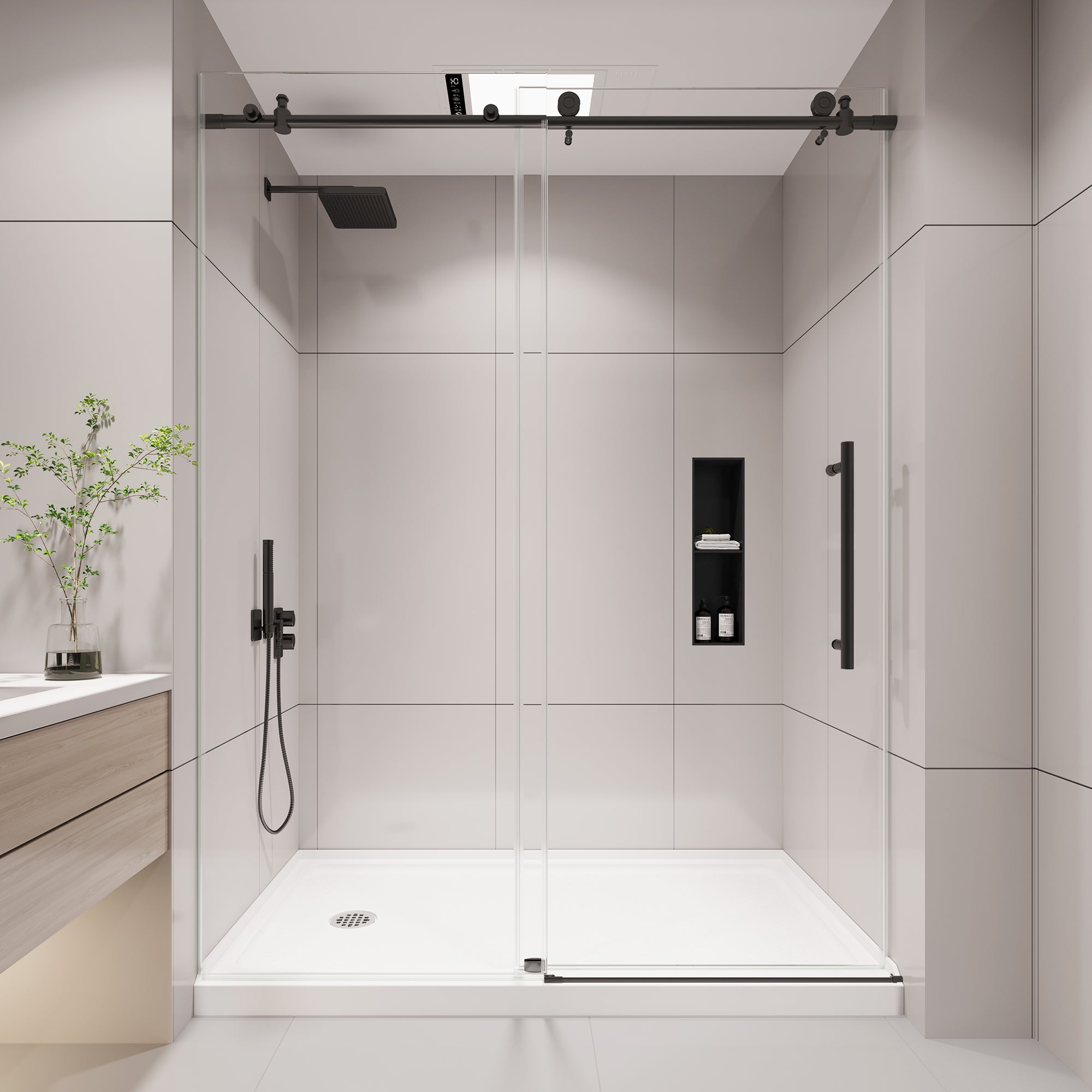
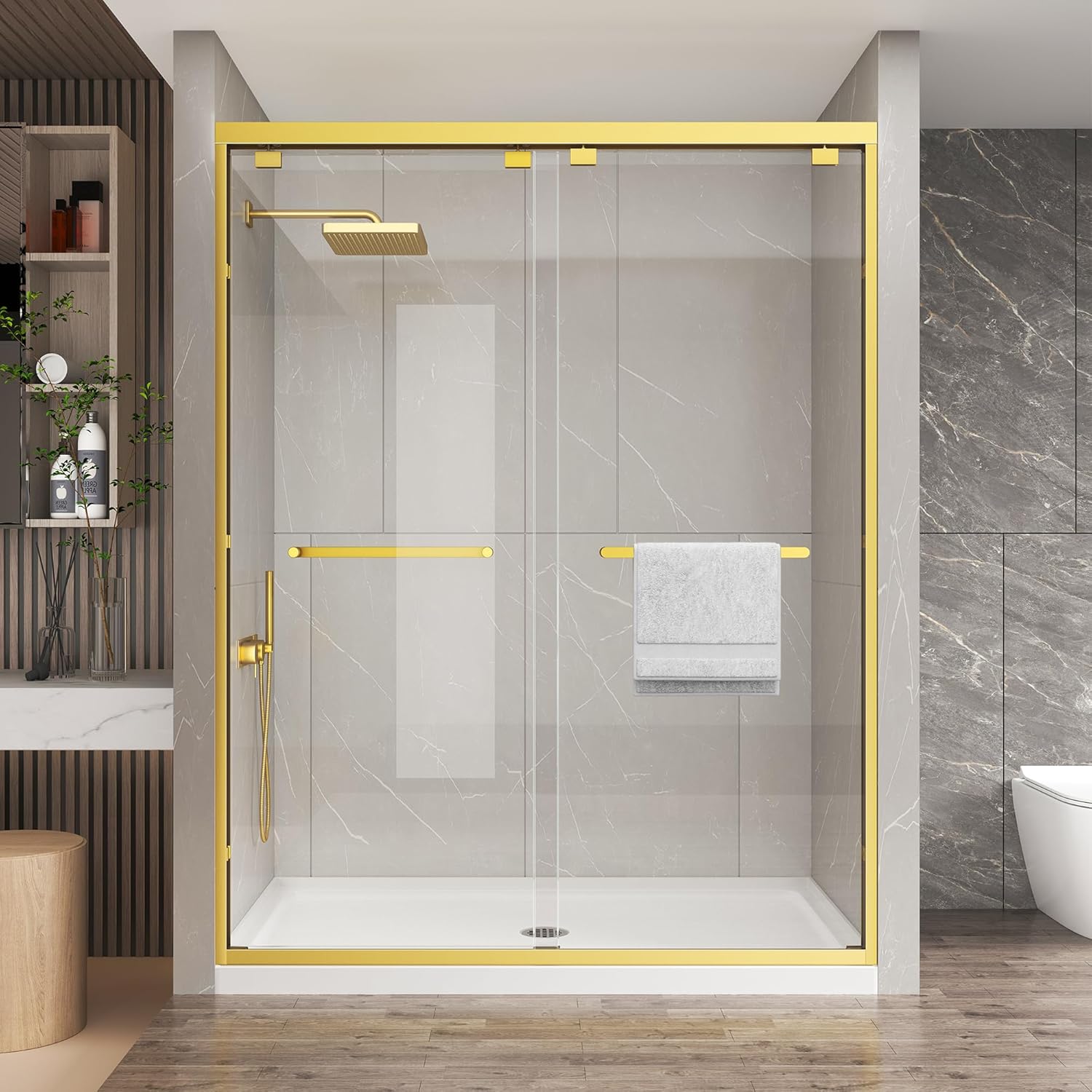
For design-forward bathrooms that include glass partitions, remember glass safety standards and proper gaps. Tempered glass thickness for shower doors and panels typically ranges from 3/8" to 1/2" depending on size and use; keep consistent clearances so glass doesn't bind when walls are out of plumb. Those same installation tolerances matter when routing power and water around showers and toilet walls.
For more manufacturer-neutral guidance on kitchen & bath best practices and codes, consult the National Kitchen & Bath Association: NKBA.
Choosing a smart toilet model for hard water
When comparing models, run them through this decision flow:
- How many gpg is the house water? Above 7 gpg → serious mitigation.
- Does the model have replaceable nozzles and an accessible service panel?
- Are core components made of stainless, brass, or scale-resistant coatings?
- Does the warranty cover scale-related failures, or is that excluded?
- Will the model integrate with your planned water-softening equipment or space constraints?
Design trend note (2026): Integrated toilets with modular service panels are becoming standard — manufacturers are responding to the rise in smart fixtures by making them easier to maintain. That matters in hard water homes because you need access for frequent cleaning or replacement of small parts.
If you’re ready to shop models that are built for modern bathrooms and maintenance, check current product lines like Smart Toilets. Look for product pages that list materials for nozzles, flow rates under differing pressures, and service part numbers.
Costs and trade-offs
Expect to pay a premium for scale-resistant fittings and for plumbing work to add a softener or relocate electrical. Typical cost buckets I quote on-site:
- Smart toilet (entry-level): $600–$1,200
- Mid-level with replaceable components: $1,200–$2,500
- Whole-house water softener (installed): $1,200–$4,000
- Point-of-use cartridge & install: $150–$400
Practical trade-off: If household usage is low and hardness is moderate, a point-of-use filter on the supply line plus annual nozzle checks is usually the most cost-effective strategy. For families with older plumbing or extremely hard water, a whole-house softener protects faucets, heaters, and the smart toilet but adds maintenance and regeneration costs.
FAQ
Can hard water permanently damage a smart toilet?
Yes — minerals can clog nozzles and ruin heating elements over time if not managed. However, permanent damage is usually preventable with a combination of water treatment, regular servicing, and choosing models with replaceable components. Address hardness early and you’ll avoid most failures.
How do I test my water hardness and what numbers matter?
Pick up a test strip at a hardware store or request your municipal water report. Readings are in grains per gallon (gpg) or mg/L. Rough thresholds I use on projects: under 7 gpg — low risk; 7–10 gpg — moderate; over 10 gpg — plan for treatment. USGS provides a technical reference for interpreting results: USGS - Water Hardness.
How often should I service a smart toilet in a hard-water home?
Service intervals depend on hardness. In moderate conditions, every 12 months is fine. If hardness is high, schedule checks every 6 months to clean or swap cartridges, descale nozzles, and verify valve operation. Make sure the installer documents the service access points so a tech can reach the parts without unnecessary demolition.
Smart toilets are a great upgrade for function and comfort, but in hard water areas you need a plan: test the water, choose serviceable hardware, provide electrical and service access, and decide on whole-house versus point-of-use treatment. Do those steps and your smart toilet will deliver reliable performance for years.
For product options and accessories designed for modern bathrooms, explore the available Smart Toilets collection and check spec sheets for nozzle and valve materials.

Leave a comment
All comments are moderated before being published.
This site is protected by hCaptcha and the hCaptcha Privacy Policy and Terms of Service apply.