
That clicking sound in the morning shower is usually not the glass itself. It is more often a roller, track, or alignment problem that started small and got worse with use. A sliding door that drags or sticks can come from worn rollers, mineral buildup, a track that is out of level, or an opening that was never measured from the finished wall surface.
The Short Answer
Sliding shower door roller problems usually come from worn rollers, dirty tracks, loose hardware, out-of-plumb walls, or a door opening measured incorrectly after tile and finish materials were installed. Noise often points to friction or debris. Dragging usually means the rollers, track, or bottom guide are misaligned. Sticking is often a sign the opening, track, or glass is no longer running square and level.
Common Causes of Noise, Dragging, and Sticking
A sliding shower door needs three things to move cleanly: a level track, correctly adjusted rollers, and an opening that matches the finished dimensions. If any one of those shifts, the door starts to complain. In older homes, walls are often not perfectly plumb, and that small deviation is enough to make one side of the door carry more load than the other.
Rollers wear out over time, especially in bathrooms with hard water, heavy daily use, or infrequent cleaning. Mineral buildup can rough up the track surface and make the wheels sound gritty. If the rollers are plastic, the noise may be sharper. If they are metal or enclosed in a housing, the sound often shows up as a low scrape or rumble.
Track issues are just as common. A track can look straight from a distance but still be slightly twisted, loose, or packed with soap residue. A bottom guide that is too tight can bind the door. A top track that is bowed or not properly anchored can cause the door to “walk” as it rolls, which creates the sticking you feel halfway through the slide.
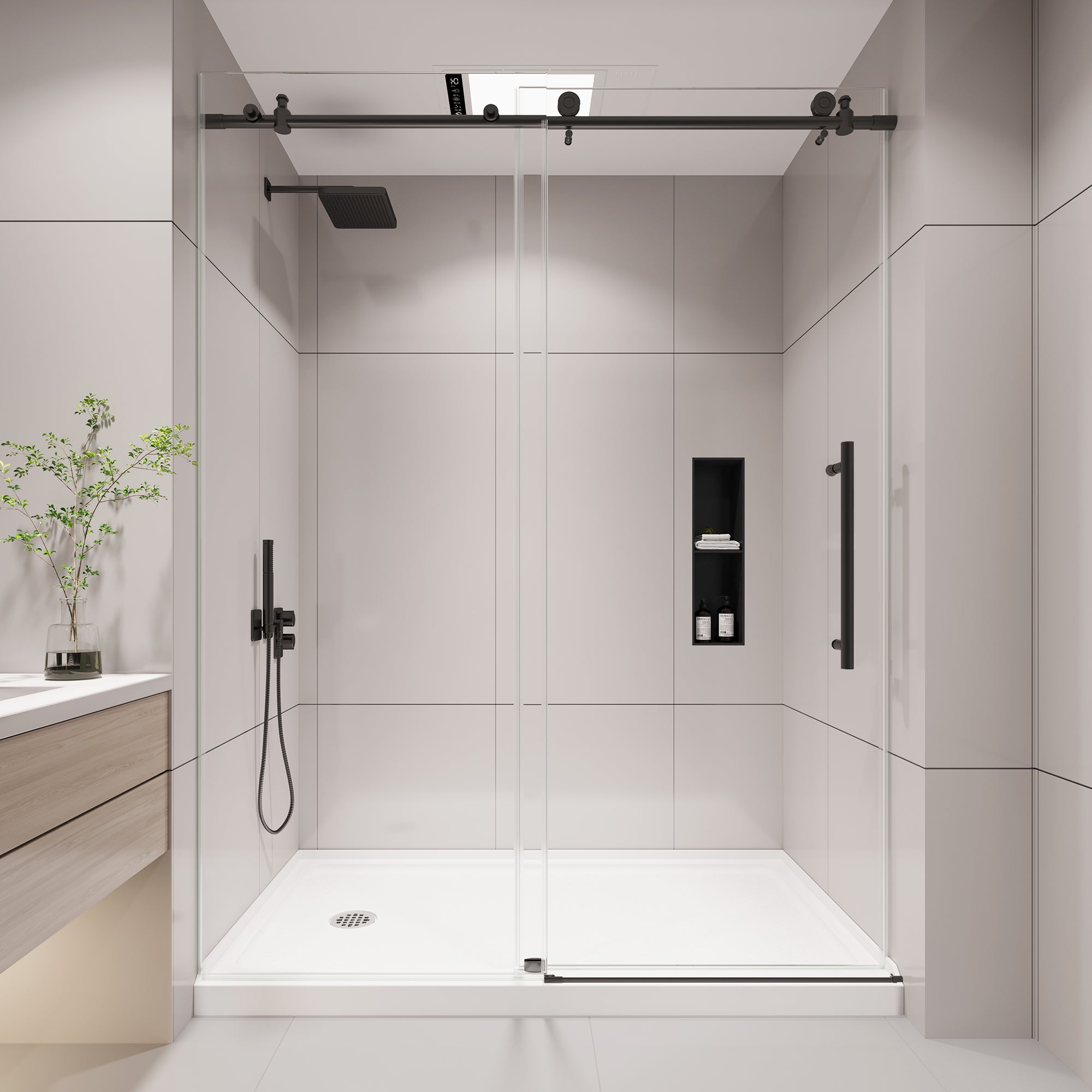
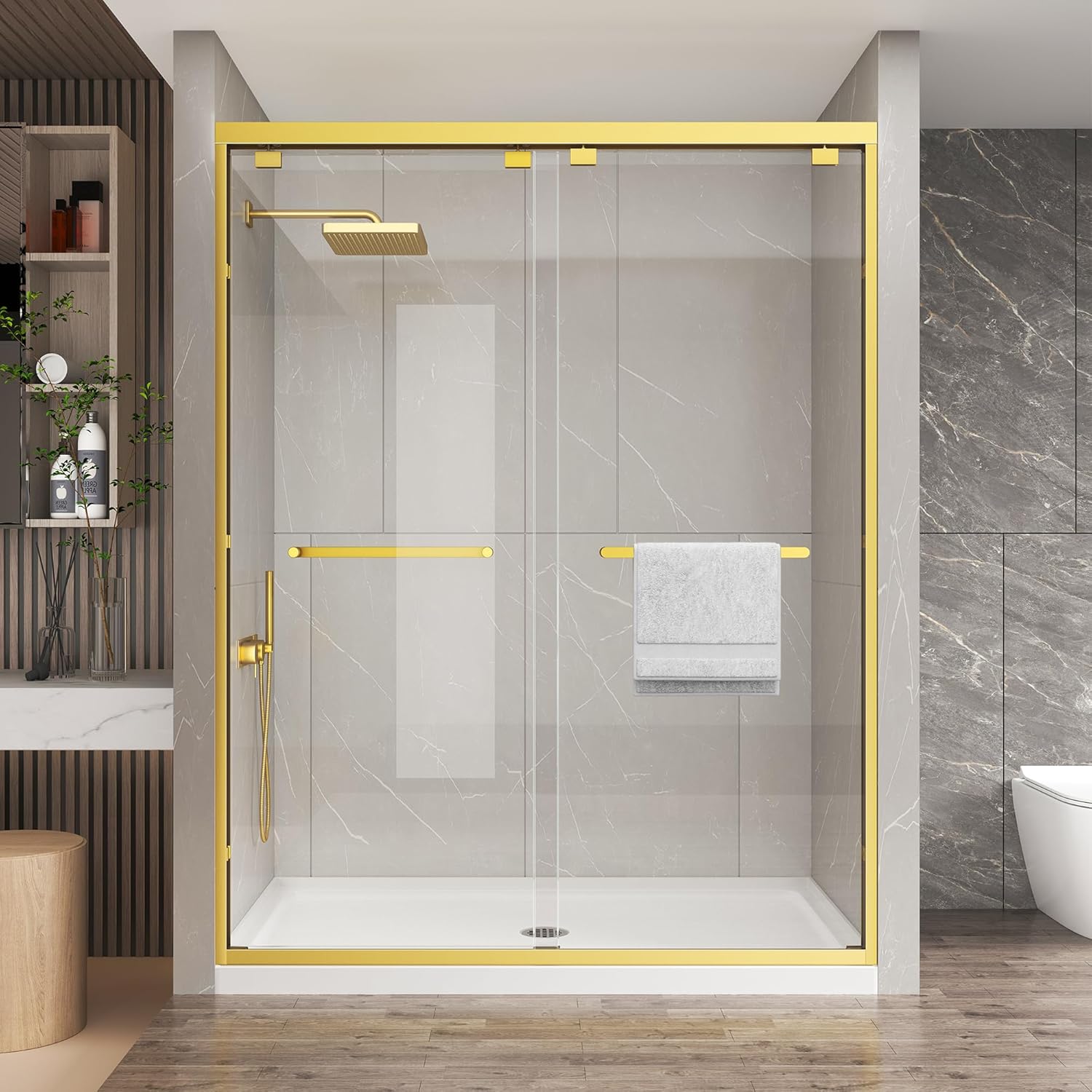
Hardware installation matters too. If the wall anchors missed solid backing or the fasteners loosened over time, the track can shift a fraction of an inch. That is enough to change how the rollers ride. For a wider layout or a more open glass design, a Sliding Shower Doors collection is the relevant place to start, because movement hardware and opening size are the whole story.
Here are the most common field causes:
- Worn rollers that no longer roll smoothly or sit evenly on the track.
- Soap scum and mineral scale that build up on the track and roller path.
- Out-of-plumb walls that cause the door to bind on one side.
- Loose fasteners or anchors that let the track shift under load.
- Incorrect bottom guide spacing that pinches the panel instead of guiding it.
- Track damage such as dents, bends, or corrosion.
What to Check Before You Replace Anything
Start with the finished opening, not the old product label. A shower opening may measure differently at the top, middle, and bottom, and that matters more than the nominal size printed on the box. Measure after tile if the wall surface has changed. Tile thickness, backer board, and trim all affect the final fit.
Check the opening in three places: top, middle, and bottom. Then compare the left and right side walls from front to back. If the opening is not square, the rollers may still be fine but the door path may not be. On remodel jobs, this is where many surprises show up after demolition: the old door “worked” because it was already adjusted to a crooked opening.
A few dimensions deserve extra attention:
| Item to Check | Why It Matters | What Can Go Wrong |
|---|---|---|
| Finished opening width | Determines whether the door can travel without binding | Door overlaps poorly or the panels rub |
| Top, middle, and bottom width | Reveals whether the opening is square | Rollers track differently on each side |
| Wall plumbness | Shows whether glass will sit straight in the track | One panel carries more load and drags |
| Track level | Controls smooth movement | Door rolls on its own or sticks in one spot |
| Bottom guide position | Keeps the door aligned as it moves | Door binds or rattles |
If the shower is being rebuilt, think beyond the door. Drain alignment, curb slope, and threshold height can affect how the base sits and how much room remains for the door hardware. For shower floor planning, KPUY’s Shower Bases collection is useful because base dimensions and curb layout can change the entire opening relationship.
- Measure the opening at the top, middle, and bottom after finishes are installed.
- Check whether the walls lean in or out at either side.
- Inspect the track for buildup, bends, loose fasteners, or corrosion.
- Test the rollers by moving the door slowly by hand.
- Confirm the bottom guide is centered and not pinching the glass.
- Look for signs that the door is rubbing the wall, tile edge, or handle.
Older homes often have walls that are not perfectly plumb. That matters more than most homeowners expect. A door that looked fine during rough framing can start dragging once the tile is installed and the true finished opening is reduced by the wall buildup.

Which Fix Makes Sense?
Not every noisy or sticky door needs a full replacement. Some issues are simple maintenance. Others point to a layout or measurement problem that will keep coming back until the assembly is changed. The key is to decide whether the problem is in the rollers, the track, or the opening itself.
| Problem | Likely Cause | Practical Fix |
|---|---|---|
| Grinding or squeaking | Dirty track, dry rollers, mineral buildup | Clean, dry, and inspect the roller path |
| Door drags in one spot | Track out of level or bottom guide too tight | Adjust hardware and verify alignment |
| Door sticks halfway | Roller wear, bent track, out-of-plumb wall | Replace worn parts or rework the installation |
| Door rattles | Loose track or guide, worn rollers | Tighten fasteners and check hardware condition |
| Door feels heavy to move | Load on one side, glass misalignment, track friction | Inspect the full movement path, not just the rollers |
If the opening itself is out of square, replacing only the rollers may help for a short time, but the problem can come back. That is especially true in remodels where the walls were built over old framing or the tile thickness changed the usable space. A properly sized sliding door from a focused collection such as Sliding Shower Doors is easier to plan when the opening dimensions are verified first.
Common homeowner mistakes
- Cleaning the glass but ignoring the track and bottom guide.
- Measuring the old door instead of the finished opening.
- Assuming a noisy door is only a roller issue.
- Over-tightening hardware and creating new friction points.
- Skipping a check for wall plumb and level after tile is installed.
Maintenance That Prevents Repeat Problems
Most sliding shower door systems last longer when the track is kept clean and dry. After showers, a quick wipe of the track and visible rollers reduces the buildup that causes grinding. Hard water is a common issue in many U.S. homes, and even a thin mineral film can add resistance over time.
Use mild cleaning methods first. Harsh abrasives can scratch some track finishes or damage seals. If the door has adjustable rollers, check them periodically to make sure the panel still rides evenly. A small adjustment can restore smooth travel if the opening is sound.
Silicone sealing around the track and wall edges also matters. It should support water containment without creating a sticky surface that traps residue. If the sealant is failing, water can work into the hardware pockets and shorten the life of the rollers or fasteners. Keep in mind that a sliding door depends on both movement and containment, so the installation must balance clear travel space with a proper seal.
For homeowners planning a broader remodel, bathroom layout choices often affect door performance indirectly. Nearby NKBA planning guidance can help frame clearance, comfort, and usability decisions, especially if you are changing the shower, vanity, or toilet location at the same time.

Planning a Replacement Without Guesswork
If the rollers are worn out and the door has been repaired more than once, it may be time to plan a replacement based on the actual shower opening. That means measuring the finished width, confirming the wall conditions, and checking whether the door type still fits the space. A sliding layout is usually the right call where swing clearance is tight, but it still needs a true, stable opening to run smoothly.
Before you order, review the shower area as a system:
- Confirm the finished opening after all wall surfaces are complete.
- Verify that the side walls are plumb enough for the glass to sit correctly.
- Check the track zone for room, fastener access, and hardware clearance.
- Look at the base, curb, and threshold height to make sure the door and seals will fit properly.
- Inspect the drain location if the shower base is being replaced at the same time.
- Plan sealing details so water stays in the shower area without binding the moving parts.
For remodels that involve both the enclosure and the shower floor, code and product planning should stay aligned with local requirements. The ICC and IAPMO are useful references for homeowners and contractors who want a better grasp of plumbing and building code context, even though local enforcement can vary by jurisdiction. For additional code context, see ICC and IAPMO.
One practical jobsite observation: a drain that looks centered from the room can still miss the new shower base once the walls are finished. The same is true for a door opening that seems wide enough until tile thickness reduces it by nearly an inch. Those details are small on paper and expensive on install day.
Frequently Asked Questions
Why does my sliding shower door make noise only near the end of travel?
That usually points to a track problem, a tight bottom guide, or a roller that is failing under load. The door may move freely in the middle but bind where the track is slightly uneven or where the panel shifts weight. Check for debris, loose hardware, and any spot where the door changes pitch as it rolls.
Can I replace just the rollers instead of the whole door?
Yes, if the glass is sound and the opening is still square enough for the door to run correctly. Roller replacement is a reasonable fix when wear is the main issue. If the track is bent, the walls are off plumb, or the opening was measured incorrectly, new rollers may only solve the problem for a short time.
How do I know if the opening is the real problem?
Measure the width at the top, middle, and bottom, then check for uneven gaps on both sides. If the numbers vary noticeably or the door shifts side to side as it moves, the opening may be out of square. That is common in older homes and remodels where tile thickness and wall buildup change the finished dimensions.
Final Takeaway
Noise, dragging, and sticking in a sliding shower door usually start with wear, buildup, or misalignment, but the root cause is often bigger than the rollers themselves. Start with the finished opening, then inspect the track, guide, wall plumb, and seal condition. If the shower is being replaced, planning the door and base together is the cleanest way to avoid repeat problems.
If you are moving from troubleshooting into replacement planning, the most relevant place to start is the Sliding Shower Doors collection, then verify the shower opening and base dimensions before ordering. That keeps the project grounded in the actual field conditions instead of the old door’s rough size.

Leave a comment
All comments are moderated before being published.
This site is protected by hCaptcha and the hCaptcha Privacy Policy and Terms of Service apply.