
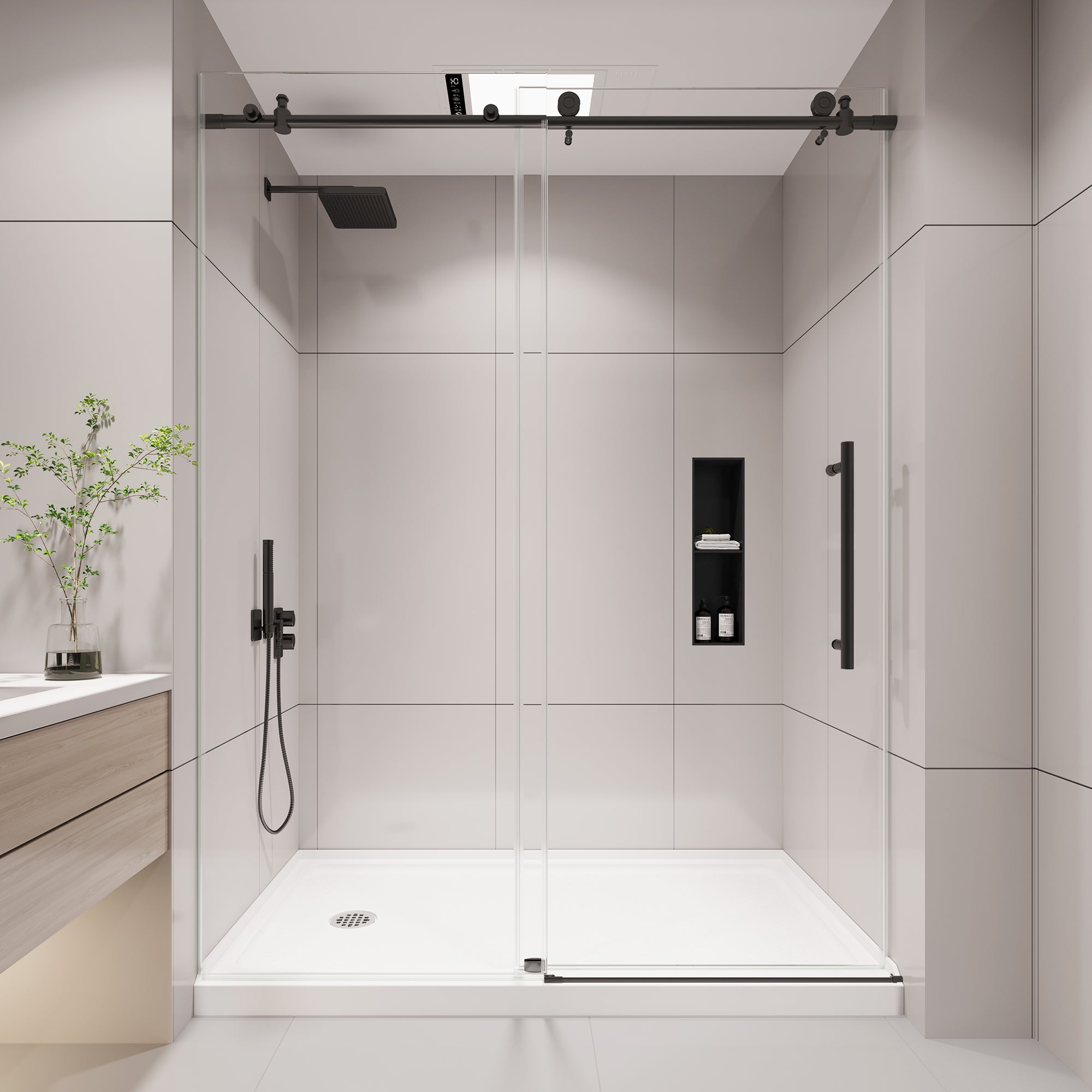
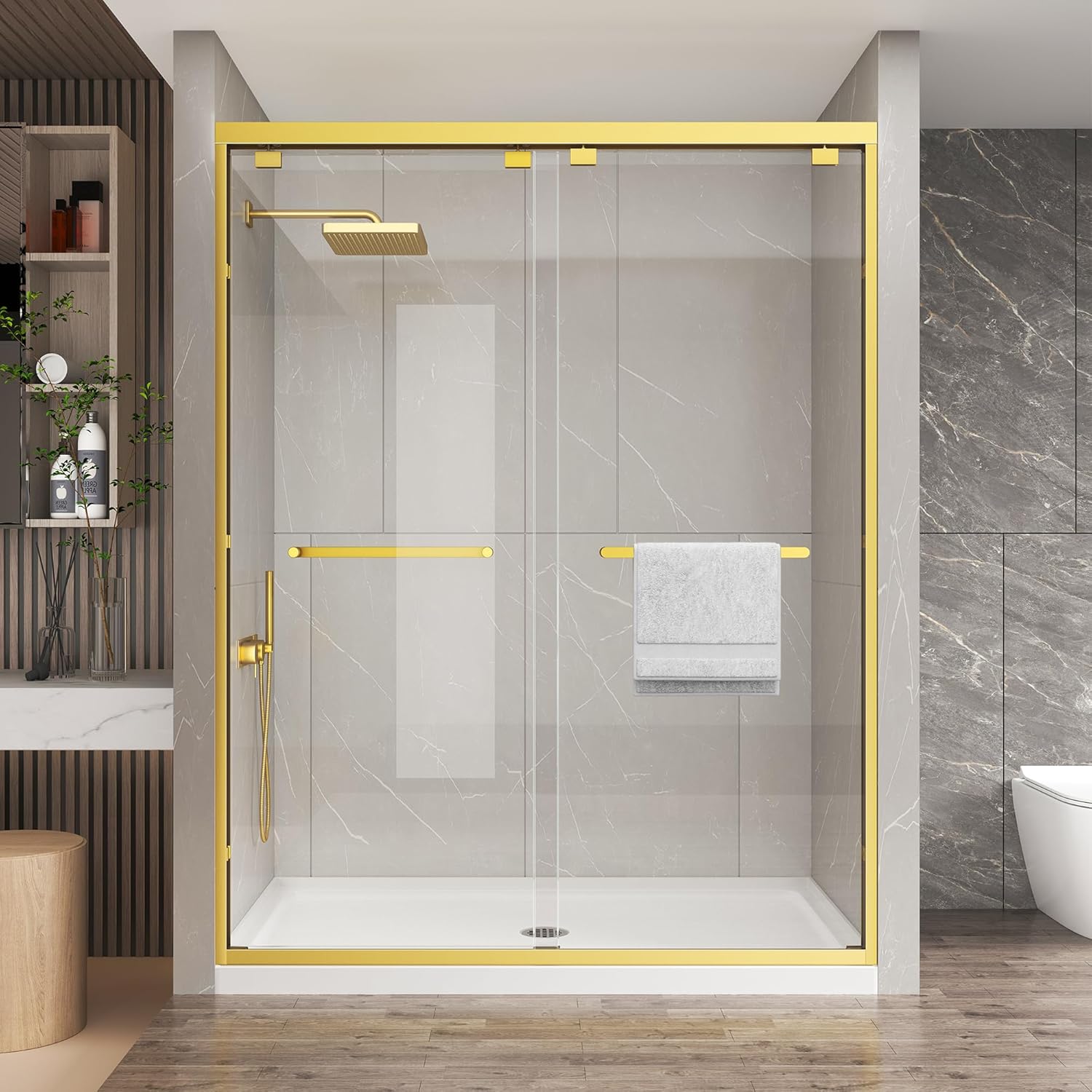
If you are remodeling a bathroom in 2026, the choice between a shower door and a shower curtain usually comes down to three things: water control, space, and how finished you want the shower to look. A curtain is cheaper and easier to replace, but a properly sized shower door typically gives better containment, easier cleaning around the shower area, and a more permanent remodel feel.
The Short Answer
A shower door makes more sense in 2026 if you want better water containment, a more finished remodel, and a setup that fits a permanent shower enclosure. A shower curtain still makes sense for tight budgets, rentals, tubs, or layouts that need flexibility. If the opening is measured correctly and the walls are reasonably true, a door is usually the better long-term upgrade.
Key Differences That Matter
The right choice is rarely about style alone. It starts with the shower footprint, the finished opening, and how the space is used every day. A curtain can hide a rough opening and tolerate small layout issues. A door, by contrast, needs more accurate measurement and better wall conditions, but it typically handles splashing and daily wear more effectively.
For a remodel where the shower area is being rebuilt, the door often pairs better with the rest of the work. If you are also replacing the shower base, tile, or surrounding walls, the finished dimensions matter more than the old rough opening. That is why many homeowners start with the base and enclosure plan together, including options from KPUY Shower Doors when they want a hard enclosure instead of a fabric curtain.
| Decision Factor | Shower Door | Shower Curtain |
|---|---|---|
| Water containment | Usually better if sized and sealed correctly | Depends on liner, overlap, and how it is hung |
| Space use | Needs swing, track, or panel clearance | Very flexible in tight spaces |
| Measurement sensitivity | High; finished opening matters | Low; minor irregularities are easier to hide |
| Cleaning | Glass and hardware need regular wiping | Fabric or vinyl needs replacement and laundering |
| Remodel appearance | More permanent and finished | More casual and less architectural |
| Budget | Higher upfront cost | Lower upfront cost |
What homeowners usually notice first
The first thing most people notice is splash control. A curtain can work well, but it tends to move when air hits it, and that can let water escape. A door is more consistent. The second thing is how the room feels after the remodel. Clear glass opens up the space, especially in smaller bathrooms where visual clutter matters.
The tradeoff is that doors require more precision. Older homes often have walls that are not perfectly plumb, and a shower opening may measure differently at the top, middle, and bottom. A curtain covers that problem. A door exposes it.
Measurement and Installation Planning
Start with the finished opening, not the old product label. If tile, wallboard, or a new base is being installed, the final dimensions can change enough to affect the fit. Measure after the surfaces that will stay in place are complete, or account carefully for tile thickness, backing board, and any curb build-up.
Take three width measurements: top, middle, and bottom. If those numbers are not the same, the walls may be out of plumb or the curb may not be level. That does not automatically rule out a door, but it does affect which style makes sense. Sliding doors can tolerate certain conditions better than some swing doors. Fixed panels demand accurate alignment and stable wall attachment.
Field checks before you order
- Measure the finished opening at the top, middle, and bottom.
- Check whether the side walls lean in or out.
- Verify curb height and slope so water stays in the shower.
- Confirm where the drain lands relative to the new shower base.
- Locate studs before planning door hardware or panel anchors.
- Account for tile thickness, backer board, and finished wall surfaces.
- Check nearby toilet, vanity, or cabinet clearance if the door swings open.
A common remodel surprise is that the drain looks centered in the old shower but no longer matches the new base layout. That matters more than people expect. A base that fits the footprint still needs the drain to land in the right place. The same is true for wall anchors: glass hardware needs solid backing, not just tile and thin wall finish.
For code context and safe planning, it helps to stay aligned with general guidance from the IAPMO and local plumbing rules. For broader bathroom layout and safety considerations, the NKBA is also a useful reference point.
- Confirm the shower footprint and finished wall dimensions.
- Measure width at the top, middle, and bottom of the opening.
- Check plumb, level, and square with a reliable straightedge.
- Verify door swing or sliding path clearance in the room.
- Identify stud locations for hardware and support points.
- Review drain placement and curb slope before finalizing the base.
- Order the enclosure only after the finished opening is known.
Hardware clearance matters too. Thick glass, handles, towel bars, and seals all need room to move without hitting adjacent tile, trim, or another panel. If the opening is tight, a sliding layout or fixed panel may make more sense than a hinged door. That is one reason many remodelers compare the enclosure and base together before they buy.

Cost, Maintenance, and Daily Use
On a simple budget basis, a curtain is usually less expensive upfront. It is also easier to replace if you want a quick refresh. That said, the lowest initial cost is not always the lowest long-term hassle. Curtains can trap moisture, need liners, and may not control spray as well in a busy family shower.
A shower door costs more to install, especially if the opening needs custom sizing or more careful hardware work. But it often reduces daily mess around the shower area. You are less likely to mop water off the floor after each use, and the enclosure generally holds up better in a full remodel setting.
Practical maintenance differences
- Shower doors: Wipe glass and seals regularly to limit water spots and buildup.
- Curtains: Wash or replace liners when mildew or staining becomes visible.
- Glass enclosures: Check silicone joints and bottom seals over time.
- Curtains: Watch for splash escape at the ends, especially with handheld showers.
In 2026, many homeowners are also paying more attention to how their bathroom looks with everyday use. Clear glass can make a compact room feel less closed in, while a curtain can make the space feel softer and simpler. If the bathroom has strong natural light, glass usually makes better use of it. If privacy and flexibility matter more, a curtain still has a place.
Do not ignore the rest of the room. A shower door can expose nearby layout problems that a curtain hides. For example, a vanity drawer may clear the room on paper but still hit casing when fully opened, or a door swing may compete with a toilet lid or linen cabinet. These small issues are easiest to catch before trim and finish work are complete.
Where a Shower Door Makes More Sense
A shower door is usually the stronger choice when the bathroom is being remodeled for long-term use. It makes sense in a primary bath, a guest bath that sees regular use, or any shower that needs better spray control. It is also a better fit when the shower itself is part of a more finished design with tile walls, a new base, and coordinated hardware.
Frameless glass, fixed panels, and sliding layouts remain popular because they reduce visual clutter and work well with the cleaner lines many homeowners want in 2026. For that kind of layout, the enclosure often starts with the shower base and opening plan, then moves to the glass size and hardware. KPUY’s shower door collection is relevant here because the opening and enclosure need to work together, not as separate decisions.
A shower door usually makes more sense if:
- You want better containment around an active shower.
- The bathroom is being fully remodeled, not just updated.
- The opening can be measured accurately after finish work.
- The room can handle door swing or track clearance.
- You want a more permanent enclosure than a curtain setup.

Where a Shower Curtain Still Works
A curtain still makes sense in plenty of bathrooms. If the shower is in a tub, if the opening is irregular, or if you need the simplest possible solution, a curtain remains practical. It is especially useful in rentals, temporary spaces, or budget-focused projects where the shower is not the center of the remodel.
Curtains also work where access must stay flexible. If the bathroom is small and a swinging door would interfere with the vanity, toilet, or hallway traffic, a curtain avoids that conflict. It can also be the better choice if the shower area is not getting new tile or if the walls are not ready for glass hardware.
Choose a curtain first when:
- The opening is not square and you are not correcting it.
- You need the lowest upfront cost.
- The shower is over a tub and you want easy entry.
- Door swing clearance is tight.
- You expect the bathroom layout to change again later.
That said, a curtain is not always the cheaper option over time. Liners wear out, fabric needs washing, and some setups never fully stop splash. If you are already rebuilding the shower area, the added cost of a door may be easier to justify than it would be in a simple cosmetic update.
For homeowners comparing enclosure styles, KPUY Shower Doors is a useful place to look at enclosure types in the context of the opening, not just the look.
Frequently Asked Questions
Is a shower door always better than a curtain?
No. A shower door is usually better for water containment and a finished remodel, but a curtain is still the smarter choice in some tight, budget-limited, or temporary setups. The right answer depends on the opening, the room layout, and whether the shower area is being rebuilt or simply refreshed.
What measurement matters most for a shower door?
The finished opening matters most. Measure the top, middle, and bottom width after tile or wall finish is in place. Also check plumb, level, and square. A shower door can fit well only if the enclosure matches the actual finished space, not just the rough opening from framing.
Should I replace the shower base before choosing the door?
Yes, if the base is changing. Drain position, curb height, and threshold layout can affect the enclosure size and style. It is usually smarter to confirm the base and finished wall dimensions first, then choose the door based on the real opening and the available clearance in the room.
Final Takeaway
If you want the simpler, lower-cost option, a shower curtain still does the job. If you want better containment, a cleaner finished look, and a more durable remodel decision, a shower door usually makes more sense in 2026. The key is to measure the finished opening carefully, account for wall and floor irregularities, and match the enclosure to the actual bathroom layout.
For homeowners planning a real remodel, start with the shower dimensions and then review the enclosure options that fit your opening. If a door is the direction you are leaning, the KPUY Shower Doors collection is a practical place to compare enclosure types against the measurements you already have.

Leave a comment
All comments are moderated before being published.
This site is protected by hCaptcha and the hCaptcha Privacy Policy and Terms of Service apply.