
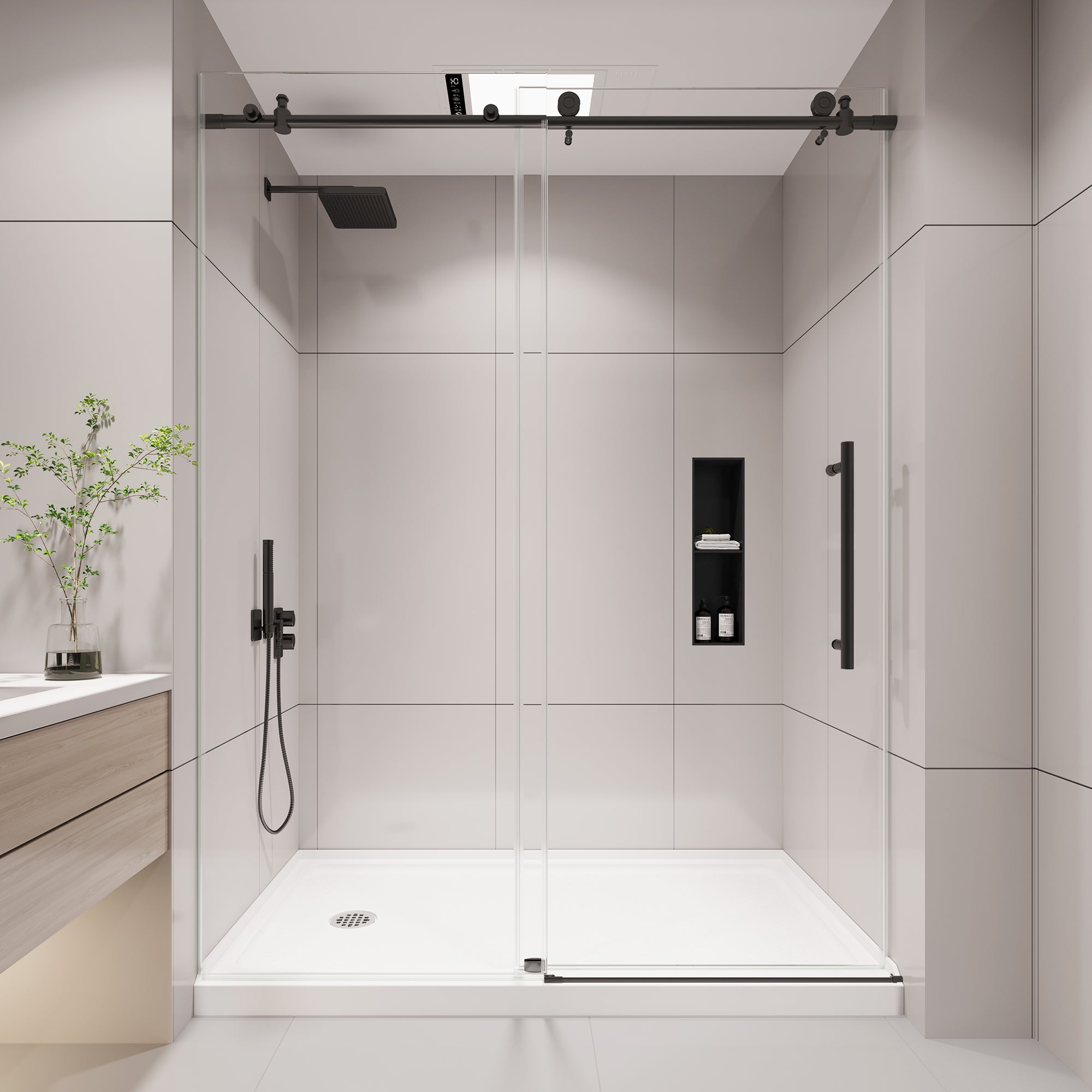
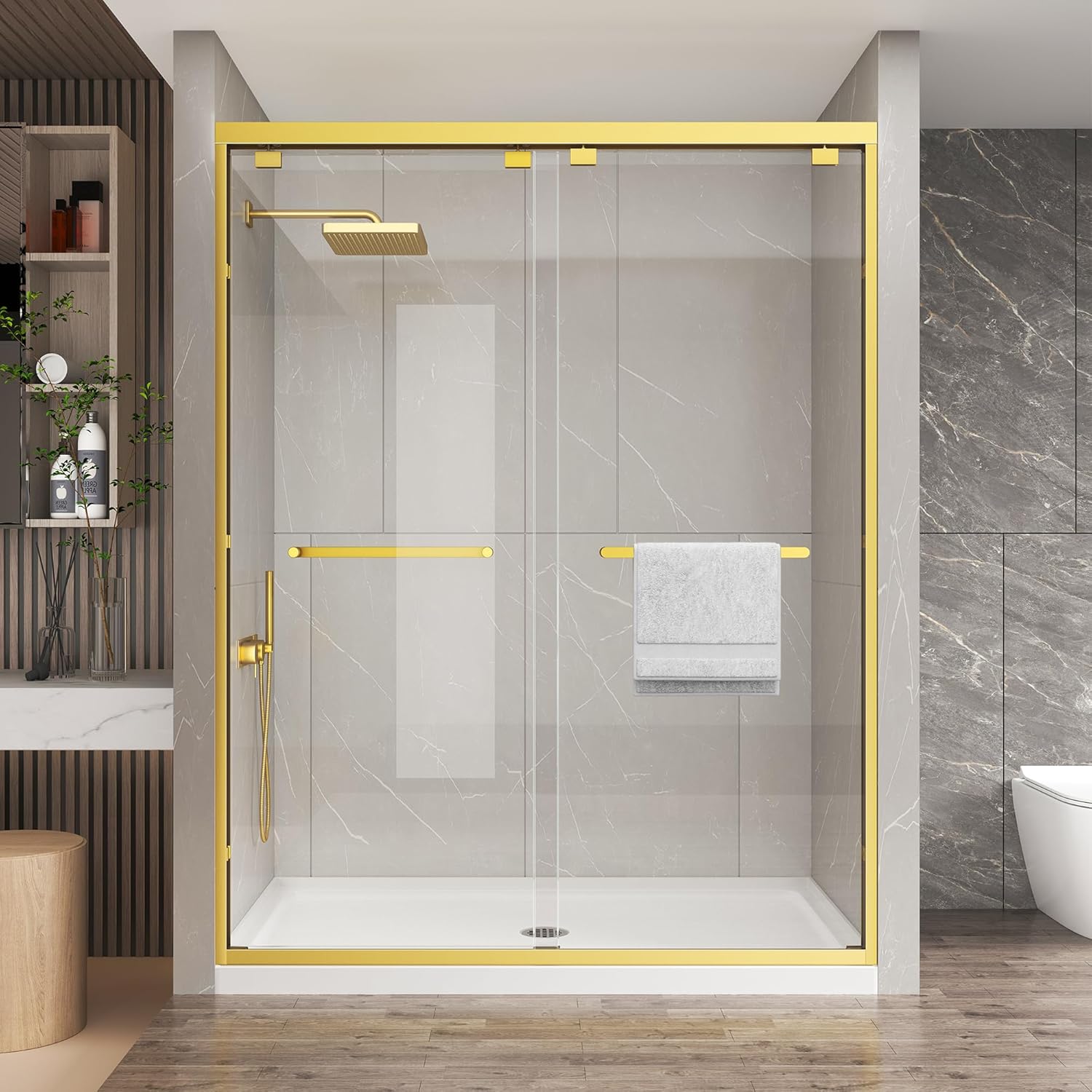
A black shower door can look sharp without making a bathroom feel closed in, but the rest of the room has to do some work. The finish reads darkest in low light and in rooms with too little contrast, so the fix is usually about light, glass transparency, wall color, and hardware balance rather than avoiding black altogether. In a well-planned remodel, black trim can frame the shower cleanly and make the room feel more intentional, not smaller.
The Short Answer
Use a black shower door without darkening the bathroom by keeping the shower glass as clear and open as possible, increasing layered lighting, and balancing the black finish with lighter tile, walls, and fixtures. A black frame works best when the bathroom has enough natural or artificial light, good sightlines, and a shower layout that does not block the room visually. A matte black door can look crisp instead of heavy when the design is kept light around it.
What Makes a Black Shower Door Feel Dark
Black itself is not the problem. The issue is usually contrast, enclosure, and light loss. A thick black frame around a small opening can make the shower read like a box, especially if the surrounding tile is dark or the room depends on one weak ceiling light. Older bathrooms also tend to have narrow footprints, low windows, or poor fixture placement, which makes any dark element feel stronger.
Another common issue is using too many dark finishes at once. Black door hardware, dark wall tile, a dark vanity, and a dark mirror frame can all work in the same bathroom, but the room needs enough white space, reflective surfaces, or brighter lighting to keep the eye moving. If every plane absorbs light, the bathroom feels smaller than it is.
Clear glass matters too. A black door with frosted, tinted, or heavily patterned glass can block light and make the enclosure feel closed off. For most remodels, clear tempered glass keeps the shower visually lighter while still letting the black frame stand out.
For homeowners comparing door styles, the layout matters as much as the color. A framed, pivot, or sliding door can all work in black, but the room size, opening width, and surrounding traffic path should drive the choice. If you are still narrowing down door types, the Black Shower Doors collection is a useful place to review how the finish reads in different shower formats.
Layout and Light That Keep the Room Open
The easiest way to keep a black shower door from making the room feel dark is to treat it like an outline, not a wall. That means letting light pass through the shower and around it. In practical terms, that usually means clear glass, enough ambient lighting, and a shower location that does not block the main sightline as soon as you walk in.
In many 2026 remodels, homeowners are choosing simpler surfaces with less visual clutter: larger-format tile, cleaner grout lines, and more deliberate lighting. Those choices work well with black hardware because they reduce the number of competing lines. A black frame looks sharper against large, light surfaces than against busy, dark, or heavily veined materials.
Use contrast, but not too much of it in one place. For example:
- Light wall tile behind or around the shower helps the frame stand out without swallowing the room.
- Bright vanity lighting reduces shadow near the mirror and keeps the bathroom from feeling cave-like.
- Clear glass lets the eye see through the shower instead of stopping at a dark boundary.
- Balanced black accents such as a faucet or mirror frame can make the shower look intentional.
One field note that comes up often: an older bathroom may have a shower opening that measures differently at the top, middle, and bottom. If the walls are out of plumb, a black frame will make that irregularity more noticeable. That does not mean black is a bad choice, but it does mean the opening needs careful measurement and realistic expectations during installation.
Lighting placement matters just as much as fixture count. A single ceiling light in the center of the room often leaves the shower and vanity corners too dim. Layered lighting usually works better: overhead light for general brightness, vanity lighting for faces and grooming, and, where appropriate, some light that reaches the shower zone. For a deeper look at bathroom lighting choices that help black finishes feel lighter, see NKBA planning guidance on bathroom design and lighting balance.

Measurements and Installation Details That Matter
A black shower door can look great on paper and still feel heavy if the install is awkward. The finish does not change the installation basics. You still need a true finished opening, plumb walls, secure anchoring, and hardware that matches the actual field conditions.
Start with the finished opening, not the old door size. Tile thickness, backer board, wall surface changes, and curb finishing all affect the final dimensions. Measure top, middle, and bottom width. Measure both wall heights. Check the walls for out-of-plumb conditions and the curb or base for level. Older homes often reveal small shifts that matter once a rigid glass panel or frame is in place.
A black frame can be less forgiving visually than a lighter one, especially if the opening is slightly out of square. That does not mean it cannot work. It just means the installer has less room to hide bad geometry. If the frame is part of a Black Shower Doors layout, the measurements and wall prep are worth slowing down for.
- Measure the opening at the top, middle, and bottom after wall finishes are in place.
- Check plumb on both walls and note any taper.
- Confirm curb height, slope, and flatness before ordering glass.
- Identify stud locations or solid blocking for anchors.
- Verify door swing or slider clearance against the vanity, toilet, or entry door.
- Check ceiling height if the enclosure uses taller glass or panels.
- Review silicone seal locations and water return paths before final trim is installed.
Water management is especially important with dark-framed doors because any mineral spotting or inconsistent caulk line stands out. A clean, even silicone joint along the base, wall, and fixed panel transitions helps the install look intentional. The goal is proper water containment, not over-sealing every seam with extra material.
Drain placement and threshold height matter more than many homeowners expect. If you are pairing a new door with a new shower base, the base may fit the footprint while the drain still lands in the wrong place for the new drain opening. In remodel work, that mismatch can affect cost, slope, and finished appearance. Plumbing code context is worth reviewing with the installer or local authority, especially for drain and waterproofing details; resources from IAPMO can help homeowners understand the code framework without guessing.
Finish and Material Pairings That Work
Black shower doors usually look best in bathrooms that have some visual relief. You do not need an all-white room, but you do need contrast that feels deliberate. Think in terms of light, texture, and reflection. The frame can be black if the walls, floor, and lighting keep the space from going flat.
| Design choice | Why it helps | Watch out for |
|---|---|---|
| Clear glass with black frame | Lets light pass through and keeps the shower visually open | Hard water spots show more on glass if maintenance is ignored |
| Light wall tile | Reflects light and offsets the dark frame | Very glossy tile can show every water mark |
| Matte black hardware | Looks intentional and hides fingerprints better than high-gloss finishes | Needs clean lines and accurate alignment to avoid looking bulky |
| Layered lighting | Reduces shadows around the shower and vanity | One central light is usually not enough |
| Simple grout and trim details | Reduces visual clutter around the enclosure | Too many contrasting accents can make the room feel busy |
Matte black usually feels lighter than shiny black because it does not reflect as much glare, but the room still needs brightness. If the bathroom is windowless or north-facing, focus first on lighting and wall finishes before committing to darker hardware everywhere.
Another useful pairing is black with warm whites, sand tones, or pale stone looks. These colors soften the frame without making the bathroom feel trendy in a short-lived way. If the rest of the room is already dark, consider bringing brightness in through the vanity, mirror, and ceiling fixture instead of changing the shower door color.
For homeowners who want the enclosure to stay visually open, a fixed panel or partial glass layout can work better than a fully enclosed setup. A simpler footprint often lets the shower breathe. If you are exploring that direction, KPUY’s shower enclosure options are easier to evaluate in the context of Black Shower Doors rather than treating the finish as a separate decision.

Practical Planning Table
The table below is a simple way to judge whether a black shower door will work in your room without making it feel closed in.
| Bathroom condition | Likely result with black door | Better planning move |
|---|---|---|
| Small bathroom with limited daylight | Can feel darker if the enclosure blocks light | Use clear glass, brighter walls, and stronger vanity lighting |
| Medium bathroom with light tile | Usually works well and adds clean contrast | Keep surrounding finishes simple and coordinated |
| Room with out-of-plumb walls | Frame irregularities may show more clearly | Measure carefully and plan for installation adjustments |
| Shower near entry sightline | Can become a visual focal point | Use black as an outline, not a full dark wall effect |
| Open plan bathroom with layered lighting | Usually feels balanced and intentional | Coordinate mirror, vanity, and shower finishes |
Safety and glazing are still part of the conversation. Shower doors should use appropriate safety glass and proper installation methods for the specific enclosure and opening. If you are checking general home safety references, the CPSC is a useful place to review consumer safety guidance related to glass and household fixtures.
Frequently Asked Questions
Will a black shower door make a small bathroom look smaller?
It can if the room is already dark or cramped, but not always. Clear glass, light tile, and strong lighting usually keep the room open. The door frame should feel like an outline, not a solid visual barrier.
Is matte black better than glossy black for shower doors?
Matte black usually feels less harsh because it reflects less glare. It also pairs more easily with modern fixtures and light tile. Glossy black can work, but it tends to look heavier in smaller bathrooms.
What should I measure before ordering a black shower door?
Measure the finished opening at the top, middle, and bottom. Check wall plumb, curb level, and the clearance needed for the door swing or sliding track. If the shower base is changing, confirm the drain location and finished threshold height too.
Before You Choose
A black shower door works best when the bathroom has enough brightness, the wall and curb measurements are accurate, and the layout supports an open feel. The finish should support the room, not compete with it. If your remodel calls for a black frame, keep the surrounding surfaces light enough to reflect it back. If you are still comparing layouts, start with the opening, the light, and the shower type before locking in hardware.
For homeowners planning a remodel around this finish, the most relevant next step is reviewing the enclosure style that fits the room, then checking the opening dimensions against the finished wall condition. If a black frame is the direction you want, the Black Shower Doors collection is a practical place to narrow the layout once the measurements are known.

Leave a comment
All comments are moderated before being published.
This site is protected by hCaptcha and the hCaptcha Privacy Policy and Terms of Service apply.