
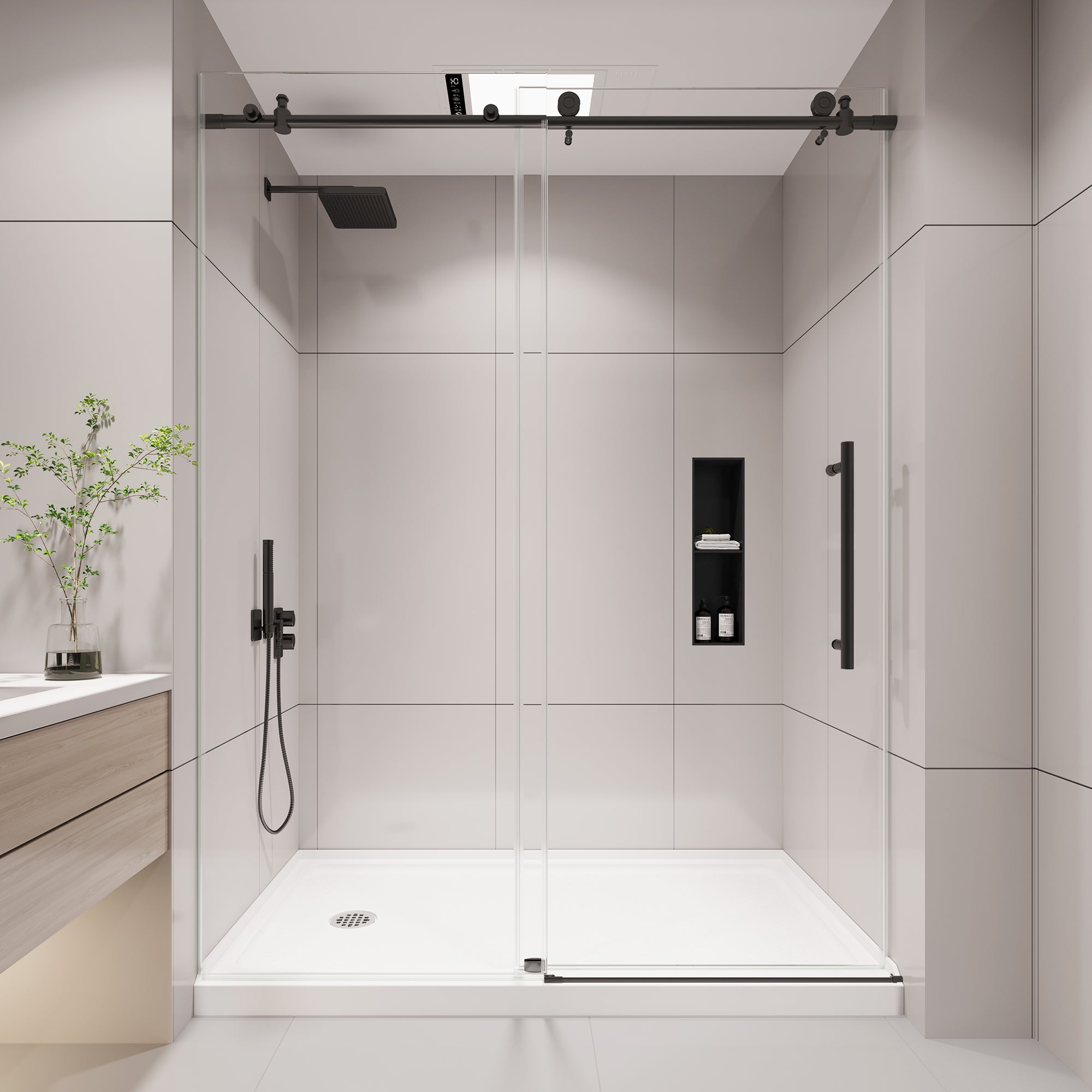
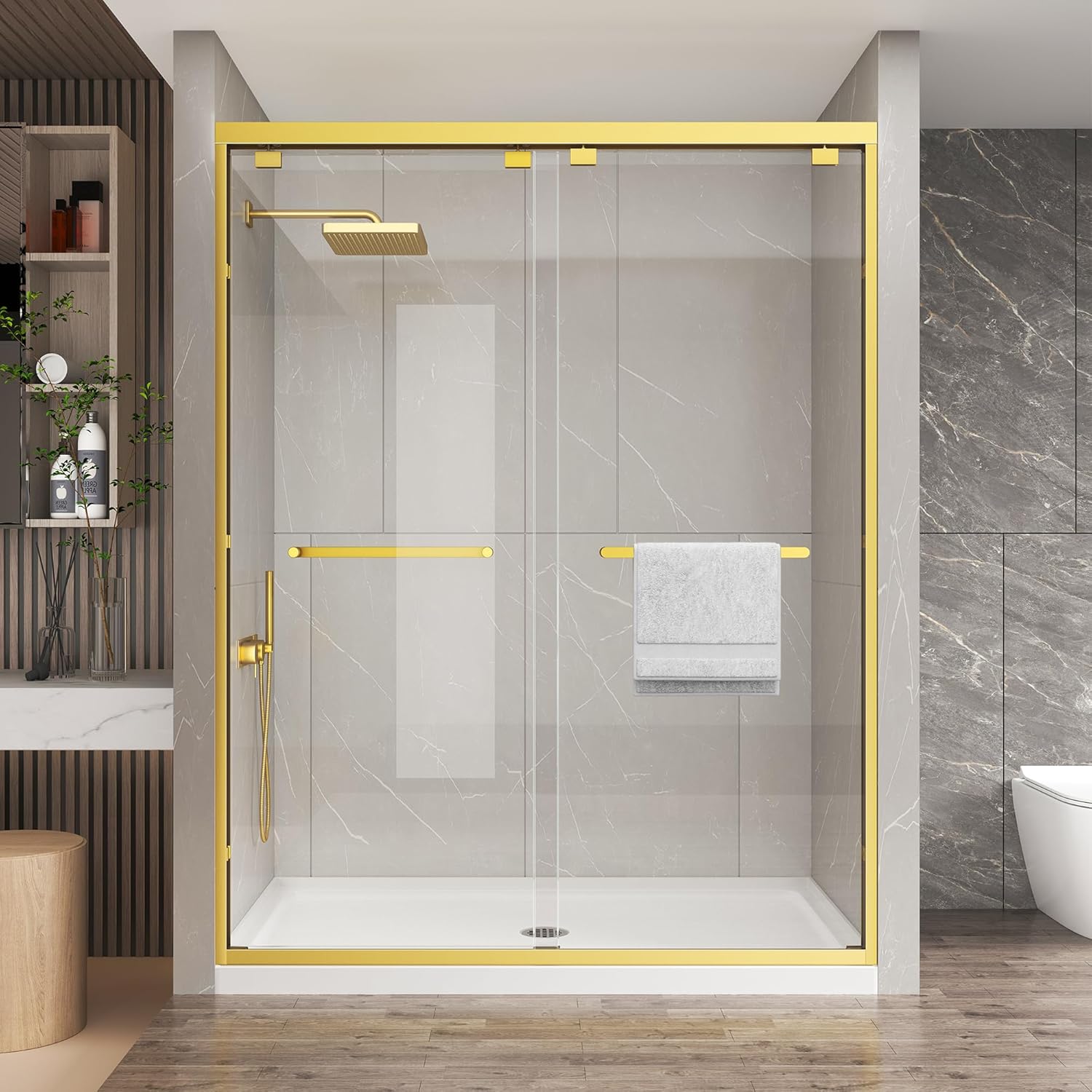
Sliding shower door rollers usually need adjustment when the door drags, sits unevenly, or does not glide smoothly but still stays on the track. They usually need replacement when the wheels are cracked, flat-spotted, corroded, loose beyond correction, or the door keeps jumping the track after alignment checks. Start by inspecting the rollers, then check the track, guide, and door alignment before deciding whether the fix is maintenance or hardware replacement.
The Short Answer
If a sliding shower door is hard to move, start by checking whether the rollers are dirty, loose, out of adjustment, or binding on the track. Adjustment is usually enough when the rollers still spin freely, the door stays aligned, and the problem changes after a small height or tension change. Replacement is usually the right call when the wheels are worn flat, cracked, noisy, seized, or no longer hold alignment.
Symptoms, Causes, and Practical Fixes
The fastest way to diagnose a sliding door is to separate the symptom from the cause. A door that drags at one end can point to roller height, a bent track, or an out-of-plumb wall. A door that squeaks or grinds usually points to worn wheels, debris in the track, or both. A door that jumps or rocks is often beyond simple adjustment, especially if the rollers have visible wear.
| Symptom | Likely cause | Practical fix |
|---|---|---|
| Door drags but still moves | Rollers need height adjustment or the track has buildup | Clean the track and check whether the door can be re-leveled |
| Grinding or squealing noise | Dirty track, worn wheel bearings, or flat-spotted rollers | Inspect the wheel surface; replace rollers if the noise returns after cleaning |
| Door tilts or rocks | Loose hardware, worn roller assemblies, or misaligned guide | Confirm fasteners are tight; replace parts if the roller housing is loose |
| Door jumps the track | Severe wear, wrong roller size, bent track, or poor alignment | Check track condition and roller shape; replacement is often the safer fix |
A wrong choice causes predictable problems. If you keep trying to adjust rollers that are already worn out, the door may seem better for a week and then sag again. If you replace rollers without checking the track or wall alignment, the new parts can wear out early because the real issue is elsewhere. In older bathrooms, the opening may be slightly out of square, which puts side load on the rollers and makes a good door feel faulty.
What to Check Before You Replace Anything
Start with the basics. Many sliding door complaints come from dirt, soap residue, or a slightly loose adjustment screw rather than failed hardware. Before ordering parts, open and close the door slowly and watch how it behaves at the top and bottom of the travel path. If the door changes speed or starts rubbing only at one point, the issue may be alignment rather than a dead roller.
- Track condition: Look for pits, dents, calcium buildup, or a bent section that forces the wheel off line.
- Roller movement: Spin each wheel by hand if possible. It should rotate smoothly without grinding or sticking.
- Fastener tightness: Loose mounting screws can make a healthy roller behave like a failed one.
- Door alignment: Check whether the top gap and bottom gap are consistent from side to side.
- Guide condition: The bottom guide should keep the panel centered without pinching it.
- Wall plumb: Older walls often lean just enough to change how the track and rollers carry weight.
For homeowners comparing new enclosure options after a hardware failure, it is worth looking at Sliding Shower Doors that fit a real alcove opening instead of trying to force a mismatched setup to work. Roller issues can be a warning sign that the door style, track layout, or opening size is not ideal for the bathroom you actually have.
Finished opening matters more than the old frame footprint. Tile thickness, backer board, and final wall finish can change the usable width enough to affect roller load and side clearance. A door that seemed fine before tile may bind after the walls are finished because the track is now slightly narrower or the jambs are no longer parallel.
Adjustment or Replacement: How to Tell
The rule is simple: adjust if the roller still rolls, replace if the roller is worn, damaged, or unstable. Adjustment can correct minor height differences, mild sag, and uneven contact. Replacement is more likely when the wheel surface is damaged, the bearing is rough, the housing is bent, or the door keeps drifting out of alignment after you tighten everything.
A few details help separate the two. If the door gets smoother after you clean the track and make a small adjustment, the rollers are probably still serviceable. If the door feels smooth for a moment and then returns to the same drag, the wheel or bearing may be failing. If one roller sits higher than the other because the adjustment range is maxed out, the assembly is telling you it is no longer compensating for the opening properly.
Also check the opening itself. A sliding shower door can be the symptom, not the root problem. If the track is level but the shower walls are not plumb, the rollers may be working against side pressure every time the door moves. That is how a small alignment issue turns into recurring wear.
Primary rule: a roller that is dirty or slightly loose is usually adjustable; a roller that is cracked, seized, wobbly, or noisy after cleaning is usually replaceable.
Step-by-Step Roller Inspection Checklist
- Open the door halfway and note where it drags, binds, or speeds up.
- Clean the track so dirt and soap residue do not hide the real problem.
- Inspect the rollers for cracks, flat spots, rust, looseness, or rough spinning.
- Check the adjustment range to see whether the door can still be raised or lowered without forcing the hardware.
- Measure the opening at the top, middle, and bottom so you can spot a wall that is not square.
- Check the track level and confirm the door is not being pulled sideways by an uneven installation.
- Inspect the bottom guide for rubbing, misalignment, or wear that could mimic a bad roller.
- Test the door again after adjustment. If the same noise or drag returns, plan on replacement.
That measurement step matters even if you are only troubleshooting, not remodeling. A finished opening that measures differently at the top and bottom tells you the door is working in a non-uniform space. If the difference is significant, the rollers may be compensating for an installation problem rather than wearing out on their own.
For heavier glass or more demanding layouts, the hardware has less forgiveness. A thicker panel, added weight, or a track that is slightly off can make a roller failure show up sooner. If the door is already past its adjustment range, replacement is usually the cleaner fix because it restores even support instead of asking a worn wheel to keep carrying a bad load.
When Roller Problems Turn Into a Remodel Issue
Sometimes the roller is not the real story. If a shower opening was remodeled with new tile, the finished width may be tighter than expected. If the wall is out of plumb, the top track can look fine while the panels are binding below. If the base is slightly off level, the door may roll, but it will never feel right because the panel is traveling against gravity in one direction.
That is why a hardware problem can become a full shower enclosure decision. If the opening is marginal, a replacement door may need a different configuration, better hardware clearance, or a more forgiving track design. In a tighter bath, the surrounding fixtures matter too. A vanity drawer, toilet tank, or door casing can be close enough to interfere with door access even when the shower opening itself is usable.
If you reach the point where repeated adjustments are not holding, it can make sense to review the full enclosure instead of another round of small fixes. The general KPUY Shower Doors collection is useful when the issue is broader than one worn roller and you need to match the door style to the opening, hardware load, and clearance conditions you actually have.
For bathrooms where swing clearance is limited, a sliding layout often avoids the conflict that a pivot door would create at the vanity or toilet. For walk-in style openings, fixed panels can reduce moving parts, but they change how splash is controlled. The right choice depends on the room, not just the failed hardware.
Frequently Asked Questions
How often should sliding shower door rollers be checked?
They should be checked anytime the door starts dragging, squeaking, or sitting unevenly. In regular use, a quick visual inspection a few times a year is smart, especially in bathrooms with hard water or heavy daily use. If the track collects buildup quickly, cleaning and inspection should happen more often so the rollers do not wear from avoidable friction.
Can a sliding shower door feel rough even if the rollers are not broken?
Yes. A rough feel can come from dirt in the track, a bottom guide that is pinching the panel, a bent rail, or a wall that is slightly out of plumb. The roller may still be serviceable even though the door feels off. That is why it helps to clean, test, and inspect the full travel path before replacing parts.
Should both rollers be replaced at the same time?
Usually, yes, if one roller has clearly worn out and the set has seen similar use. Matching wear helps the door run more evenly and reduces the chance that one new roller is paired with one tired roller. If the door uses multiple panels or a full set of matched parts, replacing only one worn wheel can leave the hardware feeling uneven.
Final Takeaway
Use the roller’s condition, not just the door’s behavior, to make the call. If a quick cleaning and adjustment restores smooth movement, the hardware probably still has usable life. If the wheels are rough, cracked, seized, or unable to hold alignment, replacement is the better path. Before you order parts or a new door, verify the finished opening, track condition, and wall plumb so the fix matches the real problem.
If the issue goes beyond a worn wheel and you are looking at a broader enclosure replacement, review Sliding Shower Doors with the bathroom layout, clearance, and finish dimensions in mind. The right hardware can only work well when the opening and installation conditions are close enough for it to run correctly.

Leave a comment
All comments are moderated before being published.
This site is protected by hCaptcha and the hCaptcha Privacy Policy and Terms of Service apply.