
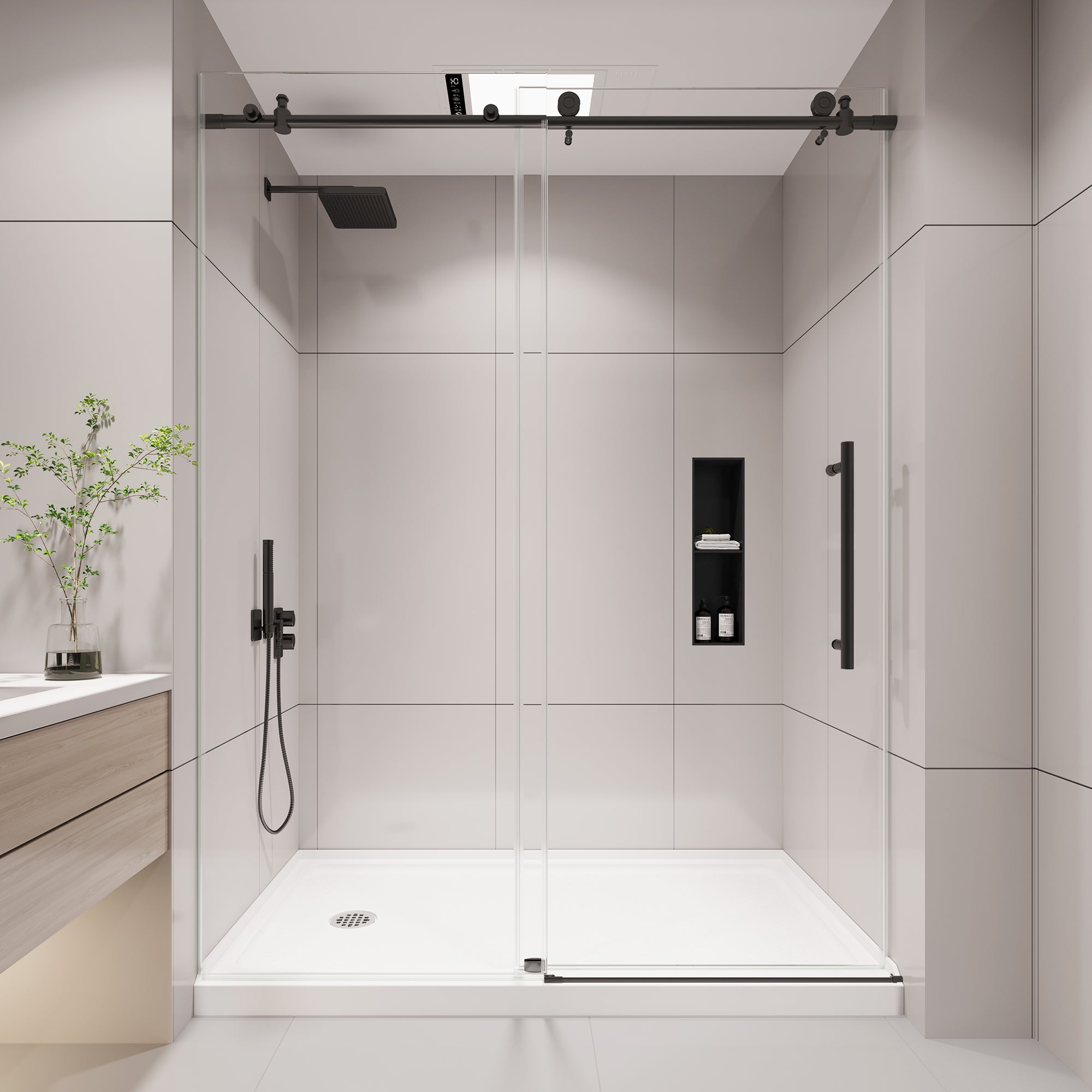
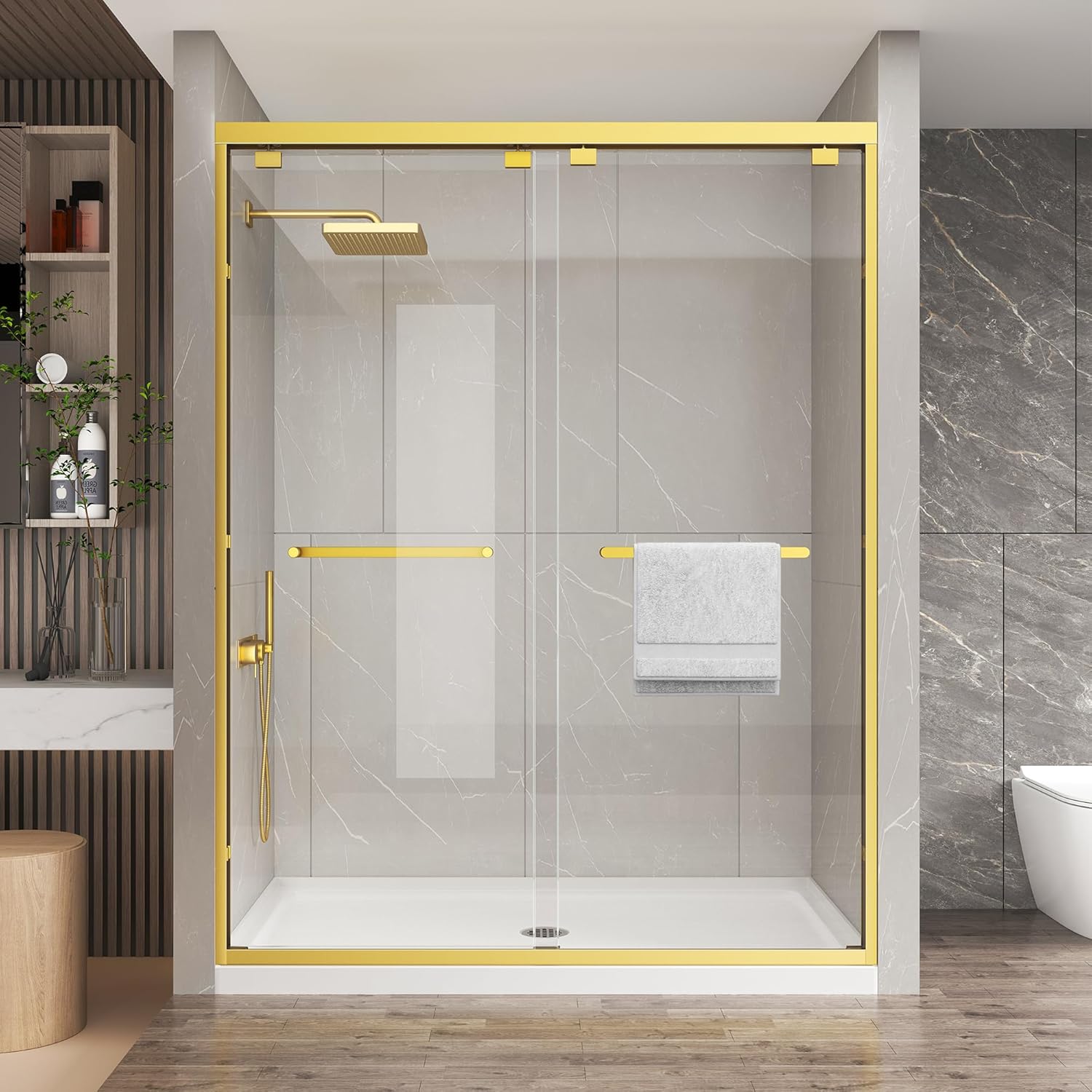
If water keeps running out from under your shower door, the problem is not always the glass, sweep, or silicone seal. In many bathrooms, the real issue is the shower door threshold slope. A flat curb, an outward-sloping threshold, or a crowned tile surface can send water toward the bathroom floor instead of back into the shower pan or drain.
A properly sloped threshold should guide water inward. If water pools near the door, sits on the curb, keeps the bottom sweep wet, or leaks onto the bathroom floor after normal shower use, the threshold slope needs to be checked. In many cases, the fix is not another bead of caulk. The shower curb, door sweep, glass alignment, or shower base may need to be corrected as one system.
Quick Answer: Does Your Shower Door Threshold Need Better Slope?
Your shower door threshold likely needs better slope if water sits on the curb, runs under the door sweep, leaks onto the bathroom floor, or stays trapped near the glass after a normal shower. A practical target is for the threshold to slope inward toward the shower area so water drains back into the pan instead of toward the outside floor.
For many shower curbs and tiled thresholds, a commonly used drainage target is about 1/4 inch per foot toward the shower interior. The exact detail depends on the shower base, curb material, waterproofing system, and local code requirements, but the direction is not optional: the threshold should not slope outward toward the bathroom.
| What You See | What It Usually Means | What to Check First |
|---|---|---|
| Water sits on the threshold | The curb may be flat or crowned | Check slope with a level and water test |
| Water runs onto the bathroom floor | The threshold may slope outward | Check if water flows away from the shower |
| Door sweep stays wet | The sweep may be trapping water against a poor curb angle | Inspect sweep contact and threshold pitch |
| Caulk keeps failing | Water may be sitting at the glass-to-curb joint | Check glass alignment and standing water |
| Soft floor near shower entry | There may be long-term leakage | Stop using the shower and inspect for water damage |
Why Shower Door Threshold Slope Matters
The threshold is a small part of the shower, but it plays a major role in water control. It sits directly under the glass door, door sweep, or fixed panel edge. If the threshold is pitched correctly, water runs back into the shower. If it is flat, crowned, or sloped outward, water can sit at the door edge and eventually escape.
A good shower threshold helps:
- Direct water inward: Water should return to the shower base, pan, or drain area.
- Support the door sweep: The bottom seal works better when the curb surface is predictable.
- Reduce standing water: Less water sitting at the glass edge means less stress on caulk, grout, and seals.
- Protect the bathroom floor: Repeated leakage near the entry can damage flooring, subfloor, and framing.
- Improve shower door performance: Frameless, semi-frameless, sliding, and pivot doors all depend on proper alignment and water direction.
If your shower has recurring puddles near the entry, you may also want to review whether the shower base itself is draining correctly. For related troubleshooting, read how to tell if water pooling on a shower base is a design problem.

Signs Your Shower Door Threshold Needs Better Slope
Use these signs to decide whether the threshold should be tested. One minor drip does not always mean the curb is wrong, but repeated water movement toward the bathroom floor is a clear warning sign.
- Water pools on the threshold after every shower: Standing water means the surface is not draining efficiently.
- Water runs under the door sweep: The sweep may be worn, but the threshold may also be sending water in the wrong direction.
- The bathroom floor gets wet near the shower entry: This often points to an outward slope, poor sweep contact, or both.
- Caulk or grout keeps failing near the door: Constant moisture at the curb joint can break down sealant faster.
- The bottom sweep is always saturated: A wet sweep can become misshapen, dirty, or ineffective over time.
- The glass does not sit evenly over the curb: Shims, uneven tile, or out-of-plumb walls may create gaps.
- There is discoloration or soft flooring outside the shower: This can indicate repeated leakage and should be inspected quickly.
If you see more than one of these issues, do not assume a new sweep will solve everything. Test the threshold slope before replacing parts.
How to Test Shower Threshold Slope
You can do a basic slope check with simple tools. You do not need to remove the shower door for the first inspection.
Tools You Need
- A small level or straightedge
- Tape measure
- A cup or spray bottle of water
- Towel
- Painter’s tape or a marker for noting wet areas
Step 1: Inspect the Threshold Dry
Start with the shower completely dry. Look at the threshold from inside and outside the shower. Check whether the top surface appears flat, tilted inward, tilted outward, or crowned in the middle.
Step 2: Check the Slope Direction
Place a small level or straightedge across the threshold from outside to inside. The inside edge should be lower than the outside edge so water moves back into the shower. If the level shows the curb is flat or sloping outward, the threshold likely needs correction.
Step 3: Run a Small Water Test
Pour a small amount of water along the inside edge of the threshold. Watch where it moves. If the water runs into the shower, the slope direction is working. If it sits in place, spreads sideways, or moves toward the bathroom floor, the threshold is not draining properly.
Step 4: Repeat the Test With the Door Closed
Close the shower door and repeat the water test. This helps reveal whether the bottom sweep, drip rail, glass alignment, or door gap is contributing to the leak.
Step 5: Check for Wall or Glass Alignment Issues
Out-of-plumb walls can force the glass into an uneven position over the curb. If the glass is not parallel to the threshold, the sweep may seal tightly on one side but leave a gap on the other.
Write down what you see. If water consistently moves outward or sits at the glass edge, the threshold slope is likely part of the problem.
Common Causes of Poor Threshold Slope
Threshold slope problems usually come from one of five issues: poor curb construction, tile installation errors, base movement, door misalignment, or an incompatible door-and-base combination.
Flat or Outward-Sloping Curb
A shower curb should not be flat or tilted toward the bathroom. If the top surface slopes outward, water will naturally follow gravity toward the floor outside the shower.
Crowned Tile or Stone Threshold
A crowned threshold is high in the middle and lower on both sides. This can cause water to split and run toward the bathroom instead of draining inward.
Uneven Shims Under the Glass
Frameless and semi-frameless doors may use shims or setting blocks. If the glass is shimmed unevenly, the bottom sweep may not contact the threshold consistently.
Incorrect Door Sweep or Drip Rail
A worn, undersized, or poorly fitted sweep can allow water to escape even if the curb slope is acceptable. However, replacing the sweep will not fix a curb that slopes outward.
Shower Base or Pan Drainage Problems
Sometimes the threshold is blamed when the real problem is poor shower base slope, incorrect drain location, or water sitting inside the pan. If water does not move toward the drain, the issue may involve the base itself.
If you are comparing base layouts, start with KPUY Shower Bases and check whether the size, drain location, and threshold design match your bathroom plan.
Practical Fixes for Threshold Slope Problems
The right fix depends on the cause. Some issues can be improved with sweep replacement or glass adjustment. Others require rebuilding the curb or replacing the threshold material.
Replace the Door Sweep
If the threshold slopes correctly but the sweep is torn, stiff, undersized, or misaligned, replacing the sweep may solve the leak. Match the sweep to the glass thickness and door style.
Adjust the Glass or Door Alignment
If the door is sagging, rubbing, or sealing unevenly, the hinges, rollers, clamps, or shims may need adjustment. This is common when the glass is heavy or the wall is not perfectly plumb.
Reset or Replace the Threshold
If the curb surface is flat, crowned, or sloped outward, the top of the threshold may need to be reset. This may involve removing tile or stone, rebuilding the slope, and restoring waterproofing.
Repair the Waterproofing System
If water has entered the curb, subfloor, or wall assembly, do not treat the issue as a surface leak. The waterproofing layer may need repair before the shower is used again.
Replace the Shower Base
If the shower base is incorrectly sized, poorly sloped, cracked, flexing, or incompatible with the door layout, replacement may be more practical than repeated repairs. Compact layouts may work better with square shower bases, while wider alcove layouts often fit rectangular shower bases.

How the Threshold, Door, and Shower Base Work Together
A shower leak near the door is rarely caused by one part alone. The threshold, door sweep, glass alignment, shower base, and drain location all work together. If one part is wrong, the others may not perform well.
Threshold and Shower Door
The threshold provides the surface that the sweep or drip rail works against. If the threshold slopes outward, even a new sweep may still allow water to escape. If the threshold is uneven, the sweep may seal in one area but leave a gap in another.
Threshold and Shower Base
The shower base should move water toward the drain. If the base slope is weak or the drain is poorly located, water may collect near the entry and overload the threshold area. For base layout planning, read left drain vs right drain shower base.
Threshold and Glass Door Type
Different shower door types handle water differently. Sliding doors use bottom guides or tracks, pivot doors rely on sweep contact and swing clearance, and fixed glass panels depend on splash control and panel placement.
- For alcove bathrooms, compare sliding shower doors.
- For swinging entry layouts, review pivot shower doors.
- For open walk-in layouts, browse fixed shower glass panels.
- For all layouts, start with the full KPUY Shower Doors collection.
Diagnosis Table: Symptom, Cause, and Fix
| Symptom | Likely Cause | Practical Fix |
|---|---|---|
| Water pools on top of the threshold | Flat or crowned curb surface | Check slope; reset or replace threshold if needed |
| Water runs outside the shower | Threshold slopes outward | Rebuild slope toward the shower interior |
| Water leaks under the door sweep | Worn sweep, poor contact, or wrong curb pitch | Replace sweep and verify slope direction |
| Caulk keeps cracking at the curb | Movement, standing water, or poor substrate | Inspect curb structure and waterproofing before resealing |
| Door gap is uneven | Out-of-plumb wall or misaligned glass | Adjust hinges, rollers, shims, or glass position |
| Bathroom floor feels soft near the shower | Possible long-term water damage | Stop using the shower and inspect subfloor/framing |
When to Replace the Shower Door or Shower Base
Not every threshold problem requires a full replacement. However, replacement becomes more reasonable when multiple parts are failing together.
Replace or Adjust the Shower Door If:
- The glass door no longer aligns with the threshold.
- The sweep cannot contact the curb evenly.
- The hinges, rollers, or bottom guides are worn.
- The door type does not match the shower opening or base layout.
If the base and threshold are sound but the door is the weak point, compare replacement options in the KPUY Shower Doors collection.
Replace the Shower Base If:
- The base flexes, cracks, or moves under foot.
- Water pools because the base slope is poorly designed.
- The threshold shape does not work with the door system.
- The drain location forces water to sit near the entry.
- The base size does not fit the finished opening correctly.
If the base is the root issue, compare shower bases by size, shape, and layout before replacing the door.
Frequently Asked Questions
How steep should a shower door threshold slope be?
A practical target is about 1/4 inch per foot sloping inward toward the shower. The most important rule is direction: the threshold should guide water back into the shower area, not toward the bathroom floor.
Can I fix shower threshold slope without removing tile?
Sometimes. If the issue is a worn sweep, minor glass misalignment, or poor door adjustment, the repair may not require tile removal. If the curb itself is flat, crowned, or sloped outward, the long-term fix usually requires resetting or replacing the threshold surface.
Is water on the shower threshold normal?
A small amount of water during shower use is normal, but standing water that remains after use or moves toward the bathroom floor is a problem. The threshold should not hold water for long periods.
Why does water leak under my frameless shower door?
Common causes include poor threshold slope, a worn bottom sweep, incorrect door alignment, out-of-plumb walls, or a shower base that allows water to collect near the entry. Frameless doors depend heavily on accurate alignment and proper slope.
Will replacing the shower door sweep stop the leak?
It may help if the sweep is damaged or undersized. However, if the threshold slopes outward or water pools near the door, a new sweep may only hide the problem temporarily.
Can a shower base cause threshold leaks?
Yes. If the shower base has poor slope, flexes, or places the drain too far from the water flow path, water may collect near the threshold and escape under the door.
Should I use caulk to fix a leaking threshold?
Caulk can seal small joints, but it should not be used as the main fix for incorrect slope. If water is moving the wrong direction, the threshold geometry needs to be corrected.
When should I call a contractor?
Call a contractor if you see soft flooring, recurring leaks, cracked tile, failed waterproofing, or signs of water damage. Threshold slope repairs can involve waterproofing, glass alignment, and drainage details that should be handled carefully.
Final Thoughts
If water regularly escapes from under your shower door, start by checking the threshold slope. The curb should guide water back into the shower, not hold it in place or send it toward the bathroom floor. A simple level check and water test can quickly show whether the slope is helping or hurting the system.
Do not treat every threshold leak as a sweep problem. The real cause may be a flat curb, outward slope, uneven glass alignment, poor shower base drainage, or a mismatch between the door and base. Fixing the right part is the difference between a dry bathroom floor and repeated caulk repairs.
If you are replacing parts of the system, compare compatible shower doors and shower bases before finalizing the layout. A properly matched door, threshold, and base will manage water better than any single part working alone.


Leave a comment
All comments are moderated before being published.
This site is protected by hCaptcha and the hCaptcha Privacy Policy and Terms of Service apply.