
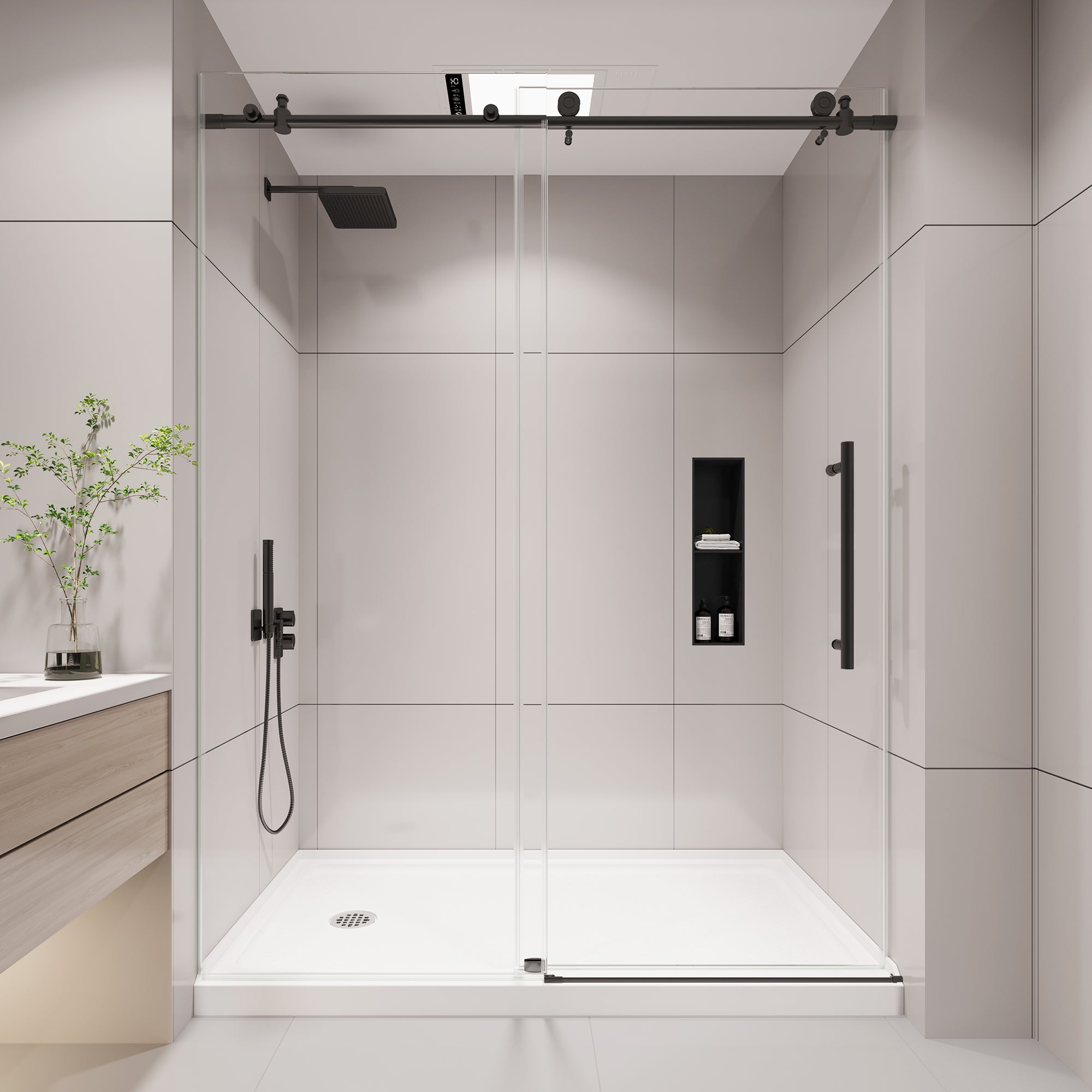
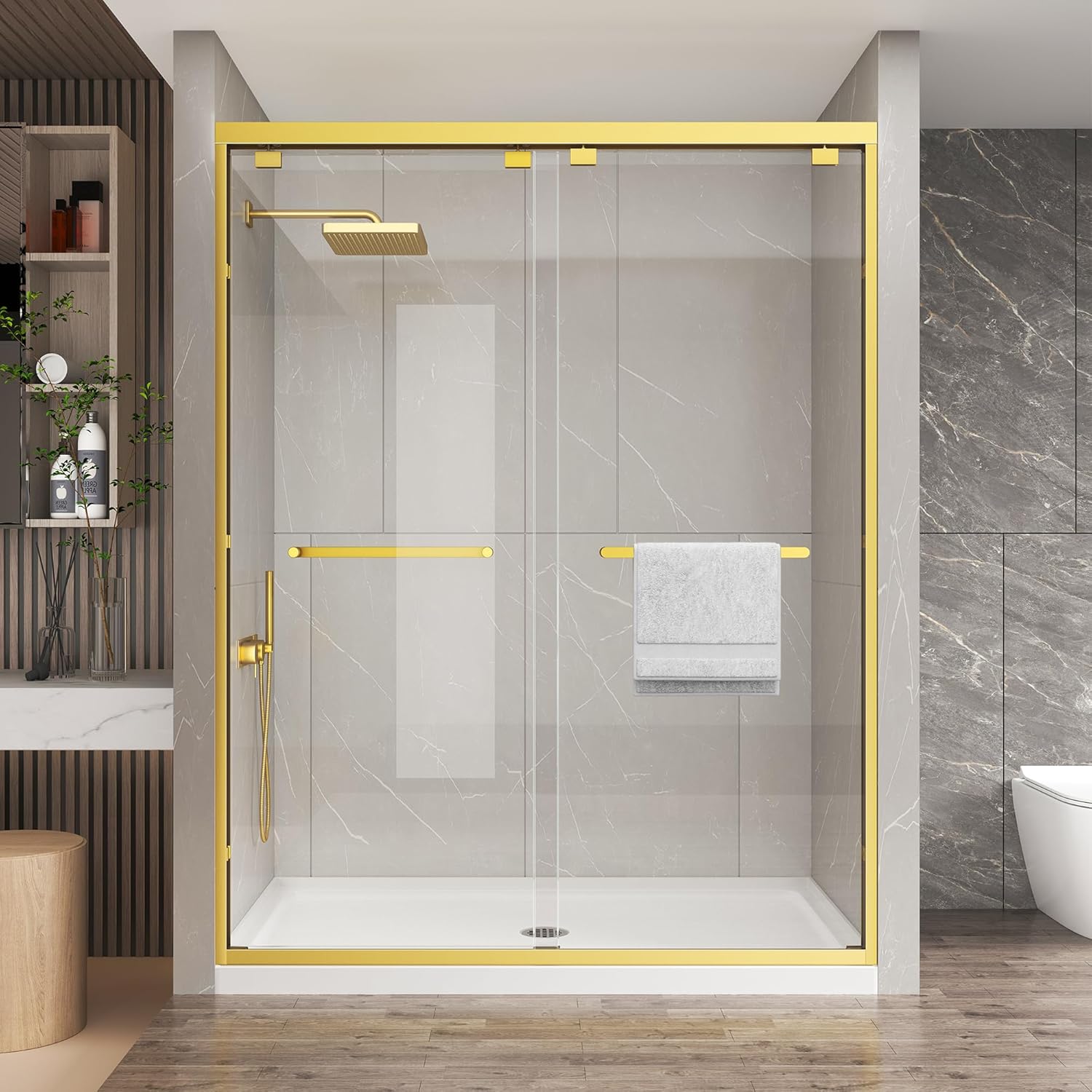
Converting a bathtub into a walk-in shower is one of the most cost-effective ways to modernize a bathroom in 2026 — homeowners want safer, lower-maintenance spaces and cleaner lines. But before you demo the tub, you need accurate measurements. Wrong numbers create expensive change orders: out-of-plumb walls that eat into glass door clearances, drain offsets that force a custom pan, or curb slopes that fail to shed water. I’ve been measuring and installing hundreds of conversions over two decades. Below I’ll give you the exact measurements to take, tolerances to allow for, and the on-site checks that save weeks of rework.
Quick Answer (Featured Snippet)
Short answer: Measure the alcove width (top, middle, bottom), depth from finished back wall to front face, wall heights at left/center/right, drain location from finished back wall and from side walls, door swing/clearance, and note framing/obstructions and finished floor elevation. Allow at least 1/4" to 3/8" total tolerance per side for out-of-plumb walls and tile thickness. Record every dimension on a sketch before ordering a pan, glass, or tile.

Tools & Prep
Bring the right tools. A sloppy measurement is the most common cause of delay. At minimum you need:
- 25' tape measure (retractable), with a second shorter rigid rule for accuracy.
- 4' level (or laser level) to check plumb and slope.
- Stud finder and small flashlight to inspect behind walls if a tile or drywall removal is planned.
- Notepad or phone camera for sketches and photos.
Prep the space: remove the tub trim, spout escutcheons, and any loose tile so you can measure to finished surfaces. If demo already happened, measure to the subfloor/floor plane and note finished floor height that will be installed.
Step-by-Step Measuring
- Sketch the layout first. Draw the alcove in plan and elevation. Label the wall you’re measuring as Back, Left, Right, and the threshold/front.
- Width measurements: Measure width at the top (near ceiling), at mid-wall (~40"-42" above floor), and at the tub rim/subfloor. Record three numbers — walls are rarely plumb. If the difference > 3/8", you’ll need to plan for shims, tapered jambs, or custom glass.
- Depth measurements: From the finished back wall to the front face of the tub flange or finished wall line. If tile is present, measure to the finished tile surface. If demo is complete, measure to the stud face and note tile/board build-up.
- Height measurements: Measure ceiling height at left, center, and right. Note any soffits, bulkheads, or sloped ceilings. Glass doors and panels need accurate verticals; short heads or beams affect hardware placement.
- Drain location: Measure from the finished back wall to the center of the drain and from the left wall to the center of the drain. Do not rely on memory or standard numbers — every house varies. If converting to a tile shower, locate floor joists and confirm you can access the drain below.
- Rough-in plumbing: Identify the height and location of the valve body rough-in on the wall (in inches from finished floor to center). If replacing valve types, confirm the new valve will fit inside the stud bay and note if relocation is needed.
- Threshold and subfloor: Check the subfloor condition and level of the front threshold. For curbless options, note step height and the slope you’ll need toward the drain (typically 1/4" per foot minimum for tile installations).
- Clearances and door swing: If you plan a swinging door, measure clearances for the door swing including towel bars, toilet, vanity. Sliding or bypass doors require track mounting details.
- Photos and labels: Take photos of every wall and the ceiling. Label each photo with the sketch reference for later fabrication or ordering.
Measurement Checklist (Table)
| Item | What to Measure | Acceptable Tolerance |
|---|---|---|
| Alcove Width | Top / Mid / Bottom widths (inches) | ± 1/4" per side; >3/8" requires remediation |
| Depth | Back wall to front face / rim | ± 1/4" |
| Wall Plumb | Out-of-plumb amount (inches over height) | Record actual; >1/2" needs shimming or framing |
| Drain Center | Distance from back wall & side wall (inches) | Exact to 1/8" for pan or tile base planning |
| Valve Rough-in | Height from finished floor & lateral location | ± 1/4" |
Field Tips & Real-World Problems
From two decades installing conversions across older homes, these are the mistakes I see most often:
- Out-of-plumb walls: Older houses often have walls that bow or lean. When a wall leans more than 3/8" over the shower height, glass panels won't fit without shims or tapered jambs. Measure three verticals and note the greatest variance.
- Hidden drain nuisances: The drain may not be centered the way you expect. I once measured a 1940s house where the tub drain was shifted 5" toward the center — that required a custom-authorized drain flange location for the new preformed base.
- Curb slope and waterproofing: Temporary level checks can hide crown or low spots. For tile pans, ensure the curb is angled to avoid pooling. Allow 1/4" per foot minimum slope; I commonly aim for 1/2" per foot where possible for better drainage.
- Glass size holdbacks: For framed or frameless glass, you must allow clearance for sealant and door hardware. I typically reserve 1/8" to 1/4" per vertical for sealant and tolerance, and specify 3/8" to 1/2" tempered glass depending on panel height and local code.

Glass, Doors & Clearance
Deciding between a full glass door, sliding unit, or a fixed panel affects measurements. For frameless doors you need precise flat and plumb walls and may require thicker tempered glass. A few industry notes:
- Tempered glass thickness: For shower panels under 72" tall, 3/8" tempered glass is common; for taller panels or doors with heavy hardware choose 1/2". Always confirm with your fabricator.
- Safety standards: Tempered glazing should meet ANSI Z97.1 or equivalent safety code. Ask your supplier for certification.
- Installation tolerance: Fabricators usually ask for final in-place measurements after finished walls and tile for cut-to-fit glass. Never order blind-cut glass to rough dimensions unless you accept a higher risk of mismatch.
If you plan a pre-formed shower base, it simplifies the drain alignment and slope but still requires exact drain center measurements. For a wider selection of preformed pans, see the Shower Bases collection.
Codes, Standards & Links
Permitting and code requirements vary by city. For design guidelines and layout recommendations consult the National Kitchen & Bath Association (NKBA) and your local building department. NKBA provides good planning resources for clearances and ergonomics: nkba.org. For plumbing and installation code reference the International Code Council resources at iccsafe.org.
FAQ (People Also Ask)
How do I know if my tub drain will work for a new shower pan?
Measure from the finished back wall to the center of the drain and compare to the drain center of the replacement pan. If the centers match within 1/8"–1/4", most pans will work with a standard flange adapter. If not, expect to patch and cut the subfloor to move the drain or order a custom pan. Always check site access below for old homes where the joist layout may restrict work.
What tolerance should I leave for out-of-plumb walls when ordering glass?
Record the out-of-plumb amount across the height. For most frameless systems allow at least 1/8" to 1/4" per side for adjustment. If walls are out more than 3/8", plan on shims, framing, or a custom return profile; do not try to force a tight glass fit — it will stress and fail over time.
Can I measure before tile is installed?
You can, but be explicit about what your numbers represent. If you measure to the stud or drywall, note the expected tile or backer build-up (usually 1/4"–1/2" for backer + tile thickness). For glass and final pan fit, most fabricators will request a final measurement after tile is set to avoid costly errors.
Wrap Up
Accurate measurements prevent most problems in a tub-to-shower conversion. Take multiple widths/heights, document the drain and valve locations precisely, and note out-of-plumb conditions. When in doubt, take photos and one extra measurement — it’s cheaper to double-check on the front end than to re-cut glass or reframe a drain after installation.
If you’re planning a simple swap with a preformed pan, check the available sizes and drain locations in the Shower Bases collection before finalizing your sketch. For code guidance and design best practices, visit NKBA and ICC (links above).

Leave a comment
All comments are moderated before being published.
This site is protected by hCaptcha and the hCaptcha Privacy Policy and Terms of Service apply.