
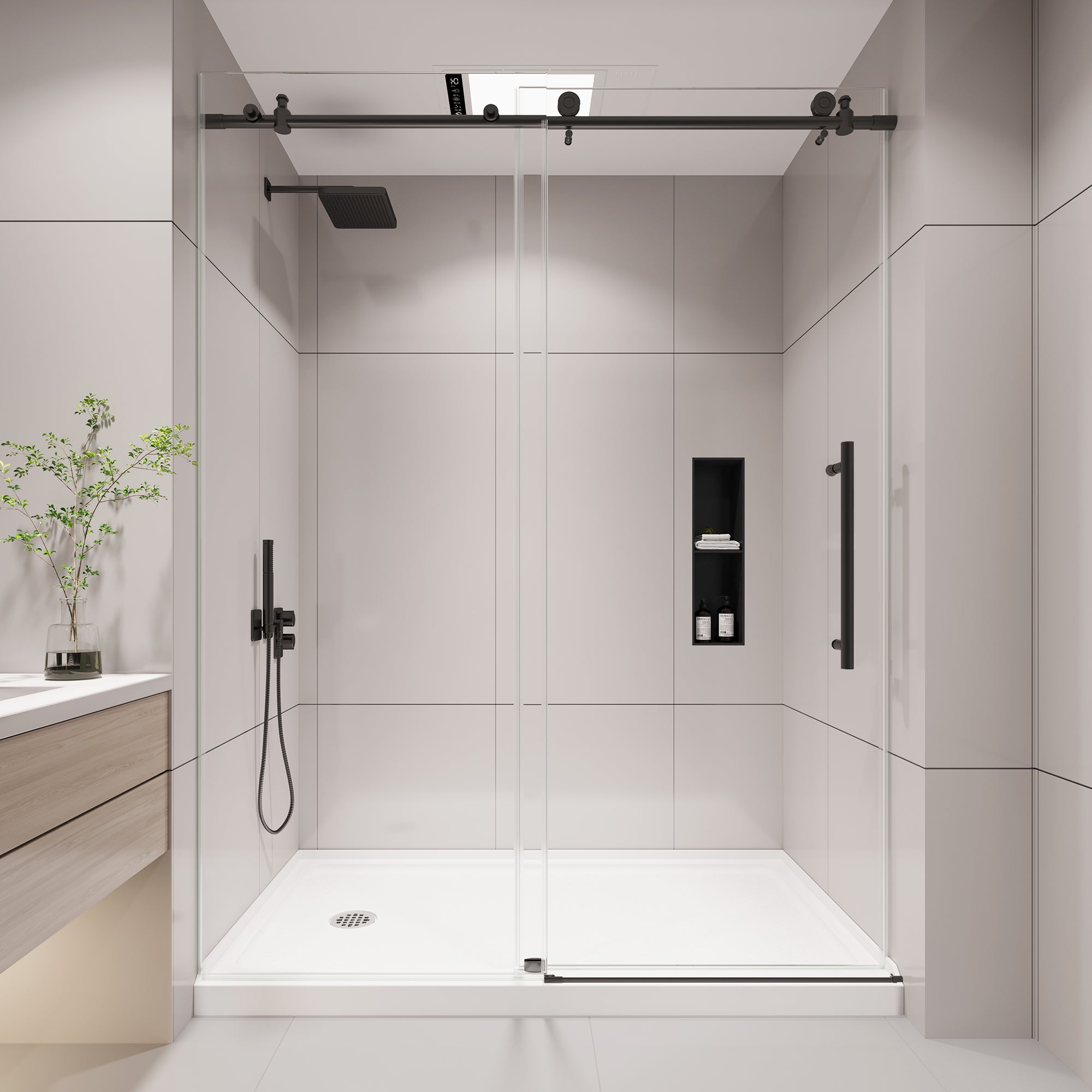
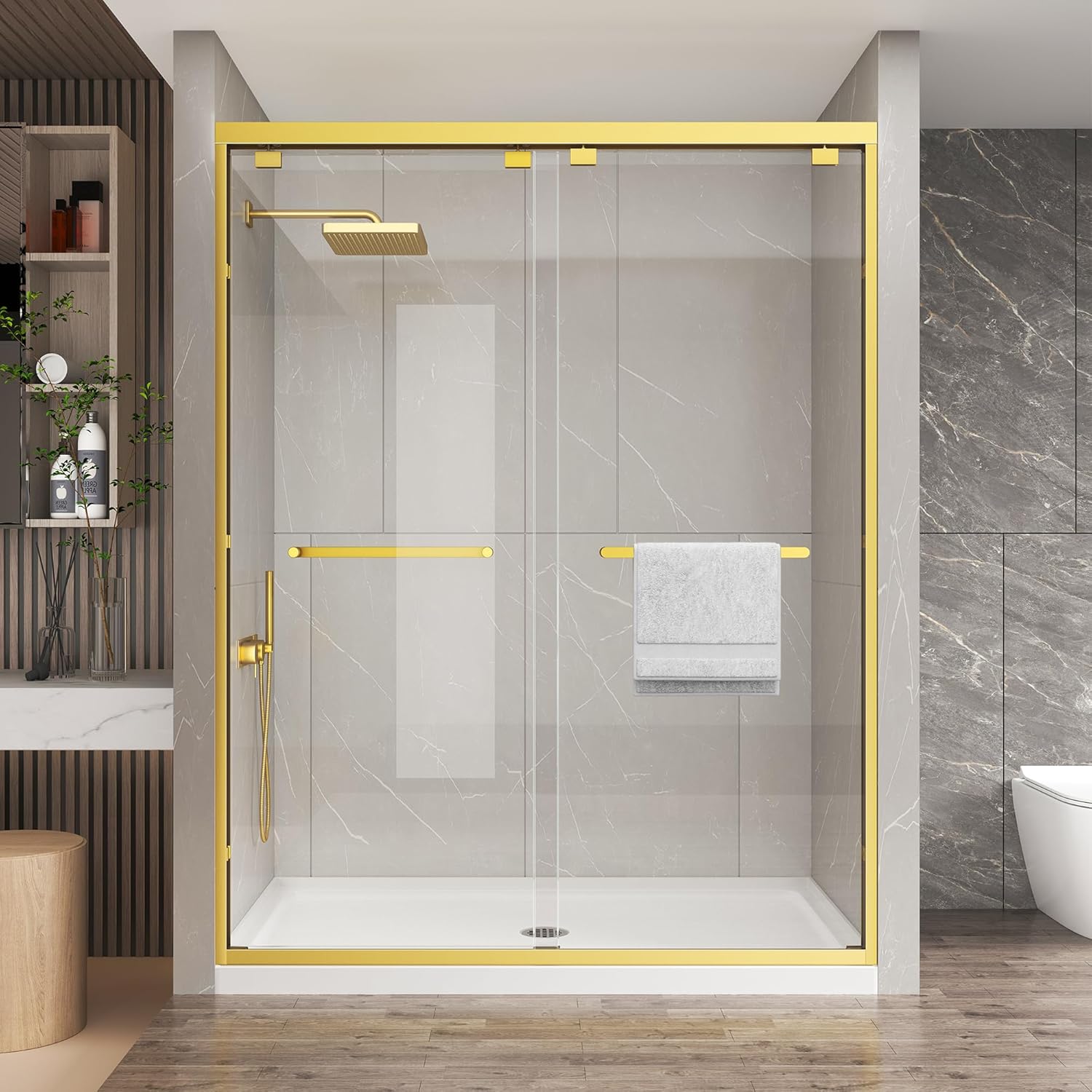
Choosing the right shower door starts with the layout, not the look. A shower door that works beautifully in one bathroom may feel awkward in another if the opening is too narrow, the swing path is blocked, or the space needs better splash control. Before comparing finishes or styles, it is more useful to understand how your bathroom is arranged and how the shower entry will function every day.
In most remodels, the best choice comes down to a few practical questions. How wide is the opening? Is there enough clearance for a swinging door? Is the shower placed in an alcove, a corner, or a more open walk-in layout? Do you want the room to feel more open, or is water containment the bigger priority? Once these basics are clear, it becomes much easier to compare different shower door options with confidence.

Quick Answer
If your bathroom has limited front clearance, a sliding shower door is often the most practical choice. If you want a cleaner and more open look, a frameless design is usually the better fit. For narrower openings where the swing path works, a pivot door can be a strong option. In walk-in layouts, a fixed glass panel can keep the room feeling open while still helping manage splash.
On this page
Start with your bathroom layout
The layout should always come before the style. A shower door works as part of the room, not as a standalone product. That means the surrounding walls, the distance to the vanity or toilet, the shower base shape, and the way people move through the bathroom all matter.
The most common bathroom layouts usually fall into a few categories, and each one changes what kind of shower door makes the most sense.
Alcove shower
An alcove shower sits between three walls with one open side for the door. This is one of the most common residential layouts. It often works well with sliding shower doors or certain pivot shower doors, depending on the opening width and the available clearance in front of the enclosure.
Corner shower
Corner layouts are common in smaller bathrooms or guest bathrooms. These spaces usually need a solution that keeps the room feeling open without creating awkward entry issues. In many cases, a pivot design or a carefully planned glass panel layout can work well here.
Walk-in shower
Walk-in shower layouts often prioritize openness and visual simplicity. These designs may use fixed glass panels rather than a fully enclosed door system, especially when splash control can still be managed through panel width and placement.
Narrow bathroom layout
A narrow bathroom changes the decision-making process. In these spaces, every inch matters. A door that swings outward may create traffic problems, while a sliding structure may preserve movement through the room more effectively.

Match the door type to the space
Once the layout is clear, the next step is choosing the door type that fits the space best. The right answer depends on how you enter the shower, how much room the bathroom has in front of the opening, and how open or enclosed you want the space to feel.
| Shower door type | Best for | Main advantage | What to check first |
|---|---|---|---|
| Sliding shower doors | Bathrooms with limited front clearance | Saves space because panels slide instead of swinging outward | Opening width and track fit |
| Frameless shower doors | Remodels that want a cleaner, more open look | Modern appearance with less visual weight | Layout fit, glass style, and maintenance expectations |
| Pivot shower doors | Openings where swing clearance works | Straightforward entry with a clean operation | Door swing path |
| Fixed glass panels | Walk-in showers and open layouts | Minimal look and strong visual openness | Splash control and panel width |
Sliding shower doors
Sliding shower doors are often the most practical option when front clearance is limited. Because the door panels move along a track rather than swinging out, they work especially well in bathrooms where the toilet, vanity, or walkway sits close to the shower entrance. If your layout has tighter circulation, it makes sense to compare sliding shower door styles first.
Frameless shower doors
Frameless shower doors are often chosen for their cleaner and more open appearance. They can make the bathroom feel visually lighter, especially when paired with clear glass and simple hardware. In many remodels, they are the style that best supports a modern look without making the room feel crowded.
Pivot shower doors
Pivot shower doors can work well when the opening is narrower and there is enough room for the door swing. In the right bathroom, this can be a clean and simple solution. In the wrong bathroom, it quickly becomes inconvenient, so always check how the swing path interacts with nearby fixtures before choosing this style.
Fixed glass panels
Fixed glass panels are often used in more open, walk-in style bathrooms. They are especially appealing when the goal is to keep the room feeling open while still providing a practical shower barrier. This style depends heavily on layout planning, because splash control comes from panel size, placement, and shower position rather than from a closing door.

Measure the opening before you choose a style
Before comparing finishes or hardware, measure the shower opening correctly. Many homeowners only measure the most obvious width and stop there, but that often creates problems later when the selected door does not fit the actual layout or requires more clearance than expected.
At a minimum, you should check:
- the width of the shower opening
- the total wall-to-wall installation width
- the amount of front clearance available
- whether the threshold or shower base affects placement
- whether a swinging door would hit nearby fixtures
If the opening is wider and the room in front of the shower is tight, a sliding design often makes more sense. If the opening is smaller but the surrounding area allows the door to swing, a pivot option may still work. If the goal is a walk-in feel, then the opening should be evaluated together with splash control rather than enclosure alone.
After measuring, it is easier to compare realistic options inside a broader glass shower door collection instead of relying only on photos.

Think about glass style and everyday use
Clear glass remains one of the most popular choices because it helps the bathroom feel open and allows tile, wall finish, and lighting to stay visible. That makes it a strong fit for modern bathrooms and smaller spaces where visual openness matters.
At the same time, appearance is only part of the decision. Daily use matters just as much. Think about how often the shower will be used, how much splash control you need, and whether easier maintenance is a priority. A layout that works for a guest bathroom may not be the best fit for a busy primary bathroom used every day.
This is also where a broader shower door collection can help. Seeing multiple layouts, hardware styles, and glass configurations together often makes it easier to compare practical fit rather than only appearance.
Compare finish, style, and maintenance
Once the layout and door type are narrowed down, finish becomes easier to choose. Matte black, brushed nickel, and chrome can all work well, but they create different visual effects in the bathroom.
- Matte black often creates a stronger, more defined contrast.
- Brushed nickel usually feels softer and more understated.
- Chrome tends to look brighter and more reflective.
Finish choice also affects upkeep. Some homeowners prefer a finish that blends more easily with existing bathroom hardware, while others want a stronger design statement. If finish is a major part of your remodel, comparing black shower doors with more neutral styles can help narrow the decision.


Real-world bathroom scenarios
It helps to think beyond product names and imagine how the shower will work in a real remodel.
Small guest bathroom
A sliding or carefully chosen pivot door may be more practical here, depending on how much room is available in front of the shower opening.
Open primary bathroom
A frameless look or fixed glass panel setup may support a cleaner visual flow, especially if the room already has a modern design direction.
Busy family bathroom
Water containment, ease of entry, and easy-clean surfaces may matter more than choosing the most minimal-looking style.
Walk-in remodel
A fixed panel can create a more open look, but the layout has to be planned carefully so splash control still works well in daily use.
A simple buying checklist before you choose
Before ordering a shower door, it helps to run through a final checklist so the decision is based on fit, not guesswork.
- Measure the opening width carefully
- Check whether you have front clearance for a swinging door
- Identify whether the layout is alcove, corner, walk-in, or narrow
- Decide whether visual openness or stronger water containment matters more
- Compare sliding, frameless, pivot, and panel options based on the room
- Choose a finish that works with the rest of the bathroom hardware
- Review installation details before buying online
Common mistakes to avoid
Many buying mistakes happen when the door is chosen before the layout is fully understood. These are some of the most common problems homeowners run into:
- choosing a swinging door without checking the swing path
- focusing on style before measuring the opening
- assuming every frameless design works in every layout
- forgetting to compare the shower base or threshold setup
- choosing a finish that clashes with the rest of the bathroom hardware
Explore related shower door collections
If you already know your layout, these collections can help you narrow the right direction faster.
- Shower Door — a broad starting point for comparing styles and layouts
- Sliding Shower Doors — ideal when front clearance is limited
- Frameless Shower Doors — a clean and visually open option
- Pivot Shower Doors — useful when swing clearance works in the space
- Shower Glass Panels — a practical option for walk-in layouts
- Glass Shower Doors — compare clear glass looks across different styles
Frequently asked questions
What type of shower door is best for a small bathroom?
In many small bathrooms, a sliding shower door is the easiest option because it does not need outward swing clearance. In some layouts, a pivot door can also work well if the swing path does not interfere with nearby fixtures.
Are frameless shower doors better than sliding shower doors?
Neither option is automatically better. Frameless shower doors are often chosen for a cleaner and more open look, while sliding shower doors are often more practical when the bathroom has limited front clearance.
How do I know if I need a pivot door or a sliding door?
The best way to decide is to measure the opening and check the surrounding clearance. If a swinging door would block movement in the bathroom, a sliding shower door is usually the safer choice.
Do fixed glass panels work well for everyday showers?
They can work very well in the right layout, especially in walk-in shower designs. The key is making sure the panel width, shower head placement, and bathroom layout still provide enough splash control for daily use.
Should I choose the finish before the layout?
No. Layout should come first, then door type, then finish. Once the practical fit is solved, it becomes much easier to choose between matte black, brushed nickel, chrome, or other finish options.
Final thoughts
The right shower door should fit the bathroom the way it is actually used, not just the way it looks in a product photo. When the layout, opening width, and daily needs are understood first, the decision becomes more practical and the result usually feels better long after the remodel is finished.
If you are still comparing styles, start with the full shower door collection and then narrow down the best fit by space, entry type, and finish.

Leave a comment
All comments are moderated before being published.
This site is protected by hCaptcha and the hCaptcha Privacy Policy and Terms of Service apply.