
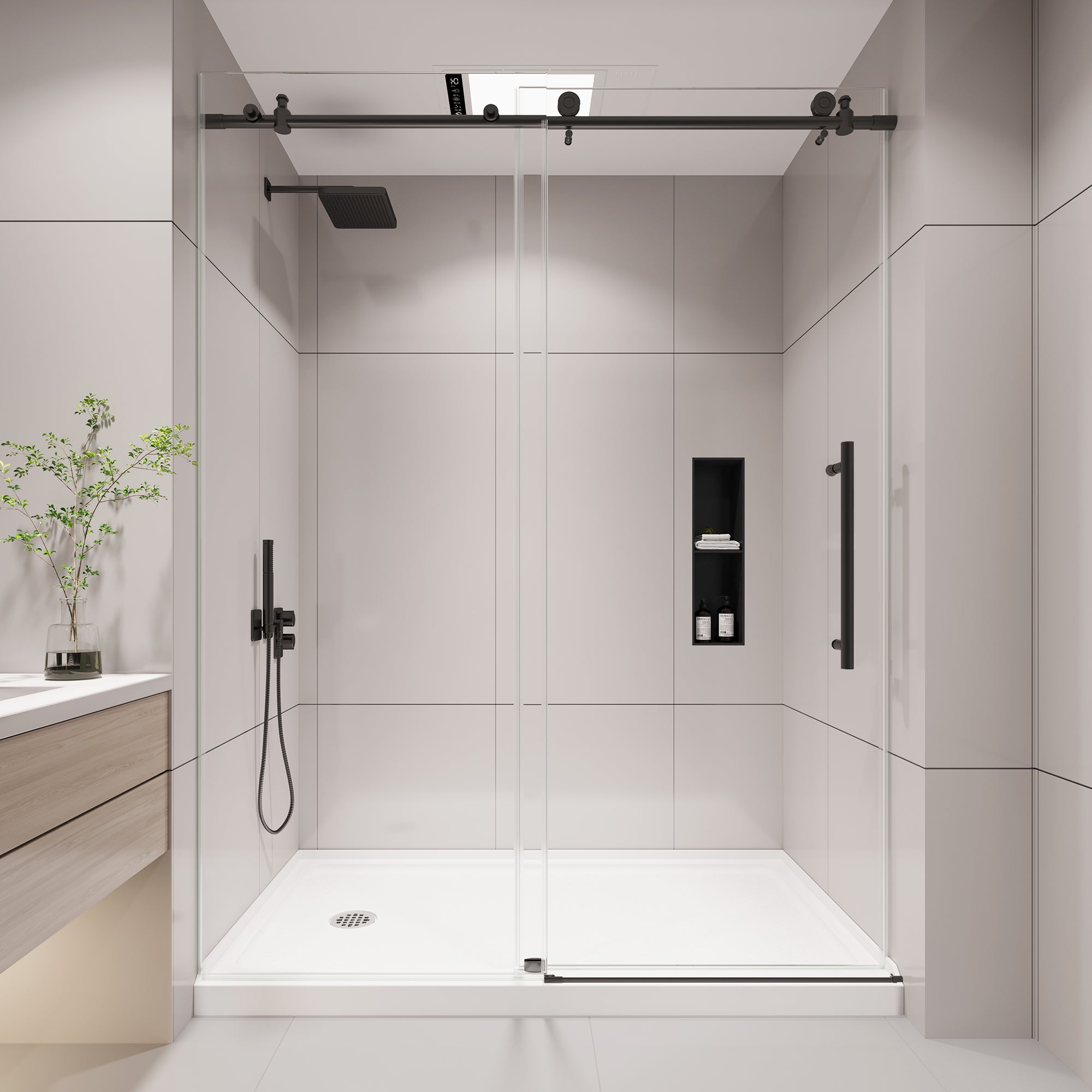
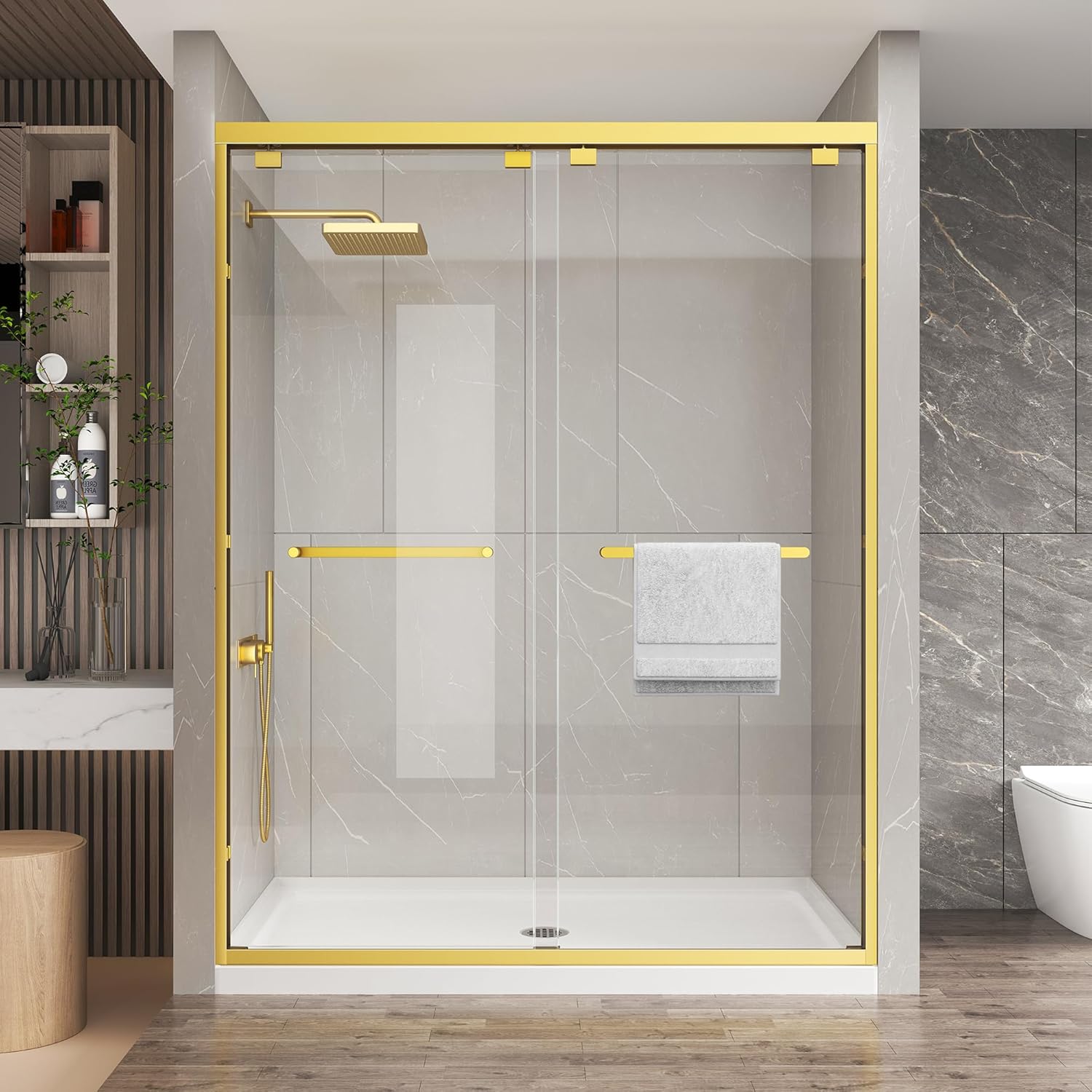
Picking the right rectangular shower base is one of the single biggest decisions that affects function, waterproofing, and long-term value in a bathroom remodel. Homeowners in 2026 want accessible design, easier maintenance, and durable materials that stand up to heavier use — but they also need solutions that match real-world site conditions like out-of-plumb walls and non-level floors. I’ve been setting drains, shimming curbs, and troubleshooting glass clearance for over 20 years. Below I’ll walk you through how to choose the right rectangular shower base so the install goes smoothly and the finished shower performs for decades.
Quick answer: How to choose the right rectangular shower base
Short, direct answer suitable for quick reads: Match the base to your finished shower footprint and rough-in drain location, choose a material that fits your budget and usage (acrylic/ABS for economy, solid surface or tile-ready systems for high durability), confirm the base provides a minimum slope of 1/4" per foot to the drain, and allow for installation tolerances caused by out-of-plumb walls. Order the base only after measuring finished wall surfaces and confirming door clearance with the planned glass thickness.

Measurements and rough-in: what to measure and why it matters
Measure twice, order once. A rectangular shower base must match both the finished tile/wall plane and the rough-in plumbing. Here’s what I measure on every job before recommending or ordering a base:
- Finished opening dimensions — inside face of finished wall to finished wall (not studs). You need the actual clear opening where the base will sit.
- Deck height and threshold — finished floor to top of threshold; this affects curb height and whether a curbless approach is possible.
- Drain location and pipe size — is the drain centered, offset, or in a corner? Is the trap 1-1/2" or 2"? Confirm before buying.
- Wall plumb — use a 6-foot level. Walls can be out-of-plumb up to 3/8" or more; this will dictate whether to use packers, flexible caulk joints, or shim the base.
- Door swing and glass panel clearance — account for glass thickness (3/8" vs 1/2") and door hardware; even 1/8" can make a difference on small openings.
Real job note: I recently remediated a 1960s bathroom where the north wall was 5/8" out-of-plumb over 6 feet. We had to order a tile-ready rectangular base with extra flange clearance and plan for a tall shim pack behind the glass channel. If you’re remodeling an older house, expect surprises.
Materials, thickness, and durability
Rectangular shower bases come in four common material families. Your choice impacts weight, warranty, slip resistance, and how the base is installed.
- Acrylic/ABS — lightweight, economical, easy to replace. Typical thickness 3/16"–1/4". Heat-weldable, but can flex if not fully supported.
- Cultured marble/Resin — heavier, better surface hardness, common warranties 10–25 years. Often thicker 1/2"–3/4".
- Solid surface (corian-style) — repairable surface, consistent color through material, heavier but very durable.
- Tile-ready or prefabricated mortar pans — allow tile finishes; built on a shower pan base or installed over a pre-sloped mortar bed. Requires skilled waterproofing.
Glass and door clearance: If you're pairing the rectangular base with a frameless shower door, plan for tempered glass thickness of 3/8" (10 mm) or 1/2" (12 mm). Tempered glass must meet safety standards (see ANSI and industry guidance). The glass thickness affects hinge and channel selection, and you must allow clearance to avoid contact with tile or the top edge of the base.

Drain location and plumbing notes
Drain position is not negotiable once the subfloor and framing are set. Before you pick a rectangular base, confirm:
- Whether the base requires a center drain, offset drain, or corner drain.
- Truck clearances under the subfloor — some older homes have obstructing framing or a low-lying beam that prevents a center drain without rerouting.
- Pipe diameter — modern practice favors a 2-inch trap for showers, but older installations may use 1-1/2".
Installer tip: If the drain is off by more than 1/4", you’ll either need to adjust the subfloor, use an extension kit provided by the manufacturer, or select a different base. Never try to force a base over a drain unless the manufacturer’s installation instructions allow it.
Installation considerations & tolerances
How a base is installed is just as important as which one you pick. Here are practical things contractors check on site:
- Full mortar bed vs manufacturer legs: Some bases are designed to sit on a full dry-pack mortar bed for support and plumbing protection; others have adjustable legs or a factory-built support system.
- Slope to drain: The finished shower floor or pan must slope roughly 1/4" per foot toward the drain. Tile-ready systems require a properly formed mortar slope prior to tile.
- Wall tolerance: Expect walls to be out-of-plumb. Standard practice is to allow up to 3/8" adjustment using packers or tapered shims; anything beyond that requires corrective framing.
- Threshold slope: Ensure the curb has a slight slope away from the shower (to avoid water pooling at the entrance), but not so much that it creates a trip hazard.
- Waterproofing interface: The flange must integrate with your wall waterproofing—use a licensed system and follow the manufacturer’s instructions.
Field experience: On retrofit jobs I often find the stud depth and tile thickness difference between walls. For example, switching from 1/4" tile backer to 1/2" cement board changes the finished opening by 1/4", which affects both base fit and glass clearance. Account for finishing materials before final ordering.
Materials comparison table
| Material | Typical Thickness | Pros | Cons |
|---|---|---|---|
| Acrylic/ABS | 3/16"–1/4" | Lightweight, affordable, easy to replace | Can flex if not fully supported; surface scratches |
| Cultured Marble | 1/2"–3/4" | Stiffer, durable surface, good warranty options | Heavier; requires careful handling |
| Solid Surface | 1/2"–3/4" | Repairable, uniform color through material | Costlier; heavier install |
| Tile-Ready Mortar Pan | Varies (built up on site) | Customizable finish; excellent longevity if done right | Labor-intensive; needs expert waterproofing |
Step-by-step selection checklist (contractor-tested)
- Measure finished opening (width, depth, finished floor to ceiling) and record wall plumb at three points.
- Confirm drain location and pipe diameter under subfloor.
- Decide material based on traffic, budget, and finish (tile-ready if you want tile floor).
- Check manufacturer’s installation tolerances and warranty conditions.
- Confirm door or glass clearance for selected glass thickness.
- Order the base and schedule install only after plumbing rough-in and wall substrates are confirmed.
Maintenance, slip resistance, and accessibility
Long-term maintenance is often overlooked when choosing a base. Consider these points:
- Slip resistance: Look for textured surfaces or add non-slip mats. Slip ratings (COF) may be listed by manufacturers.
- Cleaning: Solid surfaces and acrylic are easier to keep free of grout lines; tile pans require grout maintenance.
- Accessibility: For aging-in-place or ADA-style accessibility, consider low-threshold or ADA-compliant bases and curbless options. Check local codes and the NKBA guidance for accessible design where relevant.
For industry guidance on kitchen and bath accessibility and design standards, see the National Kitchen & Bath Association resources at NKBA.org. For building code plumbing specifics and updated code references, refer to the International Code Council at ICCSafe.org.
FAQ
How do I know if my shower drain will line up with a new rectangular base?
Measure the finished drain center from two fixed reference points (two walls or a wall and a doorway) and compare to the base template before ordering. If the drain is off by more than the manufacturer’s tolerance (usually noted in the template), either relocate the drain or choose a different base option.
Can I install a rectangular base on an uneven floor?
Yes, but it depends on the base type. Many bases require a full mortar bed to create a flat, supported surface. Others include adjustable legs or manufacturer-approved bedding materials. If the floor slope exceeds 1/4" per foot beyond what the base can accommodate, level the subfloor or use a custom mortar bed.
What thickness of tempered glass should I plan for with a rectangular base?
For most frameless installations, 3/8" (10 mm) tempered glass is common; higher-end or large-panel doors often use 1/2" (12 mm). Tempered glass must meet safety glazing standards and typically complies with ANSI Z97.1. Confirm hinge and channel hardware ratings for the glass thickness you choose and allow a 1/8"–1/4" clearance for adjustment.
Final notes and next steps
Choosing the right rectangular shower base means balancing field conditions with material performance. Always verify rough-in plumbing and finished wall planes before ordering, and insist on following the manufacturer’s installation instructions — they’re part of the warranty. If you’re pairing a base with a frameless door, account for glass thickness and leave proper clearances; incorrect assumptions about plumb or clearance are the most common source of callbacks.
Want to see options that fit common retrofit and new-construction needs? Check available styles and sizes at Shower Bases. I typically review the base template and the final glass elevation with the homeowner before ordering to avoid surprises.
Remember: Measurement, support, and integration with waterproofing and glass are what make a rectangular shower base work for the long haul. If you have site measurements and photos, a contractor can vet products and recommend the correct pan and drain configuration to avoid rework.

Leave a comment
All comments are moderated before being published.
This site is protected by hCaptcha and the hCaptcha Privacy Policy and Terms of Service apply.