
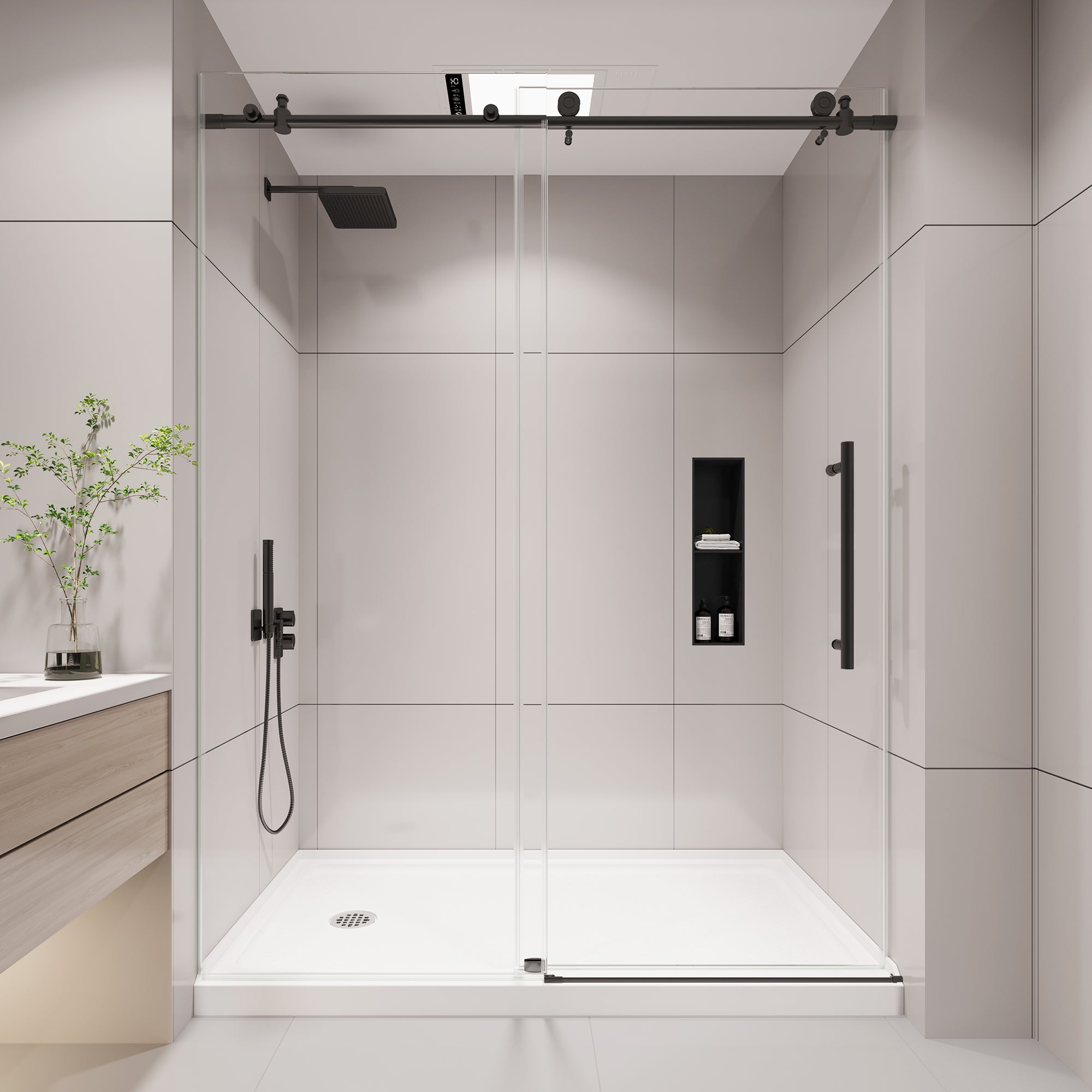
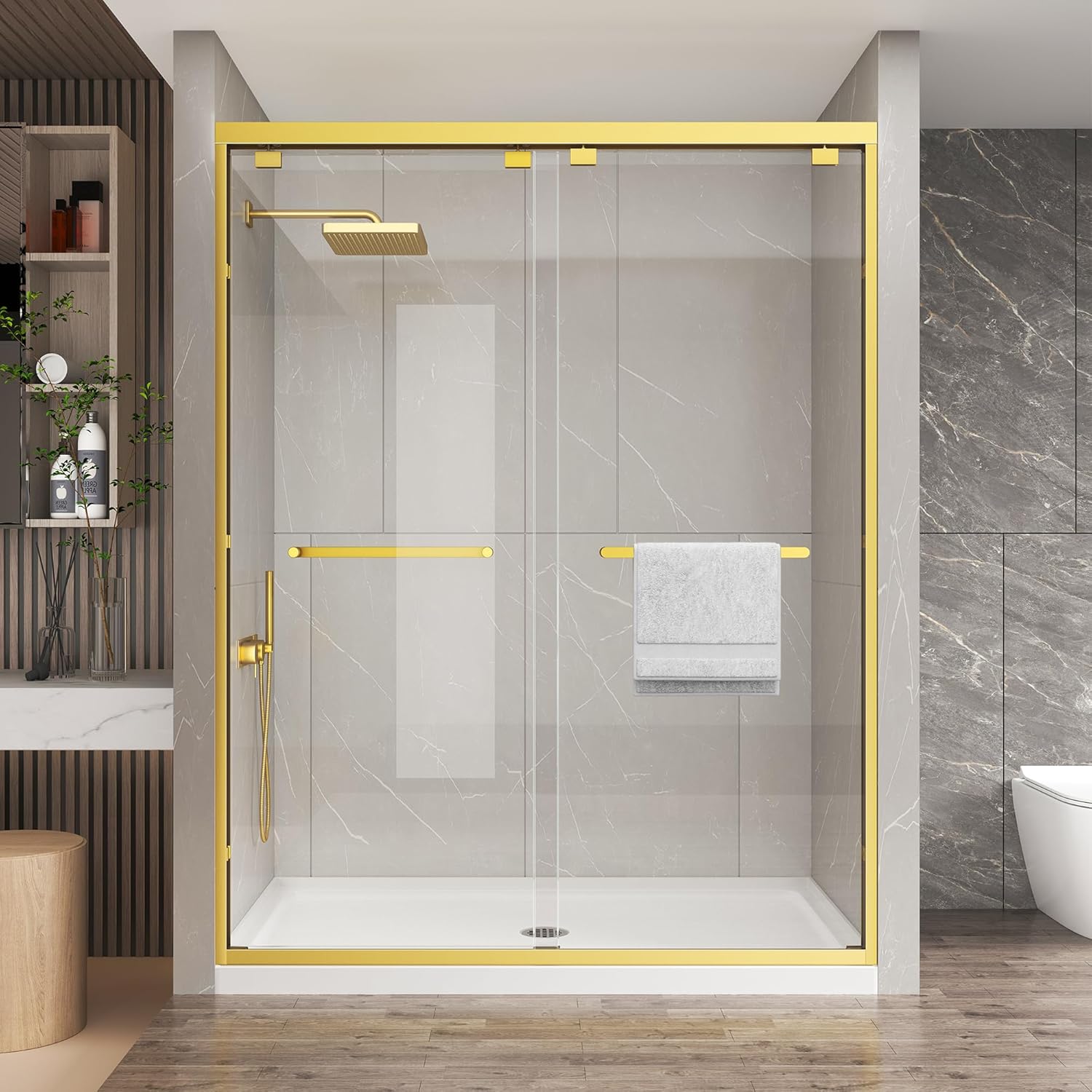
In a clean minimalist bathroom, the shower door should disappear into the room instead of fighting it. That usually means a pivot door with slim hardware, clear sight lines, and an opening that fits the room layout without crowding the vanity, toilet, or towel space. The best choice is the one that matches the finished opening, wall condition, and door swing clearance before tile is set and glass is ordered.
The Short Answer
A pivot shower door is a good choice for a clean minimalist bathroom if you have enough swing clearance and a finished opening that is measured accurately at the top, middle, and bottom. It works well in alcove and corner layouts where you want a simple glass look, limited hardware, and easy entry. If nearby fixtures are tight, measure carefully before you commit.
Why a Pivot Door Fits Minimalist Bathrooms
A minimalist bathroom usually depends on straight lines, reduced visual clutter, and finishes that do not compete with the tile or fixtures. A pivot shower door supports that look because it can use a single swing path, a restrained handle set, and less hardware than some framed systems. The result is a cleaner view from the main bathroom area.
That said, minimalism should not come at the expense of function. A pivot door needs room to open, and the door swing must stay clear of a toilet, vanity, linen cabinet, or heated towel accessory. In a tight bath, the room can look open on paper and still feel cramped in use. A door that opens beautifully into the shower area on a plan may still block the bathroom path once the tile, trim, and base are installed.
For a homeowner planning a remodel, the first question is not style. It is fit. Start with the finished opening, not the old product label. If the wall surface is changing, measure after tile thickness is known. If the shower base is being replaced, account for curb height and any slope changes that affect the bottom reveal.
For shoppers comparing door families, the Pivot Shower Doors collection is the most relevant starting point for this layout style. For broader shower door planning, the same opening and clearance rules apply across the shower door category, but the pivot swing makes room geometry especially important.
Measure the Finished Opening First
Older homes often have walls that are not perfectly plumb. That matters more than most people expect. A shower opening may measure differently at the top, middle, and bottom by a noticeable amount, especially after demo reveals framing repairs, tile buildup, or a wall that has leaned over time. If you measure only once across one line, you can miss the real fit condition.
Use finished dimensions, not rough framing, unless the project is still at the framing stage. For a remodel with new tile and a new base, measure after the substrate and tile plans are known. Tile thickness, backer board, and wall finish can change the final opening width enough to affect hinges, seals, and door alignment.
| Planning Item | Why It Matters for a Pivot Door | What to Check |
|---|---|---|
| Top, middle, and bottom width | Shows whether walls are out of plumb or tapering | Record all three widths after finish surfaces are set |
| Door swing clearance | Prevents the door from hitting a toilet, vanity, or wall edge | Map the swing path in the actual room |
| Threshold height | Affects water containment and stepping comfort | Confirm the curb or base edge works with the door seal |
| Wall support | Hinges need solid anchoring | Locate studs and verify backing where fasteners land |
| Hardware clearance | Handles and hinges need room to operate | Check tile edges, niches, and adjacent trim |
Take three width measurements: top, middle, and bottom. Then measure height at both ends and, if possible, along the wall line where the glass will sit. This helps identify whether the opening is square enough for a pivot setup or whether a small adjustment in hinge placement or panel configuration is needed.
If the shower base is also being replaced, drain location planning should happen before glass ordering. A base can fit the room footprint and still put the drain in the wrong place for the chosen shower floor. That issue is common in remodels where the original plumbing was built around a different enclosure size.
Jobsite reality: a drain that looks centered from above may not align with the new base once the walls are squared, the curb is rebuilt, and the finished tile thickness is added. It is better to verify the drain against the base drawing than to rely on the old shower footprint.
For plumbing and safety context, it is smart to cross-check local requirements and general guidance from sources like IAPMO and CPSC when your project affects drainage, glass safety, or remodel sequencing.

Pivot vs. Other Shower Door Types
A pivot door is not automatically better than a sliding or fixed-panel layout. The right choice depends on how much room you have in front of the shower and how open you want the bathroom to feel. Minimalist bathrooms often favor fewer visible parts, but the door still needs to work every day without clipping nearby fixtures.
- Pivot door: Best when you have swing clearance and want a simple opening with a clean visual line.
- Sliding door: Better when the bathroom is tight and outward swing space is limited.
- Fixed panel: Good for open walk-in layouts, but it may not contain splash as well as a full door in every setup.
- Frameless look: Often favored in minimalist rooms because it keeps the glass more visually quiet, but it still depends on accurate wall and opening conditions.
In a minimalist space, the door should feel proportionate to the room. A large swing door can look elegant in a wide bathroom, but the same door can feel oversized if it interrupts the path from the vanity to the shower. In a compact primary bath or guest bath, the cleaner solution may be a smaller pivot door or a different opening style altogether.
Think about the daily path through the room. If the shower door opens into the only clear walking lane, it may not matter how good the design looks on paper. A good remodel decision keeps the bathroom easy to use and easy to clean.
For homeowners exploring a cleaner glass-forward layout, KPUY’s Pivot Shower Doors collection is a practical starting point for comparing door movement and opening style before final measurement.
What to look for in a minimalist pivot setup
- Enough clearance for the door to open without hitting the vanity, toilet, or trim.
- Solid wall backing where hinges or anchors will land.
- A level and properly sloped shower base or curb.
- Glass thickness and hardware that match the structure and layout.
- Sealing that manages splash without making the door look bulky.
Installation Planning Checklist
A clean result depends on more than choosing the right style. The shower opening, tile buildout, and wall condition must line up before glass fabrication or installation. If this is a remodel, assume there will be a surprise or two after demolition. Hidden moisture damage, uneven studs, and patched framing are common enough that they should be expected, not treated as exceptions.
Use this checklist before ordering a pivot door:
- Confirm the finished wall thickness, including backer board and tile.
- Measure the opening at the top, middle, and bottom.
- Check the shower curb or threshold height and slope.
- Verify where the hinges or support points will attach.
- Map swing clearance against the vanity, toilet, and nearby walls.
- Check the floor for slope or unevenness that could affect the door seal.
- Review drain location if the shower base is changing.
- Plan silicone sealing at wall and threshold interfaces after final fit.
Wall anchors and stud locations matter because a pivot door puts repeated stress on its support points. If the walls are open during remodeling, mark stud positions before tile closes them in. If the walls are already finished, confirm that the mounting points land where they need backing or proper anchors. Glass hardware should not rely on guesswork.
Glass thickness also affects the feel and the clearance. Thicker glass can contribute to a more substantial look, but it still needs compatible hardware and proper handling. Do not assume that a larger, heavier door is automatically the right fit for a minimalist room. The most successful installation is the one that feels light in the room and secure in use.
For bathroom planning standards and layout thinking, the NKBA is a useful reference point for general bathroom design principles, especially when you are balancing clearance, comfort, and daily circulation.

Common Mistakes to Avoid
Most pivot door problems come from fit, not from the door itself. A bathroom can look spacious in a floor plan and still fail the practical test once the glass is installed. These mistakes are common in remodels and can be avoided with basic field checks.
- Measuring only once: Always measure top, middle, and bottom because walls may not be plumb.
- Ignoring swing direction: The door may open cleanly in one direction and crash into a fixture in the other.
- Forgetting tile thickness: Finished surfaces change the final opening more than many homeowners expect.
- Skipping threshold planning: If the curb is too high, too low, or out of level, sealing and water control become harder.
- Assuming the old shower footprint still works: A new base or a new wall finish can shift everything.
- Underestimating water containment: Minimalist does not mean water can escape onto the floor.
Silicone sealing should be treated as part of the system, not an afterthought. It helps manage splash and water containment at the wall, curb, and edge transitions. But sealant cannot fix a crooked opening or a base that was not planned correctly. If the geometry is wrong, the sealant will only make the problem more obvious later.
In 2026 bathroom design, the strongest trend is still restraint: simpler lines, fewer visual interruptions, and finishes that do not overwhelm the room. That means a pivot door can work well, but only if the hardware, glass, and opening dimensions all stay disciplined.
Frequently Asked Questions
How much room do I need for a pivot shower door?
You need enough clear space for the door to swing without hitting a vanity, toilet, wall edge, or towel bar. The exact space depends on the door size and swing direction, so measure the room in the actual installation layout, not just on paper. If clearance is tight, a sliding or fixed-panel layout may fit better.
Can a pivot door work in a small bathroom?
Yes, but only if the swing path is clear. In a small bathroom, the door can open into a problem area very quickly. Measure the path carefully and check how the door interacts with the toilet, vanity, and main walking lane. Small rooms often need a tighter door size or a different opening style.
Do I need to measure after tile is installed?
If the shower wall surfaces are changing, yes. Tile thickness, backer board, and finish materials can alter the final opening enough to affect fit. The safest approach is to measure once the finished wall buildout is known. That gives you the real width, not the rough framing width.
Before You Choose
A pivot shower door makes sense in a minimalist bathroom when the opening is measured correctly, the wall structure is sound, and the swing path is clear. It gives you a simple, low-clutter look, but it asks more of the room than a sliding layout does. That is why measurement and placement matter more than style language.
If your remodel is still in the planning stage, start with the shower geometry first and the finish second. Confirm the opening, the curb, the drain, and the wall conditions before glass is ordered. If you want to compare pivot-style options in one place, the KPUY Pivot Shower Doors collection is the most relevant collection to review after you have your finished dimensions in hand.

Leave a comment
All comments are moderated before being published.
This site is protected by hCaptcha and the hCaptcha Privacy Policy and Terms of Service apply.