
Small bathrooms force choices. As a contractor with 20+ years remodeling kitchens and baths across the U.S., I see the same issues every week: tight clearances, out-of-plumb walls, inconsistent rough-ins, and owners wanting a comfortable tub without losing usable floor. The 2026 trend is clear — homeowners want smarter footprints: compact soaking tubs, low-profile curbs that work as shower combos, and glass solutions that make a room feel larger. Below I’ll walk you through practical decisions, real-world tolerances, and trade-offs so you choose the right bathtub for a small bathroom that actually installs cleanly and performs well for years.
Quick answer
If you need a concise recommendation: choose a 54" alcove soaking tub (if your bathroom width is under 60"), or a 48" to 54" small freestanding/compact soaker if you want style and the room can handle the footprint. For a tub-shower combo in a really tight bath, use a low-profile alcove tub with a sliding glass door or a single fixed glass panel. Prioritize proper measurement of rough-in distances and checking walls for plumb before buying.
Measurements & field checks you must do before buying
Before picking style or material, grab a tape measure and do these checks. I keep a checklist in my truck and you should too.
- Overall room dimensions: length, width, and clearances around the toilet and vanity.
- Door swing and clearances — measure with the door fully open.
- Rough-in location for tub/shower drain: measure the center to the finished wall (typical is 14"–15", but older homes vary).
- Wall condition: use a level to check for out-of-plumb issues; note how many inches out over the 8‑foot height.
- Subfloor thickness and joist layout under proposed tub — some tubs need blocking or a mortar bed.
Take photos and a quick sketch with measurements. When I quote a job, I always include possible allowances for rework when walls are out-of-plumb or drains are off by more than 1/2".
Tub types and where they fit in a small bathroom
Not all tubs are created equal for small spaces. Here’s a practical comparison table I use on the jobsite to advise homeowners:
| Type | Typical Length | Pros | Cons |
|---|---|---|---|
| Alcove / Three-wall tub | 48"–60" | Space-efficient, easy to install, cheapest replacement option | Limited soaking depth; curtain or sliding doors required |
| Compact freestanding soaker | 48"–60" | Stylish, deeper soak in small footprint, easier to clean around | Requires clearances on one side, often higher cost |
| Drop-in with custom surround | Variably sized | Customizable deck and storage, good for awkward layouts | Needs framing and deck support; can eat space |
| Shallow soaker / therapy tubs | 48"–54" | Comfortable soak without tall walls; better for elders | Shallow water depth reduces soaking feel |
| Walk-in tub | 30"–60" wide, shorter lengths | Accessible, safe for mobility limited users | Heavier, needs drain and seat planning, can feel enclosed |
Installation realities & common site issues
Choice of tub is influenced by how the room will accept it. I want you to know what I see in the field:
- Out-of-plumb walls: It's common to find walls that are out by 1/4" to 1/2" over 8'. That affects how a tub skirt or tile jamb meets the wall. When walls are out more than 1/4" we either build a shimmed furring strip or use a variable jamb when installing glass.
- Rough-in mismatch: Older homes may have the waste center 1"–3" off where a modern tub expects it. You can relocate the drain but plan for cutting the subfloor and additional plumbing labor.
- Curb slope and waterproofing: The shower curb should slope slightly toward the pan — I shoot for about 1/8" to 1/4" per foot. Improper slope leads to pooling and long-term leaks.
- Subfloor support: Acrylic drop-in and freestanding tubs need proper support; for alcove tubs you may need a concrete or mortar bed if floor deflection is present.
Field tip: always double-check drain alignment with a string line and test-fit a tub before finishing tile. I've had to re-cut tile because a tub skirt was 1/4" wider than planned — expensive and avoidable.
Materials, glass doors, and safety standards
Material choice affects weight, durability, and heat retention:
- Cast iron/enamel: Durable and retains heat but heavy. Not ideal for second-floor small baths unless joist structure is verified.
- Acrylic: Lightweight, warm to the touch, many compact shapes. Can flex if not properly supported.
- Fiberglass: Cheapest, light, but scratches and stains easier.
- Solid surface: Good for custom drop-in installations; pricier but can be seamless.
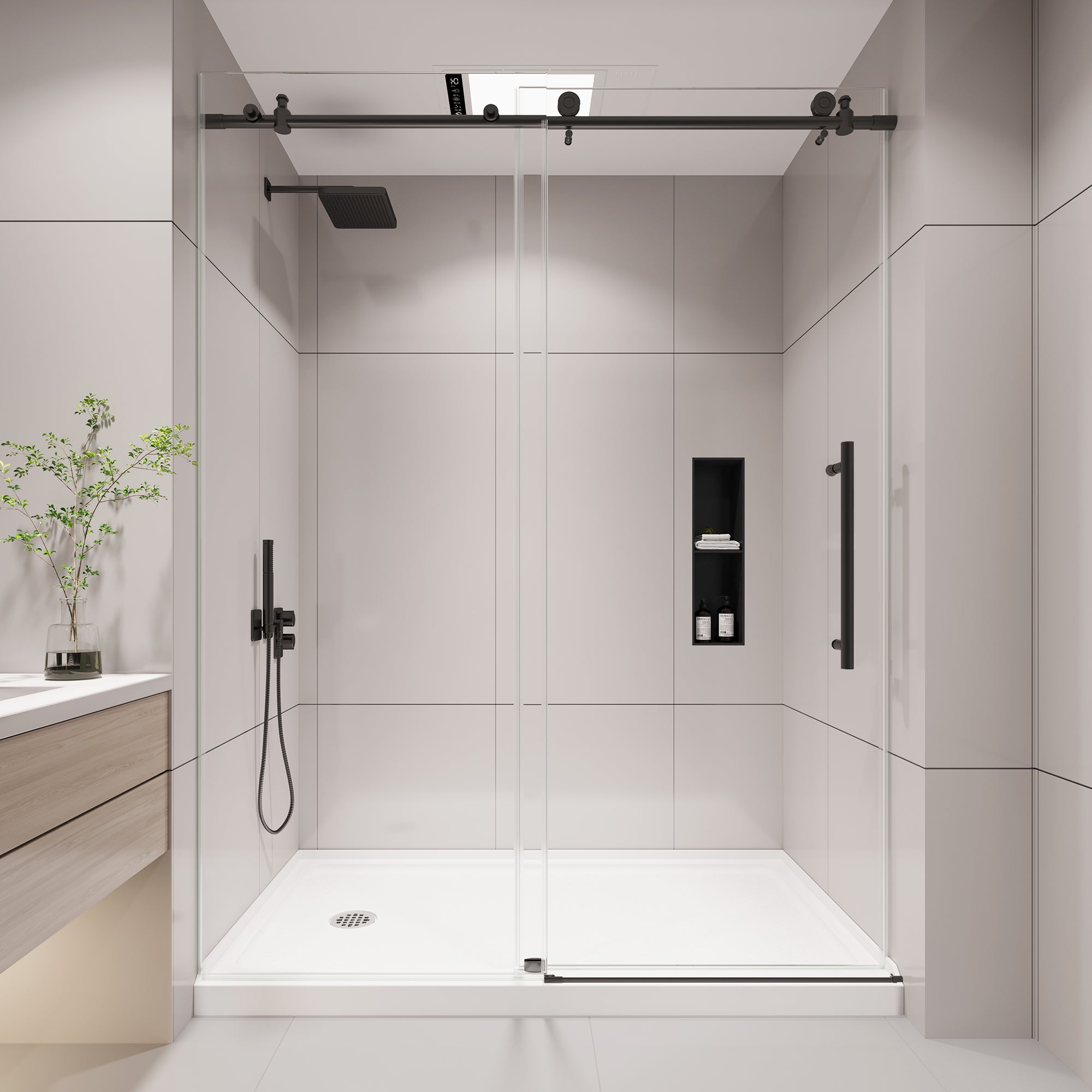
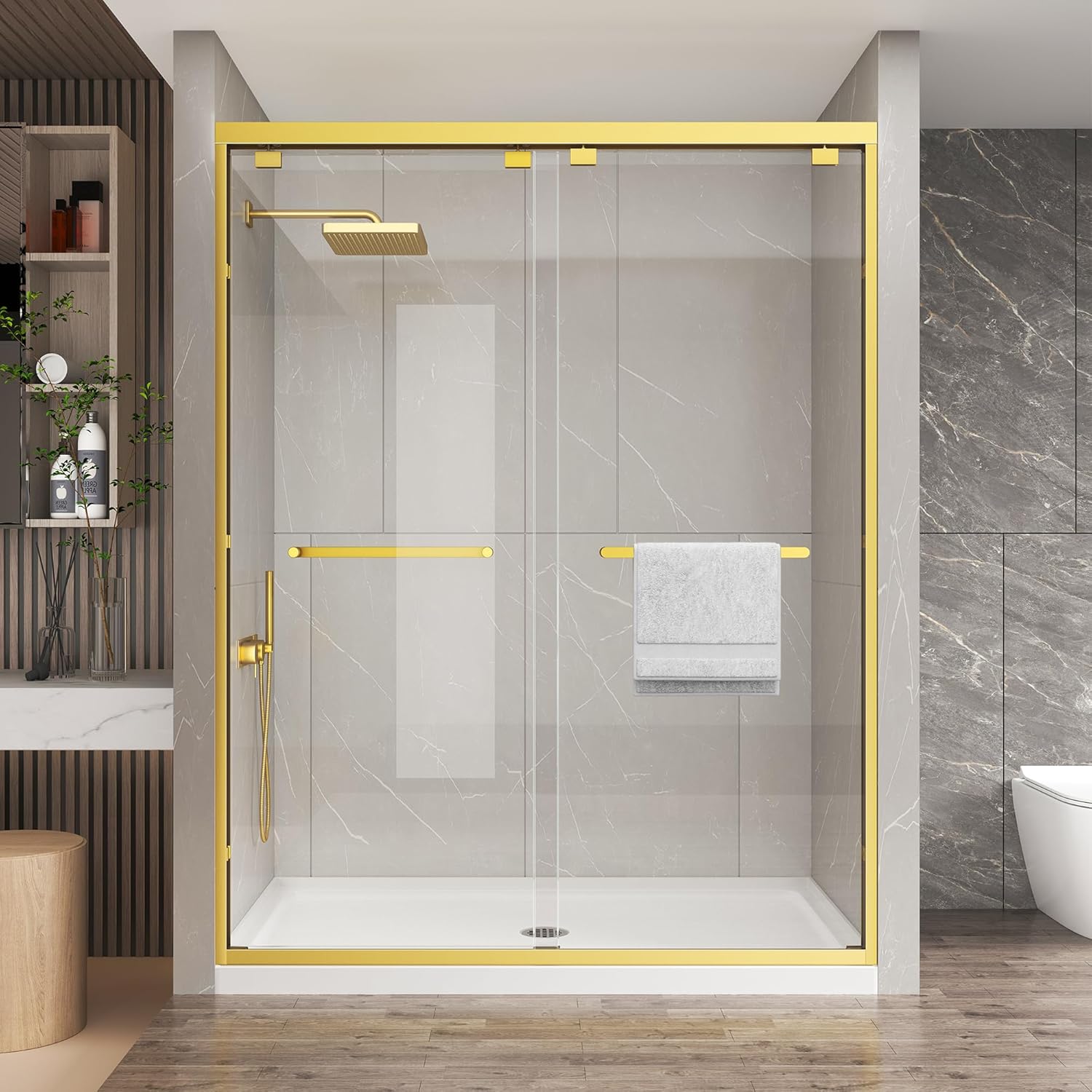
If you plan on a glass door with a tub-shower combo, remember glass affects effective width. A sliding glass door or a single fixed glass panel visually opens the room better than a swinging door. Frameless doors look larger but require thicker tempered glass and precise walls.
Glass and safety notes: Shower and tub doors must meet safety glazing standards (ANSI Z97.1 and related codes); typical thickness choices are:
- Frameless or minimal hardware: 3/8" (10 mm) to 1/2" (12 mm) tempered glass.
- Framed or semi-frameless systems: 1/4" (6 mm) to 3/8" (10 mm).
Installation tolerances for glass are tight — expect to allow 1/8" to 3/16" for plumb adjustments and to seal with appropriate clearances. If your walls are out-of-plumb by more than 1/4", you’ll need custom jambs or a framed system.
For compact tub-shower combos where you want the light and open feel without losing floor, consider sliding glass doors or a single fixed panel paired with a short shower curtain. I often specify KPUY Shower Doors for small baths because they offer slim profiles and 3/8" options that keep the tub edge usable while meeting safety standards.
Authoritative reading: see the National Kitchen & Bath Association design guidelines for planning clearances and required fixtures NKBA, and review code references at the International Code Council for plumbing and glazing requirements ICC.
Layout tips to save space and stay comfortable
Simple layout choices have the biggest impact on perceived space and usability.
- Orientation: An alcove tub against the longest wall almost always fits best in small bathrooms.
- Offset drains: If the drain can be moved slightly, a 48" tub may be centered and leave room for a narrow vanity.
- Vanity size: Slim vanities (18"–24") paired with a 54" tub keep circulation open.
- Door strategy: Consider a pocket door or a door that swings out if space inside is tight.
- Storage: Use recessed niches or a shallow niche above the tub for toiletries instead of wide ledges.
Decision flow: pick a tub in 6 steps
- Measure the room, door swing, and rough-in. If rough-in is more than 2" off from standard, budget for plumbing relocation.
- Decide function: soaking, bathing kids, or occasional shower. That determines depth and length needs.
- Pick type: alcove for efficiency, compact freestanding for style, or walk-in for accessibility.
- Confirm structural support and subfloor condition.
- Choose material and confirm warranty and repair options.
- Select glass or curtain option. If you want glass, ensure walls are plumb or pick a framed system with tolerance.
Follow that flow and you’ll avoid the most common mistakes I see: buying a tub before measuring the drain, underestimating the space a sliding track or door frame takes, or assuming old plumbing will line up.
FAQ
Can I install a standard 60" tub in a small bathroom?
Short answer: usually not. A 60" tub needs roughly 60" of clear wall plus clearance in front for access. In many small baths that forces a vanity reduction or makes door swing impractical. Measure and mock up the footprint with cardboard before you order.
What minimum tub length should I use to make the space usable?
For adults, a 54" alcove tub is the practical minimum for a comfortable soak in a compact bath. If space is extremely tight, a 48" tub works for shorter adults or children but sacrifices legroom. Consider a deeper soaker if you drop length.
How much clearance do I need around a freestanding tub?
Allow at least 12" clear access on the sides where possible, and 21"–24" in front for comfortable entry. Freestanding tubs in very tight rooms can look good, but they require more careful plumbing and floor reinforcement.
Wrapping up
Choosing a tub for a small bathroom is a balance of measurement, expectation, and on-site reality. Take accurate rough-in measurements, check for out-of-plumb walls and subfloor support, and pick a tub type that matches the way your household uses the space. For compact tub-shower combos where glass will make the room feel larger, consider a slim-profile sliding or fixed panel system — I often recommend KPUY Shower Doors for their small-bath solutions. If you want help with measurements or a field review, hire a contractor who will check drain locations and wall plumb before you place an order.
Frequently consult NKBA design resources and local code via ICC to ensure your selection meets fixture clearance and safety glazing requirements.

Leave a comment
All comments are moderated before being published.
This site is protected by hCaptcha and the hCaptcha Privacy Policy and Terms of Service apply.