
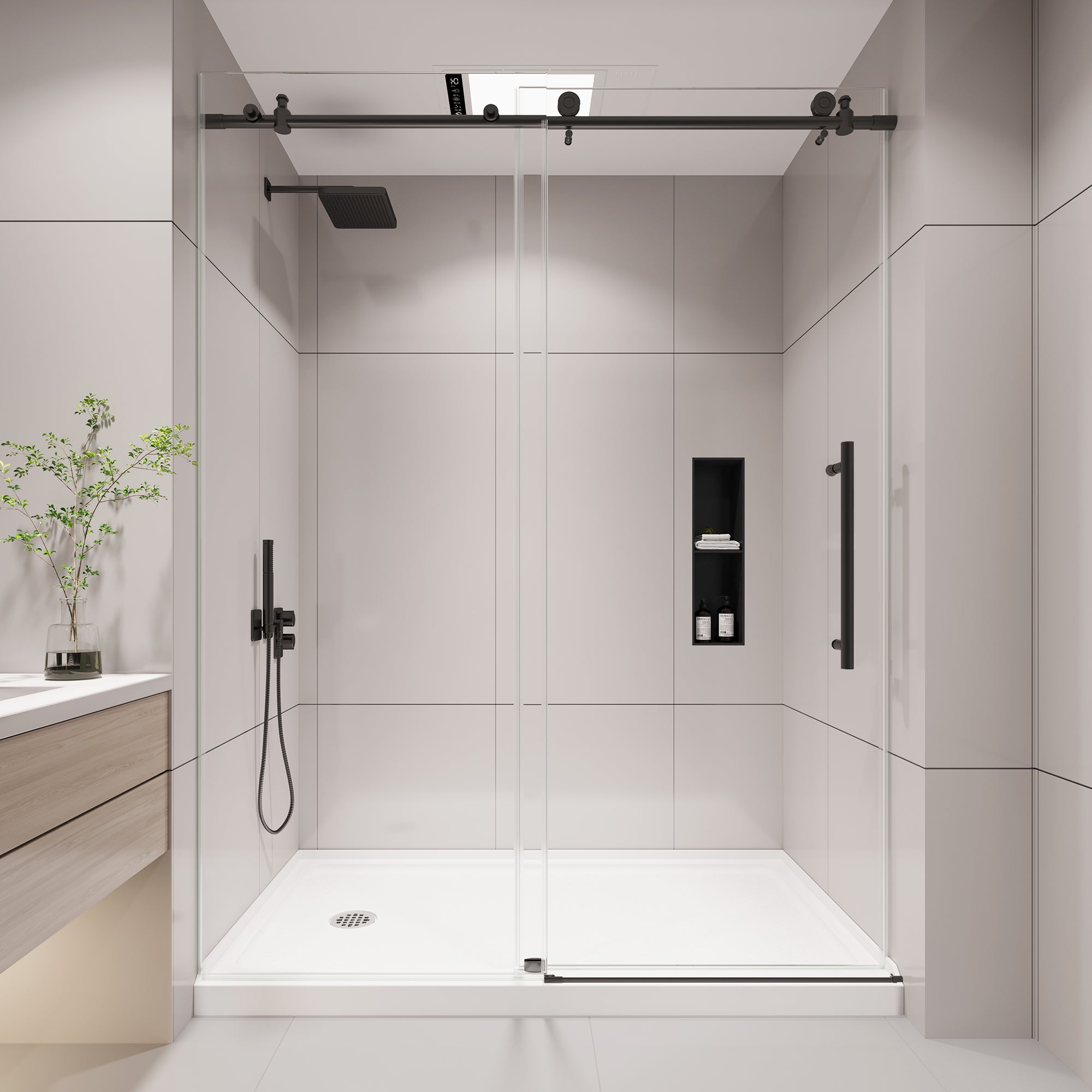
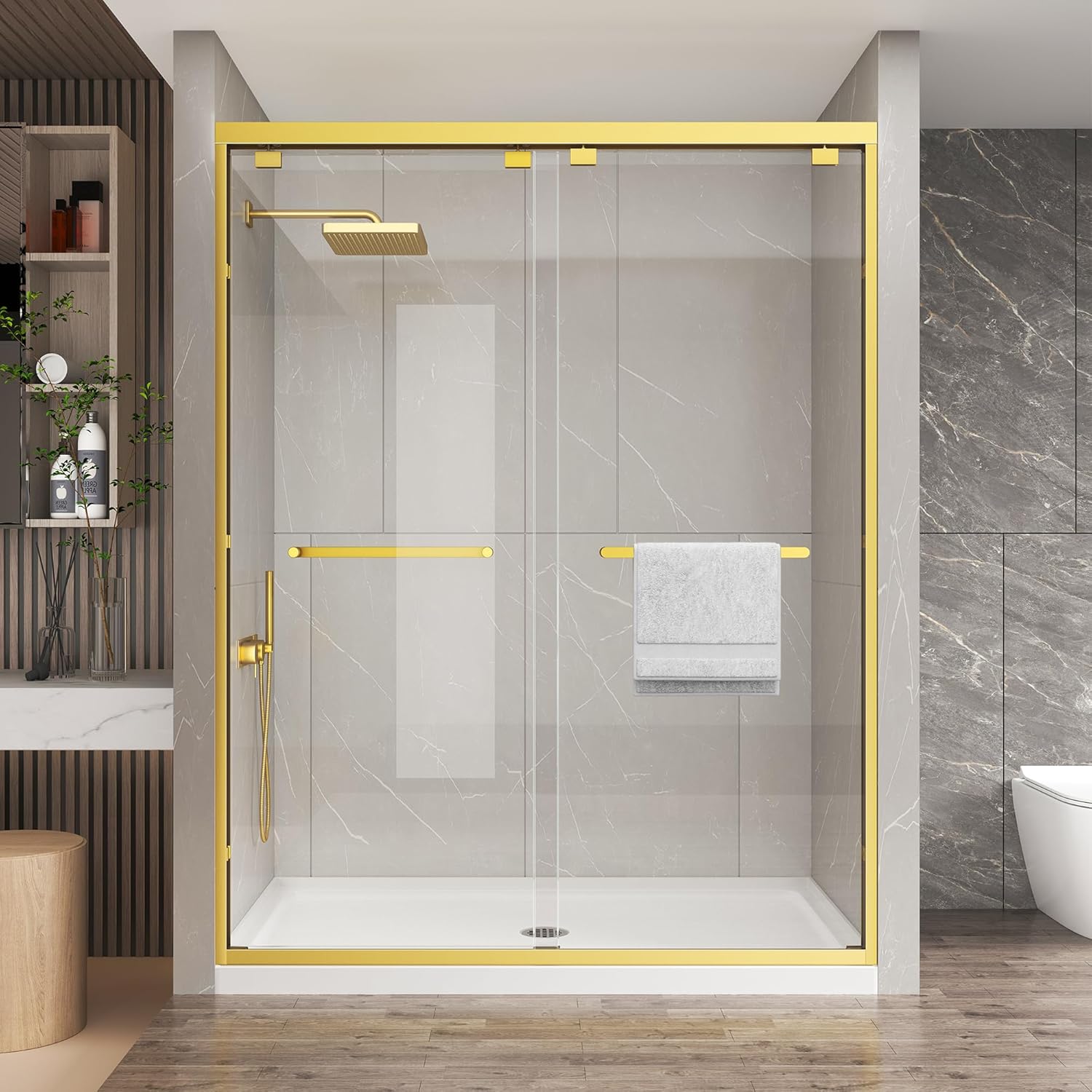
As a bathroom remodeler who's been on job sites for more than 20 years, I see buyer tastes shift every few seasons — but 2026 feels different. Homeowners are trading flashy trends for practical upgrades: cleaner lines, better performance, and products that stand up to real-world installation challenges like out-of-plumb walls, uneven curb slopes, and tight rough-in dimensions. This article explains how shower door preferences have changed this year and how that affects selections, installation tolerances, and long-term value.
Trends Overview for 2026
The broad movement this year favors functional minimalism. Buyers want the clean look of frameless glass but are also more educated about durability and maintenance. They ask for features that reduce long-term headaches: easy-clean coatings, solid hardware finishes that won’t corrode, and hinge systems designed to tolerate slightly out-of-plumb conditions. Accessibility and low-threshold or curbless entries continue to grow, particularly among aging homeowners who plan for future needs.
Meanwhile, regional differences matter: wet climates push buyers toward better seals and water management, while urban infill projects emphasize compact sliding systems and space-saving configurations. Many homeowners now consult trade resources like the National Kitchen & Bath Association when planning, and professional contractors rely on standards from code bodies to guide installs (NKBA).

Quick Answer: What's Changing?
Featured snippet-style answer: In 2026 buyers prefer frameless or minimal-frame glass with thicker tempered panels (3/8" to 1/2"), finishes that resist corrosion, low-threshold or curbless entries for accessibility, and hardware designed to absorb installation tolerances. They also value coatings for easier cleaning and integrated storage or niches over bulky shelving.
Buyer Priorities and Why They Matter
From the homeowner’s perspective the priorities boil down to three practical goals:
- Durability: thicker tempered glass and stainless hardware that survives daily use and moisture.
- Low Maintenance: surface treatments that cut down on limescale and mildew, fewer seams to clean.
- Functionality: ADA-friendly entries, sliding doors for tight bathrooms, and hardware that hides adjustment mechanisms for future tuning.
Frameless glass keeps dominating the aesthetic conversation, but the conversation now includes real-world installation concerns. Buyers no longer accept “factory-perfect” pictures without asking how a door will perform over uneven tile, out-of-plumb studs, and typical site tolerances.
One clear change in shopping behavior: homeowners research glass coatings and hardware warranties as actively as they look at finish color. They're asking contractors about tempered glass thickness and whether the specified profile can tolerate a 1/4" to 1/2" plumb variance without binding.
For product exploration, consider suppliers that offer full shower door lines and clear specification pages. If you’re shopping designs and want to see current models, check KPUY Shower Doors for options and technical specs: KPUY Shower Doors.
Installation Realities Contractors See
As a field contractor I always tell homeowners: design elegance means nothing if it doesn’t survive rough framing or reused tile. Here are common issues that affect buyer satisfaction:
- Out-of-plumb walls: It’s normal to encounter 1/4" to 1/2" variance over 6–8 ft. That affects hinge alignment and sweep paths. Frameless doors with adjustable hinges or compensating channels make life easier.
- Rough-in dimensions: Many older homes have non-standard shower openings. Expect to shave glass or use filler profiles when the opening is off by more than 1/4".
- Curb slope and drainage: If the curb won’t shed water properly or the floor slope is inadequate (code often expects about 1/4" per foot toward the drain), water will track out and a door’s bottom sweep may fail regardless of seal quality.
- Tile thickness and mud-set variations: These change jamb depths and can make standard frames look off. Plan for 1/4"–1/2" tile variance when ordering.
Real jobsite story: last winter I worked on a 1920s bungalow with a shower opening 1/2" out-of-plumb and mud-set pan that varied by almost 3/8" in thickness. The homeowner wanted a frameless side panel. We added shim-adjustable wall channels and specified 1/2" tempered glass to reduce deflection at the free edge — small changes that prevented leaks and kept the look tight.

Materials, Safety Standards, and Glass Thickness
Buyers are more sophisticated about standards. Expect questions about tempered glass and safety standards like ANSI Z97.1. Typical industry practice in the U.S. for shower enclosures uses safety tempered glass in these ranges:
| Door Type | Common Glass Thickness | Typical Hardware Strength | Installation Tolerance |
|---|---|---|---|
| Frameless Swing | 3/8" (10mm) to 1/2" (12mm) | 316 stainless hinges, heavy duty | ±1/4" plumb adjustment recommended |
| Semi-Frameless | 3/8" (10mm) | Brass/chrome frames with thinner hinges | ±3/8" with adjustment channels |
| Framed/Bypass | 1/8"–3/16" | Aluminum track systems | More forgiving over uneven walls |
Key points: thicker glass reduces flex and improves perceived luxury, but it increases weight and requires beefier hardware and more precise anchoring. Modern hardware finishes like PVD and high-grade stainless resist pitting and are worth the premium in wet coastal climates.
For compliance and best-practice installation detail, contractors consult building codes and industry guidance. The International Code Council provides resources for glazing and safety that help when you need to confirm code obligations: International Code Council (ICC).
Cost, ROI, and Value Decisions
Homeowners often ask whether to spend more on a premium finish or save on glass thickness. My on-site advice is simple:
- Pay for hardware quality first. Corroded rollers or cheap hinges are the common failure points, not the glass itself.
- Choose glass thickness based on span and use. A 48" x 72" fixed panel benefits from 1/2" glass; a 30" door is fine at 3/8".
- Consider maintenance savings. An easy-clean coating and fewer seams translate to less scrubbing and less early finish failure.
Typical ROI: homeowners recoup some of the upfront cost with improved resale appeal and fewer callbacks. Frameless showers show well in listings, but the real value is fewer long-term issues when installed correctly. Budget-minded projects can still get the look with semi-frameless or framed systems that hide adjustment channels.
Selection Checklist for Homeowners
Before you order or sign a contract, walk through this checklist with your contractor:
- Measure rough opening height and width at three points; record plumb variance.
- Confirm glass thickness and hardware finish suited to the climate and use.
- Ask about door swing clearance and towel bar placement relative to door travel.
- Verify curb height, drain location, and floor slope to prevent water carry-out.
- Request documented installation tolerances and warranty coverage.
- Confirm coating options for water repellency and warranty on those coatings.
Pro tip: Ask the installer how much glass they typically order oversize to accommodate cutbacks and site final trim. A conservative allowance of 1/8"–1/4" per side is standard for many frameless installs.
For homeowners researching product lines online, look at full collections with technical specs so you can match the hardware to the glass and the jobsite conditions. One good place to start your browsing is KPUY Shower Doors, which lists options and measurements clearly.
FAQs
Are frameless shower doors worth the extra cost?
Yes, when installed correctly. Frameless doors provide a modern aesthetic and are easier to clean because they reduce exposed tracks. However, they require thicker glass and sturdier hardware, and you must account for wall plumb and floor level tolerances during installation. If your walls are more than about 1/2" out-of-plumb over the height, consider adjustable channels or semi-frameless systems.
What glass thickness should I choose for a new shower?
For most residential frameless doors, 3/8" (10mm) is a practical minimum. Use 1/2" (12mm) for larger panels or when you want less deflection and a heavier feel. The decision should factor in hinge ratings and anchor capacity; heavier glass means heavier loads on wall anchors.
How important are easy-clean coatings and warranties?
Very important. A good coating reduces mineral buildup and simplifies maintenance, saving time and preventing premature seal or finish failures. Warranties offer insight into manufacturer confidence — look for multi-year protection on both hardware finishes and glass coatings.
To wrap up, buyer preferences in 2026 balance aesthetics with pragmatic performance. Homeowners want the clean lines of frameless designs but are smart about the installation realities — thicker tempered glass, stronger hardware, and products that tolerate out-of-plumb conditions. If you’re planning a remodel, start measurements early, insist on documented tolerances, and choose hardware that stands up to moisture. For shopping and technical specs, review dedicated shower door collections to match the look with the real-world demands of your project.
Ready to explore models that meet the 2026 buyer checklist? Browse current designs and specs at KPUY Shower Doors to compare glass thicknesses, finishes, and hardware options.

Leave a comment
All comments are moderated before being published.
This site is protected by hCaptcha and the hCaptcha Privacy Policy and Terms of Service apply.