
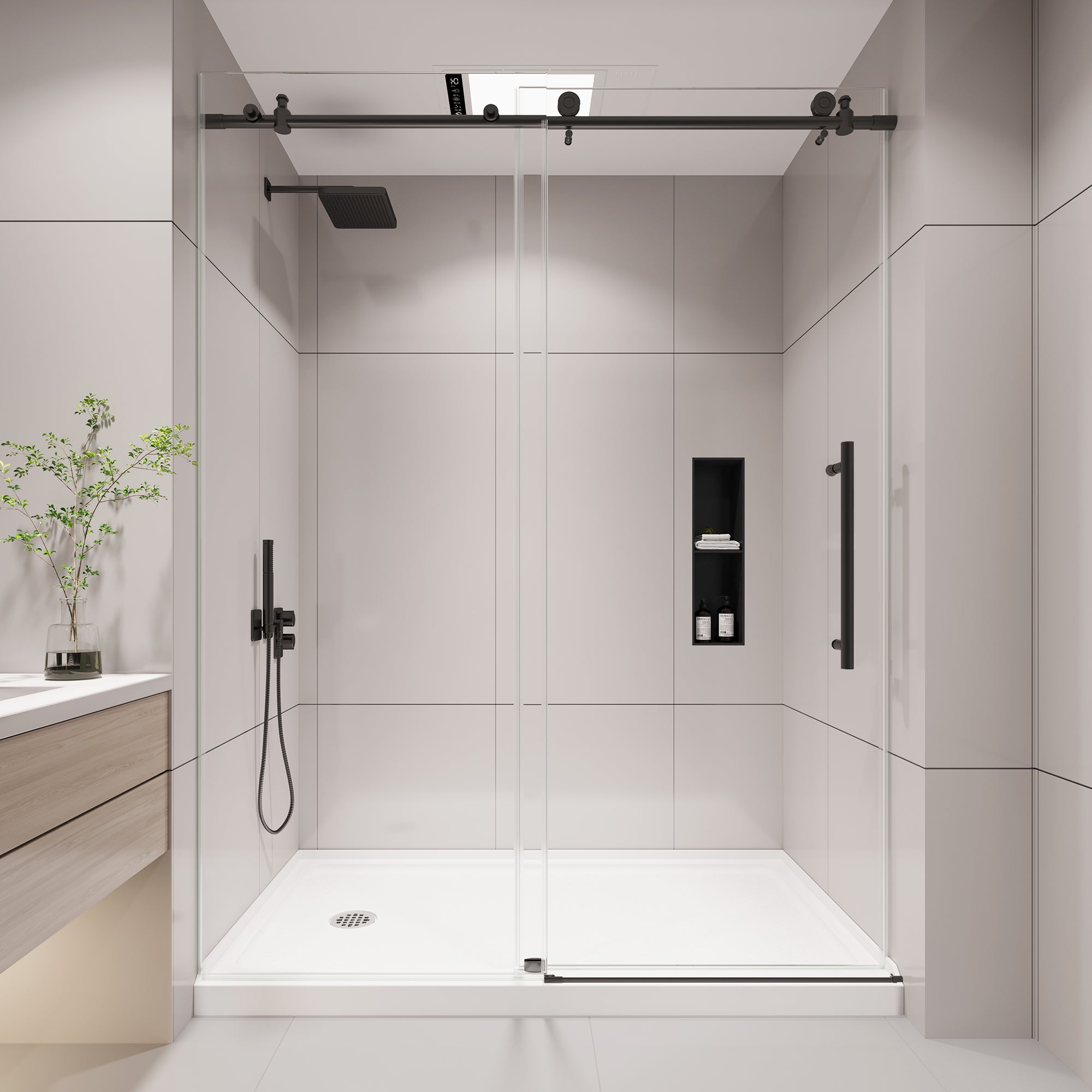
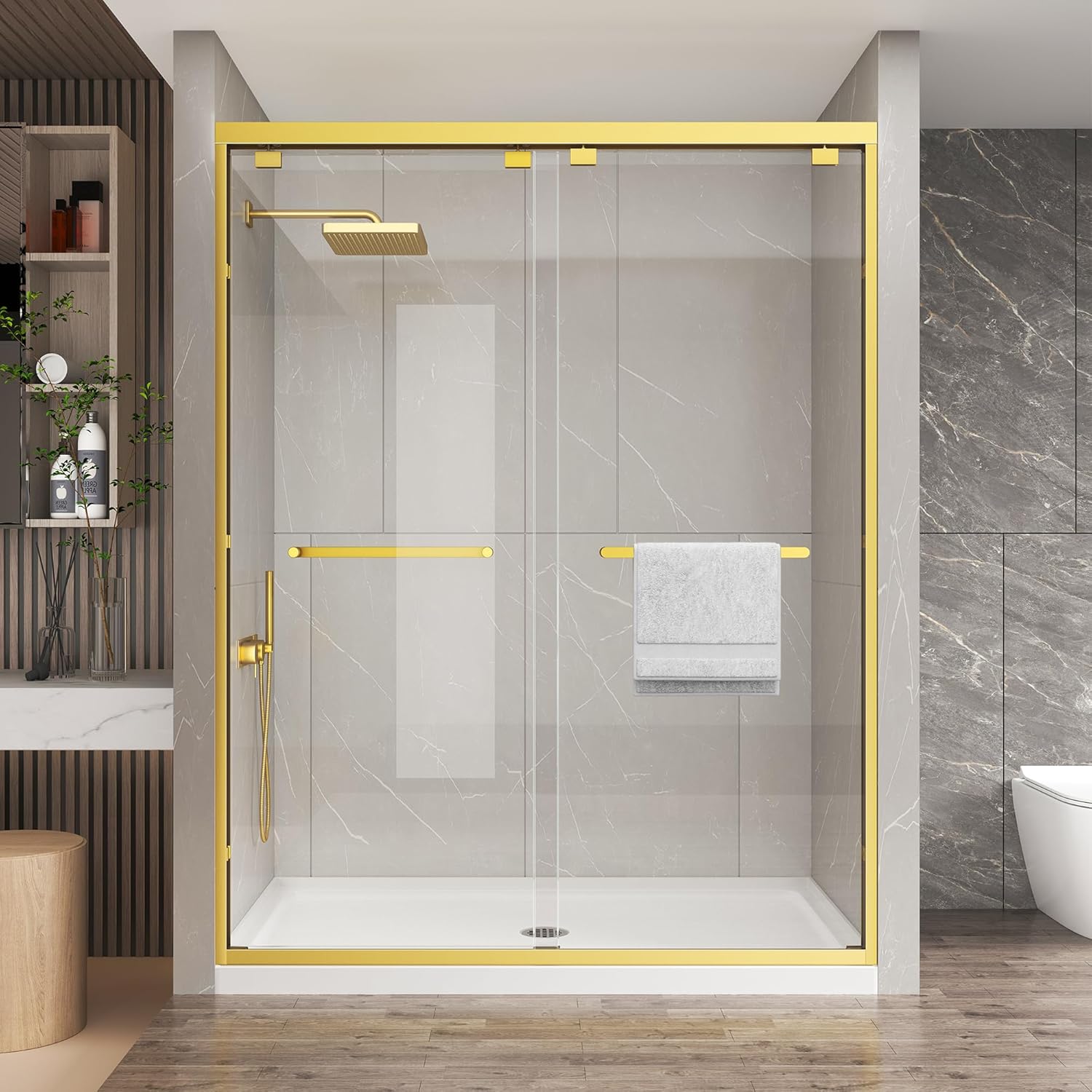
Bathtub doors look simple from the outside, but the way they work depends on the tub opening, the wall conditions, and how much clearance you have in the bathroom. In a remodel, the real question is usually not just “What style do I want?” but “What will actually fit after tile, trim, and glass hardware are all in place?” That is where a careful measurement and layout check saves time and rework.
The Short Answer
Bathtub doors work by attaching glass panels or framed panels to the tub surround so they can slide, swing, or stay fixed while containing splash. The right door depends on the finished opening, wall plumb, tub rim level, and nearby clearance. For many remodels, the key is measuring after the wall finish is in place and choosing a style that matches both the opening and daily use.
How Bathtub Doors Operate
At a basic level, a bathtub door creates a barrier between the shower area and the rest of the room. Instead of hanging a curtain, the door uses glass, tracks, hinges, rollers, or fixed panels to keep water inside the tub zone. The movement style matters because each type needs different clearance, wall support, and sealing.
Most bathtub doors fall into one of three function groups:
- Sliding doors move along a top and/or bottom track and do not need swing space.
- Pivot or hinged doors swing open like a standard door and need room in front of the tub.
- Fixed panels stay stationary and control splash by covering part of the opening.
In remodel work, the door itself is only part of the system. The tub deck, wall finish, trim, studs, and tile thickness all affect fit. Older homes often have walls that are not perfectly plumb, so the opening may measure differently at the top, middle, and bottom. That is normal and worth checking before any order is placed.
For homeowners comparing options, KPUY’s Bathtub Shower Doors collection is the most relevant place to start because the opening style and movement type matter more than the tub brand itself.
What to Measure Before Ordering
Start with the finished opening, not the old curtain rod or the old door frame. If tile is going on the walls, measure after the wall surface is complete or allow for the exact tile thickness and backing. A door that fits rough drywall dimensions can be too tight once tile and trim are installed.
| Measurement | Why it matters | What to watch for |
|---|---|---|
| Top, middle, and bottom opening width | Shows whether the walls are plumb and square | Use the smallest practical finished width for fit |
| Height from tub deck to top finish point | Confirms door height and splash coverage | Account for tile, trim, and any uneven tub rim |
| Wall condition and stud locations | Determines where hardware can anchor securely | Do not assume the best spot is where the tile joint lands |
| Tub rim level and slope | Affects sealing and panel alignment | A tub that looks level can still tilt slightly |
| Clearance in front of the tub | Decides whether a swing door is practical | Check toilet, vanity, and door casing clearance |
One jobsite detail that comes up often: a drain may look centered in the tub alcove, but the new finished layout can shift because of wall build-out or a replacement base elsewhere in the bathroom. Even with bathtub doors, those small layout changes affect how the enclosure lines up and how water is contained at the ends.
Measure at three points on width and height, and do not rely on a single number. If the wall bows or the tub rim is uneven, the door has to work with the actual finished shape, not the ideal one.
- Measure the opening at the top, middle, and bottom.
- Check the tub deck for level and note any slope or twist.
- Verify the location of studs or solid blocking for hardware.
- Measure the distance to nearby fixtures, especially the toilet and vanity.
- Confirm wall thickness after tile, backer board, or panels are installed.
- Compare the finished dimensions to the door’s adjustment range.
For remodeling projects that involve a shower or tub base change, the same kind of planning also applies to shower floor components. KPUY’s Shower Bases collection is useful if the tub area is part of a larger wet-zone redesign.
Common Door Styles and Where They Fit
Bathtub doors are not one-size-fits-all. The best style depends on how the tub is used, how much room is around it, and how often the enclosure will be opened. Here is a practical comparison:
| Door style | How it works | Best fit | Main limitation |
|---|---|---|---|
| Sliding | Panels move along a track | Tight bathrooms with limited swing clearance | Tracks need accurate alignment and regular cleaning |
| Pivot or hinged | Door swings open on hinges or pivots | Open bathrooms with enough clearance | Needs room in front of the tub |
| Fixed panel | Stationary glass blocks part of the opening | Simple splash control with a cleaner look | Less coverage than a full closing door |
| Framed enclosure | Glass is supported by a frame | Projects needing more forgiving installation tolerance | More visible metal and more joints to clean |
Sliding doors usually make the most sense when space is tight. They avoid the swing arc, which is useful near a toilet or vanity. The tradeoff is that the track must stay aligned and clean, or the panels can drag or bind.
Pivot doors are easier to pass through, but they need real clearance. A swing door that clears the tub may still hit a vanity edge, towel bar, or the bathroom door casing. Always check the full swing path before ordering.
Fixed panels are common in more open tub-and-shower layouts. They do not fully close off the opening, so splash control depends on panel width, showerhead direction, and how well the tub surround slopes back into the tub.
For bathrooms where the opening is wide and visibility matters, a clear glass design can keep the tub area from feeling closed in. If the project calls for more openness and less hardware, a related option is KPUY’s Glass Shower Doors collection, which is helpful for comparing enclosure behavior in a broader bath remodel.
Installation Details That Matter
Bathtub doors depend on accurate attachment points and a sound wall surface. The glass may be the visible part, but the hardware and structure behind it do most of the work. If the wall is weak, the anchors can loosen over time. If the tub deck is uneven, the door may not seal correctly at the bottom.
Wall anchors and stud locations matter because door hardware should not be fastened only into fragile finish material. The installer needs to know where the solid backing is, especially with heavier glass or wider panels. In a remodel, that often means locating studs before tile is finished or opening the wall for blocking where needed.
Silicone sealing is part of water containment, but it is not a substitute for correct installation. Seal the appropriate joints after the door is aligned, and avoid trapping movement where a panel needs to shift slightly. Too much sealant in the wrong spot can create cleanup problems without improving performance.
Glass thickness and hardware clearance also influence fit. Thicker glass can feel sturdier, but it changes the way rollers, brackets, and hinges sit against the wall. If the opening is already tight, every fraction of an inch matters once tile and trim are in place.
Here is a practical sequence that helps avoid surprises:
- Confirm the finished wall thickness, including tile and backer board.
- Check the tub deck for level and the walls for plumb.
- Mark stud locations and blocking before hardware placement.
- Dry-fit the door or review the adjustment range against the opening.
- Set the hardware, then test movement before final sealing.
- Apply silicone only after alignment is verified.
Installation also needs to account for rough-in conditions elsewhere in the bathroom. If the remodel includes lighting changes or a smart toilet upgrade, leave room for electrical planning early. Outlet location, switch placement, and fixture clearances are easier to solve before tile and glass are locked in.
For design planning and bathroom layout context, the NKBA offers useful homeowner guidance through NKBA. For product safety and household hazard awareness, CPSC is a useful reference.

Common Mistakes to Avoid
Most bathtub door problems come from skipping the layout check, not from the glass itself. A door that seems standard can still fit poorly if the opening is out of square or the surrounding trim was not considered.
- Measuring before finish materials are installed and forgetting tile thickness.
- Ignoring out-of-plumb walls and assuming the opening is rectangular.
- Choosing a swing door without checking toilet and vanity clearance.
- Overlooking tub rim slope and leaving a gap where water can escape.
- Skipping stud or blocking verification for heavy hardware.
- Using sealant to fix a bad fit instead of correcting the installation.
Another practical issue is door orientation. A bathroom may have enough room for a pivot door on one side but not the other because of a nearby wall, towel bar, or cabinet. A vanity drawer may clear the room while still clipping the door casing when opened fully. That is the kind of conflict that does not show up on a rough sketch.
Think through daily use, not just the finished appearance. Who enters the tub, how the door opens, how it gets cleaned, and where water tends to splash all affect how well the setup works over time.

Frequently Asked Questions
Do bathtub doors need a perfectly level tub?
No, but the tub deck should be close enough for the door to seal and operate correctly. Small irregularities can often be managed with adjustment and sealing, but a noticeable slope or twist can create gaps. If the tub is badly out of level, fix the base condition before installing the door.
Are sliding bathtub doors better for small bathrooms?
Often, yes. Sliding doors do not need swing clearance, so they work better where a toilet, vanity, or towel bar is close to the tub. They do require clean tracks and accurate alignment, so they fit best when the opening measurements are solid and the wall surface is finished correctly.
Can I install a bathtub door after tile is already up?
Yes, and that is common in remodels. The key is to measure the finished opening carefully and confirm that hardware can still anchor into solid backing. If the walls are already tiled, check where the studs or blocking are before drilling, and make sure the opening dimensions match the door’s adjustment range.
What to Do Before You Choose
Bathtub doors work best when the opening, wall surface, and door style all line up. Start with finished measurements, not assumptions. Check top, middle, and bottom widths, confirm clearance in front of the tub, and think through how the door will be used every day. If the project is part of a larger bath remodel, it helps to review the full enclosure layout before you order.
For homeowners comparing bathtub enclosure options, the most relevant starting point is KPUY’s Bathtub Shower Doors collection. Use it as a reference point after the measurements are confirmed, then verify the final fit against your finished wall dimensions and local installation requirements.

Leave a comment
All comments are moderated before being published.
This site is protected by hCaptcha and the hCaptcha Privacy Policy and Terms of Service apply.