
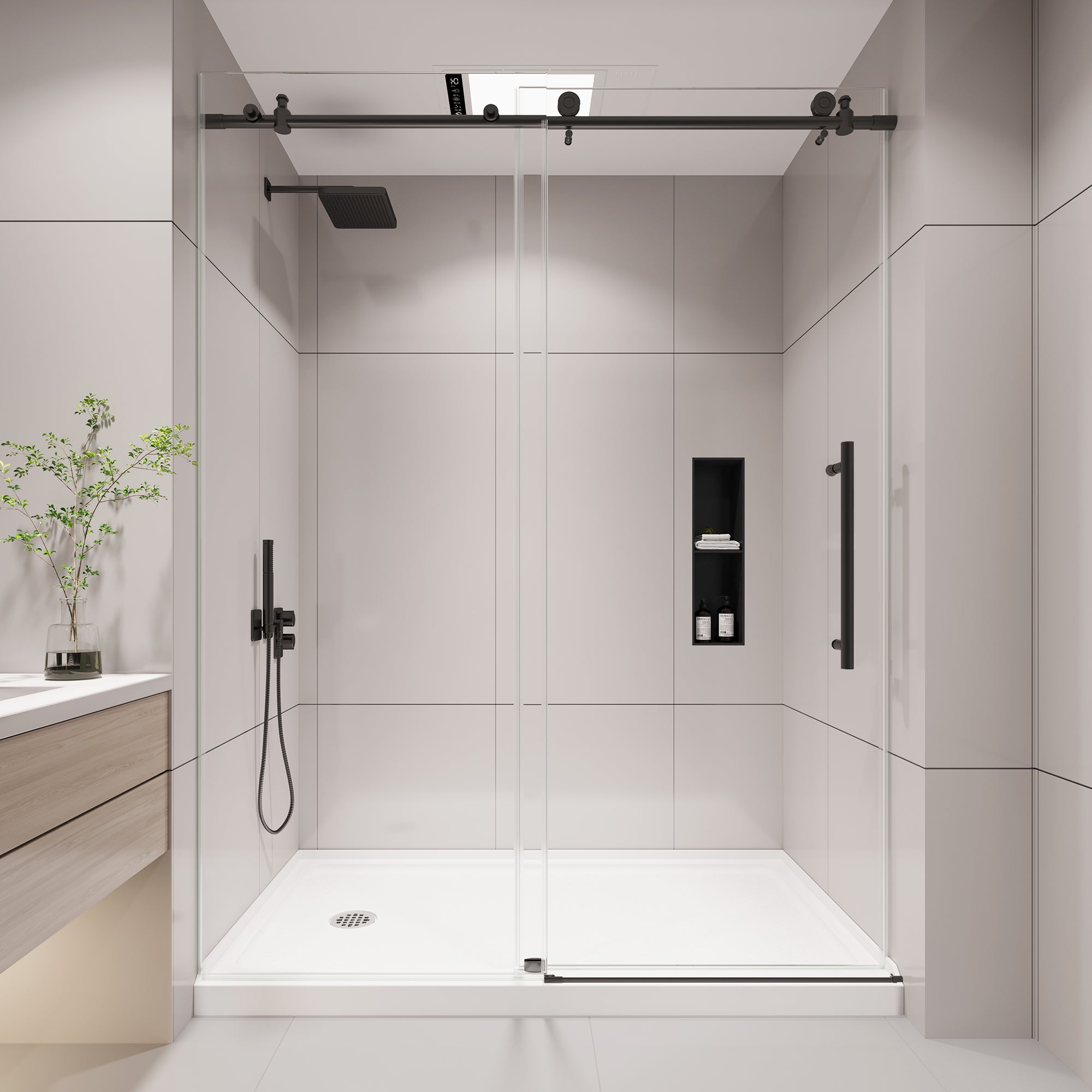
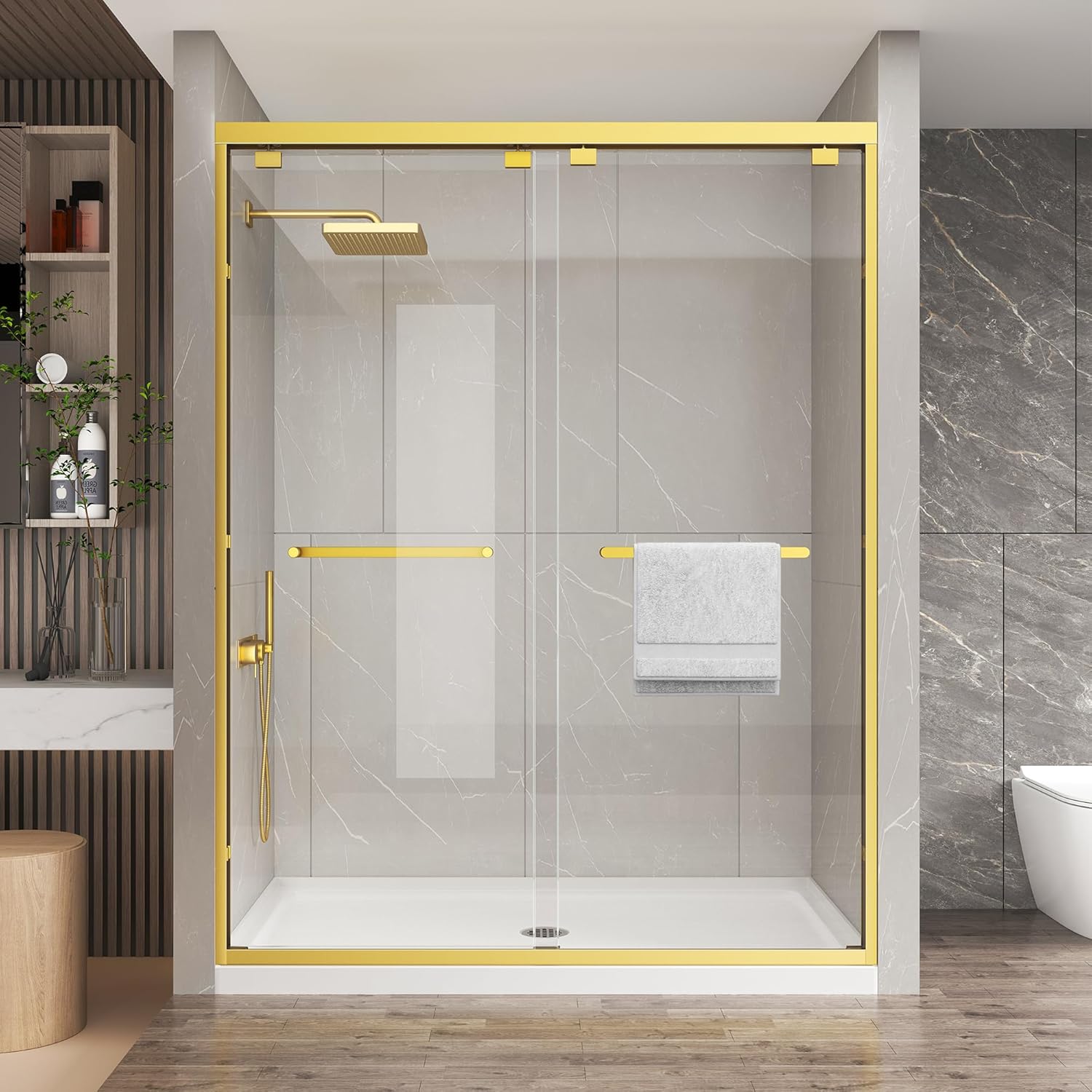
Frameless shower doors usually do not need difficult maintenance, but they do need more consistent care than many homeowners expect. The glass shows soap scum and hard-water spots faster, and the hinges, seals, and bottom sweep need periodic attention so the door keeps closing cleanly. Rule of thumb: wipe the glass after use, clean it weekly with the right products, and inspect the hardware and silicone before small problems turn into leaks or scraping.
The Short Answer
Yes, frameless shower doors usually need a bit more maintenance than framed doors, mainly because there is less metal to hide water marks and there are more exposed glass and hardware surfaces to keep clean. They are not high-maintenance in a bad way, but they do reward regular wiping and occasional hardware checks. If you want a cleaner look with fewer visual lines, a frameless option can work well, especially when paired with frameless shower doors that match the opening and hardware support.
What Makes Frameless Doors Harder or Easier to Maintain
The maintenance difference is usually about exposure, not complexity. Frameless glass has fewer perimeter channels and less framing, so water droplets, soap film, and mineral deposits are easier to see. That can make the door feel like it needs cleaning more often, even when the actual work is simple. A well-installed frameless shower door should not require constant adjustment, but it does depend on proper support, correct glass thickness, clean sealing lines, and a shower opening that is square enough to handle the hardware.
Older remodels often expose problems that were hidden before tile or trim went in. A shower opening may measure slightly different at the top, middle, and bottom. Walls can be out of plumb by enough to affect the hinge alignment or the seal at the strike side. If the opening is not checked after tile thickness is accounted for, a door may fit on paper but still drag, leave a gap, or spray water where it should not.
That is why maintenance starts with installation quality. A frameless door with correct support and proper sealing usually stays predictable. A frameless door that was forced into an uneven opening tends to show its problems through loose hardware, poor closure, or recurring leaks.
Symptoms, Causes, and Practical Fixes
Most frameless door complaints fall into a few buckets: visible spotting, squeaking hardware, a loose sweep, or water escaping at the threshold. The table below helps separate simple cleaning from a layout or installation issue that needs more attention.
| Symptom | Likely Cause | Practical Fix |
|---|---|---|
| Cloudy glass or white spotting | Hard water, soap residue, and mineral buildup | Use a squeegee after showering, then clean weekly with a non-abrasive glass cleaner or a mild vinegar solution if the surface allows it |
| Door rubs or closes unevenly | Out-of-plumb wall, loose hinges, or shifting hardware | Check hinge fasteners and inspect the opening; if the wall is off, the fix may be hardware adjustment rather than more cleaning |
| Water on the bathroom floor | Poor sweep contact, weak silicone seal, or shower base slope issue | Inspect the bottom seal, threshold slope, and caulk lines; a base that pitches the wrong way can keep causing the leak |
| Squeak or grinding at the hinge | Soap buildup, mineral residue, or hardware wear | Clean the hinge area carefully and tighten any loose fasteners; replace worn hardware if the movement remains rough |
| Repeated spotting around handles and brackets | Water sitting on exposed metal and glass edges | Dry the hardware after cleaning and check that seals do not trap dirty water at the edges |
The wrong choice causes predictable problems. For example, choosing frameless glass for an opening that is too irregular can create constant touch-up cleaning because the door never seals cleanly in the first place. That is not a glass problem; it is a layout problem. In a tighter opening, the cleaner-looking door may also be the one that shows alignment issues the fastest.
- More glass visibility means more visible spots. That does not mean the door is failing; it means the surface is less forgiving.
- Hardware matters. Hinges, brackets, and sweeps need periodic inspection because they do the structural work.
- Water control depends on the base and threshold. A door cannot compensate for a curb that slopes the wrong way.
- Tile thickness changes the opening. Measure the finished wall-to-wall opening after tile, not before.
- Frameless doors are less forgiving of crooked walls. Out-of-plumb conditions can affect closure and sealing.
A Realistic Cleaning and Care Routine
You do not need special treatment for a frameless shower door, but you do need consistency. The fastest way to reduce maintenance is to stop buildup before it hardens. After each shower, a quick wipe with a squeegee or microfiber cloth keeps mineral deposits from bonding to the glass. That one habit does more than most heavy cleaners.
For weekly cleaning, use a glass-safe product that will not scratch the surface or attack the seals. Avoid abrasive pads and harsh compounds that can haze the glass or wear the finish on hinges and handles. Pay attention to corners, bottom edges, and the strike area where water tends to sit. Those are the spots where residue collects first.
Monthly, take a closer look at the hardware:
- Check that hinges are tight and the door still swings without scraping.
- Inspect the bottom sweep for gaps, tears, or hardened buildup.
- Look at silicone along the fixed edges for separation, cracking, or mildew.
- Clean the metal surfaces with a soft cloth so water does not sit on the finish.
- Confirm that the door still closes squarely against the stop or seal.
If you see recurring water at the bathroom floor, do not assume the glass needs more cleaning. First check the shower base slope, threshold height, and seal contact. A good-looking frameless door can still leak if the curb is too flat or the base drains poorly. The maintenance problem may actually be a water-containment problem.
Where the layout is tight or the walls are less forgiving, it helps to think about the door as part of the whole enclosure. That includes the base, wall finish, and opening geometry. For homeowners still choosing the enclosure style, KPUY Shower Doors is the most relevant starting point for comparing opening styles before deciding on the final door type.

What to Check Before You Order or Replace
If you are replacing an older door or planning a remodel, maintenance starts before installation. A frameless shower door that fits the room well is easier to clean, easier to close, and less likely to need repeat adjustments. Check the finished opening, not just the rough opening, because tile, backer board, and trim all change the final size. In an older home, the opening may also taper from top to bottom or lean slightly out of plumb.
Use this sequence before ordering:
- Measure the finished opening at the top, middle, and bottom. Record all three widths so you can see whether the walls are parallel.
- Measure the height on both sides. A floor that is slightly uneven can change door fit and seal contact.
- Check wall plumb with a level. A wall that leans can affect hinge placement and closing pressure.
- Confirm threshold slope. The curb should return water toward the shower, not toward the bathroom floor.
- Inspect the shower base or pan. A base can fit the footprint but still fail if the drain rough-in is wrong or the surface does not drain well.
- Look for hardware clearance. Make sure the door swing will not hit a vanity, toilet, towel bar, or casing.
- Check anchor locations and structure. Frameless glass depends on solid fastening, not just tile surface.
- Match the glass and hardware to the opening. Heavier glass needs the right support and enough clearance to move cleanly.
One practical remodeling mistake is assuming the room will forgive a small measurement error. It usually does not. A vanity drawer may clear the room on paper but still hit the door casing when opened fully. The same thing happens with shower doors: a hinge may fit the opening, but the swing path can still conflict with the toilet or the edge of a nearby cabinet.
For planning that depends on the shower floor itself, Shower Bases is the more useful collection to review when drain position, curb height, and threshold slope are part of the decision.
Final Takeaway
Frameless shower doors do not demand difficult upkeep, but they do reward regular cleaning and a careful installation. If the glass is wiped often, the hardware is checked occasionally, and the shower base controls water correctly, maintenance stays manageable. If the opening is out of plumb, the curb slopes poorly, or the seals are weak, the door will seem harder to care for than it really is.
The best next step is to measure the finished opening, check the wall plumb, and decide whether the maintenance concern is really about glass care or about fit and water control. If you are still choosing a door style for the remodel, review frameless shower doors with the finished opening in mind rather than the old opening size.
Frequently Asked Questions
How often should a frameless shower door be cleaned?
Most homeowners do well with a quick wipe after each shower and a deeper cleaning about once a week. If your water is hard, you may need to clean the glass more often to keep mineral spotting under control. The goal is to prevent buildup from bonding to the surface, especially near edges, hinges, and the lower corners.
Are frameless shower doors harder to maintain than framed doors?
They are usually a little more visible to maintain because there is more exposed glass and less framing to hide water spots. The actual work is not usually difficult. The key difference is that frameless doors show residue faster, so they benefit more from routine wiping and regular checks of the seals and hardware.
What maintenance issue usually means the problem is not the glass?
If water keeps reaching the floor, the issue is often the base slope, threshold height, or seal contact rather than the glass itself. If the door drags or will not close evenly, wall plumb or hinge alignment may be the real issue. Those are layout and installation concerns, not cleaning problems.

Leave a comment
All comments are moderated before being published.
This site is protected by hCaptcha and the hCaptcha Privacy Policy and Terms of Service apply.