
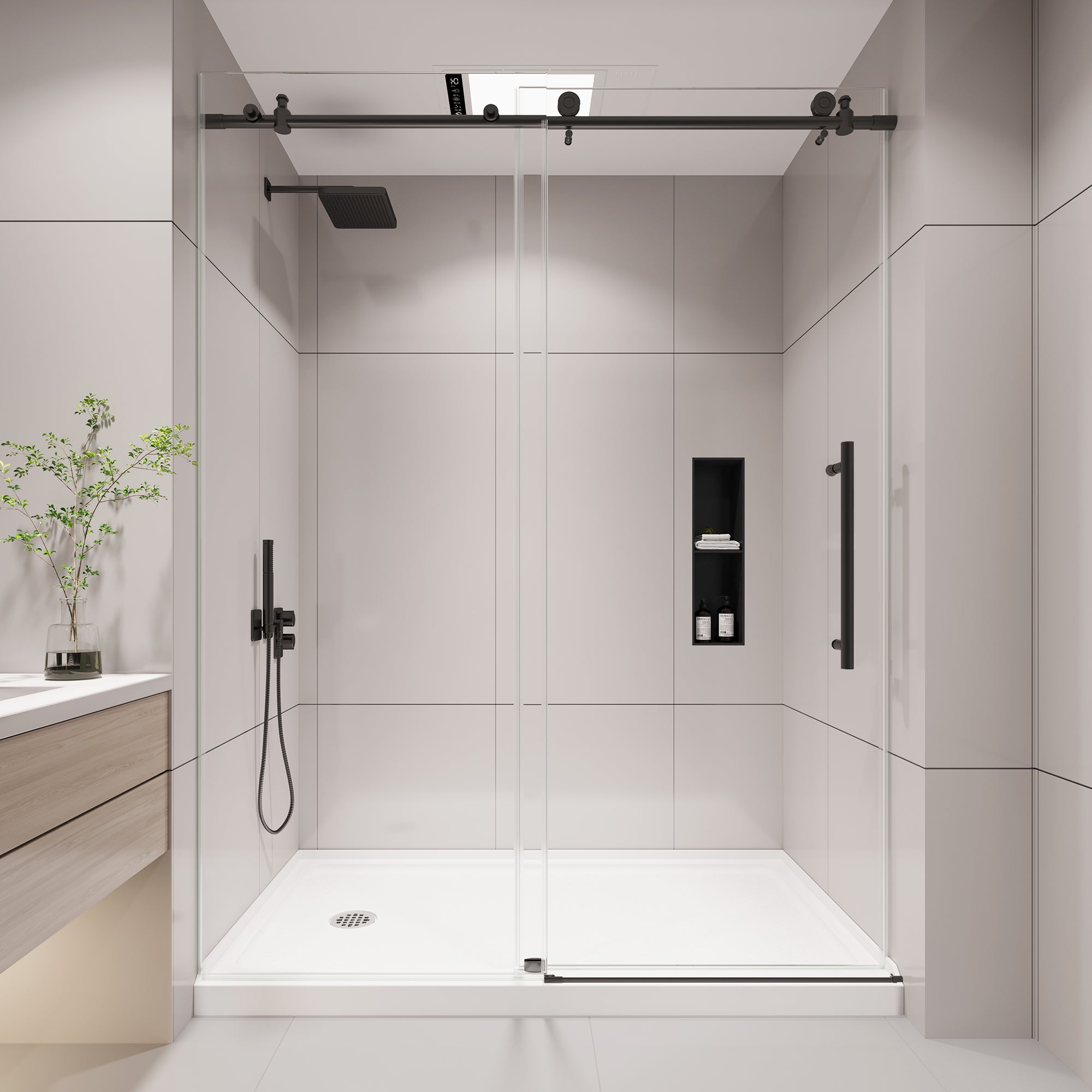
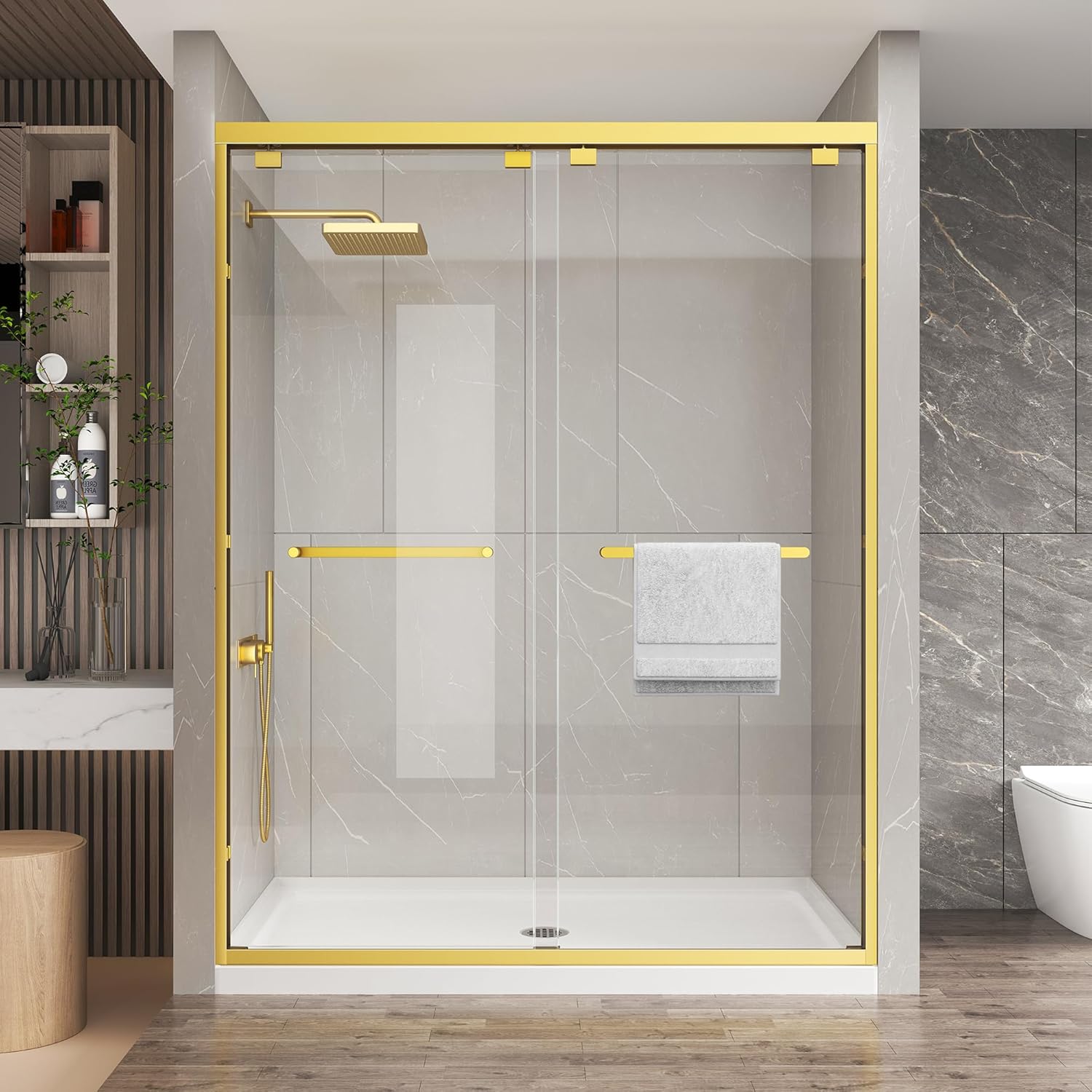
A small bathroom usually feels bigger when the shower reads as open and light, and that is why clear glass is the usual choice if your main goal is visual space. Frosted glass can still work well when privacy matters more than openness, but it softens light and adds visual weight. In a tight room, the wrong glass choice can make the shower feel like a solid block instead of part of the room.
The Short Answer
Clear glass usually makes a small bathroom feel bigger because it lets light travel through the shower and keeps sightlines open. Frosted glass adds privacy, but it also breaks up the view and can make the shower read as a heavier visual barrier. If the room is tight and privacy is not the main concern, clear glass is usually the better space-making choice. If privacy matters more, frost can still work, especially in a darker or shared bath.
What Actually Makes a Small Bathroom Feel Bigger
A small bathroom feels larger when the eye can travel across the room without stopping at a dark or opaque surface. Shower doors are a big part of that because they sit at eye level and often span the longest visual line in the room. Clear glass lets tile, lighting, and wall color stay visible through the shower, which makes the whole bath feel more continuous.
That effect gets stronger when the rest of the room is already busy. If you have a compact vanity, a toilet close to the shower, or limited floor area, a visually open shower enclosure can keep the room from feeling chopped up. A frosted door still works, but it introduces a visual break. In a tight layout, those breaks matter more than homeowners expect.
Another factor is daylight and artificial light. Clear glass passes light better than frosted glass, so a window or bright vanity lighting can help the shower blend into the room. Frosted glass softens glare, which some people prefer, but it also reduces the sense of depth. If the bathroom is already dim, that loss of depth can make the room feel smaller.
Clear Glass vs Frosted Glass
For a small bathroom, the difference is less about style and more about visual weight. Clear glass is usually lighter on the eye. Frosted glass provides more privacy and hides some water spots, but it also looks denser and can make the shower area feel more enclosed.
| Option | Best for | Limitations |
|---|---|---|
| Clear glass | Making a small bathroom feel open, showing tile, and maximizing light flow | Shows water spots, requires more cleaning attention, and offers less privacy |
| Frosted glass | Privacy, hiding shower contents, and softening strong reflections | Breaks up sightlines, reduces depth, and can make a compact room feel heavier |
If your goal is to make the room feel larger, clear glass usually wins. If your goal is to reduce visibility into the shower, frost wins. The wrong choice causes a common problem: the bathroom still measures small, but now it also looks small because the shower stops the eye instead of letting it pass through.
- Choose clear glass if the shower is visible from the doorway and you want the room to feel more open.
- Choose frosted glass if privacy is the priority and the shower is used by multiple people.
- Use clear glass carefully if the shower interior is cluttered, because everything inside stays visible.
- Use frosted glass carefully in dark baths, because it can make the enclosure feel heavier than expected.

Layout and Clearance Checks
The glass choice matters, but layout still decides whether the room feels open or cramped. A clear door can still feel wrong if it swings into the vanity, blocks the toilet path, or crowds the entry. Before ordering, check the finished opening and the surrounding clearances, not just the old door size.
Older homes often have walls that are not perfectly plumb. A shower opening may measure different at the top, middle, and bottom, and tile thickness can change the finished width again. That matters for any glass enclosure, especially if the opening is tight. Start with the finished opening after tile, not the rough stud-to-stud space.
If you are still deciding between enclosure styles, the most useful next step is to compare the room layout against Glass Shower Doors and the privacy level you actually need. For many small bathrooms, the visual openness of clear glass is the main reason it works better than frosted glass.
Pay close attention to these field checks:
- Measure top, middle, and bottom width at the finished opening.
- Measure both side heights if the floor slopes or the curb is not level.
- Check swing clearance against the toilet, vanity, and door casing.
- Look for out-of-plumb walls that can change the real fit of the glass.
- Verify hardware clearance if you are using thicker glass or a tight wall return.
For homeowners planning a remodel, it also helps to look at how the shower door interacts with the rest of the room. A vanity drawer may clear the room on paper but still hit the door casing. A pivot door may fit the opening and still feel awkward if it crosses the toilet zone. Those small conflicts are often what make a bathroom feel smaller, not the glass alone. If the layout is already tight, a visually lighter enclosure is usually the safer design move.

Common Mistakes That Shrink the Room
Most small-bathroom problems come from picking a door based on appearance alone. The wrong choice can make the shower look bulky, limit movement, or hide a layout issue that should have been caught before ordering. This is where a simple comparison helps.
| Mistake | What It Causes | Better Approach |
|---|---|---|
| Choosing frosted glass only for style | Less light flow and a heavier look in a compact room | Use frosted only if privacy is worth the visual tradeoff |
| Measuring the rough opening instead of the finished opening | Glass that does not match the tiled space | Measure after tile and note top, middle, and bottom widths |
| Ignoring door swing or panel path | Door hits vanity, toilet, or casing | Check the swing path before selecting the door style |
| Skipping plumb and level checks | Uneven gaps, poor sealing, and visible installation problems | Verify wall plumb and floor slope before ordering hardware |
These mistakes matter because a shower door is not only a design element. It is part of the room’s circulation path, water control, and sightline management. In a small bathroom, one bad decision can make the whole layout feel tighter.
What to Check Before You Order
Use this checklist before you commit to clear or frosted glass:
- Measure the finished opening after tile or wall panels are in place.
- Record the width at the top, middle, and bottom of the opening.
- Check both sides for out-of-plumb walls and note any taper.
- Measure height on both sides and look for uneven floors or curb slope.
- Confirm the shower door will not hit the vanity, toilet, or towel bar.
- Verify that the wall has enough structure for the hardware anchors and that tile thickness will not create a clearance issue.
- Decide whether privacy or openness matters more in everyday use.
- Check whether the shower interior will look neat enough to stay visible through clear glass.
If the room is being remodeled from the studs, remember that the finished wall thickness changes the real opening. A base can fit the footprint and still feel wrong if the drain rough-in or curb location does not match the final plan. In tight bathrooms, those small shifts can affect both the layout and the visual size of the room.
For homeowners planning a full enclosure, KPUY Shower Doors can be a useful place to compare enclosure styles once the finished opening and clearance have been confirmed. The key is to choose the door type after the measurements, not before them.
Clear glass also pairs well with brighter wall finishes, simple tile patterns, and a shower that is easy to keep orderly. Frosted glass can work in the same room, but it becomes more of a privacy feature than a space-making one. That is a practical tradeoff, not a right-or-wrong answer.
Frequently Asked Questions
Does frosted glass always make a bathroom look smaller?
Not always, but it usually reduces the sense of depth. In a small bathroom, frosted glass breaks up light and blocks the view into the shower, so the room can feel more enclosed. If the bathroom is already dark or narrow, that effect is stronger. If privacy matters more than openness, frosted glass can still be the right choice.
Can clear glass still work if the shower is small and crowded?
Yes, as long as the layout is planned well. Clear glass helps the shower blend into the room, but it will also expose clutter and any poor finishing work inside the shower. If shelves, fixtures, or plumbing trim look busy, clear glass makes that more obvious. It works best when the shower area is clean, simple, and well lit.
What should I measure first before deciding between clear and frosted glass?
Start with the finished opening, not the old door size. Measure the width at the top, middle, and bottom, then check both side heights. After that, test the swing path or panel clearance against the toilet, vanity, and door casing. Those measurements tell you whether the room can support a more open-looking clear glass layout.
Final Takeaway
If the main goal is to make a small bathroom feel bigger, clear glass is usually the better choice because it keeps light moving and preserves sightlines. Frosted glass is the better call when privacy is the main concern. Before ordering, confirm the finished opening, wall plumb, and clearance around the toilet and vanity. If you are comparing enclosure styles for a compact remodel, start with Glass Shower Doors and choose the option that fits the room’s real measurements, not just the look on paper.

Leave a comment
All comments are moderated before being published.
This site is protected by hCaptcha and the hCaptcha Privacy Policy and Terms of Service apply.