
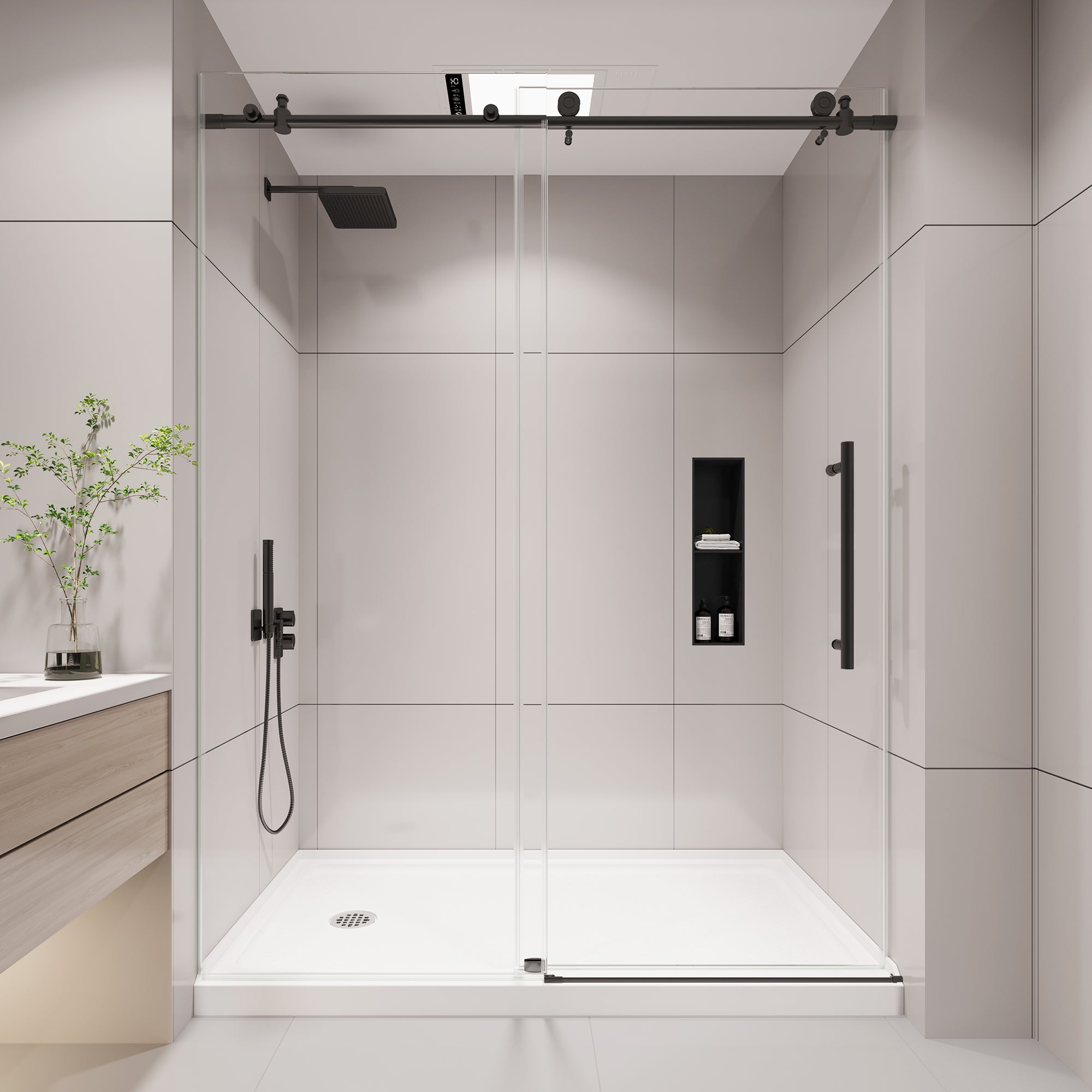
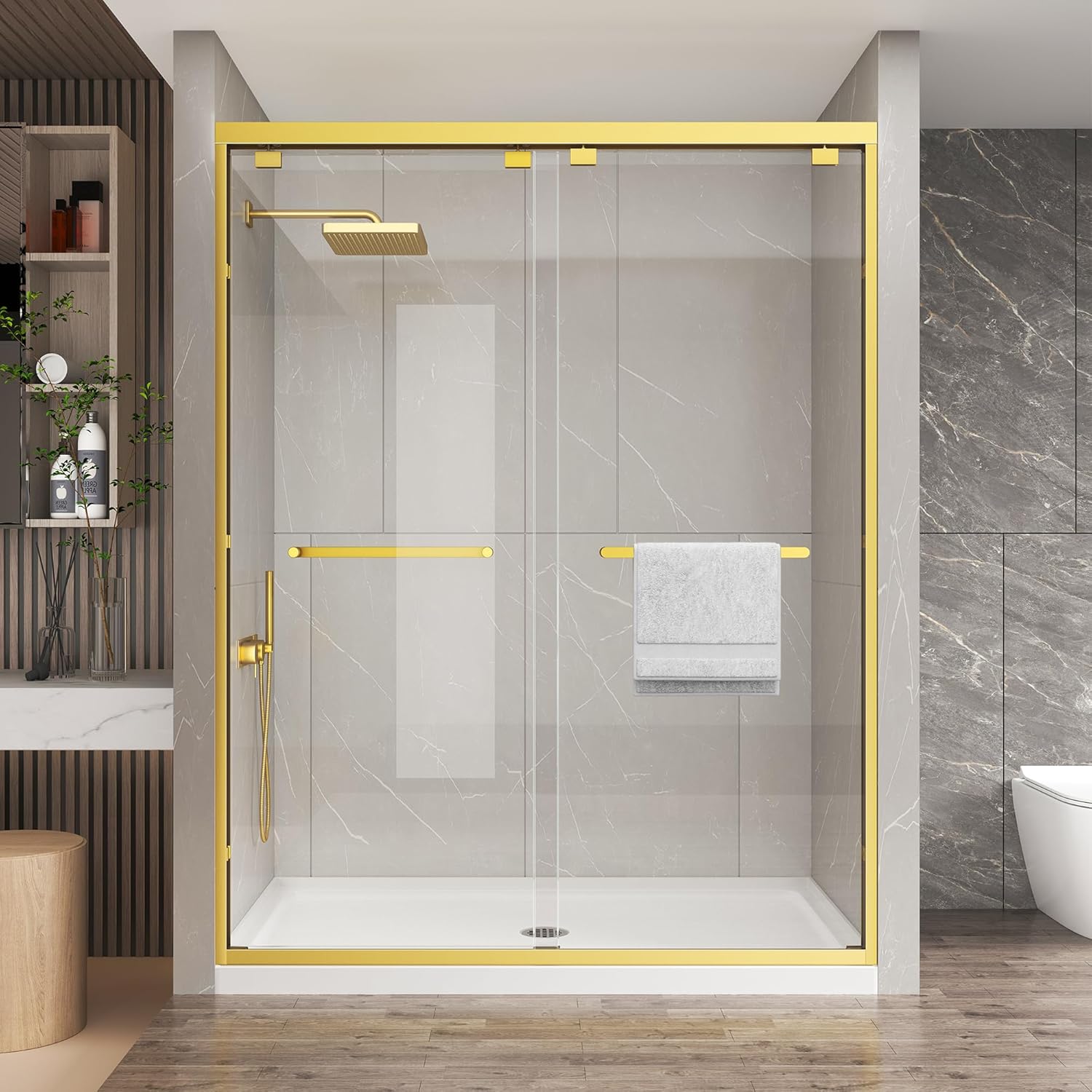
Clear glass and frosted glass shower doors solve different problems in the same bathroom: clear glass keeps the room open and bright, while frosted glass gives you more privacy and hides day-to-day water spots a little better. The right choice usually comes down to who uses the shower, how much natural light the room gets, and how much cleaning you want to do after hard water and soap residue build up.
The Short Answer
Choose clear glass if you want the bathroom to feel larger, brighter, and more open. Choose frosted glass if privacy matters more than a fully open look or if you want to soften the view of shower use and water marks. Rule of thumb: in a small bathroom, clear glass usually makes the room feel less crowded; in a shared or family bathroom, frosted glass often fits daily life better.
Privacy and Light: What Changes in Real Use
The biggest difference is not style; it is how the door changes the room’s behavior. Clear glass lets light travel through the shower area, which matters in bathrooms with one small window or a dim vanity light. It also keeps tile, fixtures, and shower hardware visible, so the room looks more continuous.
Frosted glass breaks up the view. That is useful in a shared hall bath, a guest bath, or a primary bath where two people use the room on different schedules. It also softens the visual impact of a busy tile pattern or a cluttered shower shelf. If privacy is the priority, frosted glass usually wins. If open sightlines matter more, clear glass is the stronger fit.
That trade-off becomes obvious in tight remodels. A clear panel can make a narrow alcove feel wider, while a frosted panel can make the same shower feel more enclosed. In rooms where the vanity, toilet, and shower are all visible from the doorway, frosted glass can reduce visual clutter. In rooms where the shower is tucked behind a partial wall or around a corner, clear glass often works without feeling exposed.
Wrong choice problem: picking frosted glass in a dark bathroom can make the shower area feel heavier and less connected to the rest of the room. Picking clear glass in a bath that needs privacy can make the layout feel uncomfortable, even if the dimensions are right.
Maintenance and Cleaning Differences
Both clear and frosted glass need regular cleaning, but they show different problems. Clear glass makes water spots, soap film, and streaks easier to notice. That does not mean it is harder to maintain in every home; it means small cleaning lapses are more visible. Frosted glass hides some spotting from a distance, but the texture or etched surface can hold residue in a way that needs a more careful wipe-down.
Hard water is the real maintenance issue, not the privacy level alone. In many U.S. homes, mineral deposits build faster on the lower portion of the glass, especially near the curb and around the door sweep. If the shower has weak ventilation, both finishes can show buildup. If the water is very hard, a clear panel may look “dirty” sooner, while frosted glass may need a little more attention to keep the surface from looking cloudy.
Door design matters too. A frameless enclosure with fewer metal channels is usually easier to keep clean around the edges than a framed setup with more places for residue to collect. That is why the glass choice and the enclosure style should be considered together, not separately. If you are comparing the broader enclosure options, glass shower doors are a good place to narrow the decision before you get into finish, hardware, and layout details.
- Clear glass shows streaks, spots, and dust more easily, especially in strong daylight.
- Frosted glass hides the shower view but can still collect film if the surface is not wiped regularly.
- Hard water will leave deposits on both finishes if the shower is not dried or cleaned often.
- Ventilation affects how quickly both glass types start to look dull after use.
- Hardware layout can change cleaning effort more than the glass finish itself.
Older bathrooms also create maintenance surprises. A door may fit the opening on paper, but out-of-plumb walls can leave one side tighter than the other, which changes how water tracks down the glass and where residue builds up. A sliding system can reveal alignment issues that were not obvious before tile. A swing door can clear the opening and still drip onto a vanity path if the curb or threshold slope is poor.

Clear Glass vs Frosted Glass Comparison
If you are trying to decide quickly, compare the choice by how the bathroom is used every day, not just by appearance.
| Option | Best for | Limitations | Maintenance note |
|---|---|---|---|
| Clear glass | Small bathrooms, brightening dark spaces, showing tile and hardware | Less privacy, more visible streaks and spotting | Needs more frequent wiping to stay visually clean |
| Frosted glass | Shared bathrooms, guest baths, privacy-focused remodels | Less open look, can feel heavier in tight rooms | Hides spots better from a distance but still needs regular cleaning |
For many homeowners, the practical decision is this: if the bathroom feels cramped or dark, clear glass is usually the better visual move; if the room is busy, shared, or faces a bedroom door, frosted glass is usually the more comfortable daily choice. The best enclosure also depends on the door type and opening size, which is why many remodels start with KPUY Shower Doors before narrowing the glass finish.
Field note: a shower can look perfectly sized in a showroom and still feel wrong at home if the door blocks the vanity drawer or crowds the toilet. A clear panel may expose that layout problem more quickly because everything is visible, but the problem itself is the clearance, not the glass.
What to Check Before You Order
Start with the finished opening, not the old shower door label. Tile thickness, backer board, and wall finish can change the final width enough to affect the fit. Older homes often have walls that are not perfectly plumb, so the opening may measure differently at the top, middle, and bottom. That matters for both clear and frosted glass because the glass must sit correctly in the actual finished space.
For a shower door replacement or remodel, measure the width at the top, middle, and bottom. Also measure the height on both sides if the floor slopes or the curb is uneven. If you are comparing a framed or frameless look, the hardware tolerance matters as much as the glass finish. On a remodeled shower, a base can fit the footprint but still fail if the drain rough-in is wrong or the curb slope sends water toward the bathroom floor.
When privacy is the main concern, frosted glass may solve the visual issue, but it does not fix a bad layout. A door that opens into a towel bar, a vanity edge, or a toilet tank still creates a daily annoyance. A clear door can make that conflict more obvious because it visually opens the room, but both finishes need the same space checks.
Clearance warning: a vanity drawer can clear the room in an open position and still hit the door casing or shower handle when the door swings. Check the entire swing path before ordering.
Drill, anchor, and seal note: heavier glass and larger panels need proper wall support, solid anchor points, and careful sealing. If walls are out of plumb or the tile surface is uneven, a professional installer may be the better call for safe fit and water containment.
For bathrooms where the door style itself matters as much as the glass finish, frameless shower doors are often compared with frosted or clear glass because the cleaner hardware profile changes how much of the room remains visible.
Step-by-Step Pre-Order Checklist
Use this checklist before you order any door finish or glass type:
- Measure the finished opening at the top, middle, and bottom after tile or wall finish is in place.
- Measure both side heights so you can spot a sloped floor, uneven curb, or dropped threshold.
- Check wall plumb with a level; note any bowing or tilt that could affect glass alignment.
- Confirm the shower curb or threshold slopes back toward the drain, not toward the bathroom floor.
- Verify that the door swing, sliding path, or fixed panel will not hit the toilet, vanity, door casing, or towel bars.
- Check hardware clearance for glass thickness, wall anchors, and any handle or sweep that projects into the opening.
- Look at how much privacy the room needs from the doorway, hallway, or adjoining bedroom.
- Decide how much cleaning visibility you can live with in a hard-water bathroom.
If the opening is tight, a fixed panel may control splash without requiring a full swing path, while a clear door may make the room feel more open. If privacy is the main request and the opening allows it, frosted glass gives a more closed-in feel without adding a curtain. In a tub-shower setting, that same decision is often compared differently, which is why some homeowners move to bathtub shower doors instead of keeping a curtain.

Frequently Asked Questions
Does frosted glass actually hide shower use well enough for a shared bathroom?
Usually, yes, if the goal is to reduce direct visibility rather than create full privacy. Frosted glass softens the view and makes the shower feel less exposed from the doorway. It does not block all light or all silhouettes in every condition, so the exact level of privacy depends on lighting, panel size, and how close the shower sits to the room entrance.
Is clear glass harder to clean than frosted glass?
Clear glass is not always harder to clean, but it does show spots and streaks sooner. Frosted glass hides some buildup from a distance, yet the surface can still collect film and require regular wiping. In hard-water homes, the main difference is visibility, not the total amount of maintenance. Good ventilation and routine drying matter more than the finish alone.
Can I choose frosted glass if my bathroom is small?
Yes, but it is a trade-off. Frosted glass can help with privacy, especially in a shared or guest bath, but it can also make a small room feel more enclosed. If the bathroom is already dark or tight, clear glass usually preserves a better sense of depth. The final choice should follow the room’s layout, not just the glass look.
Final Takeaway
Clear glass is usually the better pick when you want light, openness, and a room that feels larger. Frosted glass is usually the better pick when privacy and a softer visual feel matter more. Before ordering, check the finished opening, wall plumb, threshold slope, and swing or slide clearance so the glass choice works with the actual remodel, not just the old opening.
If you are still deciding between finish and enclosure style, start with the bathroom layout first and then narrow the glass. For a broader selection of enclosure options, the KPUY Shower Doors collection is a practical place to compare door styles alongside the privacy and maintenance trade-offs.

Leave a comment
All comments are moderated before being published.
This site is protected by hCaptcha and the hCaptcha Privacy Policy and Terms of Service apply.