
Installing a smart toilet can transform a bathroom—heated seat, automatic flush, bidet functions, integrated night lights—but all those features need reliable power. Homeowners frequently ask: “Can I use a smart toilet in a bathroom without an outlet?” The short reality is: sometimes, but usually you’ll need to add a properly installed, code-compliant outlet. This article gives practical, contractor-level guidance so you can weigh options, understand code and safety, and plan the right route for new-builds and renovations in 2026 trends.
Short answer (featured snippet)
Yes, you can sometimes use a smart toilet in a bathroom without an existing outlet, but the preferred, safe, and code-compliant approach is to install a dedicated GFCI-protected receptacle within the toilet’s manufacturer-specified cord reach. Temporary workarounds (extension cords, non-GFCI feeds) are not recommended and may violate local electrical code.
Why smart toilets need power
Unlike a basic gravity toilet, a smart toilet contains electronic components that require continuous power for:
- Heated seat and automatic temperature controls
- Electric bidet/nozzle controls and water heating
- Automatic or pressure-assisted flushing
- LED night lights, sensors, remote controls and wireless connections
Power draws vary: simple bidet seats might use under 200W for short cycles, while full-feature smart toilets with integrated water heaters and dryers can draw 300–1200W on peak. That affects outlet placement and whether a dedicated 20A circuit is advisable.
Manufacturers typically provide clear rough-in and installation tolerances—cord length, recommended outlet location (often centered on the back wall 6–12 inches above the finished floor behind the toilet), and minimum clearances. Follow those specs to preserve warranty and to meet safe installation practice.

Common installation scenarios
New construction or full gut remodel
Best case: you include a dedicated outlet in the framing stage. That gives you options for an in-wall recessed outlet, a floor-level outlet, or routing the cord neatly through an access panel. In new work it's standard to coordinate the toilet rough-in (typically 12" center from finished wall to center of waste, though 10" and 14" variants exist) with outlet placement so the cord won't interfere with the toilet base or a tile floor.
Retrofit into an existing bathroom with no outlet
Typical contractor moves:
- Install a recessed in-wall outlet behind the toilet—cut access at drywall, fish cable from adjacent wall cavity, and patch/finish.
- Run cable from a nearby vanity receptacle on the same room circuit (may require an electrician to confirm load and GFCI protection).
- Install a junction in an accessible closet or chase and feed the toilet from a properly protected circuit.
Avoid running surface extension cords across the floor or using an unprotected non-GFCI feed. Those are unsafe and typically not code-compliant.
Old-house realities I see on the job
After 20+ years in field work I’ve patched more than a few weird old houses: plaster walls that are out-of-plumb a full 3/4", stud bays blocked with horsehair plaster, and 100-year-old knob-and-tube where modern conductor routing is a headache. That means:
- You may have to enlarge an access hole and resleeve wiring.
- Expect to shim drywall or toilet flange to maintain level when relocating an outlet behind the bowl—rough-in tolerances matter.
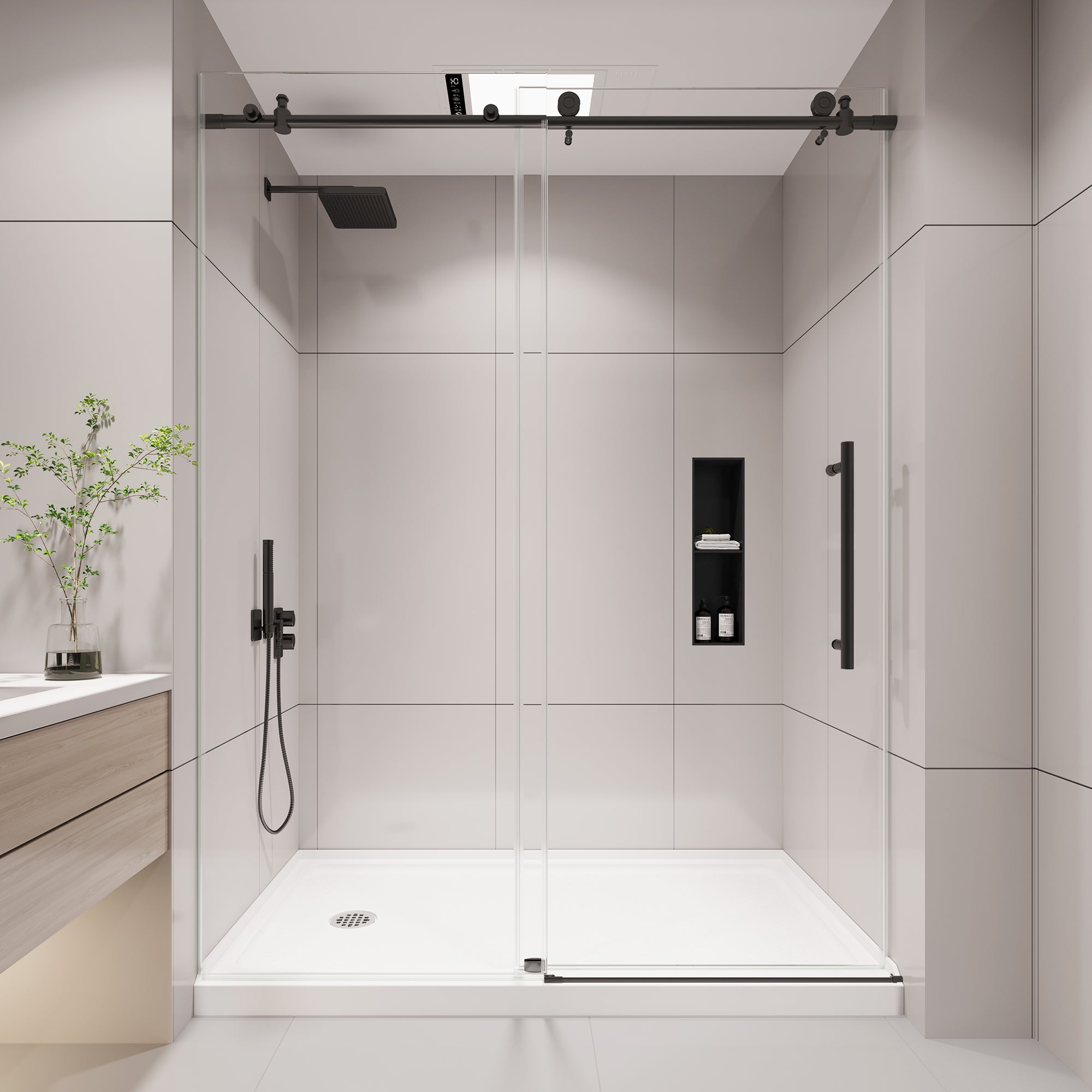
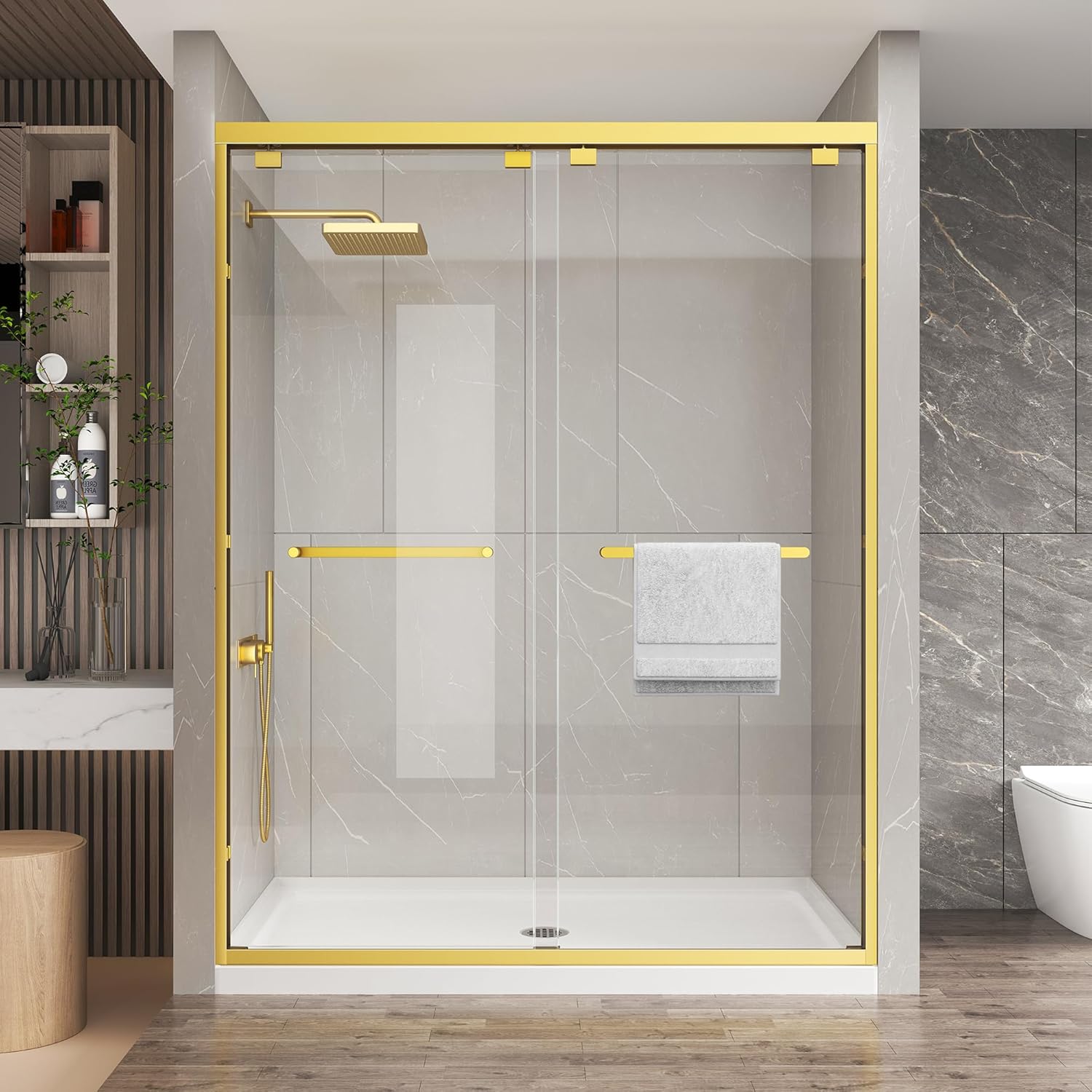
- When a shower door or vanity is adjacent, leave clearance; tempered glass for frameless shower doors is commonly 3/8" (10mm) or 1/2" (12mm), and we need to keep toilet installations and door swings from interfering with glass panels.
Practical tip: I always dry-fit the toilet and check the cord reach, faucet location, and door swing before final drywall repairs. That reduces costly rework.
Electrical safety & code notes
Code basics: Bathroom receptacles must be GFCI protected. Many local jurisdictions require bathroom receptacles on a 20A circuit. The National Electrical Code (NEC) and industry groups like the National Kitchen & Bath Association (NKBA) are the right places to confirm specifics for your area—consult a licensed electrician for a code-compliant install.
Helpful resources:
- National Kitchen & Bath Association (NKBA) — industry guidance on planning and appliance placement.
- National Fire Protection Association (NFPA) — references for NEC and electrical safety.
Quick comparison: power options
| Option | Pros | Cons | Typical cost (US) | Code considerations |
|---|---|---|---|---|
| Install recessed outlet behind toilet | Neat, manufacturer-friendly, preserves warranty | Requires cutting drywall and electrician work | $150–$400 | Must be GFCI-protected and accessible |
| Plug into nearby vanity outlet | Low cost, quick | Cord routing visible, may violate cord length/manufacturer specs | $0–$100 | Check load and GFCI—may not be allowed |
| Hardwire-in via junction box (licensed electrician) | Hidden installation, clean look | May void warranty if manufacturer requires a plug; not reversible | $200–$600 | Must meet manufacturer and code requirements |
| Battery-powered add-on (limited features) | No electrical work | Limited functionality, maintenance-heavy | $50–$200 | Low-voltage, typically allowed but limited |
Step-by-step retrofit plan (contractor workflow)
- Review the toilet manufacturer’s installation manual. Note cord length, outlet location, and required clearances.
- Locate stud bays and existing circuits with a stud/metal scanner and voltage detector.
- Decide outlet type: recessed in-wall box behind toilet is preferred. Mark outlet center relative to toilet rough-in (commonly centered on the bowl).
- Shut power and run cable from an appropriate circuit or install a new dedicated circuit—hire a licensed electrician if work involves modifications to panels or circuits.
- Install GFCI protection as required and mount the outlet so the cord will fit without pinching the toilet base—allow installation tolerances of ±1/4" to ±1/2".
- Dry fit the toilet, verify cord reach and cover plate access, then finish patching and paint.
Important: Never run an extension cord under a toilet, through a wall without a listed outlet box, or on the floor where it can be damaged by a toilet base. Those are common mistakes I see and they create liability.

Practical installation tips from the field
- Outlet height: Most manufacturers call for 6–12 inches above finished floor, centered on the toilet’s drain centerline. Measure from finished surfaces—tile can add height.
- Rough-in clearance: Keep 1–1.5 inches clearance from the toilet tank/cover for cord strain relief; plan for installation tolerances—floors and walls are not always perfectly square.
- Flange and floor slope: When resetting a toilet on a sloped floor, use flange shims and a proper wax or gasket seal; an uneven floor can pinch the cord or put the outlet behind a gap in the base.
- Tempered glass and door swings: When a shower door is nearby, verify shower glass thickness (3/8" or 1/2" common) and leave clearance so door swings don’t interfere with the toilet or outlet access plate.
- Document changes: Take photos of wiring and outlet location before closing walls—useful for future owners and inspectors.
FAQ
Can I use an extension cord to power a smart toilet?
No. Extension cords are not rated for permanent use in bathrooms and create a safety hazard. They can be tripped over, damaged by moisture, or pinch under a toilet flange. Use a permanent, GFCI-protected receptacle installed to code.
Can a smart toilet be hardwired instead of plugged in?
Sometimes, but you must follow the manufacturer’s instructions. Some brands explicitly require a plug-in connection for serviceability and warranty reasons. If hardwiring, use a licensed electrician and keep an accessible disconnect or junction box per local code.
How much does it cost to add an outlet behind a toilet?
Costs vary by complexity. Simple installs tapping an existing circuit and cutting drywall: roughly $150–$400. Running a new dedicated circuit from the panel: $400–$1,200 depending on travel distance, breaker upgrades, and local labor rates.
Final note and where to look
If you’re planning a bathroom refresh in 2026, include power planning early—smart toilets are now standard in many upscale remodels. For product selection and to compare models that match your electrical plan, see the Smart Toilets collection: Smart Toilets. And always coordinate electrical work with a licensed electrician to meet code and keep your family safe.
Bottom line: A smart toilet can be used in a bathroom without an existing outlet only if you provide a safe, code-compliant power solution. Don’t shortcut the electrical work—proper outlet placement, GFCI protection, and adherence to manufacturer specs are essential.

Leave a comment
All comments are moderated before being published.
This site is protected by hCaptcha and the hCaptcha Privacy Policy and Terms of Service apply.